
What Can Happen If You Don’t Fix a Broken or Cracked Tooth?
A cracked tooth may start small, but delays invite pain or costly treatment. Learn why early dental care protects your health, smile, and wallet!!!

A cracked tooth may start small, but delays invite pain or costly treatment. Learn why early dental care protects your health, smile, and wallet!!!

Learn anemia starves gums of oxygen and nutrients, triggering pale tissue, bleeding, inflammation, and delayed healing and highlighting why early treatment matters.

Looking in the mirror and noticing your tongue isn’t its usual pink color can be concerning. Your tongue serves as a window into your overall health, and changes in its appearance shouldn’t be ignored. At Today’s Dental, we believe in empowering our patients with knowledge about their oral health, including understanding what different tongue colors might mean for their wellbeing.
Tongue discoloration affects millions of people and can range from harmless temporary changes to indicators of serious underlying health condition. Understanding the difference between normal variations and concerning changes can help you make informed decisions about when to seek professional care.
Tongue discoloration refers to any abnormal change in your tongue’s color from its normal light pink appearance. This muscular organ contains thousands of taste buds and tiny bumps called papillae that give it its characteristic texture. When these structures become inflamed, infected, or affected by external factors, the tongue’s appearance can change dramatically.
The tongue’s color reflects your overall health status more than you might realize. Changes can occur uniformly across the entire tongue surface or appear as patches in specific areas. These alterations may develop gradually over time or appear suddenly, each pattern providing valuable clues about potential underlying causes.
Understanding how your tongue may respond to various factors helps you recognize when changes are temporary and harmless versus when they require prompt medical attention. The tongue surface is particularly sensitive to bacterial changes, nutritional deficiencies, and systemic health conditions.
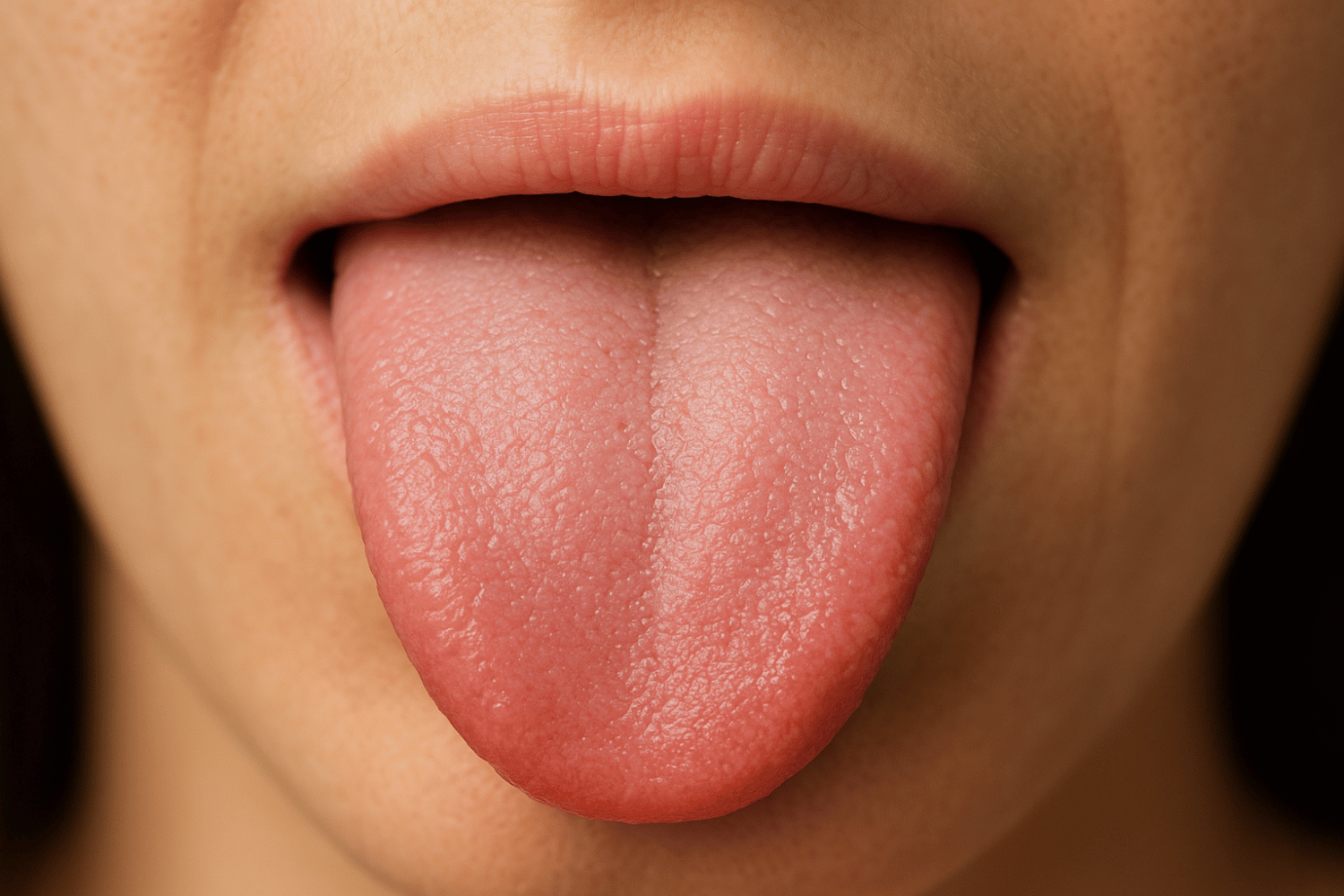
A healthy tongue typically appears light pink to dark pink in color with a slightly moist surface covered in small bumps. A thin whitish coating is normal and consists of dead skin cells, food debris, and bacteria that naturally accumulate throughout the day. The tongue should feel flexible and pain-free during normal movement and function.
Normal variations exist among different populations, with some individuals naturally having purple or brown pigmentation, particularly those with darker skin tones. These natural color variations are typically present from birth or early childhood and remain consistent over time.
The papillae structure plays a crucial role in normal tongue appearance, creating the characteristic rough texture that helps with taste sensation and food processing. When papillae become inflamed or enlarged, they can trap bacteria and debris, leading to visible color changes.
Red flags that indicate the need for professional evaluation include persistent discoloration lasting more than two weeks, tongue pain, difficulty swallowing, a swollen tongue, or white patches that cannot be removed by gentle scraping. Any sudden onset of bright red tongue or blue tongue discoloration requires immediate medical assessment.
White tongue is one of the most common forms of discoloration and often results from poor oral hygiene practices. When dead cells accumulate on the tongue surface, they create a thick white coating that can harbor bacteria and cause bad breath. Dehydration and dry mouth also contribute to this buildup.
Oral thrush, a fungal infection caused by Candida overgrowth, presents as white patches that may extend throughout the mouth. This condition is more common in individuals with weakened immune systems, those taking antibiotics, or people with certain medical conditions like diabetes.
Leukoplakia appears as white patches that cannot be scraped off and may indicate a precancerous condition, particularly in tobacco users. Geographic tongue creates a map-like pattern with white borders surrounding red patches that shift location over time, though this condition is generally harmless.
A routine dental exam can help distinguish between harmless white coating and more serious conditions requiring further evaluation. Regular tongue cleaning with a tongue scraper can prevent many cases of white tongue caused by poor oral hygiene.
A bright red tongue often signals vitamin deficiencies, particularly B vitamins including B12, folic acid, and niacin. These nutritional deficiencies can cause the tongue to become smooth and bright red as papillae are lost and inflammation develops.
Strawberry tongue is a distinctive presentation associated with scarlet fever, where the tongue appears bright red with prominent white-coated papillae resembling strawberry seeds. This condition requires antibiotic treatment and immediate medical attention.
In children, strawberry tongue may indicate Kawasaki disease, a serious inflammatory condition affecting blood vessels throughout the body. This autoimmune disorder requires prompt medical attention to prevent potential heart complications.
Glossitis, or tongue inflammation, can cause the tongue to appear smooth and red due to papillae loss. Various factors including spicy or acidic foods, certain medications, and autoimmune disorders can trigger this inflammatory response.
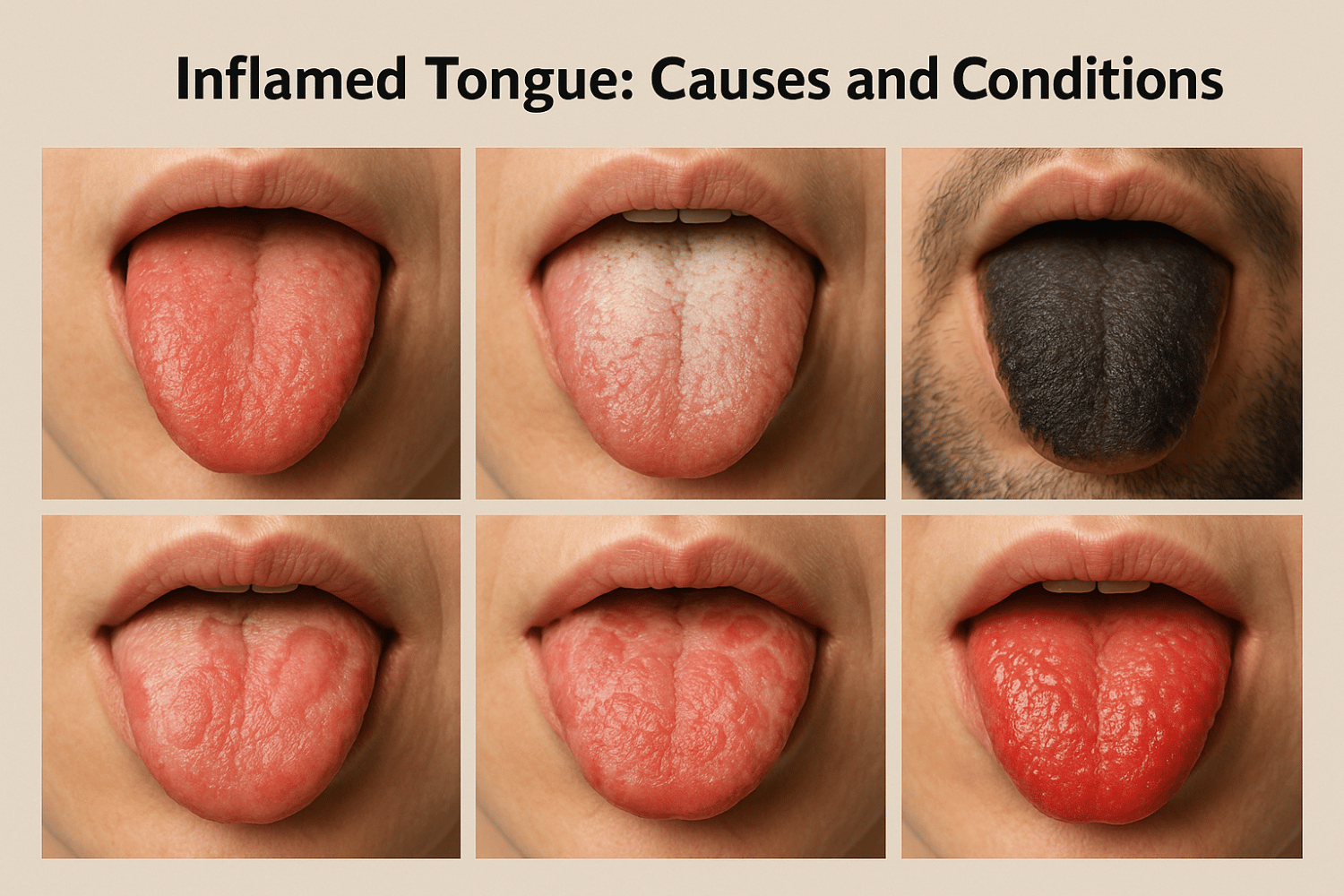
Yellow tongue typically develops when bacteria become trapped between inflamed papillae, creating a yellowish discoloration that may progress to more severe changes if left untreated. Contributing factors include poor oral hygiene, dry mouth from mouth breathing, smoking, and excessive alcohol consumption.
This discoloration often represents an intermediate stage that can progress to black hairy tongue if the underlying causes aren’t addressed. The yellow appearance results from bacterial overgrowth and the accumulation of dead cells on the tongue surface.
Certain medical conditions affecting liver function can also cause yellow discoloration as bilirubin accumulates in tissues. However, this type of yellowing typically affects other areas of the body as well, including the skin and eyes.
Improved oral hygiene, including daily tongue cleaning and staying well-hydrated, often resolves yellow tongue within a few weeks. If discoloration persists despite good oral hygiene practices, further testing may be necessary to identify underlying causes.
Black hairy tongue results from the elongation and darkening of filiform papillae, creating a hairy appearance on the tongue surface. This benign condition affects up to 11% of elderly individuals in institutional settings and is more common among tobacco users and those with poor oral hygiene.
Certain medications, particularly bismuth-containing preparations like Pepto-Bismol, can cause temporary black discoloration that resolves after discontinuing the medication. Taking antibiotics can also disrupt the normal oral bacteria balance, leading to overgrowth of chromogenic bacteria.
This appearance, while alarming, is usually harmless and resolves with improved oral hygiene, including gentle tongue brushing or scraping twice daily. Discontinuing any contributing habits like tobacco use accelerates resolution.
If black tongue persists despite good oral hygiene and appears alongside symptoms like mouth sores, enlarged lymph nodes, or difficulty swallowing, medical evaluation is necessary to rule out more serious conditions like oral cancer.
A blue or purple tongue can signal poor circulation or inadequate oxygenation of the blood, a serious condition requiring immediate medical attention. This cyanotic appearance occurs when blood isn’t receiving enough oxygen or when blood flow becomes restricted.
Respiratory conditions, heart disease, or blood disorders can all cause this type of discoloration. In traditional Chinese medicine, a purple tongue may indicate blood stagnation, though Western medicine focuses on identifying specific circulatory or oxygenation problems.
Certain medications or dental amalgam fillings may cause localized blue or gray discoloration, which is typically benign and confined to specific areas rather than affecting the entire tongue. Vascular malformations can also create purple or blue patches on the tongue surface.
Anyone experiencing sudden onset of blue tongue, especially when accompanied by shortness of breath, chest pain, or confusion, should seek emergency medical care immediately as this may indicate a life-threatening condition.
Inadequate oral hygiene practices allow bacteria, food particles, and dead cells to accumulate on the tongue surface, leading to various forms of discoloration. The tongue’s papillae create numerous crevices where debris can become trapped, providing an ideal environment for bacterial growth.
When regular tongue cleaning is neglected, the buildup can progress from mild white coating to more severe yellow or black discoloration. Bad breath often accompanies tongue discoloration caused by poor hygiene, as bacterial decomposition produces volatile sulfur compounds.
Regular brushing and flossing alone may not adequately clean the tongue surface. Incorporating tongue scraping or gentle tongue brushing into your daily routine can significantly reduce bacterial load and prevent discoloration.
Maintaining proper oral hygiene becomes particularly important for individuals with dry mouth, as reduced saliva production decreases the mouth’s natural self-cleaning mechanisms. Staying well-hydrated and using alcohol-free mouthwashes can help maintain tongue health.
Certain foods and beverages can temporarily stain the tongue, causing harmless discoloration that typically resolves within hours. Coffee, tea, red wine, and brightly colored foods like beets or popsicles commonly cause temporary staining.
Acidic or spicy foods may irritate the tongue surface, causing redness or inflammation that persists for several days. These dietary irritants can damage papillae and increase sensitivity, making the tongue more susceptible to injury and infection.
A diet lacking in essential nutrients, particularly B vitamins and iron, can cause persistent tongue color changes accompanied by other symptoms like soreness or changes in taste perception. Nutritional deficiencies often result from restrictive diets, malabsorption disorders, or chronic health conditions.
Consuming a balanced diet rich in fruits, vegetables, whole grains, and lean proteins supports tongue health and overall oral wellness. If dietary modifications don’t improve persistent discoloration, nutritional testing may identify specific deficiencies requiring supplementation.
Various medications can cause tongue discoloration as a direct side effect or by altering the oral environment in ways that promote color changes. Antibiotics may disrupt the natural balance of oral bacteria, allowing overgrowth of chromogenic species that produce dark pigments.
Bismuth subsalicylate, the active ingredient in Pepto-Bismol, commonly causes temporary black tongue by forming bismuth sulfide when interacting with trace amounts of sulfur in saliva. This harmless reaction resolves within days to weeks after discontinuing the medication.
Chemotherapy and radiation therapy can damage oral tissues, leading to inflammation, infection, and discoloration. Cancer treatments may also increase susceptibility to oral thrush, which presents as white patches on the tongue.
Certain psychiatric medications, antihistamines, and blood pressure drugs can cause dry mouth, indirectly contributing to tongue discoloration by reducing saliva’s protective effects. Discussing medication side effects with your healthcare provider can help identify alternatives if tongue discoloration becomes problematic.
Oral thrush, caused by Candida fungal overgrowth, creates white patches on the tongue that may bleed when scraped. This infection commonly affects infants, elderly individuals, people with weakened immune systems, and those taking antibiotics or corticosteroids.
Bacterial infections can cause various color changes, with streptococcal infections potentially producing the characteristic strawberry tongue seen in scarlet fever. These infections require prompt antibiotic treatment to prevent complications.
Sexually transmitted infections like syphilis can cause tongue lesions and discoloration, highlighting the importance of comprehensive STI screening when unusual tongue changes occur. Early-stage syphilis may present with painless sores, while later stages can cause white patches or smooth red areas.
Viral infections, particularly oral herpes, may cause painful sores and redness on the tongue. HIV can manifest with various oral symptoms including persistent white patches, lesions, and increased susceptibility to oral infections.
Vitamin B12 deficiency frequently causes a smooth, red, painful tongue as papillae atrophy and inflammation develops. This condition, called glossitis, may occur alongside other symptoms like fatigue, weakness, and neurological changes.
Iron deficiency anemia can cause tongue pallor, smoothness, and soreness, often accompanied by other symptoms like brittle nails, fatigue, and difficulty swallowing. The tongue may appear unusually pale rather than its normal pink color.
Folate (vitamin B9) deficiency produces similar tongue changes to B12 deficiency, including redness, smoothness, and discomfort. Both conditions may result from dietary inadequacy, malabsorption disorders, or certain medications that interfere with nutrient absorption.
Niacin (vitamin B3) deficiency, though rare in developed countries, can cause a bright red, swollen tongue as part of pellagra syndrome. This condition also affects skin and digestive function, requiring prompt nutritional intervention.
Geographic tongue is a benign inflammatory condition creating map-like patterns of red patches bordered by white rings. This harmless condition affects up to 3% of the population and may be associated with psoriasis or reactive arthritis.
Oral lichen planus, an autoimmune condition, causes white lacy patterns or red patches on the tongue and other oral tissues. While usually not dangerous, this condition requires monitoring as it slightly increases oral cancer risk.
Diabetes can increase susceptibility to oral infections like thrush, leading to white tongue discoloration. Poor blood sugar control also impairs wound healing and immune function, making oral health problems more common and difficult to resolve.
Liver disease may cause yellow tongue discoloration as bilirubin accumulates, though this typically affects other body parts more noticeably. Kidney disease, heart conditions, and respiratory problems can all manifest with tongue color changes reflecting systemic health issues.
Persistent tongue discoloration lasting more than two weeks despite improved oral hygiene warrants professional evaluation. While many cases resolve with simple interventions, ongoing changes may signal underlying health conditions requiring diagnosis and treatment.
Seek immediate medical attention if you experience tongue discoloration accompanied by difficulty breathing, swallowing problems, severe tongue swelling, or blue tongue coloration. These symptoms may indicate serious conditions like allergic reactions, infections, or circulatory problems.
White patches that cannot be removed by gentle scraping, particularly in tobacco users or individuals with weakened immune systems, require evaluation to rule out leukoplakia or oral cancer. Early detection of precancerous changes significantly improves treatment outcomes.
Tongue changes occurring alongside other concerning symptoms like unexplained weight loss, persistent fever, enlarged lymph nodes, or mouth sores should prompt medical consultation. Your healthcare provider can perform a comprehensive evaluation to identify underlying causes.
Your healthcare provider will begin by taking a detailed medical history, including information about your symptoms, medications, diet, oral hygiene habits, and general health status. This information helps narrow down potential causes and guide further testing.
Physical examination includes thorough inspection of your tongue, mouth, throat, and neck to assess the extent of discoloration and identify any accompanying abnormalities. Your provider may use special lighting or magnification to examine your tongue more closely.
Blood tests can detect nutritional deficiencies, infections, diabetes, liver or kidney problems, and other systemic conditions that may cause tongue discoloration. Complete blood count, vitamin levels, and metabolic panels provide valuable diagnostic information.
In some cases, a tongue scraping or biopsy may be necessary to identify specific infections or rule out precancerous changes. These procedures are typically quick and minimally uncomfortable, providing definitive diagnosis when visual examination and blood tests are inconclusive.
Regular tongue cleaning using a tongue scraper or soft toothbrush effectively removes bacteria, food debris, and dead cells that contribute to discoloration. Perform tongue cleaning once or twice daily, using gentle backward strokes from the base to the tip.
Brushing teeth at least twice daily with fluoride toothpaste and daily flossing remove food particles and bacteria from all mouth surfaces. Complete oral hygiene routines prevent bacterial overgrowth that can affect tongue appearance.
Rinsing with water or alcohol-free mouthwash after meals helps remove food particles and maintain a cleaner oral environment. Staying well-hydrated throughout the day supports saliva production, which naturally cleanses the mouth and protects against bacterial overgrowth.
Regular dental checkups and professional cleanings help maintain optimal oral health and allow early detection of problems. Your dentist can provide personalized recommendations for improving your oral hygiene routine based on your specific needs.
Consuming a nutrient-rich diet including plenty of fruits, vegetables, whole grains, lean proteins, and dairy products ensures adequate intake of vitamins and minerals essential for tongue health. Pay particular attention to foods rich in B vitamins and iron.
Limiting consumption of staining foods and beverages like coffee, tea, and red wine reduces temporary tongue discoloration. If you do consume these items, rinsing your mouth with water afterward minimizes staining effects.
Avoiding excessively hot, spicy, or acidic foods prevents tongue irritation that can lead to redness and discomfort. If certain foods consistently trigger tongue changes, consider eliminating or reducing them in your diet.
Reducing or eliminating tobacco and alcohol use significantly improves tongue health and reduces risk of serious conditions like oral cancer. These substances contribute to various forms of tongue discoloration and increase susceptibility to oral infections.
Antifungal medications effectively treat oral thrush, with options including topical treatments like nystatin swish-and-swallow or systemic medications like fluconazole for more severe or recurrent cases. Treatment typically continues for 7-14 days.
Bacterial infections causing tongue discoloration require appropriate antibiotic therapy based on the specific organism identified. Scarlet fever responds well to penicillin or other antibiotics, with symptoms typically improving within days of starting treatment.
Nutritional deficiencies are treated with appropriate supplementation, with B12 deficiency often requiring injections rather than oral supplements, particularly when caused by absorption problems. Iron supplementation may take several months to fully correct deficiency and associated tongue changes.
Underlying health conditions like diabetes, autoimmune disorders, or liver disease require comprehensive management to address both the systemic condition and its oral manifestations. Working with your healthcare team ensures coordinated care.
Gentle tongue scraping with a specialized tool removes surface debris and bacteria more effectively than brushing alone. Perform this practice gently to avoid irritating the tongue surface, working from back to front with light pressure.
Salt water rinses (one teaspoon salt in eight ounces warm water) can reduce inflammation and promote healing of minor tongue irritation. Rinse for 30 seconds two to three times daily, particularly after meals.
Staying well-hydrated by drinking plenty of water throughout the day supports saliva production and the mouth’s natural cleansing mechanisms. Aim for at least eight glasses daily, more if you exercise or live in hot climates.
Probiotics may help restore healthy oral bacteria balance, particularly after antibiotic use. Consuming yogurt with live cultures or taking probiotic supplements supports beneficial bacteria that protect against harmful overgrowth.
Maintaining excellent oral hygiene through regular brushing, flossing, and tongue cleaning prevents many cases of tongue discoloration. Establishing a consistent routine and following through daily provides the best protection against oral health problems.
Scheduling regular dental checkups every six months allows early detection of potential problems before they become serious. Your dentist can spot early signs of tongue changes and recommend appropriate interventions.
Eating a balanced, nutritious diet ensures adequate intake of vitamins and minerals essential for tongue and overall health. If dietary restrictions limit your food choices, discuss supplementation options with your healthcare provider.
Avoiding tobacco products and limiting alcohol consumption significantly reduces risk of tongue discoloration and serious oral health conditions including oral cancer. If you currently use these substances, consider seeking support to quit.
While many cases of tongue discoloration are harmless and resolve with simple interventions, ignoring persistent changes can allow serious conditions to progress. Untreated leukoplakia may develop into oral cancer, particularly in tobacco users, with early detection crucial for successful treatment.
Chronic nutritional deficiencies causing tongue discoloration can lead to additional health problems if not addressed. Vitamin B12 deficiency may cause irreversible neurological damage if allowed to persist, while iron deficiency can affect energy levels, cognitive function, and immune response.
Untreated oral infections can spread to other mouth areas or beyond, potentially causing systemic illness. Candida infections may spread to the esophagus or bloodstream in immunocompromised individuals, creating life-threatening situations.
Ignoring tongue changes that signal underlying health conditions like diabetes or heart disease delays diagnosis and treatment of these serious problems. Early intervention for systemic conditions improves outcomes and prevents complications.
Some tongue conditions like geographic tongue or oral lichen planus may persist long-term despite treatment, requiring ongoing management and monitoring. Understanding that these conditions are generally benign helps reduce anxiety, though regular dental surveillance remains important.
Learning to identify triggers that worsen symptoms allows you to make lifestyle modifications that improve comfort. Many people with geographic tongue find that spicy or acidic foods increase discomfort, while stress may exacerbate various chronic tongue conditions.
Working closely with your healthcare team ensures optimal management of chronic conditions and early detection of any concerning changes. Regular follow-up appointments allow monitoring of condition progression and adjustment of treatment approaches as needed.
Connecting with support groups or online communities of others with similar conditions can provide emotional support and practical tips for managing symptoms. Sharing experiences and coping strategies helps reduce the isolation that chronic conditions can create.
Tongue discoloration in children often results from different causes than in adults, with oral thrush being particularly common in infants. Geographic tongue also frequently appears in childhood and typically doesn’t require treatment unless it causes discomfort.
Strawberry tongue in children may indicate scarlet fever or, less commonly, Kawasaki disease. Parents should seek medical attention if their child develops tongue changes accompanied by fever, rash, or other concerning symptoms.
Ensuring children maintain good oral hygiene from an early age establishes lifelong healthy habits and prevents many cases of preventable tongue discoloration. Parents should supervise brushing and flossing until children develop the coordination to perform these tasks effectively.
Hormonal changes during pregnancy can affect oral health, potentially increasing susceptibility to conditions like pregnancy gingivitis and geographic tongue. Maintaining excellent oral hygiene becomes even more important during this time.
Nutritional needs increase during pregnancy, and deficiencies may develop more quickly if dietary intake is inadequate. Prenatal vitamins help prevent deficiencies that could cause tongue discoloration, though some women may need additional supplementation.
Morning sickness and acid reflux, common in pregnancy, can irritate the tongue and cause redness or sensitivity. Rinsing with water after vomiting and managing reflux symptoms helps protect oral tissues from acid damage.
As we age, tongues may naturally darken slightly and develop more pronounced fissures or grooves. These normal aging changes typically don’t require treatment unless they trap debris or cause discomfort.
Older adults face increased risk of dry mouth due to medications, medical conditions, and age-related changes in salivary gland function. This can contribute to tongue discoloration and increase susceptibility to oral infections.
Regular dental care becomes increasingly important with age, as older adults have higher risk of oral health problems including tongue discoloration, infections, and oral cancer. Medicare doesn’t typically cover dental care, but maintaining oral health remains crucial for overall wellbeing.
Traditional healing systems including Traditional Chinese Medicine and Ayurveda have long recognized the tongue as a diagnostic tool reflecting overall health status. While Western medicine focuses on specific anatomical and biochemical explanations, both approaches acknowledge that tongue appearance provides valuable health information.
The tongue’s rich blood supply and rapid cell turnover make it particularly sensitive to systemic changes, allowing early detection of nutritional deficiencies, infections, and other health conditions. Healthcare providers increasingly recognize tongue examination as an important component of comprehensive physical assessment.
Changes in tongue appearance, texture, or sensation can provide early warning signs of developing health problems, allowing intervention before conditions become serious. Learning to recognize your tongue’s normal appearance helps you notice concerning changes promptly.
While tongue self-examination provides useful information, professional evaluation remains essential for accurate diagnosis and treatment. Many serious conditions can manifest with tongue changes, making it unwise to rely solely on self-diagnosis when persistent or concerning alterations occur.
Your tongue serves as a valuable window into your overall health, with color changes often providing early clues about underlying conditions. While many cases of tongue discoloration result from harmless causes like dietary staining or temporary bacterial overgrowth, persistent changes warrant professional evaluation.
Maintaining excellent oral hygiene, eating a nutritious diet, staying well-hydrated, and avoiding tobacco and excessive alcohol use provide the foundation for tongue health. These simple practices prevent many common causes of tongue discoloration while supporting your overall oral and systemic health.
Regular dental checkups allow early detection of tongue changes and other oral health problems. Don’t hesitate to bring tongue concerns to your dentist’s attention, as these professionals are trained to recognize both harmless variations and concerning changes requiring further evaluation.
At Today’s Dental, we’re committed to comprehensive oral health care that addresses all aspects of your mouth, including tongue health. If you’re concerned about tongue discoloration or any other oral health issue, we encourage you to schedule an appointment. Early evaluation and intervention provide the best outcomes, whether your tongue changes indicate a simple hygiene issue or a more serious condition requiring treatment. Your tongue is trying to tell you something – make sure you’re listening.
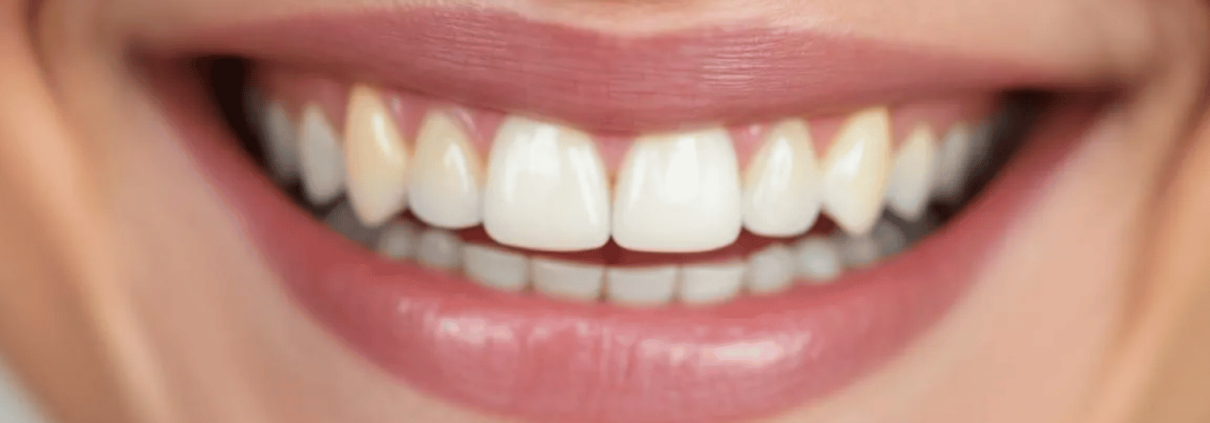


If you’ve noticed your teeth becoming more yellow over time, you’re certainly not alone. More than half of adults report feeling dissatisfied with the color of their teeth, with yellowing being the most common cosmetic concern. While our culture often promotes the ideal of perfectly white teeth, the reality is that slightly yellow teeth are completely normal and often indicate healthy tooth structure.
Understanding why teeth yellow and what you can do about it empowers you to make informed decisions about your oral health and cosmetic goals. Whether your yellow teeth stem from natural aging, lifestyle choices, or genetic factors, there are effective solutions available to help you achieve the smile you desire while maintaining optimal oral health.
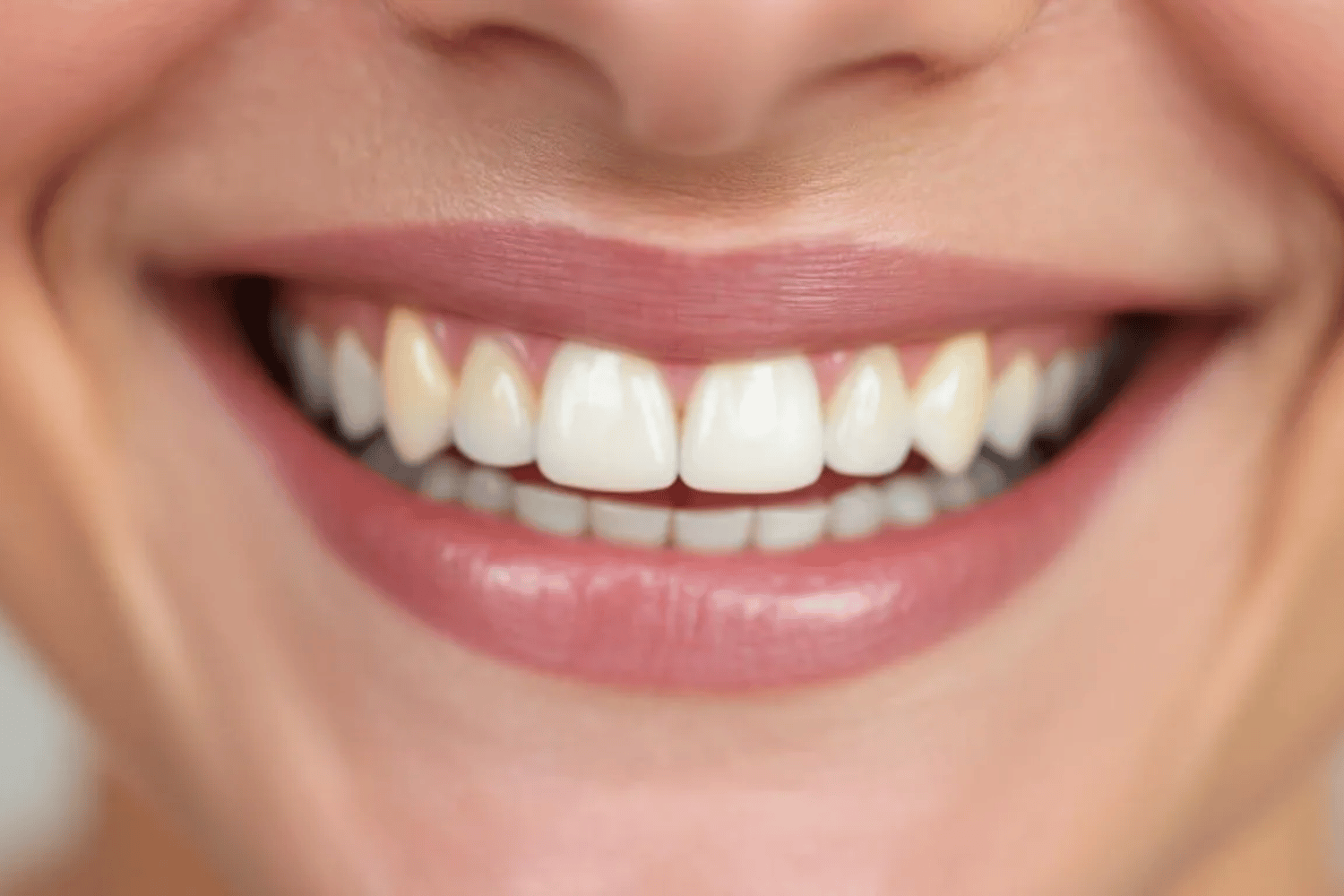
The misconception that all healthy teeth should be bright white has created unnecessary anxiety for many people. In reality, natural adult teeth display a range of colors, from slightly yellow to grayish tints, and truly white teeth are uncommon without cosmetic intervention. This natural variation occurs because teeth consist of multiple layers, with the outer tooth enamel being somewhat translucent and the underlying dentin having a naturally yellowish hue.
Your teeth’s anatomy plays a crucial role in their appearance. The enamel, which is the hard outer layer, varies in thickness and transparency from person to person. As this enamel wears or thins over time, more of the yellow dentin underneath becomes visible, creating the appearance of yellowing teeth. This process is completely natural and doesn’t necessarily indicate poor oral health.
However, certain types of tooth discoloration can signal underlying oral health issues. Sudden changes in tooth color, especially when accompanied by pain, sensitivity, or other symptoms, may indicate tooth decay, dental trauma, or other dental issues requiring professional attention. Additionally, severe or patchy discoloration could suggest problems with enamel development or damage that affects enamel integrity.
The key is understanding that maintaining good oral hygiene and healthy teeth doesn’t guarantee perfectly white teeth. Genetics, age, and lifestyle factors all contribute to the natural color of your teeth, and slight yellowing often indicates normal, healthy tooth structure rather than a problem requiring immediate treatment.
Understanding what causes yellow teeth helps determine the most effective treatment approach for your specific situation. Dental professionals categorize tooth discoloration into two main types: extrinsic stains that affect the tooth enamel surface and intrinsic discoloration that occurs within the tooth structure itself.
Your genetics significantly influence both the thickness of your tooth enamel and the color of the underlying dentin. Some individuals are simply predisposed to naturally yellower teeth due to inherited variations in tooth structure. These genetic factors determine your baseline tooth color, with some people naturally having thicker, more opaque enamel that masks the yellow dentin, while others have thinner enamel that allows more dentin color to show through.
Ethnic variations also play a role in natural tooth color, with different populations showing distinct patterns in enamel thickness and dentin coloration. Understanding these genetic predispositions helps set realistic expectations for whitening teeth and other cosmetic treatments. While genetic factors influence your starting point, they don’t prevent you from achieving whiter teeth through appropriate whitening treatments.
The good news is that even if genetics gave you naturally yellower teeth, modern teeth whitening treatments can still provide significant improvement. However, it’s important to work with dental professionals who can assess your individual tooth structure and recommend the most effective whitening options for your genetic baseline.
The aging process represents one of the most significant factors in yellowing teeth. As we age, our tooth enamel naturally becomes thinner through decades of use, allowing more of the yellow dentin underneath to show through. This process happens gradually over time, which is why most people notice their teeth becoming more yellow as they get older.
Beyond simple thinning, the enamel wears down from daily activities like chewing, grinding, and exposure to acidic foods and drinks. Even people with excellent oral hygiene experience this natural wear over time. The cumulative effects of wear and tear over decades mean that older adults are much more likely to have yellowing teeth compared to children or young adults.
Additionally, the dentin itself can become more yellow with age due to the continuous formation of secondary dentin throughout life. This internal process contributes to the overall yellowing effect, creating changes that go beyond surface staining. Understanding these age-related changes helps explain why teeth whitening treatments may need to be more intensive for older adults to achieve the same results as younger patients.
What you eat and drink significantly impacts the color of your teeth over time. Certain foods and beverages contain compounds called tannins and chromogens that readily bind to tooth enamel, creating persistent teeth stains. Coffee, tea, red wine, dark berries, curry, and tomato-based sauces are among the most notorious culprits for staining teeth.
The mechanism behind dietary staining involves these pigmented molecules penetrating the porous surface of tooth enamel and becoming trapped within its structure. Acidic drinks like citrus juices and sports drinks compound this problem by temporarily softening the enamel, making it more susceptible to stain absorption. This is why dental professionals often recommend waiting at least 30 minutes after consuming acidic foods or drinks before brushing your teeth.
The frequency and duration of exposure matter significantly. Someone who sips coffee throughout the day exposes their teeth to staining compounds much longer than someone who drinks the same amount quickly. Similarly, drinking foods through a straw can help minimize contact with teeth, reducing the staining potential of beverages that would otherwise bathe your teeth in pigmented liquids.
Tobacco products create some of the most persistent and difficult-to-remove teeth stains. Whether you smoke cigarettes, use pipe smoke, or chewing tobacco, the tar and nicotine in these products readily bind to both tooth enamel and the underlying dentin, creating yellow to brown discoloration that deepens over time.
Chewing tobacco presents particular challenges because it involves prolonged contact between tobacco and teeth, often in specific areas of the mouth. This concentrated exposure can create severe localized staining that may require intensive treatment to address. The chemicals in tobacco products don’t just stain teeth; they also affect overall oral health by reducing blood flow to the gums and increasing the risk of gum disease and tooth decay.
Even secondhand smoke exposure can contribute to tooth discoloration, particularly in children whose developing teeth are more susceptible to staining. The good news is that quitting tobacco use not only improves your overall health but also prevents further staining and makes teeth whitening treatments more effective and longer-lasting.
Several medications can cause intrinsic tooth discoloration, particularly when taken during childhood when adult teeth are still developing. Tetracycline and doxycycline antibiotics are the most well-known culprits, capable of causing permanent yellow to gray staining when given to children younger than eight years old or to pregnant women.
Other medications that can affect tooth color include certain antihistamines, drugs for high blood pressure, and antipsychotic medications. These typically cause more subtle color changes compared to tetracycline staining, but they can still contribute to overall tooth discoloration over time.
Dental fluorosis represents another medication-related cause of tooth discoloration. While fluoride is beneficial for preventing tooth decay, excessive exposure during childhood can cause white, yellow, or brown spots on teeth. This condition occurs when children consume too much fluoride from multiple sources, such as fluoridated water, toothpaste, and supplements.
Certain medical conditions and treatments can also affect tooth color. Patients who treat cancer with chemotherapy or radiation may experience changes in tooth color as a side effect. Additionally, genetic conditions affecting enamel formation can result in naturally discolored teeth that may appear yellow, brown, or gray.
Physical trauma to teeth can cause internal bleeding within the tooth, leading to discoloration that appears yellow, gray, or brown. This type of intrinsic staining occurs when the tooth’s internal structure is damaged, often requiring more complex treatment than surface stains.
Teeth grinding, also known as bruxism, contributes to yellowing teeth through multiple mechanisms. The constant pressure and friction can create microscopic cracks in the enamel, providing spaces for stains to penetrate deeper into the tooth structure. Additionally, grinding gradually wears away the enamel, exposing more of the yellow dentin underneath.
Sports-related dental trauma is particularly common and can cause immediate or delayed tooth discoloration. Even seemingly minor impacts can damage the internal blood supply to a tooth, leading to gradual color changes over time. This is why dental professionals recommend protective mouth guards for contact sports and prompt evaluation of any dental trauma.
Preventing yellow teeth is significantly more cost-effective and less invasive than treating existing discoloration. A comprehensive prevention strategy addresses the various factors that contribute to tooth yellowing while supporting overall oral health. The key is consistency in implementing these strategies as part of your daily routine.
Maintaining good oral hygiene forms the foundation of preventing yellow teeth and supporting overall oral health. Proper brushing technique involves using fluoride toothpaste and brushing for at least two minutes, twice daily. The fluoride in toothpaste helps strengthen tooth enamel and makes it more resistant to acid erosion and staining.
A good oral hygiene routine includes daily flossing to remove plaque buildup between teeth where toothbrushes can’t reach. Plaque that isn’t removed can harden into tartar, which has a yellowish color and provides a rough surface that traps additional stains. Regular flossing prevents this buildup and helps maintain the natural color of your teeth.
Using an antimicrobial mouthwash can provide additional protection against bacteria that contribute to plaque formation and tooth discoloration. Some whitening toothpaste products contain mild abrasives that help remove surface stains, though these should be used carefully to avoid enamel damage. Maintaining good oral hygiene also involves cleaning your tongue, which can harbor bacteria and contribute to overall oral health issues.
The timing of your oral hygiene routine matters too. After consuming acidic foods or drinks, wait at least 30 minutes before brushing to allow your saliva to neutralize acids and reharden temporarily softened enamel. This prevents brushing from causing additional enamel wear when your teeth are most vulnerable.
Making smart choices about what you eat and drink can significantly reduce your risk of developing yellow teeth. When you do consume staining beverages like coffee, tea, or red wine, using a straw helps minimize contact with your teeth. This simple strategy can dramatically reduce the staining potential of these drinks.
Timing your consumption of staining substances can also help protect your teeth. Rather than sipping coffee throughout the morning, drinking it more quickly reduces the total exposure time. Similarly, consuming staining foods as part of a meal rather than as isolated snacks helps because increased saliva production during meals helps neutralize acids and wash away staining compounds.
Rinse your mouth with water after consuming acidic drinks or staining foods to help remove residual particles and neutralize acids. This simple habit can prevent stains from setting and reduce the acid exposure that makes enamel more susceptible to staining. Some people find that eating teeth-friendly foods like cheese or drinking milk after consuming staining substances helps neutralize acids and provide protective minerals.
Consider alternatives to highly staining beverages when possible. Herbal teas tend to stain less than black tea, and lighter-colored wines cause less staining than red wine. However, you don’t need to eliminate all your favorite foods and drinks – moderation and smart consumption strategies can allow you to enjoy them while protecting your teeth.

Regular visits to the dentist’s office for professional cleanings and checkups play a crucial role in preventing yellow teeth. Professional dental cleanings remove tartar and surface stains that can’t be eliminated through home care alone. These cleanings typically occur every six months and help maintain both oral health and tooth appearance.
During professional cleanings, dental hygienists use specialized tools to remove plaque buildup and polish teeth to remove surface stains. This process not only helps prevent tooth discoloration but also allows for early detection of potential problems that could lead to more serious staining or oral health issues.
Professional fluoride treatments can strengthen enamel and make teeth more resistant to acid erosion and staining. These treatments are particularly beneficial for people at higher risk of tooth decay or those with naturally thin enamel. Dental sealants on back teeth can also help prevent decay and discoloration in areas that are difficult to clean thoroughly.
Your dental team can also provide personalized advice based on your individual risk factors and oral health needs. They can identify early signs of enamel wear or discoloration and recommend specific prevention strategies tailored to your lifestyle and dental history.
When prevention isn’t enough or when you want to improve existing tooth discoloration, numerous treatment options are available. The most effective approach depends on the type and severity of staining, your budget, timeline, and personal preferences. Understanding the different teeth whitening treatments and cosmetic dentistry options helps you make an informed decision about which approach best suits your needs.
Professional teeth whitening performed in a dentist’s office represents the most effective and predictable approach to whitening teeth. These treatments use higher concentrations of whitening agents, primarily hydrogen peroxide or carbamide peroxide, than over-the-counter products, allowing for more dramatic results in a shorter timeframe.
The typical in-office whitening procedure involves protecting your gums and soft tissues, then applying a concentrated whitening gel to your teeth. Many offices use special lights or heat to activate the whitening agents, though research shows these additions may not significantly enhance results. The entire procedure usually takes 60-90 minutes and can lighten teeth by several shades in a single session.
Professional whitening offers several advantages beyond just effectiveness. The controlled environment ensures even application and reduces the risk of gum irritation or uneven results. Dental professionals can also adjust the treatment based on your tooth sensitivity and desired results. Most patients experience some temporary tooth sensitivity, but this typically resolves within a few days.
The results of professional whitening typically last 1-3 years, depending on your lifestyle habits and dietary choices. Touch-up treatments can help maintain results, and many dental offices offer take-home maintenance kits to extend the longevity of your treatment. While professional whitening is more expensive than at-home options, the superior results and safety make it worthwhile for many patients.
At-home whitening products offer a more affordable and convenient alternative to professional treatments, though they typically produce more gradual results. Dentist-prescribed at-home whitening systems provide custom-fitted trays and professional-strength whitening gel, offering better results than over-the-counter options while still allowing you to whiten teeth at your convenience.
Over-the-counter whitening strips, gels, and pens are widely available and can provide modest improvements in tooth color. These products contain lower concentrations of whitening agents compared to professional treatments, making them safer for unsupervised use but also less effective. Whitening strips are among the most popular options, offering convenience and relatively predictable results when used as directed.
Whitening toothpaste represents the mildest form of at-home whitening. These products contain gentle abrasives and sometimes low concentrations of hydrogen peroxide to help remove surface stains. While they can help maintain whitening results and prevent new stains, they’re generally not effective for significant color change on their own.
Some people experiment with home remedies like baking soda, but these approaches can be risky. Baking soda is abrasive and can damage enamel if used too frequently or aggressively. It’s always better to stick with products that have been tested for safety and effectiveness rather than relying on unproven home remedies.
The key to successful at-home whitening is realistic expectations and consistent use. Most at-home products require daily use for several weeks to achieve noticeable results. Following the instructions carefully and avoiding overuse helps prevent tooth sensitivity and enamel damage while maximizing your results.
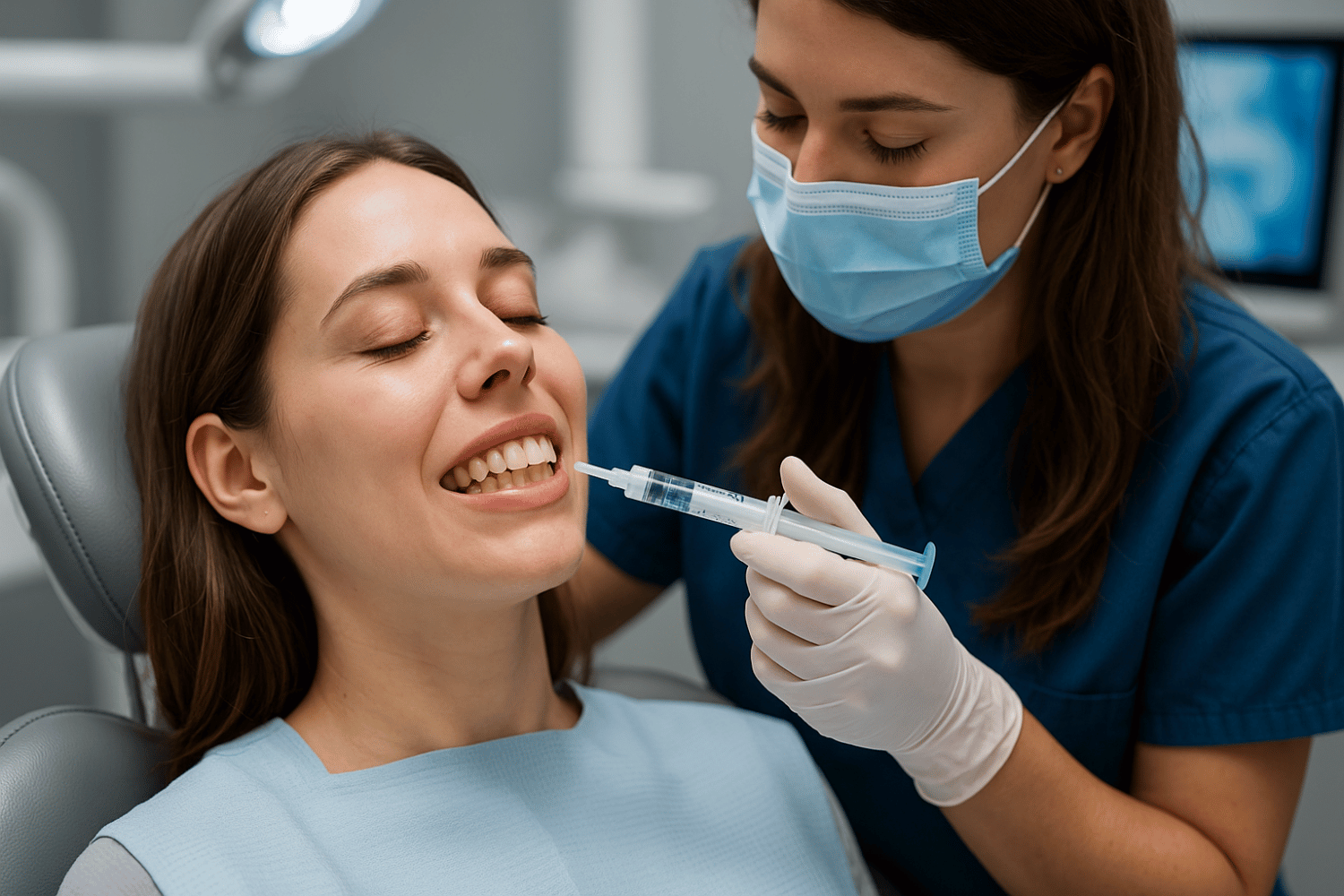
For severe intrinsic staining that doesn’t respond well to traditional whitening treatments, cosmetic dentistry offers permanent solutions that can dramatically improve tooth appearance. Dental veneers represent one of the most popular options for addressing stubborn tooth discoloration while also improving tooth shape and alignment.
Dental veneers are thin shells of porcelain or composite material that are bonded to the front surface of teeth. They can mask severe yellowing, brown teeth, or other discoloration while providing a natural-looking result. Veneers are particularly effective for tetracycline staining or fluorosis that doesn’t respond to conventional whitening treatments.
Dental bonding offers a more conservative alternative to veneers for localized discoloration or minor cosmetic concerns. This procedure involves applying tooth-colored composite resin directly to the affected areas, allowing for precise color matching and natural-looking results. Bonding is typically less expensive than veneers and can often be completed in a single visit.
For teeth with severe structural damage in addition to discoloration, dental crowns may be the most appropriate solution. Crowns completely cover the damaged tooth while restoring both function and appearance. Modern dental materials allow for extremely natural-looking results that blend seamlessly with your surrounding teeth.
The choice between these cosmetic dentistry options depends on factors like the extent of discoloration, tooth structure, budget, and personal preferences. Unlike whitening treatments, these solutions provide permanent color improvement but require modification of your natural tooth structure.
Selecting the most appropriate treatment for your yellow teeth requires careful consideration of multiple factors. The underlying cause of your tooth discoloration significantly influences which treatments will be most effective, making professional evaluation an important first step in the decision-making process.
Understanding whether your tooth discoloration is primarily extrinsic (surface stains) or intrinsic (internal discoloration) helps determine which treatments are likely to be most successful. Surface stains from foods, drinks, or tobacco typically respond well to professional cleaning and whitening treatments, while intrinsic staining may require more intensive approaches.
The severity of your yellowing teeth also influences treatment selection. Mild discoloration might be adequately addressed with professional cleaning and at-home whitening products, while more significant color changes may require professional whitening treatments or cosmetic dentistry solutions.
Age considerations play a role in treatment planning as well. Younger patients often achieve better whitening results because their enamel is typically thicker and less stained. Older adults may need more intensive treatments or might be better candidates for cosmetic dentistry options like veneers, particularly if they have other cosmetic concerns they’d like to address simultaneously.
Your lifestyle habits and commitment to maintenance also influence the best treatment choice. If you’re unwilling to give up coffee, red wine, or other staining substances, you might prefer a permanent solution like veneers rather than whitening treatments that require ongoing maintenance and lifestyle modifications.
A professional consultation provides the opportunity to receive personalized recommendations based on your individual oral health status and cosmetic goals. During this evaluation, your dental team can assess the cause and severity of your tooth discoloration, discuss your expectations, and explain which treatment options are most likely to achieve your desired results.
Important questions to ask during your consultation include the expected degree of improvement, timeline for results, maintenance requirements, and potential risks or side effects. Understanding the realistic outcomes for your specific situation helps ensure satisfaction with your chosen treatment approach.
Your dental professional can also help you understand how different treatments might affect existing dental work. Whitening treatments don’t change the color of fillings, crowns, or other dental materials, so significant color changes might require replacement of visible restorations to maintain a uniform appearance.
Treatment planning often involves a phased approach, starting with professional cleaning to remove surface stains and tartar, followed by whitening treatments or cosmetic procedures as needed. This systematic approach helps achieve the best possible results while preserving your oral health.
Achieving whiter teeth is only the first step – maintaining your results requires ongoing attention to oral hygiene and lifestyle choices. The longevity of your treatment results depends largely on how well you care for your teeth and whether you continue the habits that contributed to the original discoloration.
After professional whitening treatments, your teeth may be temporarily more porous and susceptible to staining. During the first 48-72 hours following treatment, it’s particularly important to avoid staining substances and maintain excellent oral hygiene. This critical period can significantly impact the final results and longevity of your whitening treatment.
Maintaining good oral hygiene becomes even more important after whitening treatments. Regular brushing with fluoride toothpaste, daily flossing, and routine use of mouthwash help prevent new stains from forming and maintain the health of your teeth and gums. Some people benefit from incorporating whitening toothpaste into their routine to help maintain results between professional treatments.
Professional maintenance varies depending on your chosen treatment. Whitening treatments typically benefit from touch-up sessions every 6-12 months, while cosmetic dentistry solutions like veneers require regular checkups to ensure they remain in good condition. Your dental team can provide specific guidance on maintenance schedules based on your individual treatment and risk factors.
Lifestyle modifications that helped prevent yellowing teeth in the first place become crucial for maintaining treatment results. This includes moderating consumption of staining foods and beverages, using straws when appropriate, rinsing your mouth after consuming staining substances, and avoiding tobacco products.
The key to long-term success is finding a sustainable balance between enjoying your favorite foods and drinks while protecting your investment in a brighter smile. Most people find that simple modifications to their habits, rather than complete elimination of staining substances, provide adequate protection while allowing them to maintain their quality of life.
Regular dental checkups and cleanings remain essential for maintaining both your oral health and the appearance of your teeth. Professional cleanings help remove surface stains before they become embedded, and regular examinations allow for early detection and treatment of any issues that might affect your results.
No, yellow teeth are not always indicative of poor oral hygiene or health issues. Natural tooth color varies significantly between individuals due to genetic factors, and slightly yellow teeth can be completely healthy. The natural aging process also causes teeth to appear more yellow as enamel thins and the underlying dentin becomes more visible. However, sudden changes in tooth color, severe discoloration, or yellowing accompanied by pain or sensitivity should be evaluated by a dental professional to rule out underlying problems.
Professional teeth whitening results typically last 1-3 years, depending on individual factors such as diet, lifestyle habits, and oral hygiene practices. People who frequently consume staining substances like coffee, tea, red wine, or tobacco products may notice results fading sooner, possibly requiring touch-ups every 6-12 months. Those who maintain excellent oral hygiene and limit staining foods and beverages can often maintain their results for 2-3 years before needing significant touch-up treatments.
While professional whitening treatments can significantly improve tooth color, there are limitations to how white teeth can become. The degree of whitening possible depends on the cause and severity of discoloration, natural tooth structure, and individual response to treatment. Surface stains typically respond very well to whitening, while intrinsic staining (such as from tetracycline or fluorosis) may require more intensive treatment or cosmetic dentistry alternatives like veneers. Your dental professional can provide realistic expectations based on your specific situation.
Using multiple whitening products simultaneously is not recommended and can be dangerous. Combining different whitening agents can lead to excessive enamel exposure to peroxides, potentially causing severe tooth sensitivity, enamel damage, or chemical burns to soft tissues. The concentration and duration of whitening agent exposure should be carefully controlled, which is why it’s important to follow product instructions exactly or work with a dental professional who can safely customize treatment intensity based on your individual needs.
Tooth sensitivity during or after whitening treatments is common and usually temporary. If you experience sensitivity, reduce the frequency of treatment applications or take a break from whitening for a few days. Using desensitizing toothpaste containing potassium nitrate or fluoride can help reduce discomfort. For professional treatments, your dental team can adjust the concentration or duration of application to minimize sensitivity. If sensitivity persists beyond a few days or becomes severe, contact your dental professional, as this may indicate that the treatment needs to be modified or that there’s an underlying dental issue requiring attention.






Discover Our Dental Services

Offers professional treatments for a brighter smile, addressing discoloration caused by various factors including food, drinks, and smoking.

Embrace a confident smile with our comprehensive restorative dentistry. Fillings, implants, and more to ensure a radiant, healthy grin for every age.

Maintain your smile’s health with Omaha Dentists‘ preventive care services, including routine checkups, cleanings, and screenings to prevent dental issues before they start.
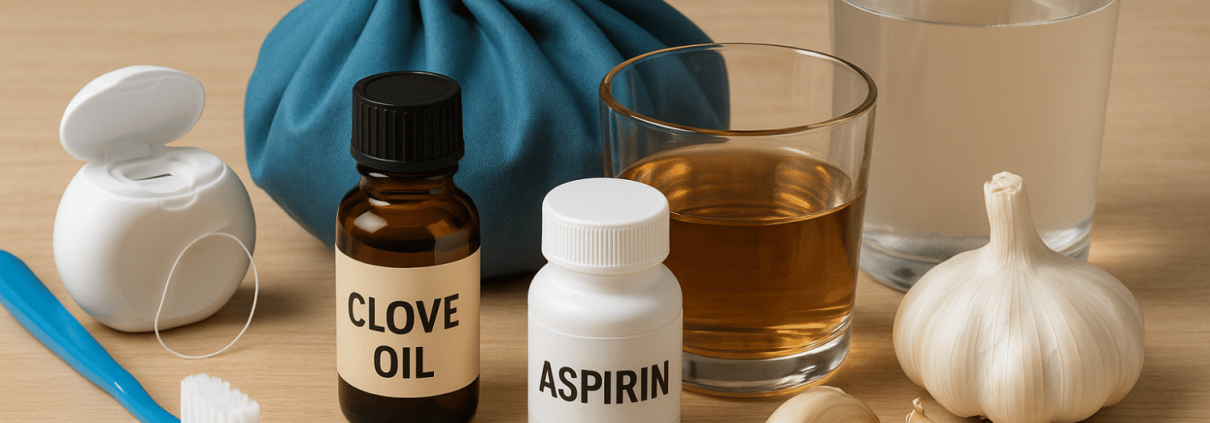
When severe pain strikes your tooth at 2 AM, the internet becomes a tempting source of quick fixes. Unfortunately, many of the most popular toothache remedies circulating online can actually make your dental pain worse, cause permanent damage to your gums and teeth, or delay the professional care you desperately need.
As experienced dentists in Omaha, we’ve seen countless patients arrive at our emergency appointments with complications from dangerous home remedies. The myths surrounding toothache relief are not just ineffective—they’re often harmful. Understanding what really works versus what causes more harm can mean the difference between quick relief and a dental emergency.

Dental myths spread rapidly through social media, family traditions, and well-meaning but misguided advice. These common dental myths persist because they often provide temporary relief, creating the illusion that they’re working while the underlying issue continues to worsen.
The reality is that tooth pain occurs when the nerve inside your tooth becomes inflamed or infected, often due to tooth decay, trauma, or gum disease. This affected tooth requires professional treatment to address the root cause—no home remedy can penetrate deep enough to eliminate the infection or repair the damage causing your discomfort.
When patients delay seeking professional care by relying on dangerous remedies, we frequently see complications like abscessed tooth formation, nerve damage, and even serious health issues from spreading infections. The American Dental Association consistently warns against these popular but harmful approaches to dental pain management.
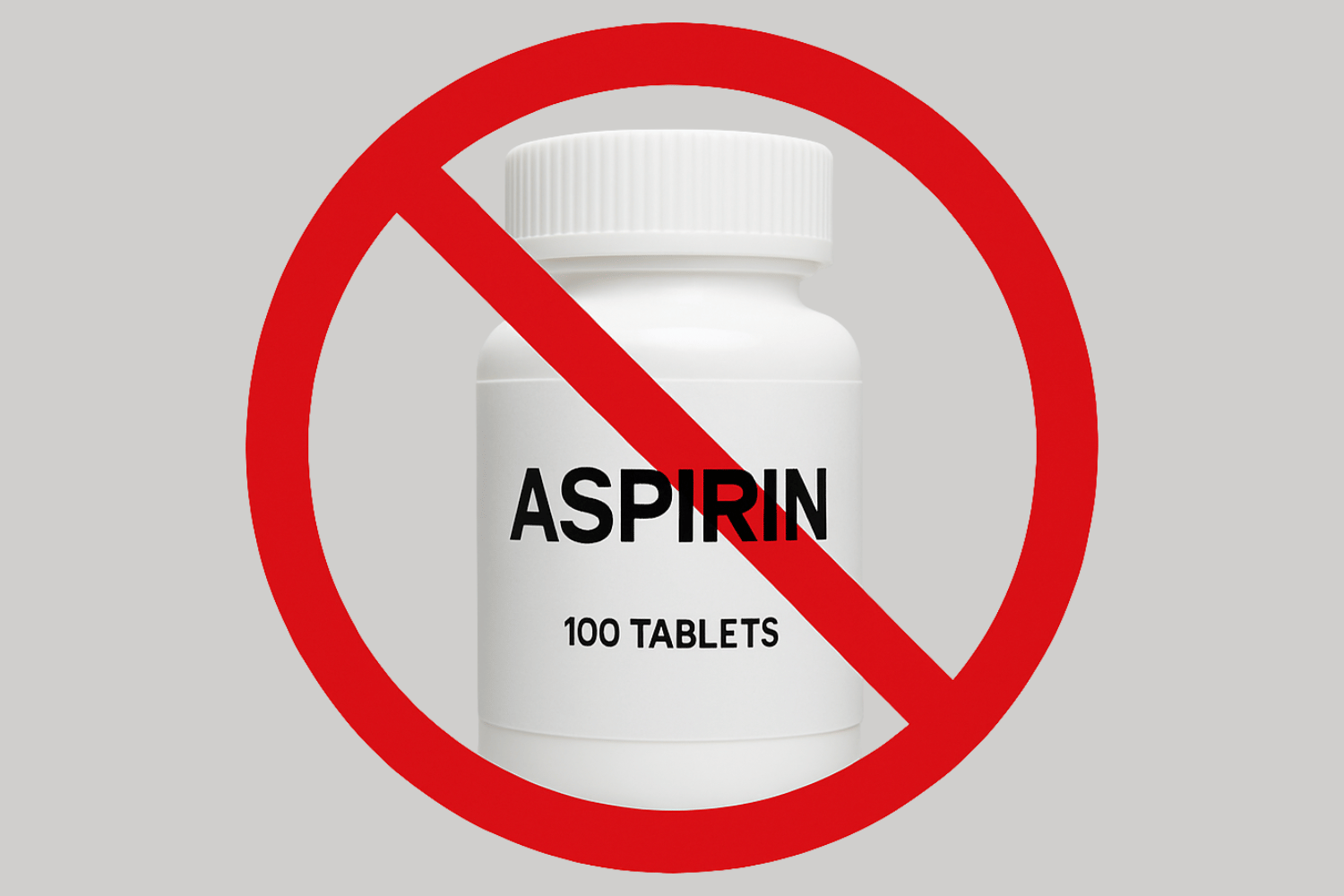
One of the most common dental myths involves putting aspirin directly on the affected tooth or surrounding gum tissue. This dangerous practice has been passed down through generations, but it can cause severe chemical burns and make your pain worse.
Aspirin contains acetylsalicylic acid, which works as a pain reliever when swallowed and absorbed into your bloodstream. However, when applied directly to oral tissues, this acid burns the delicate gum tissue surrounding your tooth, creating painful ulcers that can take weeks to heal. The chemical burn often causes more severe pain than the original toothache.
The American Dental Association explicitly warns against topical aspirin application. Instead of providing relief, this myth can lead to permanent damage to your soft tissue and complicate any professional treatment your dentist needs to perform.
Safer alternative: If an OTC pain reliever is appropriate for you, take it by mouth exactly as labeled for reducing inflammation. This allows the medication to work systemically while avoiding tissue damage. If you need immediate relief, combine this with other dentist-approved methods like warm salt water rinses.
Many people believe that applying ice directly to a painful tooth will provide relief similar to how a cold compress helps with injuries. However, this approach often makes dental pain significantly worse, especially if you have a sensitive tooth or exposed nerve.
Cold exposure can trigger intense pain in teeth with inflamed nerves or exposed tooth enamel. When the nerve inside your tooth is already irritated, temperature extremes—whether hot or cold—can cause excruciating pain that lasts long after the stimulus is removed.
The confusion often arises because ice can help with external facial swelling from dental infections. However, applying ice directly to teeth or gums can cause additional nerve damage and increase sensitivity, making your toothache relief efforts counterproductive.
Proper technique: Use a cold compress on the outside of your cheek for 15-20 minutes at a time to reduce external swelling. Never apply ice directly to teeth or gums. This external application can help with inflammation while avoiding the nerve irritation that makes internal tooth pain worse.
The belief that alcohol can kill bacteria causing dental infections is widespread but completely false. While alcohol does have antibacterial properties, it cannot penetrate deep enough into tooth structures to reach the bacteria causing your infection.
Alcohol actually makes oral health problems worse by drying out your mouth and irritating already inflamed gum tissue. The temporary numbing effect people experience is superficial and brief, while the underlying infection continues to spread. This false sense of relief often leads to dangerous delays in seeking professional care.
Furthermore, using alcohol as a mouth rinse can interfere with your body’s natural healing processes and may interact dangerously with pain medications you might be taking for tooth pain relief.
What actually works: If you have signs of a dental infection—such as facial swelling, fever, or persistent throbbing pain—you need immediate professional dental care. Antibiotics prescribed by your dentist, combined with appropriate treatment to remove the infection source, are the only effective approaches for dental infections.

Clove oil is one of the few natural remedies with legitimate pain-relieving properties, thanks to its active ingredient eugenol. However, the myth that it can permanently solve dental problems has led many patients to delay necessary professional care.
While clove oil can provide temporary relief by numbing nerve endings, overuse can actually damage your gum tissue and tooth enamel. The concentrated eugenol can cause chemical burns similar to those from topical aspirin, especially when applied repeatedly or in large amounts.
Professional dental offices actually use eugenol in controlled formulations for certain procedures, but the over-the-counter versions available to consumers are much less refined and can cause tissue irritation when used improperly.
Safe usage: Apply a tiny amount of clove oil to a cotton swab and dab gently on the affected area—never pour it directly onto your tooth. Use sparingly and only as a bridge to professional care, not as a long-term solution. If you experience any burning or increased pain, discontinue use immediately.
The antibacterial properties of garlic and onion have led to the persistent myth that they can cure dental infections. While these foods do contain compounds with antimicrobial effects, they cannot penetrate deep enough into tooth structures to eliminate the bacteria causing serious infections.
Raw garlic applied directly to teeth or gums can cause chemical burns similar to those from aspirin. The allicin in garlic is particularly harsh on delicate oral tissues, often creating additional pain and inflammation on top of your existing toothache.
The belief in this myth often stems from the temporary relief some people experience from the strong flavors masking their pain sensation. However, this masking effect prevents proper assessment of the underlying issue while allowing dangerous infections to progress unchecked.
Professional reality: Dental infections require mechanical removal of infected tissue and proper disinfection that only professional dental care can provide. While maintaining good oral hygiene with proper nutrition supports healing, no food can substitute for professional treatment of infected teeth.
Perhaps the most dangerous dental myth is believing that when tooth pain suddenly disappears, the underlying problem has resolved itself. In reality, sudden pain relief often indicates that the nerve inside your tooth has died—a serious condition requiring immediate professional attention.
When the nerve in your tooth dies, you lose the ability to feel pain from that tooth, but the infection often continues to spread into the surrounding bone and soft tissue. This can lead to abscessed tooth formation, facial swelling, and potentially life-threatening infections if left untreated.
Many patients arrive at our Omaha dental office weeks or months after their “pain went away,” only to discover they need extensive treatment for advanced infections that could have been prevented with prompt care when the pain first began.
Warning signs: If your severe tooth pain suddenly stops, especially if accompanied by a bad taste in your mouth, facial swelling, or fever, seek emergency dental care immediately. These symptoms often indicate nerve death and potential abscess formation.
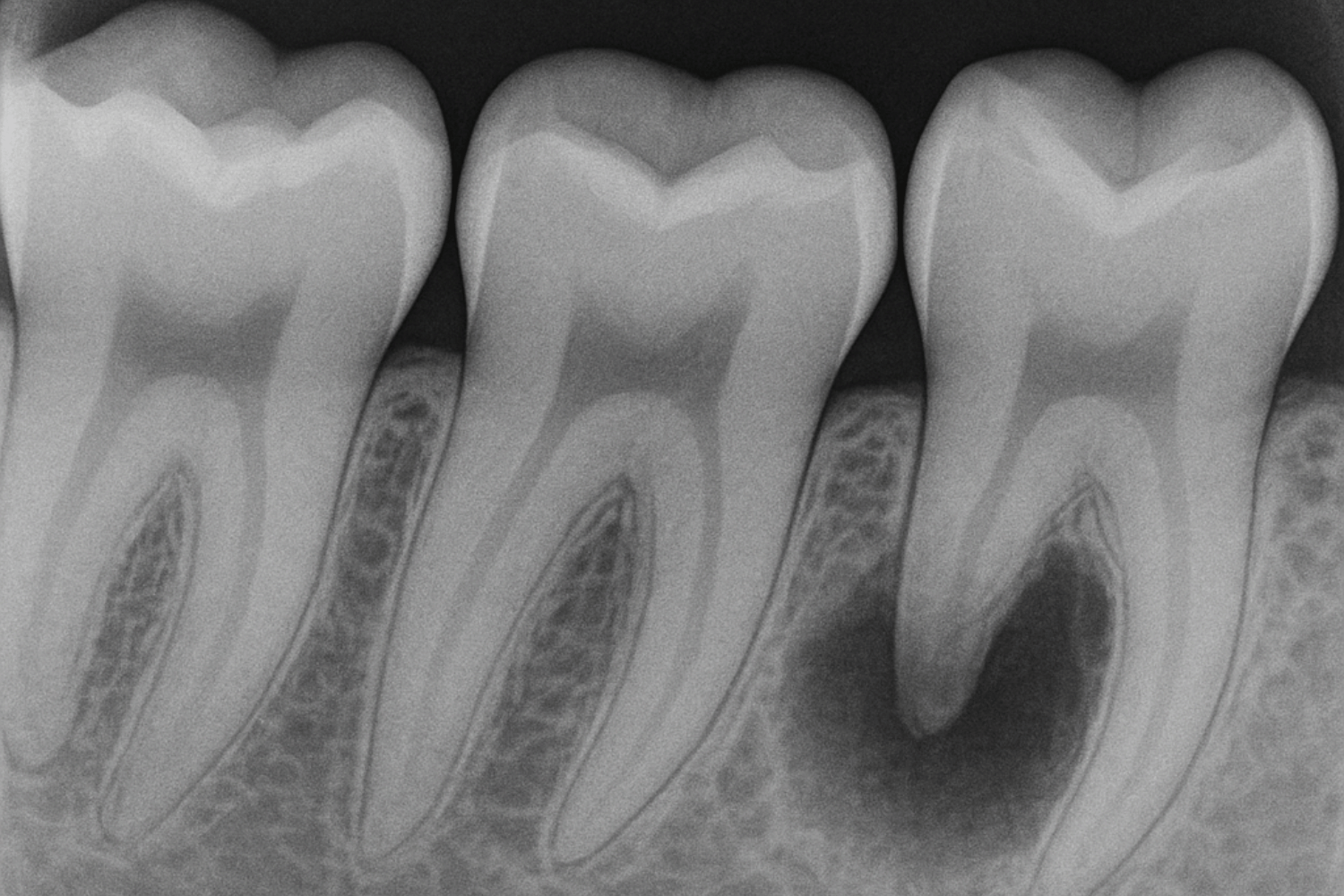
While home remedies cannot cure dental problems, there are safe, dentist-approved methods to manage pain until you can receive professional care. These approaches focus on reducing inflammation and providing temporary relief without causing additional harm.
Over-the-counter pain medications: Ibuprofen is often the most effective choice for dental pain because it reduces inflammation in addition to providing pain relief. Take as directed on the package, and you can safely combine it with acetaminophen for enhanced relief. Never exceed recommended dosages or apply these medications directly to your teeth or gums.
Warm salt water rinses: Mix half a teaspoon of salt in a cup of warm water and gently swish for 30 seconds before spitting out. This can help reduce bacteria and inflammation around the affected area. Repeat every few hours, but avoid vigorous swishing that might increase pain.
Soft diet modifications: Stick to soft foods that don’t require extensive chewing, and avoid extremely hot or cold items that might trigger pain in a sensitive tooth. Chew on the opposite side of your mouth when possible to reduce pressure on the affected tooth.
Proper sleep positioning: Elevate your head with an extra pillow to reduce blood flow to the affected area, which can help minimize throbbing pain that often worsens when lying flat.
Certain symptoms indicate that your dental pain has progressed beyond what temporary relief measures can safely manage. Recognizing these red flags can prevent serious health complications and potentially save your life.
Facial swelling extending beyond the immediate tooth area, especially if it affects your ability to swallow or open your mouth fully, requires immediate emergency care. This can indicate a rapidly spreading infection that threatens your airway.
Fever and systemic symptoms accompanying tooth pain suggest the infection has entered your bloodstream. This is a medical emergency requiring immediate professional intervention, not home treatment attempts.
Difficulty swallowing or breathing in conjunction with dental pain indicates a severe infection that has spread to critical areas. Call emergency services immediately—this is not a time for home remedies.
Persistent bleeding gums or discharge with a foul taste often indicates advanced gum disease or abscess formation that requires professional drainage and treatment.
If you experience any of these symptoms, contact an emergency dentist in Omaha immediately. Many dental offices provide after-hours emergency numbers for situations that cannot wait until regular business hours.
Professional dental care offers diagnostic capabilities and treatment options that no home remedy can match. Modern dental offices use advanced imaging technology, including digital X-rays and sometimes 3D imaging, to identify the exact cause of your pain and develop an appropriate treatment plan.
Unlike temporary relief methods, professional treatment addresses the root cause of your dental pain. Whether you need a simple filling for tooth decay, root canal therapy for an infected nerve, or treatment for gum disease, only professional care can eliminate the source of your discomfort permanently.
Early intervention through professional care often prevents the need for more extensive and expensive treatments later. A tooth that could be saved with a filling today might require a root canal or extraction if the decay progresses, highlighting the importance of prompt professional attention.
Cost considerations: While professional dental care requires an upfront investment, treating problems early is significantly less expensive than dealing with complications from delayed care. Emergency treatments, extensive restorations, and tooth replacement options cost far more than preventive and early intervention treatments.
The best approach to toothache relief is preventing dental pain from occurring in the first place. Maintaining excellent oral health through proven strategies can help you avoid the discomfort and complications associated with dental problems.
Daily oral hygiene routine: Brush twice daily with fluoride toothpaste using a soft bristled toothbrush to protect your tooth enamel while effectively removing plaque. Floss daily to remove food particles and bacteria from between teeth where your toothbrush cannot reach. Stopping flossing when your gums bleed actually makes gum disease worse—gentle, consistent flossing helps heal bleeding gums over time.
Regular dental checkups: Professional cleanings and examinations every six months allow early detection of problems before they cause pain. Your dentist can identify tooth decay, gum recession, and other oral health problems in their early stages when treatment is simpler and less expensive.
Dietary modifications: Limit sugary and acidic foods that contribute to tooth decay. When you do consume these items, rinse with water afterward and wait at least 30 minutes before brushing to avoid damaging softened tooth enamel.
Protective measures: If you grind your teeth at night (teeth grinding), ask your dentist about a custom night guard to protect your adult teeth from damage. Athletes should wear appropriate mouth guards during contact sports to prevent dental trauma.
Recognize early warning signs: Sensitivity to hot or cold, occasional sharp pains, or changes in your gums’ appearance warrant professional evaluation before they progress to severe pain requiring emergency treatment.
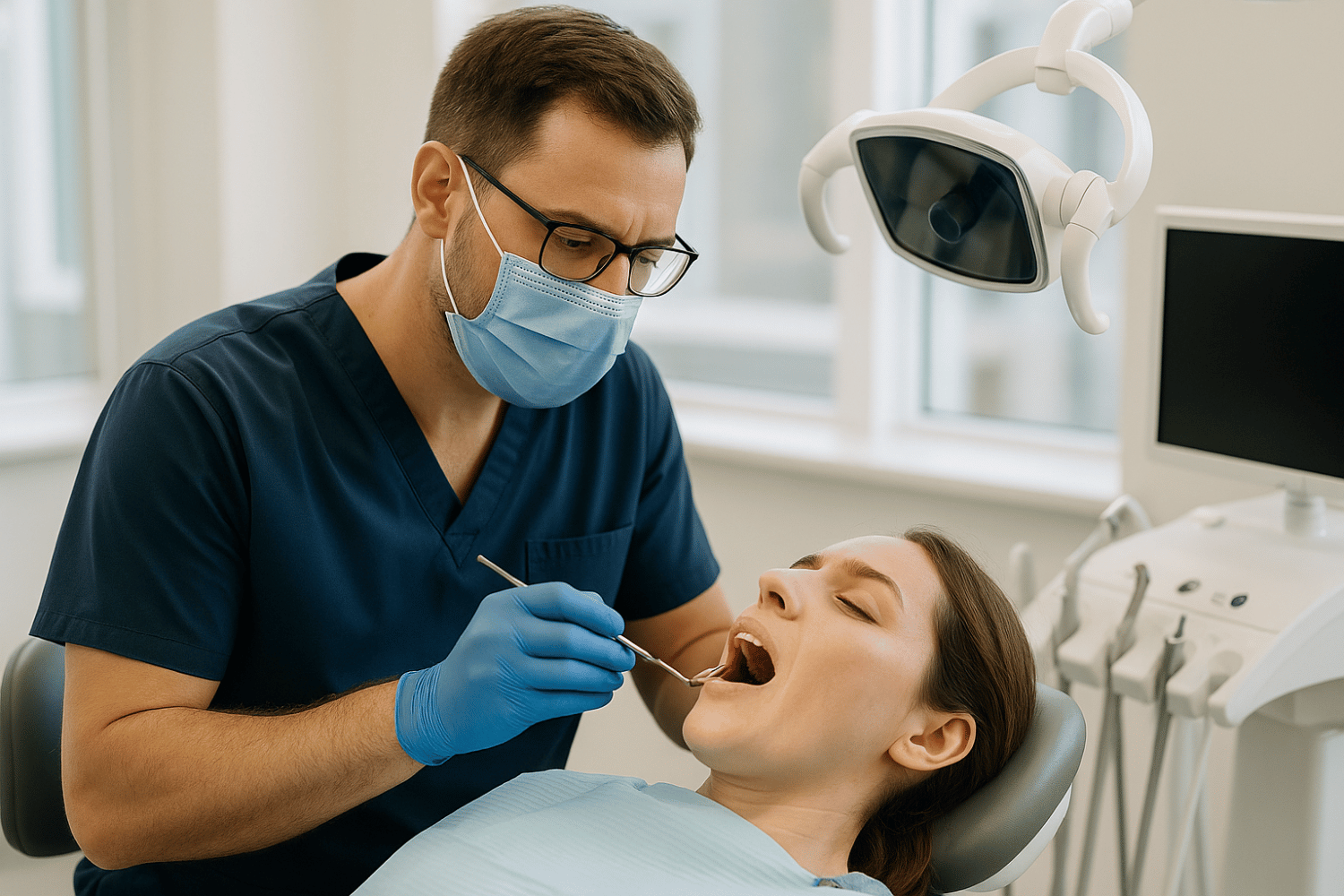
While diluted hydrogen peroxide can help with minor gum irritation, it should never be used as a primary treatment for tooth pain. Hydrogen peroxide can irritate inflamed tissues and doesn’t address the underlying causes of dental pain like infection or decay. Use only as a gentle rinse with water, and always seek professional care for persistent tooth pain.
You should consult your dentist within 24-48 hours of experiencing significant tooth pain. While mild sensitivity might be monitored for a few days, persistent or severe pain indicates a problem that will likely worsen without professional treatment. Any signs of infection (swelling, fever, bad taste) require immediate attention.
No over-the-counter pain reliever can permanently eliminate tooth pain because they don’t address the underlying issue causing the discomfort. Over-the-counter pain medications can provide temporary relief while you arrange professional care, but lasting relief requires treating the root cause through appropriate dental treatment.
Stop using any home remedies immediately and seek professional care. Worsening pain often indicates that the underlying problem is progressing or that the remedy is causing additional irritation. Contact your dentist’s emergency line or visit an urgent care dental clinic for prompt evaluation and proper care.
Intermittent tooth pain often indicates a developing problem that requires professional attention. While the pain may seem manageable when it’s not severe, fluctuating dental pain typically worsens over time and can suddenly become a dental emergency. It’s much better to address intermittent pain early rather than wait for it to become constant and severe.
Discover Our Dental Services

Immediate assistance for dental emergencies, ensuring prompt treatment to alleviate pain and prevent further complications.

Guidance on handling urgent dental issues, emphasizing the importance of quick action to save natural teeth and prevent tooth loss.

Addresses non-emergency but urgent dental concerns, offering advice and treatment options for issues causing pain or stress.

For parents and educators, the back-to-school season is often a flurry of new supplies, schedules, and goals. We focus on ensuring students have the right tools to succeed, from laptops to textbooks. But one of the most critical tools for success is one that’s often overlooked: a healthy, confident smile. At Today’s Dental, we know that oral health plays a huge, often underestimated role in a student’s self-esteem, classroom participation, and ability to focus—especially for older kids and teens navigating the social and academic pressures of school.

The teenage years are a time of intense self-awareness. Appearance becomes a central part of identity, and a person’s smile is front and center in every interaction. When a student is dealing with dental issues—such as crooked teeth, discoloration, decay, or persistent bad breath—it can create a powerful sense of embarrassment and shame. This isn’t just about vanity; it’s about feeling comfortable in one’s own skin.
A student who is ashamed of their smile may become hesitant to express themselves freely. They might cover their mouth when they laugh, avoid smiling in photos, or shy away from social situations. This hesitation can quickly spiral into social anxiety and low confidence, impacting their ability to build friendships and engage with peers. A healthy smile, however, empowers a student to face the world with confidence, knowing their first impression is a positive one.

That same self-consciousness can have a profound impact on academic performance. Imagine being asked to read a passage aloud or present a project in front of the class. For a student worried about how their teeth look or if their breath is noticeable, these routine activities can feel incredibly risky. The fear of judgment can lead them to avoid participating altogether. They may not raise their hand to answer questions, even when they know the answer, or they may mumble through presentations.
This reluctance affects more than just participation grades. It impacts how they are perceived by teachers and classmates and can limit their engagement with the learning process. In some cases, untreated dental problems like misaligned teeth can cause speech difficulties, further discouraging a student from speaking up and sharing their ideas.

Beyond the social and emotional impact, poor oral health can be a direct physical barrier to learning. A persistent toothache isn’t just a minor inconvenience; it’s a chronic, draining distraction. The constant, nagging pain from a cavity, an infection, or jaw discomfort can make it nearly impossible for a student to concentrate on a math problem, absorb a history lesson, or complete their homework.
Furthermore, dental pain often disrupts sleep, leaving a student tired and unfocused the next day. It can also lead to missed school days for emergency dental appointments, causing them to fall behind academically. By addressing dental issues proactively, we can eliminate this source of pain and distraction, allowing students to dedicate their full attention to their education.
Investing in your child’s oral health is an investment in their future. Regular check-ups, cleanings, and addressing issues like alignment or decay are essential steps. At Today’s Dental, we partner with families to build the foundation for a lifetime of healthy smiles, ensuring that every student can walk into the classroom with the confidence and focus they need to thrive.
Discover Our Dental Services

Foster a lifetime of healthy smiles for your children with comprehensive dental care that emphasizes regular check-ups and creating a stress-free dental experience.

Emphasizes the importance of regular dental checkups to prevent cavities and other dental issues, vital for a child’s eating, speaking, playing, and learning abilities.

Creating a positive, stress-free dental visit with private rooms and special touches to ensure a comforting experience for children of all ages.

Thinning tooth enamel is a common problem that can cause sensitivity, discoloration, and decay. It’s important to understand what leads to enamel thinning, how to recognize it, and what steps you can take to prevent further damage. This article covers everything you need to know about thinning tooth enamel.

Tooth enamel is the outer layer of your teeth, acting as a shield against daily wear and tear. Composed primarily of calcium and phosphorus, it is stronger and denser than bone, making it the hardest substance in the human body. This incredible hardness allows enamel to protect your teeth from chipping and insulate the nerves from extreme temperatures, whether you’re enjoying a hot cup of coffee or a cold ice cream. Additionally, thin enamel can make your teeth more susceptible to damage.
However, despite its strength, enamel is not invincible. Acids, bacteria, and plaque can damage your enamel over time, causing it to wear away and compromising its protective role. Enamel erosion can lead to increased sensitivity, discoloration, and even structural damage to your teeth.
Recognizing the nature and function of enamel underscores the importance of good oral hygiene and preventive measures to prevent loss of enamel and protect this essential part of the edges on your teeth.

Several factors contribute to the thinning of tooth enamel, ranging from dietary habits to medical conditions and lifestyle choices. Knowing these causes helps in preventing enamel erosion and maintaining optimal oral health. Acidic foods and beverages, conditions like acid reflux, and habits such as teeth grinding are some of the primary culprits behind thin enamel erosion.
Let’s explore these causes in more detail to better understand how they impact your enamel and what you can do to mitigate their effects. Identifying these factors allows you to make informed decisions to prevent further damage and preserve your tooth enamel.
Acidic foods and beverages are a major cause of enamel erosion. Items such as:
Regular consumption of these acidic items can have a cumulative effect, gradually wearing away the enamel and exposing the underlying dentin. Limiting the intake of acidic foods and beverages and following good oral hygiene practices while eating can help protect your enamel.
Medical conditions such as acid reflux, heartburn, and GERD expose teeth to harmful stomach acids, significantly increasing the risk of enamel erosion. These conditions cause stomach acids to flow back into the mouth, where they can erode the enamel over time. Unfortunately, acid erosion can develop without noticeable symptoms, often progressing without individuals realizing it.
Recognizing the connection between acid reflux and dental health is key to maintaining enamel integrity. If you suffer from acid reflux or related conditions, it’s important to seek medical advice and take steps to protect your teeth from acid exposure.
Teeth grinding, also known as bruxism, is another significant cause of enamel erosion and tooth erosion. Bruxism can occur during the day or, more commonly, at night while you sleep. The constant grinding and clenching of teeth create friction that wears down the enamel, making your teeth more susceptible to tooth enamel erosion and other dental issues.
If you suspect teeth grinding, consult your dentist for an evaluation. They can recommend appropriate treatments, such as custom nightguards, to protect your teeth from further damage and preserve your enamel.

Recognizing the symptoms of thinning tooth enamel is vital for early intervention and prevention of further damage. Common symptoms include increased sensitivity, discoloration, and chipping or cracking of the teeth. These signs indicate that your enamel is weakening and that your teeth are becoming more vulnerable to damage.
Early identification of these symptoms allows you to address the underlying causes and seek appropriate treatments to strengthen and protect your enamel. Let’s delve into the specific symptoms to better understand their implications and how to manage them.
One of the earliest signs of enamel erosion is increased sensitivity to hot or cold foods and drinks. Enamel acts as a protective barrier for the nerves inside your teeth, and as it erodes, the nerve endings become exposed to external stimuli, causing sensitivity. You might first notice pain when consuming sweets or extremely hot or cold items.
Toothpastes designed for sensitive teeth can help manage pain and strengthen enamel. Regular use of such products can provide relief while addressing the underlying issue of enamel erosion.
As enamel thins, the underlying dentin becomes more visible, resulting in noticeable discoloration. This can make your stained teeth appear darker or yellowish, which can be aesthetically displeasing. In severe cases, color changes such as white or yellowish spots can turn brown as the enamel decays.
Discoloration is a clear sign of enamel erosion and should not be ignored. Early intervention can help prevent further damage and restore the natural appearance of your teeth.
Weakened enamel makes teeth more brittle, increasing the likelihood of chipping or cracking. If enamel decay progresses, it can lead to damage to the dentin and potentially cause infections in the pulp. Teeth may develop visible surface cracks, making them more susceptible to further damage. Tooth decay can exacerbate these issues.
Bruxism can also exacerbate these issues, as the excessive force from grinding can cause fractures in teeth that lack enamel protection. It’s essential to address these symptoms promptly to prevent more severe dental problems.

Prevention is the best approach to managing enamel erosion. Adopting good oral hygiene practices, making dietary changes, and staying hydrated can protect your enamel and maintain optimal oral health. Factors like genetics, dry mouth, and certain medications can also contribute to enamel erosion, so it’s important to be aware of these and take preventive measures where possible.
Let’s explore these preventive strategies in more detail to understand how they can help preserve your enamel and prevent enamel erosion.
Good oral hygiene is key to preventing enamel erosion. Regular brushing, flossing, and using fluoride toothpaste can help reduce the presence of acids and bacteria on your teeth and gums. Brushing with a soft toothbrush and daily flossing help mitigate early enamel erosion.
Fluoride toothpaste helps strengthen teeth by providing an extra layer of protection against enamel erosion. Brushing twice a day and waiting to brush at least 30 minutes after meals can slow the rate of tooth wear caused by various factors.
Your diet plays a crucial role in maintaining enamel health. Sugary and acidic foods and beverages can produce acids that erode enamel, so it’s important to limit their intake. Dairy products and calcium-rich foods can help neutralize acids and protect tooth enamel after consuming acidic foods.
Drinking water and chewing sugar-free gum can increase saliva production, which helps protect enamel. It is recommended to drink a lot of water throughout the day to reduce enamel erosion.
Staying properly hydrated is crucial for maintaining healthy saliva production, which plays an essential role in the oral environment. Saliva helps protect tooth enamel by neutralizing acids and providing essential minerals. Chewing sugar-free gum can stimulate saliva production, further aiding in enamel protection.
Adequate hydration and promoting saliva production create a protective barrier for your enamel, reducing erosion risk.

When enamel erosion occurs, several treatment options can help restore and protect your teeth. Fluoride treatments, dental bonding, and nightguards for bruxism are effective methods to address thinning enamel and prevent further damage. Personalized dental care plans and regular checkups are essential in managing enamel erosion.
Let’s delve into these treatment options to understand how they work and their benefits for your oral health.
Fluoride is a powerful tool in remineralizing teeth and strengthening enamel. The best way to strengthen enamel is to use prescription-grade fluoride gel, which is most effective when applied at night before bed. Regular fluoride treatments can reverse early enamel erosion and protect your teeth from further damage.
Dental bonding is a restorative option that uses resin to repair spots of damage in the enamel, effectively blending with the natural tooth surface. For severe enamel erosion, tooth bonding may be recommended to provide full coverage and protection.
Crowns restore the function and appearance of damaged teeth, offering significant protection against further erosion.
Custom nightguards prevent further damage from teeth grinding during sleep. A nightguard is a custom-fitted oral appliance worn while sleeping to protect teeth from grinding.
It is crucial to consult a dental professional to obtain a properly fitted custom nightguard for effective protection.
Routine dental visits offer several important benefits:
Everyone should have their teeth cleaned every six months to maintain optimal oral health. Remember to brush your teeth regularly for the best results.
If you notice signs of weak enamel, schedule a visit to see your dentist promptly to address the issue and prevent further damage.
In summary, understanding the importance of tooth enamel and the factors that contribute to its erosion is crucial for maintaining oral health. By recognizing the symptoms of thinning enamel and adopting preventive measures, you can protect your teeth from further damage. Regular dental checkups and appropriate treatments are essential in managing enamel erosion and preserving a healthy smile.
Remember, your enamel is your teeth’s first line of defense. Take proactive steps to protect it, and you’ll enjoy a lifetime of strong, healthy teeth.
Enamel erosion is commonly caused by the consumption of acidic foods and beverages, acid reflux, and teeth grinding. Addressing these factors is essential for maintaining strong dental health.
To prevent enamel erosion, prioritize good oral hygiene, adjust your diet to limit acidic foods, stay hydrated, and visit your dentist regularly. Taking these steps will significantly help in protecting your enamel.
Thinning enamel often presents with increased sensitivity, noticeable discoloration, and the presence of chips or cracks in the teeth. It’s important to address these symptoms promptly to prevent further dental issues.
Fluoride treatments, dental bonding, dental crowns, and custom nightguards for bruxism are effective options for addressing thinning enamel. It’s advisable to consult with a dental professional to determine the best approach for your specific situation.
Visiting the dentist for checkups every six months is advisable to enable early detection and prevention of dental problems. Regular checkups help maintain your oral health effectively.
Discover Our Dental Services
Addresses non-emergency but urgent dental concerns, offering advice and treatment options for issues causing pain or stress.
Embrace a confident smile with our comprehensive restorative dentistry. Fillings, implants, and more to ensure a radiant, healthy grin for every age.
Maintain your smile’s health with Omaha Dentists’ preventive care services, including routine checkups, cleanings, and screenings to prevent dental issues before they start.

Curious if your stress might be causing those bleeding gums? Stress and bleeding gums are connected. This article explains why and provides tips for managing both.

Stress doesn’t just affect your mind and body; it also impacts your oral health. During periods of stress, blood is diverted away from the gums towards the muscles, negatively impacting gum health. This redirection of blood flow can lead to inflammation in the gums, increasing their susceptibility to bleeding. Sustained stress can exacerbate these issues, leading to swollen and bleeding gums, and signaling a need for dental care.
The connection between stress and gum health is multifaceted. It involves hormonal changes, a weakened immune system, and various behavioral factors. Exploring these elements highlights the importance of managing stress to maintain healthy gums.
When you’re stressed, your body releases the hormone cortisol, which plays a significant role in inflammation. Elevated cortisol levels can lead to increased gum inflammation, making your gums more prone to bleeding. Additionally, stress can disrupt saliva production, resulting in dry mouth, which further heightens the risk of gum problems.
Recognizing these hormone fluctuations helps manage both stress levels and gum health effectively.
Chronic stress can take a toll on your immune system, reducing its ability to fight infections effectively. This weakened immune response makes your body more susceptible to a bacterial infection, including those that affect the gums.
Individuals under sustained stress face an increased risk of developing a severe form of gum disease and related health conditions.
Stress often leads to behaviors that negatively impact oral health, such as neglecting proper oral hygiene and grinding teeth. These behaviors can significantly exacerbate gum bleeding and increase the risk of gum disease. Poor oral hygiene habits, combined with teeth grinding, contribute to plaque and bacteria buildup, causing the gums to bleed.
Addressing these stress-related behaviors is key to maintaining healthy gums.

Early identification of stress-induced gum symptoms is crucial for effective treatment and prevention. Bleeding gums can be an indicator of various health problems, including stress, and often signal conditions like gingivitis or vitamin deficiencies. Recognizing these symptoms enables timely action to prevent gum disease progression.
Common symptoms of stress-induced gum issues include swollen gums, increased bleeding during brushing, and other signs of gum inflammation. Awareness of these symptoms and knowing when to seek professional help can prevent more severe oral health problems.
Swollen gums and increased bleeding during brushing often indicate stress-induced gum issues. These symptoms can result from various factors, including brushing too hard, trauma, or underlying conditions like gingivitis and periodontal disease. Gingivitis, characterized by inflamed gums, is a common cause of bleeding gums. Red, swollen gums that bleed easily are typical symptoms of this condition. Other health conditions such as anemia and hormonal changes can also contribute to gum bleeding.
Ignoring these symptoms can lead to more severe forms of gum disease, such as periodontitis, which exacerbates gum bleeding. Additionally, viral infections like herpes can cause gums to bleed. Identifying these warning signs is the first step in preventing advanced gum disease and maintaining oral health.
Persistent gums bleeding or severe symptoms warrant a consultation with a dentist. Continuous gum bleeding, especially with pain or swelling, requires immediate dental consultation. If the gums bleed persistently for more than 10 days, it may indicate more serious issues that require professional evaluation.
Pregnant individuals and those with underlying health conditions should also seek dental advice promptly to avoid complications.

Preventing stress-related gum problems requires proper oral hygiene, effective stress management, and nutritional support. Addressing these areas reduces the risk of gum disease and maintains overall oral health.
Let’s explore each of these preventive measures in detail.
Proper oral hygiene is crucial for preventing gum disease and related issues. Here are some tips to help minimize gum bleeding:
By following these practices, you can maintain better oral health and reduce the risk of gum disease.
Incorporating these practices into your daily oral care routine can prevent bleeding gums and promote oral health.
Meditation, exercise, and adequate sleep can significantly improve oral health. Timely intervention and adopting these practices can enhance your overall dental health, contributing to better self-confidence and quality of life.
Today’s Dental emphasizes patient education and transparency, empowering you to make informed decisions about your oral health.
A diet rich in essential vitamins strengthens gum tissue and prevents bleeding. Foods high in vitamin C, such as strawberries, tomatoes, and citrus fruits, support gum health. Additionally, incorporating leafy greens like spinach and kale boosts vitamin K intake, benefiting gum health. This vitamin helps strengthen gum tissue and prevent bleeding.
Reducing sugary foods is crucial as they promote bacterial growth, leading to gum disease and bleeding.

Promptly addressing bleeding gums reduces the risk of developing severe gum diseases. Stop bleeding gums treatment options range from professional dental care to practical home remedies and advanced medical treatments.
Knowing these options and seeking timely treatment is crucial for optimal gum health.
Regular dental check-ups are crucial as they allow dentists to examine gums for signs of disease and prevent future oral health issues. Regular dental cleanings involve the removal of plaque and tartar to prevent gum disease. Scaling and root planing are intensive deep cleaning procedures used to treat advanced gum disease. Early treatment of gum issues leads to long-lasting benefits, including improved gum health and reduced risk of tooth loss.
Prompt intervention can help maintain tooth stability and reduce the risk of tooth loss. Today’s Dental offers periodontal therapy services like scaling, root planing, and maintenance to address gum health and tooth roots. Regular dental care monitors gum health and facilitates early intervention.
Practical home remedies can be effective for minor gum issues. Using a soft bristled toothbrush can prevent further gum bleeding. Allowing your mouth to heal before resuming vigorous brushing and flossing is crucial after dental work. Additionally, using antibacterial mouthwash may help maintain oral hygiene during this time.
Gums may take 3 to 10 days to stop bleeding after resuming proper flossing. Avoid brushing near any open sores in your mouth to prevent further irritation.
Advanced gum disease may require more intensive medical treatments. Advanced procedures or referral to a periodontist may be necessary for specialized care, including periodontal surgery.
Blood thinning medications, such as aspirin and warfarin, can cause gum bleeding, making it essential to discuss blood thinners with your dentist. Using tobacco heightens the risk of gum disease, so it is advisable to refrain from using it.

Timely action prevents the escalation of gum disease and associated health issues. Early stage intervention ensures better management of gum issues along the gum line and reduces severe complications.
Regular professional dental care and patient education are key for optimal gum health.
Ignoring bleeding gums can lead to serious oral and systemic health problems. Untreated gum disease is associated with various other diseases. This connection increases the risk of additional health issues. Bleeding gums can indicate a risk of heart problems, highlighting the importance of addressing these symptoms promptly. If gingivitis is not treated, it can progress to periodontal disease, leading to more severe issues and potential tooth loss. Chronic inflammation caused by untreated gum disease can contribute to other serious health conditions.
Risk factors for developing gingivitis include:
Delayed treatment of gum bleeding makes individuals more vulnerable to infections. Addressing warning signs early prevents advanced gum disease and improves overall health.
Early intervention is crucial to prevent further complications such as gum disease and tooth loss. Ignoring symptoms like gum bleeding, if left untreated, can lead to long-term damage, including chronic gum disease, bone loss, and systemic health issues. These symptoms are a warning sign of potential problems.
Regular professional dental care maintains better oral hygiene and reduces long-term treatment costs. Early intervention strategies enhance long-term gum health and quality of life.
Today’s Dental provides a comprehensive approach to managing stress-related gum issues. Utilizing advanced diagnostic tools, such as 3D X-rays, ensures precise and personalized treatment plans for each patient. By emphasizing education and transparency, Today’s Dental fosters a supportive environment focused on patient well-being.
Today’s Dental offers services designed to maintain and improve gum health. Advanced diagnostic tools like 3D X-rays help create tailored treatment plans for patients with gum problems. Personalized recommendations on brushing and flossing effectively address specific gum issues.
Regular cleanings and periodontal maintenance are part of the comprehensive care to prevent bleeding gums and promote oral health.
At Today’s Dental, individualized treatment plans are tailored to each patient’s specific needs, fostering a supportive environment. This patient-centered approach ensures that every individual receives the care they need to address their unique concerns and conditions.
Patients can schedule appointments and inquire about services through various contact methods. Focusing on patient education and transparency empowers informed decisions about dental health.
Patients can easily contact Today’s Dental for appointments and inquiries. Full contact details are available online, with a user-friendly tool for convenient scheduling at any time. In case of a dental emergency, patients may text for immediate assistance.
Patients can visit other Today’s Dental locations, which have access to their records and history, ensuring continuity of care.
Managing stress and maintaining gum health are crucial for overall well-being. Recognizing the connection between stress and bleeding gums, understanding the symptoms, and taking preventive measures are essential steps. Early intervention and appropriate treatments can prevent serious complications. Today’s Dental offers comprehensive, patient-centered care to help manage and treat gum issues effectively. Don’t wait for symptoms to worsen; take proactive steps today to ensure a healthy smile and a stress-free life.
Stress can lead to hormonal changes and weaken the immune system, resulting in gum inflammation and bleeding due to neglected oral hygiene. Prioritizing stress management and maintaining oral care is essential to prevent these issues.
Stress-induced gum issues commonly present as swollen, red, and inflamed gums, along with increased bleeding during brushing, soreness, mouth ulcers, and bad breath. Addressing stress is crucial for maintaining oral health.
Seek professional help for bleeding gums if the bleeding persists for more than 10 days or is accompanied by pain and swelling. Addressing these symptoms promptly can prevent further dental issues.
Incorporating meditation, regular exercise, sufficient sleep, and a balanced diet rich in essential vitamins can significantly enhance your stress management, ultimately benefiting your oral health. Prioritizing these strategies is key to maintaining overall wellness.
Today’s Dental can effectively address your gum issues through advanced diagnostic tools and personalized treatment plans, focusing on comprehensive care and patient education. You can trust that they emphasize transparency to ensure you receive optimal treatment.
How does stress cause bleeding gums?
Stress can lead to hormonal changes and weaken the immune system, resulting in gum inflammation and bleeding due to neglected oral hygiene. Prioritizing stress management and maintaining oral care is essential to prevent these issues.
What are common symptoms of stress-induced gum issues?
Stress-induced gum issues commonly present as swollen, red, and inflamed gums, along with increased bleeding during brushing, soreness, mouth ulcers, and bad breath. Addressing stress is crucial for maintaining oral health.
When should I seek professional help for bleeding gums?
Seek professional help for bleeding gums if the bleeding persists for more than 10 days or is accompanied by pain and swelling. Addressing these symptoms promptly can prevent further dental issues.
What are some effective stress management techniques for better oral health?
Incorporating meditation, regular exercise, sufficient sleep, and a balanced diet rich in essential vitamins can significantly enhance your stress management, ultimately benefiting your oral health. Prioritizing these strategies is key to maintaining overall wellness.
How can Today’s Dental help with my gum issues?
Today’s Dental can effectively address your gum issues through advanced diagnostic tools and personalized treatment plans, focusing on comprehensive care and patient education. You can trust that they emphasize transparency to ensure you receive optimal treatment.
Discover Our Dental Services
Maintain your smile’s health with Omaha Dentists’ preventive care services, including routine checkups, cleanings, and screenings to prevent dental issues before they start.

Specializing in gum health, Omaha Dentists offers periodontal treatments to combat gum disease, ensuring your gums stay healthy to support a strong, beautiful smile.

At Omaha Dentists, we understand dental visit anxiety and offer solutions to make your visit as comfortable as possible, ensuring a stress-free path to oral health.


Should you chew gum with braces? Chewing gum can damage your braces, but certain types and practices can make it safer. This article covers the risks, benefits, and safe ways to chew gum with braces.

Chewing gum with braces can be risky. Sticky or hard gum can damage brackets and wires, potentially lengthening your treatment and increasing costs. Gum stuck in braces can cause discomfort and soreness, leading to unnecessary pain.
Bent wires from chewing gum can misalign teeth, counteracting your orthodontic treatment. Orthodontists advise caution with gum and recommend chewing gently and in moderation to avoid excessive force on braces.
Consult your orthodontist before chewing gum to ensure it won’t interfere with your treatment. Address stuck gum promptly to avoid further damage. Follow your orthodontist’s advice on whether chewing gum is suitable for your treatment to avoid setbacks.

Selecting the right gum is crucial for those with braces to maintain oral health and avoid damage. Sugar-free options like Trident or Orbit are recommended as they promote saliva production and contain xylitol, helping prevent tooth decay. Avoid sugary gums as they can cause tooth decay, cavities, and damage to braces.
Choose sugar-free gum that won’t stick to brackets and wires. This helps maintain oral hygiene and keeps your braces intact during treatment.
Chewing sugar-free gum offers many advantages, especially for those with braces. It increases saliva production, beneficial for oral health. Saliva neutralizes acids, reducing the risk of tooth decay. Sugar-free gum helps clean the mouth and strengthen teeth, contributing to dental hygiene. Additionally, when you chew sugar free gum, it can further enhance these benefits.
Sugar-free gum also helps maintain fresh breath, a significant benefit for those with braces. It prevents tooth decay and ensures a healthier smile. Brands like Trident and Orbit are excellent sugar free gums options that promote dental health and keep breath fresh.
Despite the benefits, there are potential issues with sugar-free gum for those with braces. Even sugar-free gum can cause discomfort if it gets stuck in braces. Sticky gum can stress brackets and wires, risking damage.
Choose gum that won’t stick to braces. This prevents a sticky situation and keeps your braces intact. Opt for sugar-free varieties that are less likely to stick and cause issues.

Follow certain practices to chew gum with braces safely. Avoid sticky or hard gums as they can damage braces. Avoid gum with hard shells or fillings to prevent damage. Chewing gum can stress braces, potentially causing damage, so chew gently and in moderation.
Limit chewing time to 10-15 minutes to prevent stress on braces. Moderation is key to avoid damaging braces and maintain oral health. Break gum into small pieces and chew gently to minimize damage risk.
Timing matters when chewing gum with braces. Be mindful of when you chew. Wait a few months after getting braces before chewing gum to avoid discomfort. Once your teeth and gums adapt to the braces, you can start chewing gum again. Wait until the adjustment period is over.
Limit gum chewing to 10-15 minutes to minimize risks and prevent it from getting stuck. Consult your orthodontist if you’re unsure about chewing gum with braces.
Choose sugar-free options and chew sparingly to keep your wear braces intact.
Good oral hygiene after chewing gum prevents plaque buildup around braces. Clean and floss around wires and brackets after chewing gum to ensure cleanliness. Use dental floss, especially with a floss threader or superfloss, to remove gum residue.
An orthodontic toothbrush, water pick, and floss threader are recommended for effective cleaning around braces. Chewing gum stimulates saliva, neutralizing acids and washing away food particles. Drinking water after chewing gum cleanses the mouth and maintains hydration for fresher breath.
Mouthwash can effectively kill bacteria and maintain oral hygiene for those with braces. Saltwater rinses soothe the mouth and reduce inflammation around braces after chewing gum. These practices ensure your braces and teeth remain clean and healthy.

With braces, it’s necessary to find effective alternatives to chewing gum for freshening breath. Braces-friendly breath fresheners include sugar-free mints and oral rinses. These alternatives maintain fresh breath without risking damage to braces.
Sugar-free mints are a great substitute for chewing gum. Lozenges offer a similar benefit. Crunchy fruits and vegetables like apples and carrots are safe alternatives for chewing. These options keep breath fresh and the mouth healthy.
Sugar-free mints are recommended for braces as they don’t stick to dental appliances and help freshen breath. These mints help maintain oral hygiene and prevent cavities. Lozenges are also sugar-free options to keep breath fresh and protect teeth.
Choosing sugar-free mints and lozenges supports dental health with braces. Brands like Dentyne Ice are excellent sugar-free choices for keeping breath fresh without compromising braces.
Oral rinses help remove food particles around braces. They also eliminate bacteria in the mouth. They effectively maintain oral hygiene, especially with braces. Mouthwash or saltwater rinses keep breath fresh and the mouth clean.
Oral rinses stimulate saliva production, neutralizing acids and washing away food particles. This keeps braces and teeth free of debris and bacteria, contributing to oral health and strengthens tooth enamel.

If gum gets stuck in your braces, stay calm and gently try to remove it with your fingers. Dental tools like a floss threader can help dislodge gum from hard-to-reach areas in braces. After removing the gum, rinse your mouth with water or mouthwash to ensure cleanliness.
If you can’t remove the gum or notice damage, contact your orthodontist promptly for assistance. Promptly addressing the issue can prevent further damage and keep your treatment on track.
At Today’s Dental, we prioritize your treatment and recommend consulting your orthodontist before chewing gum to ensure it’s safe for your treatment plan. Chewing gum can potentially damage braces and extend treatment time. If permitted by your orthodontist, stick to sugar-free gum and chew gently.
Meticulous cleaning around brackets and wires after chewing gum prevents plaque buildup and helps maintain good oral hygiene. Use floss threaders or water picks.
If chewing gum seems risky or cumbersome, chewing sugarless gum, sugarless gum, sugar-free mints, or rinses are excellent braces-friendly alternatives to freshen breath safely.
In summary, chewing gum with braces comes with certain risks and challenges. It’s important to choose the right type of gum, follow safe chewing practices, and maintain good oral hygiene. Consulting your orthodontist before chewing gum is crucial to ensure it won’t interfere with your treatment.
By considering alternatives like sugar-free mints and oral rinses, you can keep your breath fresh and your mouth healthy without risking damage to your braces. Always prioritize your oral health and follow your orthodontist’s recommendations for the best results.
Is it safe to chew gum with braces?
It’s best to avoid chewing gum with braces since it can damage your brackets and wires. Always check with your orthodontist before making any decisions about it!
What type of gum is recommended for people with braces?
If you have braces, sugar-free gum like Trident or Orbit is your best bet since it helps prevent tooth decay and won’t stick to your braces. Go ahead and enjoy that fresh flavor!
How long should I chew gum if I have braces?
You should chew gum for no more than 10-15 minutes to avoid putting too much stress on your braces and to keep risks at bay.
What should I do if gum gets stuck in my braces?
If gum gets stuck in your braces, try to gently remove it with your fingers or a floss threader. If that doesn’t work or you’re worried about damage, it’s best to reach out to your orthodontist for help.
Are there alternatives to chewing gum for freshening breath?
Absolutely, sugar-free mints and oral rinses are great options to freshen your breath without harming your teeth. They can keep your mouth feeling clean and fresh!
Discover Our Dental Services

Enhance your smile with a range of treatments designed to improve the appearance and alignment of your teeth, boosting your confidence.

An alternative to traditional braces, offering a discreet way to straighten teeth with clear, removable trays.
Embrace a confident smile with our comprehensive restorative dentistry. Fillings, implants, and more to ensure a radiant, healthy grin for every age.

Why is flossing essential? It removes plaque that toothbrushes can’t reach, preventing tooth decay and gum disease. In this article, you’ll discover key flossing facts, different types of floss, proper flossing techniques, and the benefits for your health.

Flossing is more than just an optional add-on to your tooth brushing routine; it is one of the most powerful weapons against plaque. The American Dental Association advises daily flossing to ensure that floss removes plaque, as it helps to remove food particles and plaque that brushing alone can’t reach. Plaque, that sticky film of bacteria, can lead to tooth decay and gum disease if not properly managed.
When plaque accumulates along the gum line, it can result in gum disease, which starts as gingivitis and can progress to more severe conditions such as periodontitis. Symptoms of gum disease include swollen gums, persistent bad breath, and even loose teeth. Moreover, poor oral hygiene has been linked to systemic health problems like heart disease and dementia. Flossing helps prevent these serious health issues by removing plaque.
Neglecting to floss allows plaque to harden into tartar, a substance that can only be removed by a dental professional. This hardened plaque irritates the gums, leading to inflammation and increasing the risk of gum disease. In essence, daily flossing is a simple yet effective way to maintain both oral and overall health.

Choosing the right dental floss can make a significant difference in your oral hygiene routine. There are several types of dental floss, each suited for different needs. Waxed floss, with its light coating, is less likely to break and is easier to slide between tight teeth, though it can be more challenging to maneuver in narrow spaces. Unwaxed floss, made of thin nylon strands twisted together, is suitable for tight spaces but can be prone to breaking.
Dental tape is broader than standard floss and can be more comfortable and effective for those with larger gaps between their teeth. It is available in both waxed and unwaxed forms. Another option is PTFE floss, which is a dental floss made from polytetrafluoroethylene, a synthetic material, known for its smooth, easy glide and resistance to shredding. Flavored and unflavored options cater to personal preferences, making the flossing experience more pleasant.
Individual needs and preferences play a crucial role in selecting the right type of floss. Whether you choose waxed, unwaxed, dental tape, or PTFE floss, the key is to start flossing regularly and find the type that best suits your dental needs.
Flossing properly is crucial to avoid injury and ensure effective cleaning. First, use approximately 18 inches of floss, wrapping most of it around one of your fingers and the rest around the opposite finger to take up the used floss. Holding the floss tightly between your fingers, gently guide it between your teeth using a gentle rubbing motion to avoid snapping it into your gums.
Once the floss reaches the gum line, curve it into a ‘C’ shape around one tooth and slide it gently into the space between the gum and the tooth. This technique helps remove plaque from under the gum line without causing damage. Repeat this process for each tooth, using a clean section of floss each time to avoid transferring plaque.
Following these steps effectively removes plaque and maintains healthy teeth and gums. Remember, the goal is to floss lightly yet thoroughly, ensuring every tooth is cleaned properly without causing harm to the delicate gum tissue.

There are two common methods of flossing: the spool method and the loop method, each catering to different needs and dexterity levels. The spool method involves using an 18-inch piece of floss wound around your fingers. This method requires good manual dexterity and allows for precise control as you maneuver the floss between teeth. The key is to form a ‘C’ shape around each tooth and go below the gum line.
The loop method, on the other hand, is ideal for those with limited dexterity or conditions like arthritis. In this method, the floss is tied into a circle, and the fingers within the loop guide it between the teeth. This method is particularly beneficial for children or adults with less nimble hands.
Choosing the right flossing method depends on your manual dexterity and personal preference. Both methods, when done correctly, are effective in removing plaque and maintaining oral health.

Floss holders and threaders are excellent tools for individuals with limited dexterity or those new to flossing. A floss holder provides a comfortable grip, making it easier for people with limited hand strength to maneuver the floss between their teeth. Beginners and caretakers also find floss holders beneficial.
Floss threaders are particularly useful for people with orthodontic devices or tight dental work. They help guide the floss under braces and between tightly spaced teeth, ensuring thorough cleaning where traditional flossing might be difficult. These tools make flossing accessible and effective for everyone, regardless of their dental situation.
Incorporating floss holders and threaders into your oral hygiene routine ensures that your teeth and gums are properly cleaned, even in hard-to-reach areas. Dental floss cleans effectively in these situations, and using flossing flosses can enhance your cleaning routine, especially on the surface of your teeth.

Failing to floss can have serious consequences for your oral health. Plaque build-up that is not removed through flossing can lead to gum disease and cavities between teeth. Untreated gingivitis, a mild form of gum disease, can progress to more severe conditions like periodontal disease, which may result in tooth loss.
Moreover, neglecting to floss increases the risk of systemic health issues. Harmful bacteria from dental plaque can enter the bloodstream, contributing to heart disease and other serious health complications. Not flossing also leads to persistent bad breath and bleeding gums, further impacting your quality of life.
Incorporating flossing into your daily oral hygiene routine is crucial to prevent these adverse effects. Consistent flossing removes plaque and food particles, promoting healthier teeth and gums.

Several complementary tools can enhance your oral hygiene routine in addition to traditional dental floss. Dental flossers, toothpicks, and interdental brushes are excellent for removing plaque and food particles from between teeth. These tools can be particularly useful for individuals with braces or other orthodontic devices.
Waterpiks, or oral irrigators, are another effective tool, especially for those with gum disease or braces. While waterpiks are great for flushing out debris and reducing bacteria, they should not replace flossing or tooth brushing.
Using these tools correctly and as part of a comprehensive dental hygiene routine is crucial for optimal oral health. Incorporating these complementary tools into your daily routine ensures that you maintain the best possible oral health, keeping your teeth and gums clean and healthy, as recommended by dental professionals, and polishes tooth surfaces to enhance overall tooth surfaces.

To make the most of your flossing efforts, follow these practical tips. Use approximately 18 inches of floss, wrapping most of it around one of your fingers while the other finger takes up the used floss. This allows for better handling and effective cleaning between teeth.
As the floss reaches the gum line, shape it into a C around one tooth. Then, gently slide it into the gap between the gum and the tooth. Guiding the floss gently along the gum line helps prevent injury while ensuring thorough cleaning.
Following these tips ensures that your flossing is both effective and safe, contributing to better overall oral health.
Flossing is an indispensable part of dental hygiene that plays a crucial role in preventing plaque build-up, gum disease, and systemic health problems. By choosing the right type of dental floss and using proper techniques, you can significantly improve your oral health.
Incorporating complementary tools and adhering to effective flossing tips ensures that your teeth and gums remain healthy and clean. Remember, consistent flossing is the key to a brighter smile and better health. Start today and make flossing a non-negotiable part of your daily routine.
How often should I floss?
You should floss at least once a day to effectively remove plaque and food particles that your toothbrush may miss. Consistent daily flossing is essential for maintaining optimal oral health.
What type of floss is best for tight spaces between teeth?
Unwaxed floss or PTFE floss is best for tight spaces between teeth, as they can navigate easily without breaking. Choose these options for effective cleaning in narrower areas.
Can flossing really prevent gum disease?
Flossing can effectively prevent gum disease by removing plaque along the gum line. Regular flossing is essential for maintaining optimal oral health.
Are waterpiks a good replacement for flossing?
Waterpiks are not a suitable replacement for flossing; they should be used as a complementary tool to enhance your oral hygiene routine. Flossing remains essential for effectively removing plaque and debris between teeth.
What should I do if my gums bleed when I floss?
If your gums bleed when you floss, it’s essential to continue flossing gently, as this can help improve gum health. However, consult your dentist if the bleeding continues, as it may indicate gum disease.
Discover Our Dental Services
Emphasizes the importance of regular dental checkups to prevent cavities and other dental issues, vital for a child’s eating, speaking, playing, and learning abilities.
Maintain your smile’s health with Omaha Dentists’ preventive care services, including routine checkups, cleanings, and screenings to prevent dental issues before they start.
Specializing in gum health, Omaha Dentists offers periodontal treatments to combat gum disease, ensuring your gums stay healthy to support a strong, beautiful smile.