
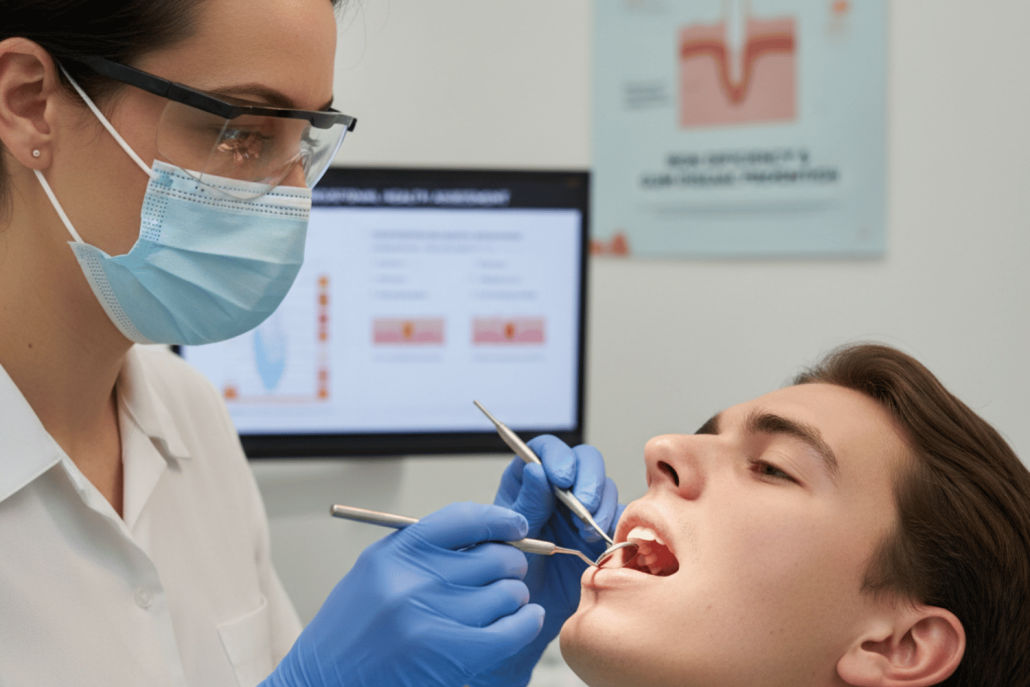
Anemia and Gums: Understanding the Connection Between Blood Health and Oral Health
Anemia and Gums: Understanding the Connection Between Blood Health and Oral
When most people think about anemia, they envision fatigue, weakness, and pale skin. However, what many don’t realize is that this common blood disorder has profound effects on oral health, particularly the gums. With iron deficiency anemia affecting over 1 billion people globally, understanding the intricate relationship between anemia and gums becomes crucial for maintaining both systemic and dental health.
The connection between blood health and oral health runs deeper than most realize. Your gums rely on healthy red blood cells to carry oxygen and essential nutrients to maintain their vitality. When anemia disrupts this delicate balance, the consequences extend far beyond feeling tired – they manifest directly in your mouth through pale gums, increased bleeding, delayed wound healing, and heightened susceptibility to periodontal diseases.
Key Takeaways
- Anemia significantly impacts gum health by reducing oxygen and nutrient delivery to oral tissues, increasing risk of gum disease and bleeding
- Iron deficiency anemia affects over 1 billion people worldwide and can cause pale, swollen gums, delayed healing, and increased susceptibility to infections
- The connection between anemia and gum disease involves reduced immune response, chronic inflammation, and impaired blood vessel function
- Proper management of anemia through iron supplementation, dietary changes, and medical treatment can significantly improve gum health outcomes
- Regular dental checkups are crucial for anemic patients due to increased risk of oral complications and slower healing processes

What is Anemia and How Does it Affect the Body?
Anemia is a blood disorder characterized by insufficient healthy red blood cells or inadequate hemoglobin levels in the blood. This condition prevents your body from receiving enough oxygen, as hemoglobin is the protein responsible for oxygen transport throughout your system. When your tissues don’t receive adequate oxygen, every organ system – including your oral cavity – suffers.
The most common types of anemia that significantly impact oral health include:
Iron Deficiency Anemia: The most prevalent form worldwide, occurring when your body lacks sufficient iron to produce healthy red blood cells. This condition affects over 1 billion people globally and is particularly common in women of childbearing age, children, and individuals with poor dietary iron intake.
Pernicious Anemia: Caused by vitamin B12 deficiency, this form of anemia occurs when your body cannot properly absorb this essential vitamin. It often presents with distinctive oral manifestations that can serve as early warning signs.
Sickle Cell Anemia: A genetic disorder where red blood cells become misshapen and cannot effectively carry oxygen. Patients with this condition face unique challenges during dental procedures due to increased bleeding risk and delayed healing.
Systemic symptoms of anemia extend throughout the body and include persistent fatigue, weakness, pale skin, cold hands and feet, brittle nails, and shortness of breath. These symptoms reflect the body’s struggle to maintain normal function with reduced oxygen-carrying capacity.
The impact on oxygen transport affects every tissue in your body, but the highly vascularized tissues of the oral cavity are particularly vulnerable. Your gums, tongue, and other mucous membranes in the mouth require constant oxygen and nutrient supply to maintain their protective barrier function and fight off bacterial infections.
Understanding Gum Disease and Periodontal Health
Gum disease, medically known as periodontal disease, represents inflammation of the gums and supporting structures that hold your teeth in place. This progressive condition begins with mild gingivitis – characterized by red, swollen gums that bleed during brushing – and can advance to severe periodontitis, which destroys the bone and connective tissue supporting your teeth.
The primary culprit behind gum disease is bacterial plaque buildup along the gum line. When oral hygiene falls short, these bacteria multiply and release toxins that trigger an inflammatory response. However, the severity and progression of periodontal disease depend heavily on your body’s ability to mount an effective immune response – an ability that becomes significantly compromised in anemic patients.
Early warning signs of gum disease include:
- Gum redness and swelling
- Bleeding during brushing or flossing
- Persistent bad breath
- Gum tenderness or pain
- Receding gum line
As the condition progresses to advanced periodontitis, symptoms become more severe:
- Deep pockets between teeth and gums
- Loose teeth or changes in bite
- Pus formation around the gum line
- Severe gum recession exposing tooth roots
The relationship between general health and periodontal health is bidirectional. While systemic conditions like anemia can worsen gum disease, chronic periodontal inflammation can also contribute to systemic health problems, creating a concerning cycle that requires comprehensive management.

The Scientific Connection Between Anemia and Gum Health
Research has established a strong correlation between anemia and increased risk of periodontal disease. Studies consistently show that anemic patients demonstrate higher rates of gum inflammation, bleeding, and more severe forms of periodontal disease compared to individuals with normal hemoglobin levels.
The scientific foundation of this connection lies in the essential role of hemoglobin in maintaining oral tissue health. Hemoglobin values directly correlate with the oxygen-carrying capacity of your blood. When these levels drop, as occurs in various forms of anemia, the gums and other oral tissues experience chronic oxygen deprivation.
Research demonstrates that patients with chronic periodontal disease often present with hemoglobin levels approximately 1 g/dL lower than healthy controls. This finding suggests that the inflammatory processes involved in gum disease may contribute to the development of anemia of chronic diseases, while pre-existing anemia makes individuals more susceptible to severe periodontal problems.
The reduced red blood cell count impacts gum tissue vitality and healing capacity in several ways:
- Decreased oxygen delivery impairs cellular metabolism
- Compromised nutrient transport affects tissue repair mechanisms
- Reduced immune cell function increases infection susceptibility
- Impaired collagen synthesis weakens gum tissue integrity
Iron Deficiency and Oral Manifestations
Iron plays an essential role in maintaining healthy oral tissues beyond its function in red blood cell production. Iron deficiency affects tooth structure, supporting bone, and the soft tissues of the mouth in multiple ways.
Common oral symptoms of iron deficiency include:
- Dry mouth (xerostomia) due to reduced saliva production
- Increased tooth sensitivity
- White spots or patches on the tongue
- Bleeding gums that are more prone to trauma
- Delayed wound healing after dental procedures
Iron deficiency impacts saliva production and its protective functions. Saliva contains antimicrobial enzymes and helps neutralize acids produced by bacteria. When iron deficiency reduces saliva flow, the oral environment becomes more hospitable to harmful bacteria, increasing the risk of both tooth decay and gum disease.
The effects extend to tooth structure itself. Iron deficiency during tooth development can result in weaker enamel and dentin, making teeth more susceptible to decay and requiring more careful management during dental treatment.
Vitamin B12 Deficiency Anemia and Gum Problems
Pernicious anemia, caused by vitamin B12 deficiency, presents with distinctive oral manifestations that often serve as early diagnostic clues. The oral cavity is particularly sensitive to B12 deficiency because of the rapid turnover of cells in the mucous membranes.
Specific oral symptoms include:
- Mouth sores and ulcerations
- Swollen, painful gums
- Angular cheilitis (painful cracks at the corners of the mouth)
- Glossitis – a smooth, red, painful tongue that appears “beefy”
- Burning sensation in the mouth
The impact on immune function is particularly pronounced with B12 deficiency. This vitamin is crucial for proper immune cell development and function. Patients with pernicious anemia show increased susceptibility to oral infections and may experience more aggressive forms of periodontal disease.
Neurological effects of B12 deficiency can also indirectly affect oral health by impairing the patient’s ability to maintain proper oral hygiene. Decreased dexterity, cognitive changes, and peripheral neuropathy can make effective brushing and flossing more challenging.
How Anemia Compromises Gum Health
The mechanism by which anemia affects gum health is multifaceted and involves several interconnected pathways. Understanding these mechanisms helps explain why anemic patients face increased risks during dental procedures and require modified treatment approaches.
Oxygen deficiency in gum tissues leads to several cascading effects. When tissues don’t receive adequate oxygen, cellular metabolism becomes less efficient. This metabolic compromise affects the gums’ ability to maintain their protective barrier function and repair minor damage from daily activities like eating and tooth brushing.
Impaired nutrient delivery compounds the problem. Beyond oxygen, red blood cells also transport essential nutrients required for tissue maintenance and repair. Iron, vitamins, and other micronutrients necessary for collagen synthesis and immune function become less available to oral tissues in anemic patients.
The impact on collagen synthesis deserves particular attention. Collagen provides structural integrity to gum tissues, and its production requires adequate oxygen, iron, and vitamin C. When anemia compromises any of these factors, gum tissues become weaker and more susceptible to mechanical trauma and bacterial invasion.
Blood vessel function within the gums also becomes compromised. Anemia affects the microcirculation, reducing the efficiency of nutrient delivery and waste removal at the cellular level. This compromise creates an environment where inflammatory processes become chronic rather than resolving normally.
Reduced Immune Response and Infection Risk
Anemia significantly weakens the immune system’s ability to fight infections, and this effect is particularly pronounced in the oral cavity. The gums serve as the first line of defense against bacterial invasion, but anemia compromises this protective function in several ways.
White blood cell function becomes impaired in anemic patients. These cells are responsible for identifying and eliminating harmful bacteria, but they require adequate oxygen and nutrients to function effectively. When anemia reduces the oxygen-carrying capacity of the blood, white blood cells cannot mount as robust a response to bacterial challenges.
This compromised immune surveillance leads to increased bacterial growth in gum tissues. The oral cavity naturally harbors hundreds of bacterial species, but a healthy immune system keeps pathogenic bacteria in check. When anemia weakens this control, harmful bacteria can proliferate and establish deeper infections in the gum tissues.
Anemic patients often develop more aggressive forms of periodontal disease that progress more rapidly than in healthy individuals. The delayed response to periodontal therapy means that treatment takes longer and requires more intensive intervention to achieve the same results seen in non-anemic patients.
The increased susceptibility to opportunistic oral infections extends beyond typical gum disease. Anemic patients may develop oral candidiasis (thrush), viral infections, or unusual bacterial infections that rarely affect individuals with normal blood parameters.
Chronic Inflammation and Systemic Effects
The relationship between anemia and gum disease involves chronic inflammation as a common pathway linking both conditions. This creates a bidirectional relationship where each condition can worsen the other, requiring comprehensive management of both issues simultaneously.
Chronic periodontal disease creates a state of persistent inflammation in the mouth. This inflammation releases inflammatory markers, including C-reactive protein and various cytokines, into the bloodstream. These inflammatory mediators can interfere with iron metabolism and red blood cell production, potentially contributing to or worsening existing anemia.
Elevated inflammatory markers affect the body’s ability to utilize iron effectively. Chronic inflammation triggers the production of hepcidin, a hormone that regulates iron absorption and utilization. Increased hepcidin levels can lead to anemia of chronic diseases, even when iron stores are adequate.
The cardiovascular implications of this chronic inflammatory state cannot be overlooked. Both anemia and periodontal disease are independent risk factors for cardiovascular disease. When present together, they may compound these risks, making comprehensive management even more critical for overall health.
Treating both conditions simultaneously often yields better outcomes than addressing each separately. Studies show that successful periodontal therapy can improve hemoglobin levels in patients with anemia of chronic diseases, while treating anemia can enhance the response to periodontal treatment.

Dental Treatment Considerations for Anemic Patients
Managing anemic patients in dental settings requires careful preoperative assessment and modified treatment protocols to ensure safe outcomes. The reduced oxygen-carrying capacity and potential bleeding complications necessitate thorough preparation and close monitoring throughout the treatment process.
Preoperative assessment must include comprehensive evaluation of the patient’s current blood parameters. Essential laboratory tests include a complete blood count to assess hemoglobin levels, red blood cell count, and platelet function. The INR value may also be necessary for patients taking oral anticoagulants or those with bleeding disorders secondary to their anemia.
Special protocols become necessary for dental extractions and other surgical procedures in patients with severe anemia. When hemoglobin levels fall below 8 g/dL, elective dental procedures may need to be postponed until the anemia is better controlled. However, emergency dental treatment cannot always wait, requiring careful risk-benefit analysis and enhanced safety measures.
Local hemostatic agents play a crucial role in managing bleeding risk during dental procedures. Tranexamic acid, applied locally to extraction sites, can significantly reduce bleeding in anemic patients. This medication works by preventing the breakdown of blood clots, providing more stable hemostasis during the critical healing period.
Coordination with hematology specialists becomes essential for complex cases. Patients with severe anemia, bleeding disorders, or those requiring extensive dental work may benefit from interdisciplinary care involving both dental and medical specialists to optimize treatment outcomes and minimize risks.
Managing Bleeding Risk During Dental Procedures
A compelling case study illustrates the careful approach required for anemic patients undergoing dental procedures. An 8-year-old patient with Fanconi anemia required dental extraction, presenting unique challenges due to the bleeding risk associated with this condition.
The treatment protocol involved several key elements:
- Preoperative platelet transfusion when counts fell below 50,000/μL
- Use of absorbable oxidized cellulose as an adjunctive hemostatic measure
- Primary suturing techniques to achieve optimal local hemostasis
- Fresh frozen plasma availability for emergency bleeding control
Postoperative monitoring becomes critical for detecting delayed bleeding complications. Unlike healthy patients who typically achieve stable hemostasis within hours, anemic patients may experience bleeding episodes 24-48 hours after dental procedures. This delayed bleeding pattern requires extended monitoring periods and clear patient instructions for seeking emergency care.
Medication considerations require careful attention to avoid compounds that further compromise hemostasis. NSAIDs and aspirin should be avoided due to their antiplatelet effects. Paracetamol (acetaminophen) provides safer pain management options for anemic patients requiring analgesics after dental procedures.
Emergency protocols must be established for severe postoperative bleeding. This includes immediate availability of local hemostatic measures, communication pathways with medical colleagues, and clear criteria for when blood transfusion or other emergency interventions become necessary.
The use of general anesthesia requires additional considerations in anemic patients. The reduced oxygen-carrying capacity may necessitate higher oxygen concentrations during anesthesia and extended recovery monitoring to ensure adequate tissue oxygenation throughout the perioperative period.
Prevention and Management Strategies
Effective management of the relationship between anemia and gums requires a comprehensive approach that addresses both conditions simultaneously. The interconnected nature of these health issues means that improvement in one area often leads to benefits in the other, making coordinated care essential for optimal outcomes.
Iron supplementation forms the cornerstone of treatment for iron deficiency anemia. However, the approach to iron supplement administration requires careful consideration of factors that enhance or inhibit iron absorption. Taking iron supplements with vitamin C significantly improves bioavailability, while certain foods and medications can interfere with absorption.
Dietary modifications support both anemia treatment and gum health. Foods rich in iron include lean meats, dark leafy greens, legumes, and fortified cereals. Equally important are foods that support gum health, such as those high in vitamin C, which aids both iron absorption and collagen synthesis necessary for healthy gum tissues.
Regular monitoring becomes essential for tracking progress in both hemoglobin levels and oral health status. Patients should have hemoglobin values checked regularly while undergoing treatment, with corresponding dental evaluations to assess gum health improvements. This dual monitoring helps guide treatment adjustments and ensures optimal outcomes.
Treatment of underlying causes requires investigation beyond simple nutritional deficiency. Chronic blood loss from gastrointestinal sources, heavy menstrual periods, or other bleeding sources must be identified and addressed to prevent recurrence of anemia. Similarly, addressing systemic factors contributing to gum disease ensures lasting oral health improvements.
Oral Hygiene Recommendations for Anemic Patients
Anemic patients require modified oral hygiene approaches that account for their increased bleeding tendency and compromised healing capacity. These modifications help maintain oral health while minimizing trauma to already vulnerable gum tissues.
Gentle brushing techniques using soft-bristled toothbrushes prevent unnecessary trauma to fragile gum tissues. Electric toothbrushes with pressure sensors can help patients maintain consistent, gentle pressure while ensuring effective plaque removal. The goal is thorough cleaning without causing bleeding or tissue damage.
Antimicrobial mouth rinses provide additional protection against bacterial overgrowth in anemic patients. These rinses help reduce the bacterial load in the mouth, compensating for the compromised immune response associated with anemia. However, alcohol-containing rinses should be avoided as they can cause dry mouth and tissue irritation.
Professional dental cleanings require more frequent scheduling for anemic patients. While the general population benefits from cleanings every six months, anemic patients often need professional care every 3-4 months to prevent the progression of gum disease. These more frequent visits allow for early intervention before problems become severe.
Early intervention strategies focus on addressing any signs of gum inflammation or bleeding promptly. What might be minor irritation in a healthy individual can progress rapidly in an anemic patient. Immediate professional evaluation of new symptoms prevents minor issues from becoming serious problems.
Coordination between dental and medical care providers ensures that both aspects of the patient’s health receive appropriate attention. Regular communication between healthcare providers helps identify changes in either condition that might affect treatment approaches or outcomes.
Long-term Health Implications and Cancer Risk
The long-term relationship between anemia and oral health extends beyond immediate gum problems to include serious complications such as increased cancer risk and complex treatment challenges. Understanding these implications helps patients and healthcare providers make informed decisions about comprehensive care approaches.
Certain types of anemia, particularly Fanconi anemia, carry significantly increased risks for oral squamous cell carcinoma. Patients with these conditions require regular oral cancer screenings as part of their routine care. The average age for cancer development in these high-risk patients may be much younger than in the general population, necessitating vigilant surveillance from an early age.
The importance of regular oral cancer screenings cannot be overstated for anemic patients. These screenings involve comprehensive examination of all oral tissues, including areas that might not be readily visible to patients. Early detection significantly improves treatment outcomes and reduces the need for extensive surgical procedures that carry higher risks in anemic patients.
Bone marrow transplantation and immunosuppressive therapy create additional oral health challenges. Patients undergoing these treatments face increased infection risks, delayed wound healing, and potential complications from dental treatment. Coordination with oncology and hematology specialists becomes essential for managing oral health during these critical periods.
Modified treatment protocols for cancer therapy recognize the unique needs of anemic patients. These modifications may include altered medication regimens, extended healing periods, and enhanced monitoring for complications. The goal is to maintain oral health while supporting overall cancer treatment objectives.
A multidisciplinary approach involving oncology, hematology, and dental specialists provides the most comprehensive care for complex cases. This team approach ensures that all aspects of the patient’s health receive appropriate consideration and that treatment decisions account for the interactions between different medical conditions and their treatments.

When to Seek Professional Help
Recognizing when professional intervention becomes necessary can prevent minor problems from developing into serious complications. Both dental and medical symptoms warrant prompt attention, particularly given the interconnected nature of anemia and gum health.
Warning signs requiring immediate dental attention include persistent gum bleeding that doesn’t respond to improved oral hygiene, severe gum swelling or pain, loose teeth, or any unusual changes in gum color or texture. For anemic patients, these symptoms may indicate rapidly progressing periodontal disease that requires aggressive intervention.
Systemic symptoms indicating worsening anemia demand immediate medical evaluation. These include extreme fatigue that interferes with daily activities, chest pain or irregular heartbeat, severe shortness of breath, or changes in mental clarity. These symptoms may indicate that anemia has progressed to a point where organ function becomes compromised.
The importance of coordinated care between dental and medical professionals cannot be emphasized enough. Changes in either oral health or blood parameters may indicate the need for adjustments in treatment approaches. Regular communication between healthcare providers ensures that all aspects of the patient’s condition receive appropriate attention.
Emergency protocols for severe bleeding after dental procedures require immediate implementation. Patients should receive clear instructions about applying pressure, when to seek emergency care, and how to contact their healthcare providers outside normal business hours. Having these protocols in place before problems occur prevents delays in appropriate treatment.
Regular follow-up schedules help monitor both conditions and adjust treatments as needed. The frequency of these visits may be higher than for healthy individuals, reflecting the need for closer supervision of both anemia management and oral health maintenance.
Professional medical advice should always be sought before making significant changes to treatment regimens or when new symptoms develop. Self-treatment approaches may be insufficient for managing the complex interactions between anemia and oral health problems.
Frequently Asked Questions
Can anemia cause my gums to turn pale or white, and what does this indicate about my iron levels?
Yes, pale gums are an early sign of anemia, especially iron deficiency anemia. Low iron leads to reduced hemoglobin, making gums appear pale, white, or grayish. The paler the gums, the more severe the anemia may be. However, pale gums can also signal other conditions, so a blood test is needed to confirm iron and hemoglobin levels.
How long does it take for gum health to improve after starting iron supplementation for anemia?
Gum health usually improves within 4-8 weeks of starting iron supplements, with full recovery taking 3-6 months. Improvement speed depends on anemia severity, supplement absorption, and dental care. Taking iron with vitamin C helps absorption. Continue supplements and good oral hygiene during this time.
Is it safe to have dental surgery if I have severe anemia with a hemoglobin level below 8 g/dL?
Dental surgery is often postponed if hemoglobin is below 8 g/dL due to bleeding and healing risks. In emergencies, treatment proceeds with special precautions like blood transfusions, local hemostatic agents, and close monitoring, coordinated with your medical team.
Can chronic gum disease actually cause or worsen my anemia through blood loss and inflammation?
Yes, chronic gum disease can worsen anemia through ongoing blood loss and inflammation, which affects iron metabolism and red blood cell production. This creates a cycle where anemia and gum disease worsen each other. Treating gum disease can improve anemia.
What specific oral symptoms should I watch for that might indicate my anemia is getting worse?
Look for increasingly pale gums, slow-healing mouth sores, dry mouth, a smooth red tongue, cracks at mouth corners, increased gum bleeding, and sensitivity to temperature. Worsening symptoms despite treatment require prompt medical and dental evaluation.
Restore Your Oral Wellness: Expert Insight on the Anemia–Gum Health Connection
Frequently Asked Questions (FAQ’s)
Can anemia cause my gums to turn pale or white, and what does this indicate about my iron levels?
Yes, pale gums are an early sign of anemia, especially iron deficiency anemia. Low iron leads to reduced hemoglobin, making gums appear pale, white, or grayish. The paler the gums, the more severe the anemia may be. However, pale gums can also signal other conditions, so a blood test is needed to confirm iron and hemoglobin levels.
How long does it take for gum health to improve after starting iron supplementation for anemia?
Gum health usually improves within 4-8 weeks of starting iron supplements, with full recovery taking 3-6 months. Improvement speed depends on anemia severity, supplement absorption, and dental care. Taking iron with vitamin C helps absorption. Continue supplements and good oral hygiene during this time.
Is it safe to have dental surgery if I have severe anemia with a hemoglobin level below 8 g/dL?
Dental surgery is often postponed if hemoglobin is below 8 g/dL due to bleeding and healing risks. In emergencies, treatment proceeds with special precautions like blood transfusions, local hemostatic agents, and close monitoring, coordinated with your medical team.
Can chronic gum disease actually cause or worsen my anemia through blood loss and inflammation?
Yes, chronic gum disease can worsen anemia through ongoing blood loss and inflammation, which affects iron metabolism and red blood cell production. This creates a cycle where anemia and gum disease worsen each other. Treating gum disease can improve anemia.
What specific oral symptoms should I watch for that might indicate my anemia is getting worse?
Look for increasingly pale gums, slow-healing mouth sores, dry mouth, a smooth red tongue, cracks at mouth corners, increased gum bleeding, and sensitivity to temperature. Worsening symptoms despite treatment require prompt medical and dental evaluation.

