
What Can Happen If You Don’t Fix a Broken or Cracked Tooth?
That broken tooth might seem like an inconvenience now, but what starts as a small chip or crack can escalate into a dental emergency requiring extensive treatment. Every year, approximately 15% of adults experience a broken or cracked tooth, and many delay seeking treatment due to cost concerns, fear, or simply hoping the problem will resolve itself.
Unfortunately, leaving a broken tooth untreated creates a cascade of increasingly serious problems that affect not just your oral health, but your overall health and financial wellbeing. Understanding what happens when you ignore dental damage can help you make informed decisions about seeking prompt treatment from your dentist.
Key Takeaways
- Ignoring a broken tooth can lead to severe pain, infection, and complete tooth loss within 2-6 weeks
- Bacteria enter through cracks causing dental infections that may spread to your bloodstream and cause life-threatening infections
- Treatment costs increase dramatically from $150 for a filling to over $5,000 for implants when tooth loss occurs
- Early intervention is essential to ensuring the best outcome for the tooth

Immediate Consequences of Leaving a Broken Tooth Untreated
When you have a broken tooth, the immediate symptoms often develop within hours or days. The tooth’s structure becomes compromised, and the protective tooth enamel that normally shields the inner layers can no longer do its job effectively.
Sharp pain typically occurs when biting or chewing as the ligament that holds the tooth becomes sensitive to pressure from the trauma which caused the broken tooth. You may find yourself avoiding certain foods or chewing only on one side of your mouth to avoid discomfort.
Extreme sensitivity to hot beverages like coffee or cold foods like ice cream often develops within 24-48 hours. The crack exposes the underlying tooth structure making temperature changes incredibly painful. Even breathing cold air through your mouth can trigger sharp, shooting pain.
Rough edges and jagged edges from the broken tooth can cut your tongue, cheek, or lips during eating and speaking. These sharp edges create constant irritation in your mouth, making normal activities uncomfortable and increasing your risk of developing mouth sores or ulcers.
Food particles getting trapped in tooth cracks becomes a persistent problem, causing bad breath and bacterial buildup. Unlike normal food debris that can be removed with brushing, particles stuck in cracks are difficult to clean out completely, creating an ideal environment for bacteria to multiply and cause further decay.
The difficulty eating certain foods forces you to alter your diet and chewing patterns. Hard foods like popcorn kernels, hard candy, and even crusty bread become impossible to eat comfortably, while soft foods may be the only option that doesn’t cause tooth pain.
Infection Risks and Health Complications
When tooth enamel is cracked or broken, it creates an entry point for bacteria. These bacteria can penetrate the protective barrier and reach the tooth’s underlying dentin and inner pulp more readily, where they begin multiplying rapidly in the nutrient-rich environment.
As the bacteria progresses, you could notice worsening symptoms. The tooth may initially become more sensitive, then develop a constant, throbbing pain that doesn’t respond well to over-the-counter pain medications.
A dental abscess forms when the infection overwhelms the tooth’s ability to fight back. This pus-filled pocket can develop at the tooth’s root within one to two weeks of initial bacterial invasion. Signs of abscess formation include facial swelling that extends beyond the immediate tooth area, sometimes fever, and a foul taste in your mouth from pus discharge.

Life-Threatening Systemic Infections
While rare, untreated broken teeth can lead to serious dental issues that become medical emergencies. When bacteria from a dental abscess enter your bloodstream, they can cause sepsis – a life-threatening systemic infection that requires immediate hospitalization.
Ludwig’s angina represents one of the most dangerous complications. This rapidly spreading infection affects the floor of the mouth and neck tissues, potentially blocking airways and requiring emergency airway management. Unlike typical dental abscesses, Ludwig’s angina can develop quickly and become life-threatening within hours.
Brain abscess development, though extremely rare, can occur when infection travels through blood vessels to the brain. This condition requires neurosurgical intervention and can cause permanent neurological damage or death if not treated immediately.
People with diabetes, heart conditions, or compromised immune systems face significantly higher risks from untreated dental infections. These patients may develop complications more quickly and require more aggressive treatment to prevent systemic spread.
The connection between untreated dental infections and endocarditis is well-documented in medical literature. Bacteria from oral infections can attach to heart valves, particularly in patients with existing heart conditions, leading to vegetation formation and potentially fatal heart complications.
Progressive Tooth Damage Over Time
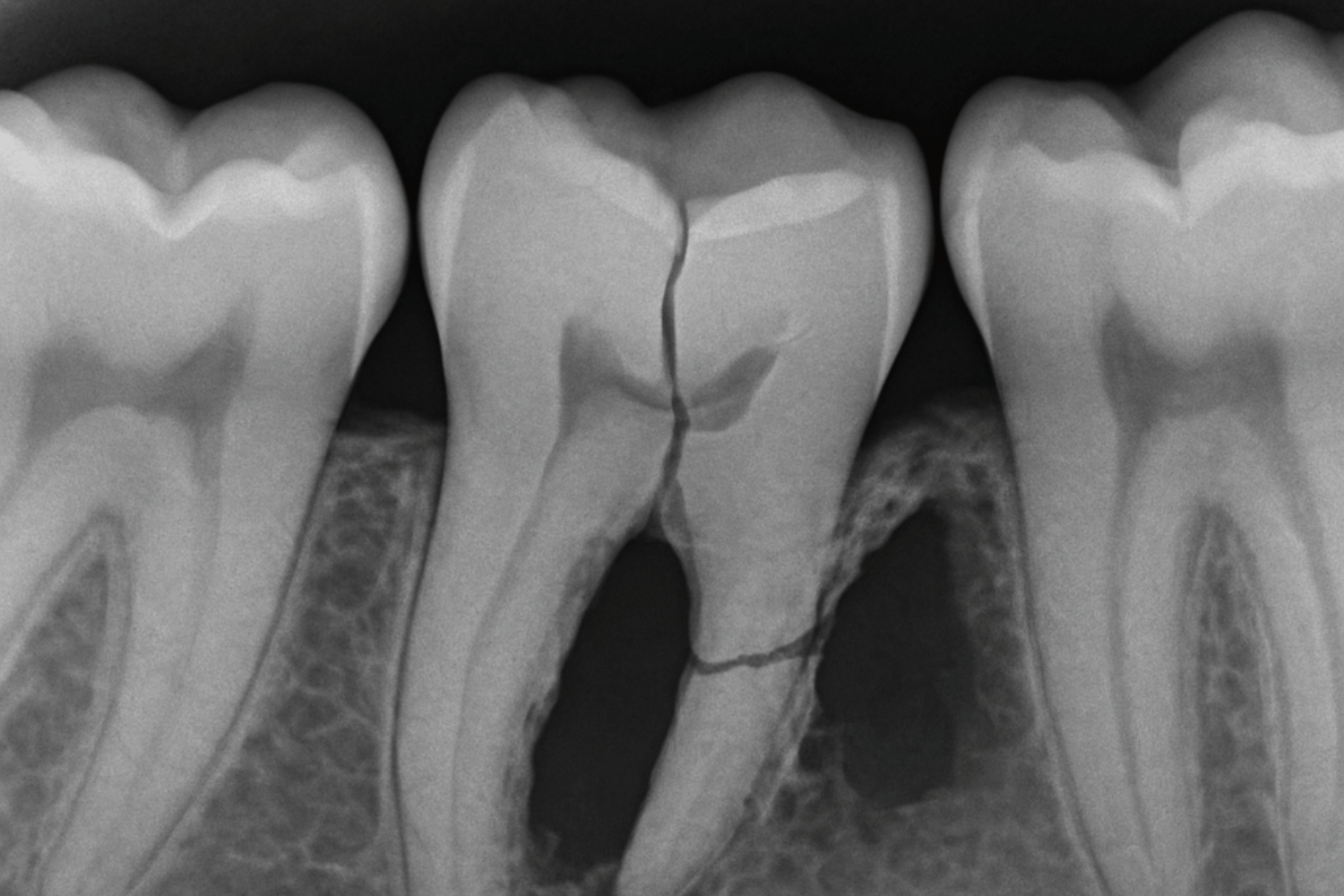
A broken tooth untreated doesn’t remain stable – it continues deteriorating in predictable stages. Understanding this process helps illustrate why prompt treatment is essential for preserving the tooth’s structure and avoiding more extensive dental work.
Initially the crack typically expands due to normal chewing forces and temperature changes. Each time you bite down or drink something hot or cold, the materials in the tooth expand and contract at different rates, causing the crack to propagate deeper into the tooth’s structure.
Then if decay does occur, decay can accelerate as bacteria colonize the crack and produce acids that further weaken the tooth. The bacteria convert sugars from your diet into lactic acid, which dissolves the mineralized tooth structure and creates larger cavities around the original break.
The structural integrity becomes so compromised that larger pieces may break off during normal eating. What started as a minor chip can progress to losing significant portions of the crown, requiring much more extensive restoration or extraction.
Root development may occur and reach below the gum line. At this point, the tooth’s root may be too damaged to support any type of restoration, making tooth extraction the only viable option.
Since tooth enamel cannot regenerate like other body tissues, any cracks or chips are permanent and progressive. Unlike a broken bone that can heal stronger than before, teeth have no mechanism for self-repair, making professional intervention the only way to halt deterioration.
Financial Consequences of Delayed Treatment
The financial impact of delaying treatment for a broken tooth can be staggering. What might initially require simple, affordable treatment can escalate into complex, expensive procedures requiring multiple appointments and specialists.
Early treatment options for a chipped tooth or minor crack are relatively inexpensive. Dental bonding using tooth colored resin typically costs between $150-$500 per tooth and can often be completed in a single appointment. Small chips might only require smoothing of rough edges, which costs even less.
A dental crown becomes necessary when the damage is more extensive but the tooth structure remains salvageable. Crown treatment typically ranges from $1,200-$2,000 per tooth, depending on the material chosen and complexity of the case.
When infection develops due to delayed treatment, root canal therapy becomes essential before any restoration can be placed. Root canals add $800-$1,500 to the total treatment cost, and the tooth will still require a crown for protection, bringing total costs to $2,000-$3,500.
If the tooth becomes non-restorable due to extensive damage or infection, tooth extraction becomes necessary. The extraction itself may cost $200-$600, but replacing the missing tooth with a dental implant can cost $3,000-$5,000 per tooth, including the implant, abutment, and crown.
The time off work required for multiple dental appointments when simple problems become complex can add significant indirect costs. Emergency appointments often require immediate scheduling that disrupts work and personal commitments.
When Emergency Dental Care Becomes Necessary
Recognizing when a broken tooth requires immediate attention can prevent serious complications and potentially save your life. Certain symptoms indicate that the situation has progressed beyond routine dental care and requires urgent intervention.
Severe throbbing pain lasting more than 30 minutes typically indicates that the tooth’s pulp has become irreversibly damaged. This type of constant pain often doesn’t respond well to over-the-counter pain medications and may worsen when lying down or bending over.
Facial swelling that extends beyond the immediate tooth area suggests that infection has begun spreading to surrounding soft tissues. Swelling that affects the cheek, jaw, or neck requires immediate dental evaluation and often antibiotic treatment.
Fever above 101°F (38.3°C) in conjunction with dental pain indicates systemic infection that requires immediate medical attention. The combination of dental symptoms and fever suggests that bacteria have begun affecting your overall health.
Difficulty swallowing or opening your mouth fully due to swelling can indicate serious complications like Ludwig’s angina. These symptoms require immediate emergency room evaluation, as they can rapidly progress to airway obstruction.
A foul taste or visible pus discharge from the broken tooth area indicates active infection that needs immediate treatment. The pus represents your body’s attempt to fight the bacterial invasion, but it also means the infection has established itself and will likely spread without intervention.
Signs Requiring Immediate Medical Attention
Certain combinations of symptoms indicate medical emergencies that require hospital-level care rather than just dental treatment. These situations can become life-threatening within hours and should never be ignored.
Neck stiffness combined with dental pain and fever may indicate that the infection is spreading toward the brain or spinal cord. This combination of symptoms requires immediate emergency room evaluation and intravenous antibiotics.
Breathing difficulties or voice changes accompanying dental infection suggest swelling that may compromise your airway. Any breathing problems associated with dental symptoms require immediate medical intervention.
Rapid heart rate or dizziness accompanying dental symptoms may indicate that the infection is affecting your cardiovascular system. These signs suggest possible sepsis and require immediate hospital care.
Confusion or altered mental state in elderly patients with dental infections can indicate serious systemic complications. Older adults may not show typical signs of infection, making mental changes an important warning sign.

Long-Term Oral Health Deterioration
When a broken tooth remains untreated for months or years, it creates ongoing problems that extend far beyond the original damaged tooth. These long-term complications often require extensive treatment and can significantly impact your quality of life.
Chronic bad breath that doesn’t improve with brushing, flossing, or mouthwash often develops around untreated broken teeth. The bacterial colonies that establish themselves in cracks and damaged areas produce sulfur compounds that create persistent, unpleasant odors.
Gum recession around the broken tooth frequently occurs as the body attempts to protect itself from ongoing bacterial irritation. As gums recede, they expose the tooth’s root surface, creating additional areas vulnerable to decay and increasing tooth sensitivity.
TMJ disorders can develop due to altered chewing patterns when you consistently avoid using the broken tooth. The temporomandibular joints that connect your jaw to your skull can become inflamed and dysfunctional when forced to accommodate uneven bite patterns over extended periods.
The increased risk of cavities in remaining teeth occurs because untreated broken teeth harbor bacteria that spread throughout your mouth. These bacteria produce acids that increase cavity formation in previously healthy teeth, requiring additional dental work.
Premature aging appearance results from missing teeth that no longer support facial structure. When teeth are lost due to untreated breaks, the surrounding bone begins to resorb, creating a sunken facial profile that can add years to your appearance.
Prevention and Protective Measures
While accidents can’t always be prevented, several strategies can significantly reduce your risk of breaking teeth and protect your investment in oral health. Understanding these preventive measures helps avoid the serious consequences of broken teeth entirely.
Wearing custom night guards prevents teeth grinding damage that can weaken tooth enamel over time. Many people grind their teeth unconsciously during sleep, creating microcracks that can eventually lead to major breaks. A properly fitted night guard distributes forces evenly and protects against grinding damage.
Using mouth guards during contact sports and recreational activities provides essential protection against trauma. Even non-contact sports like gymnastics or skateboarding carry risks of facial injury that can fracture teeth. A well-fitted sports guard can absorb and distribute impact forces.
Avoiding hard foods that can crack teeth helps preserve tooth integrity. Ice cubes, popcorn kernels, hard candy, and similar items can create enough force to crack even healthy teeth. Being mindful of what you chew helps prevent unnecessary damage.
Regular dental checkups every six months allow early detection of small problems before they become major issues. Your dentist can identify tiny cracks or weak areas and provide preventive treatment before they progress to painful breaks requiring extensive treatment.
Proper nutrition with adequate calcium and vitamin D supports strong teeth that resist fracturing. A diet rich in dairy products, leafy greens, and vitamin D sources helps maintain tooth enamel strength and overall oral health.
Avoiding habits like using teeth as tools prevents unnecessary stress on tooth structures. Opening packages, cracking nuts, or holding objects with your teeth can create forces that exceed what teeth are designed to handle.
Using sugar free gum after meals can help neutralize acids and stimulate saliva production, which strengthens tooth enamel and helps wash away harmful bacteria. However, be sure to choose sugar-free options to avoid feeding the bacteria that cause decay.
Frequently Asked Questions
How long can I wait to fix a broken tooth without serious consequences?
You should seek dental treatment As soon as possible after breaking a tooth. While minor chips might not cause immediate pain, bacteria can enter the crack within days and cause infection. Waiting longer than one week significantly increases the risk of complications requiring more extensive and expensive treatment.
Can a broken tooth lead to serious health issues if left untreated?
A broken tooth won’t usually lead to severe complications, but leaving it untreated can allow infection to spread. In rare cases, this can become a serious health issue. Getting prompt dental care helps prevent pain, infection, and any risk of complications.
Can I use over-the-counter pain relievers to manage a broken tooth instead of seeing a dentist?
Pain relievers only mask symptoms temporarily and don’t treat the underlying problem. While medications can provide short-term relief for 24-48 hours, they don’t prevent infection, stop crack progression, or address the structural damage. Prolonged use of pain relievers can also cause stomach, liver, or kidney problems. Only a dentist can fix the broken tooth.

