
Today's Dental
  • About Us
    • About Us
    • Our Dentists
    • Centralized Support Services
    • Proven Process
    • Culture
    • Join Our Team
    • Blog
  • Locations
    • Aksarben
    • Bellevue
    • Elkhorn
    • Fremont
    • Millard
    • Tranquility Park
  • Services
    • Family Dentistry
      • Preventive Care Services
      • Periodontal Care
      • Restorative Care Services
        • Tooth Extraction
      • Sedation Dentistry
      • Dental Visit Anxiety
      • Paying for Dental Care
    • Pediatric Dental Care
      • Childs First Visit
      • Preventative Care for Children
      • Comfortable Environment
    • Cosmetic Dentistry and Orthodontics
      • Teeth Whitening
      • Dental Crowns & Bridges
      • Veneers
      • Invisalign®
      • Dentures & Dental Implants
    • Urgent & Emergency Care
      • Dental Emergency
      • Urgent Care Services
      • Text-a-Dentist
  • Dental Issues
    • Bad Breath/Halitosis
    • Cavities
    • Chipped and Broken Tooth Treatment
    • Dark Teeth
    • Dental Anxiety
    • Gum Disease
    • Malocclusion
    • Root Canal
    • Soft Teeth
    • Tooth Infection
    • Tooth Pain
    • Wisdom Teeth
  • Patient Resources
    • Smile Care Plan
    • Financing
    • Insurance Checker
    • Patient Forms
    • Post Operative Instructions
  • Patient Reviews
  • Contact
  • Pay Online
  • Schedule Your Appointment
  • Menu Menu
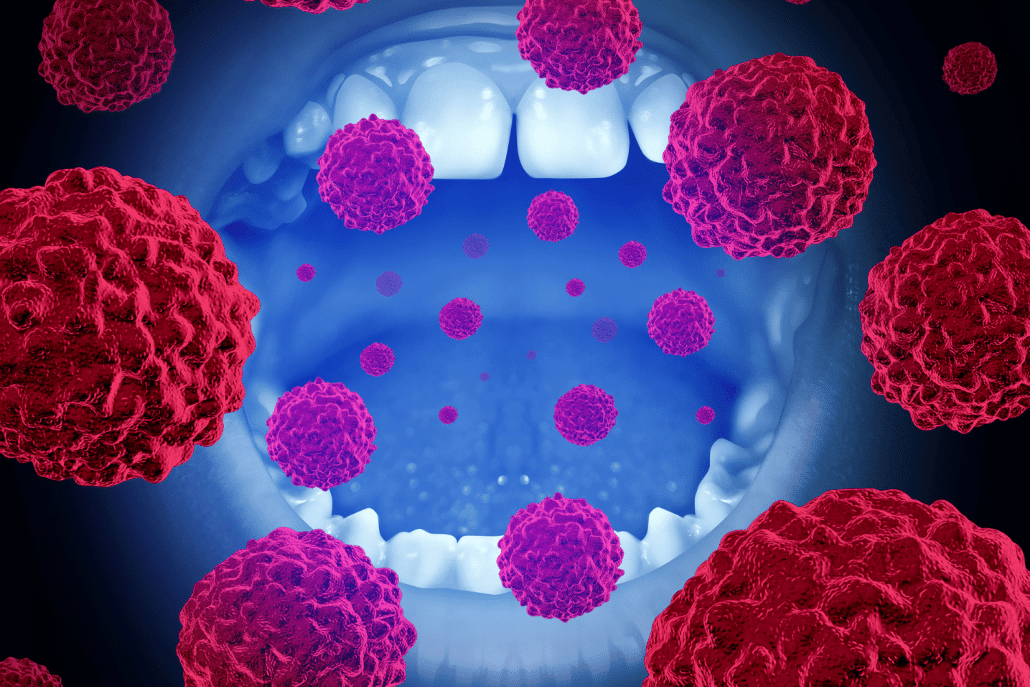
An Illustration Highlighting Common Types Of Oral Infections.

Identifying Oral Infection Symptoms and When to Seek Treatment

Recognizing symptoms of an oral infection, such as pain, swelling, or unusual patches in your mouth, is key to seeking timely treatment. This article will help you identify the common symptoms of an oral infection symptoms and know when it’s time to visit a dentist.

Key Takeaways

  • Oral infections can arise from poor hygiene and various microorganisms, including bacteria and fungi, with symptoms ranging from painful sores to persistent bad breath.
  • Common types of oral infections include dental caries, gum disease, oral thrush, and oral herpes, each exhibiting specific symptoms that require prompt recognition and treatment.
  • Early intervention is crucial; individuals should seek professional dental care if experiencing persistent symptoms, and maintaining good oral hygiene can significantly reduce the risk of infections.

Understanding Oral Infections

An Illustration Showing Various Types Of Oral Infections Affecting The Mouth.
Oral infections encompass a variety of infections that occur within the mouth, affecting dental and non-dental areas alike. These infections are typically caused by an overgrowth of harmful microorganisms, including bacteria, viruses, and fungi. Factors such as age, underlying health conditions, and oral hygiene habits significantly influence the likelihood of developing oral infections.

Poor oral hygiene is a major contributor to the development of bacterial infections. When harmful bacteria proliferate due to inadequate dental care, they can lead to various issues within the oral cavity, including the gums, tongue, and throat.

Understanding these causes and influences is the first step in preventing and managing oral infections.

Common Types of Oral Infections

An Illustration Highlighting Common Types Of Oral Infections.

Several common oral infections can affect different parts of the mouth. These include dental caries, gum infections, oral thrush, and oral herpes. Dental caries, or cavities, result from tooth decay caused by bacteria that thrive on sugary foods and beverages.

Gum disease, such as gingivitis, is an early stage of periodontal disease characterized by inflammation and bleeding of the gums. If left untreated, it can progress to periodontal disease, which damages the tissues and bones supporting the teeth.

Oral thrush, a fungal infection caused by Candida albicans, is particularly common in individuals with weakened immune systems and can be triggered by antibiotic use. Oral herpes, caused by the herpes simplex virus, manifests as fluid-filled blisters that can recur throughout a person’s life and is highly contagious. Fungal infections can also pose a risk to those with compromised health.

Canker sores, though not caused by infections, are another common issue and can be triggered by stress, hormonal changes, or food sensitivities. Understanding these common oral infections helps in recognizing and addressing them promptly.

Recognizing Mouth Infection Symptoms

Recognizing the symptoms of mouth infections is crucial for early intervention and treatment. Common symptoms include painful sores, swelling, redness, bleeding gums, persistent bad breath, white patches, and tooth sensitivity and pain. Each of these symptoms can point to different types of oral infections, necessitating a closer look.

Painful sores, swelling, and redness often indicate an underlying infection or inflammation. Bleeding gums can be a sign of gum disease, while persistent bad breath might suggest a bacterial infection. White patches or coatings in the mouth could indicate a fungal infection like oral thrush.

Lastly, tooth sensitivity and pain can signal dental problems such as cavities or gum recession. Understanding these symptoms helps in identifying the specific type of oral infection one might be facing.

Painful Sores

Mouth sores can arise from various causes, including infections, systemic diseases, irritation, or allergic reactions. Among these, canker sores, or aphthous ulcers, are a common type of non-infectious sore, often triggered by stress, hormonal changes, or food hypersensitivity. Unlike cold sores caused by the herpes simplex virus, canker sores are not contagious.

These ulcers often appear red or white and may be accompanied by blisters, making eating and speaking uncomfortable. The typical healing time for canker sores is about 10-14 days, but during this period, they can cause significant pain.

To alleviate the discomfort, it’s advisable to avoid acidic foods and practice gentle toothbrushing. Salt-water rinses can also provide symptomatic relief. Recognizing and managing painful sores effectively ensures they heal without further complications.

Swelling and Redness

Swelling and redness in the gums or other parts of the mouth are significant indicators of an infection or gum disease. When bacteria infect the gums, it often leads to inflammation, making the gums appear red, swollen, and tender. This is particularly common in the early stages of gum disease.

In some cases, a small pimple-like swelling on the gums may indicate the presence of an abscess, which is a localized infection that requires prompt dental care. Recognizing these signs early on can help in seeking timely treatment and preventing further complications.

Bleeding Gums

Bleeding gums during brushing or flossing are often a sign of inflammation caused by bacteria in dental plaque. This is typically an early indication of gum disease, such as gingivitis, which, if left untreated, can progress to more severe periodontal disease.

The accumulation of bacterial plaque due to poor oral hygiene practices is the primary cause of this inflammation. Maintaining good oral hygiene, including regular brushing and flossing, is essential to prevent gum disease and associated bleeding gums.

Persistent Bad Breath

Chronic bad breath, or halitosis, can often be traced back to the production of gases by bacteria present in the mouth. This persistent bad breath is not just a social inconvenience but can also indicate underlying oral health problems that need to be addressed.

Poor oral hygiene can lead to an accumulation of bacteria, exacerbating bad breath. Good oral hygiene practices, including regular brushing and flossing, are crucial in preventing persistent bad breath and maintaining a healthy mouth.

White Patches or Coating

White patches or coatings in the mouth are often a sign of a fungal infection, such as oral thrush. This condition is commonly caused by the overgrowth of the fungus Candida albicans. Oral thrush typically develops on the roof of the mouth or the tongue and is characterized by a whitish buildup.

Common symptoms of oral thrush include a loss of taste, a painful burning sensation, and persistent white patches. Early recognition of these symptoms can lead to appropriate treatment and prevent the infection from spreading or worsening.

Tooth Sensitivity and Pain

Tooth sensitivity often manifests as sharp pain when consuming hot, cold, or sweet foods, indicating possible underlying dental issues. This sensitivity can be caused by dental caries, worn enamel, or gum recession, all of which expose the sensitive layers of the tooth.

Conditions such as periodontal disease or cracked teeth can also lead to tooth sensitivity and necessitate professional evaluation. Addressing these issues promptly can prevent further damage and ensure a healthy mouth.

When to Seek Professional Dental Care

Recognizing symptoms of oral infections is critical for seeking dental care promptly. Persistent tooth pain, swelling, and bad breath, even after maintaining good hygiene practices, are signs that require immediate dental consultation. Early diagnosis and treatment of oral infections lead to a good prognosis, preventing complications and ensuring oral health.

Regular dental visits are crucial for the early detection and management of oral health issues, thereby preventing infections. Treatments for oral infections may involve procedures like draining abscesses and administering antibiotics.

Treatment Options for Oral InfectionsAn Illustration Depicting Treatment Options For Oral Infections.

Today’s Dental employs advanced technology, to create surgical guides that enhance precision in the treatment of complex oral infections. Understanding the effective treatment options available for oral infections is critical for ensuring patient health and comfort.

Treatment approaches vary depending on the type and severity of the infection. From medical treatments to home remedies and preventive care, each option plays a crucial role in managing oral health effectively.

Medical Treatments

Available treatments for mouth infections include antibiotics, antivirals, and antifungals. For severe dental infections with systemic symptoms, intravenous antibiotics may be required. Clindamycin is often used for patients allergic to penicillins or cephalosporins in treating oral infections.

The choice of antibiotics for dental abscesses may depend on local resistance patterns. Oral thrush is treated with medical antifungal medications, including topical antifungal ointments or antifungal mouthwash. Antiviral medications are used for oral herpes, although there is currently no cure for this condition.

Home Remedies and Preventive Care

Salt-water rinses can provide symptomatic relief for mouth sores. Home remedies may help to alleviate symptoms of oral infections and improve overall comfort. Maintaining good oral hygiene practices, such as regular brushing and flossing, is essential to prevent oral infections.

Incorporating home remedies with preventive care measures can enhance oral health and mitigate symptoms of infections. Preventive care, including regular dental check-ups and a healthy diet, plays a vital role in maintaining gums and teeth while helping to prevent oral infections.

Preventing Oral Infections

An Illustration Demonstrating Preventive Measures For Oral Infections.

Maintaining good oral hygiene is crucial in preventing oral infections. Regular dental check-ups are essential for early detection and treatment of potential oral infections. By brushing twice daily and flossing, you can eliminate plaque and reduce the risk of infections.

Avoiding sugary foods and beverages can significantly lower the chances of developing oral diseases. Additionally, drinking fluoridated water and using fluoride toothpaste can strengthen teeth and help prevent cavities. Quitting tobacco products is also important as they increase the risk of oral infections and cancers.

An Illustration Representing The Role Of Dental Professionals In Managing Oral Infections.

Summary

In summary, recognizing the symptoms of oral infections early and seeking prompt treatment can prevent minor issues from escalating into significant health problems. Understanding the common types of oral infections and their symptoms is crucial for effective management and treatment. Regular dental visits and good oral hygiene practices are key preventive measures that can help maintain a healthy mouth.

We at Today’s Dental are dedicated to providing top-notch care for all your dental needs. Our advanced technology, compassionate staff, and comprehensive treatment options ensure that you receive the best possible care. Prioritizing your oral health is essential for overall well-being, and we are here to support you every step of the way.

Frequently Asked Questions

What are the common symptoms of oral infections?

Common symptoms of oral infections include painful sores, swelling, redness, bleeding gums, persistent bad breath, white patches, and tooth sensitivity or pain. If you experience these symptoms, it’s important to seek dental care promptly.

When should I seek professional dental care for an oral infection?

You should seek professional dental care for an oral infection if you have persistent tooth pain, swelling, or bad breath that does not improve with good oral hygiene, or if your symptoms worsen. Prompt treatment is essential to prevent complications.

What are the treatment options for oral infections?

The most effective treatment options for oral infections include medical treatments such as antibiotics, antivirals, or antifungals, alongside home remedies and preventive care measures. Choosing the right approach depends on the type of infection and individual health needs.

How can I prevent oral infections?

To prevent oral infections, maintain good oral hygiene, limit sugary foods and beverages, drink fluoridated water, and avoid tobacco products. Regular dental check-ups are also essential for early detection and prevention.

What is the average rating of Today’s Dental based on customer reviews?

Today’s Dental boasts an impressive average rating of 4.8 out of 5 stars from customer reviews. This high rating reflects a strong level of satisfaction among patients.

Fight Oral Infections Early: Expert Prevention and Care at Today’s Dental

Contact Us

Ready for Your Next Visit?

Schedule your dental appointment today and take the first step toward a healthier smile.

Schedule an Appointment

or call us at (402) 333-6288

Today'S Dental Logo

Today’s Dental began in 1980 with one location. It was founded with the goal of providing high-quality, safe, convenient, and comfortable dental care in a family-friendly setting.

Related Services

  • Preventive Care Services
  • Services

Our Locations

  • Aksarben2141 S. 63rd Street, Omaha
  • Bellevue2207 Longo Drive, Bellevue
  • Millard14406 Harrison St., Omaha
  • Tranquility12322 Emmet St., Omaha
  • Elkhorn20211 Manderson St., Elkhorn
  • Fremont1689 E 23 Street, Fremont

Today’s Dental

We’re committed to working with you and your family to create a comfortable, stress-free, and exceptionally rewarding dental care experience.

Locations

  • Millard
  • Tranquility Park
  • Elkhorn
  • Aksarben
  • Bellevue
  • Fremont

Patient Resources

  • Smile Care Plan
  • Financing
  • Patient Forms
  • Reviews
  • Open Accessibility
  • Privacy Policy

Blog

Pay Online

Join Our Team

Today’s Dental

We’re committed to working with you and your family to create a comfortable, stress-free, and exceptionally rewarding dental care experience.

Locations

  • Millard
  • Tranquility Park
  • Elkhorn
  • Aksarben
  • Bellevue
  • Fremont

Patient Resources

  • Smile Care Plan
  • Financing
  • Patient Forms
  • Reviews
  • Open Accessibility
  • Privacy Policy

Blog

Pay Online

Join Our Team

© Copyright 2026 – Omaha Dentistry | Website design and SEO provided by Robben Media

Link to: Best Tips on How to Stop Cavity from Growing Link to: Best Tips on How to Stop Cavity from Growing Best Tips on How to Stop Cavity from GrowingBest Tips On How To Stop Cavity From GrowingLink to: How an Infected Tooth Can Kill You: Essential Warning Signs to Know Link to: How an Infected Tooth Can Kill You: Essential Warning Signs to Know A Drawing Illustrating How Quickly An Infected Tooth Can Lead To Severe Health Issues.How an Infected Tooth Can Kill You: Essential Warning Signs to Know
Scroll to top Scroll to top Scroll to top
Translate »
Accessibility
Accessibility modes
Epilepsy Safe Mode
Dampens color and removes blinks
This mode enables people with epilepsy to use the website safely by eliminating the risk of seizures that result from flashing or blinking animations and risky color combinations.
Visually Impaired Mode
Improves website's visuals
This mode adjusts the website for the convenience of users with visual impairments such as Degrading Eyesight, Tunnel Vision, Cataract, Glaucoma, and others.
Cognitive Disability Mode
Helps to focus on specific content
This mode provides different assistive options to help users with cognitive impairments such as Dyslexia, Autism, CVA, and others, to focus on the essential elements of the website more easily.
ADHD Friendly Mode
Reduces distractions and improve focus
This mode helps users with ADHD and Neurodevelopmental disorders to read, browse, and focus on the main website elements more easily while significantly reducing distractions.
Blindness Mode
Allows using the site with your screen-reader
This mode configures the website to be compatible with screen-readers such as JAWS, NVDA, VoiceOver, and TalkBack. A screen-reader is software for blind users that is installed on a computer and smartphone, and websites must be compatible with it.
Online Dictionary
    Readable Experience
    Content Scaling
    Default
    Text Magnifier
    Readable Font
    Dyslexia Friendly
    Highlight Titles
    Highlight Links
    Font Sizing
    Default
    Line Height
    Default
    Letter Spacing
    Default
    Left Aligned
    Center Aligned
    Right Aligned
    Visually Pleasing Experience
    Dark Contrast
    Light Contrast
    Monochrome
    High Contrast
    High Saturation
    Low Saturation
    Adjust Text Colors
    Adjust Title Colors
    Adjust Background Colors
    Easy Orientation
    Mute Sounds
    Hide Images
    Hide Emoji
    Reading Guide
    Stop Animations
    Reading Mask
    Highlight Hover
    Highlight Focus
    Big Dark Cursor
    Big Light Cursor
    Cognitive Reading
    Virtual Keyboard
    Navigation Keys
    Voice Navigation

    Today's Dental

    Accessibility Statement

    • omahadentists.net
    • June 5, 2026

    Compliance status

    We firmly believe that the internet should be available and accessible to anyone, and are committed to providing a website that is accessible to the widest possible audience, regardless of circumstance and ability.

    To fulfill this, we aim to adhere as strictly as possible to the World Wide Web Consortium’s (W3C) Web Content Accessibility Guidelines 2.1 (WCAG 2.1) at the AA level. These guidelines explain how to make web content accessible to people with a wide array of disabilities. Complying with those guidelines helps us ensure that the website is accessible to all people: blind people, people with motor impairments, visual impairment, cognitive disabilities, and more.

    This website utilizes various technologies that are meant to make it as accessible as possible at all times. We utilize an accessibility interface that allows persons with specific disabilities to adjust the website’s UI (user interface) and design it to their personal needs.

    Additionally, the website utilizes an AI-based application that runs in the background and optimizes its accessibility level constantly. This application remediates the website’s HTML, adapts Its functionality and behavior for screen-readers used by the blind users, and for keyboard functions used by individuals with motor impairments.

    If you’ve found a malfunction or have ideas for improvement, we’ll be happy to hear from you. You can reach out to the website’s operators by using the following email

    Screen-reader and keyboard navigation

    Our website implements the ARIA attributes (Accessible Rich Internet Applications) technique, alongside various different behavioral changes, to ensure blind users visiting with screen-readers are able to read, comprehend, and enjoy the website’s functions. As soon as a user with a screen-reader enters your site, they immediately receive a prompt to enter the Screen-Reader Profile so they can browse and operate your site effectively. Here’s how our website covers some of the most important screen-reader requirements, alongside console screenshots of code examples:

    1. Screen-reader optimization: we run a background process that learns the website’s components from top to bottom, to ensure ongoing compliance even when updating the website. In this process, we provide screen-readers with meaningful data using the ARIA set of attributes. For example, we provide accurate form labels; descriptions for actionable icons (social media icons, search icons, cart icons, etc.); validation guidance for form inputs; element roles such as buttons, menus, modal dialogues (popups), and others. Additionally, the background process scans all the website’s images and provides an accurate and meaningful image-object-recognition-based description as an ALT (alternate text) tag for images that are not described. It will also extract texts that are embedded within the image, using an OCR (optical character recognition) technology. To turn on screen-reader adjustments at any time, users need only to press the Alt+1 keyboard combination. Screen-reader users also get automatic announcements to turn the Screen-reader mode on as soon as they enter the website.

      These adjustments are compatible with all popular screen readers, including JAWS and NVDA.

    2. Keyboard navigation optimization: The background process also adjusts the website’s HTML, and adds various behaviors using JavaScript code to make the website operable by the keyboard. This includes the ability to navigate the website using the Tab and Shift+Tab keys, operate dropdowns with the arrow keys, close them with Esc, trigger buttons and links using the Enter key, navigate between radio and checkbox elements using the arrow keys, and fill them in with the Spacebar or Enter key.Additionally, keyboard users will find quick-navigation and content-skip menus, available at any time by clicking Alt+1, or as the first elements of the site while navigating with the keyboard. The background process also handles triggered popups by moving the keyboard focus towards them as soon as they appear, and not allow the focus drift outside it.

      Users can also use shortcuts such as “M” (menus), “H” (headings), “F” (forms), “B” (buttons), and “G” (graphics) to jump to specific elements.

    Disability profiles supported in our website

    • Epilepsy Safe Mode: this profile enables people with epilepsy to use the website safely by eliminating the risk of seizures that result from flashing or blinking animations and risky color combinations.
    • Visually Impaired Mode: this mode adjusts the website for the convenience of users with visual impairments such as Degrading Eyesight, Tunnel Vision, Cataract, Glaucoma, and others.
    • Cognitive Disability Mode: this mode provides different assistive options to help users with cognitive impairments such as Dyslexia, Autism, CVA, and others, to focus on the essential elements of the website more easily.
    • ADHD Friendly Mode: this mode helps users with ADHD and Neurodevelopmental disorders to read, browse, and focus on the main website elements more easily while significantly reducing distractions.
    • Blindness Mode: this mode configures the website to be compatible with screen-readers such as JAWS, NVDA, VoiceOver, and TalkBack. A screen-reader is software for blind users that is installed on a computer and smartphone, and websites must be compatible with it.
    • Keyboard Navigation Profile (Motor-Impaired): this profile enables motor-impaired persons to operate the website using the keyboard Tab, Shift+Tab, and the Enter keys. Users can also use shortcuts such as “M” (menus), “H” (headings), “F” (forms), “B” (buttons), and “G” (graphics) to jump to specific elements.

    Additional UI, design, and readability adjustments

    1. Font adjustments – users, can increase and decrease its size, change its family (type), adjust the spacing, alignment, line height, and more.
    2. Color adjustments – users can select various color contrast profiles such as light, dark, inverted, and monochrome. Additionally, users can swap color schemes of titles, texts, and backgrounds, with over seven different coloring options.
    3. Animations – person with epilepsy can stop all running animations with the click of a button. Animations controlled by the interface include videos, GIFs, and CSS flashing transitions.
    4. Content highlighting – users can choose to emphasize important elements such as links and titles. They can also choose to highlight focused or hovered elements only.
    5. Audio muting – users with hearing devices may experience headaches or other issues due to automatic audio playing. This option lets users mute the entire website instantly.
    6. Cognitive disorders – we utilize a search engine that is linked to Wikipedia and Wiktionary, allowing people with cognitive disorders to decipher meanings of phrases, initials, slang, and others.
    7. Additional functions – we provide users the option to change cursor color and size, use a printing mode, enable a virtual keyboard, and many other functions.

    Browser and assistive technology compatibility

    We aim to support the widest array of browsers and assistive technologies as possible, so our users can choose the best fitting tools for them, with as few limitations as possible. Therefore, we have worked very hard to be able to support all major systems that comprise over 95% of the user market share including Google Chrome, Mozilla Firefox, Apple Safari, Opera and Microsoft Edge, JAWS and NVDA (screen readers).

    Notes, comments, and feedback

    Despite our very best efforts to allow anybody to adjust the website to their needs. There may still be pages or sections that are not fully accessible, are in the process of becoming accessible, or are lacking an adequate technological solution to make them accessible. Still, we are continually improving our accessibility, adding, updating and improving its options and features, and developing and adopting new technologies. All this is meant to reach the optimal level of accessibility, following technological advancements. For any assistance, please reach out to