
Yellow Teeth: Causes, Prevention, and Treatment Options

Yellow Teeth: Causes, Prevention, and Treatment Options
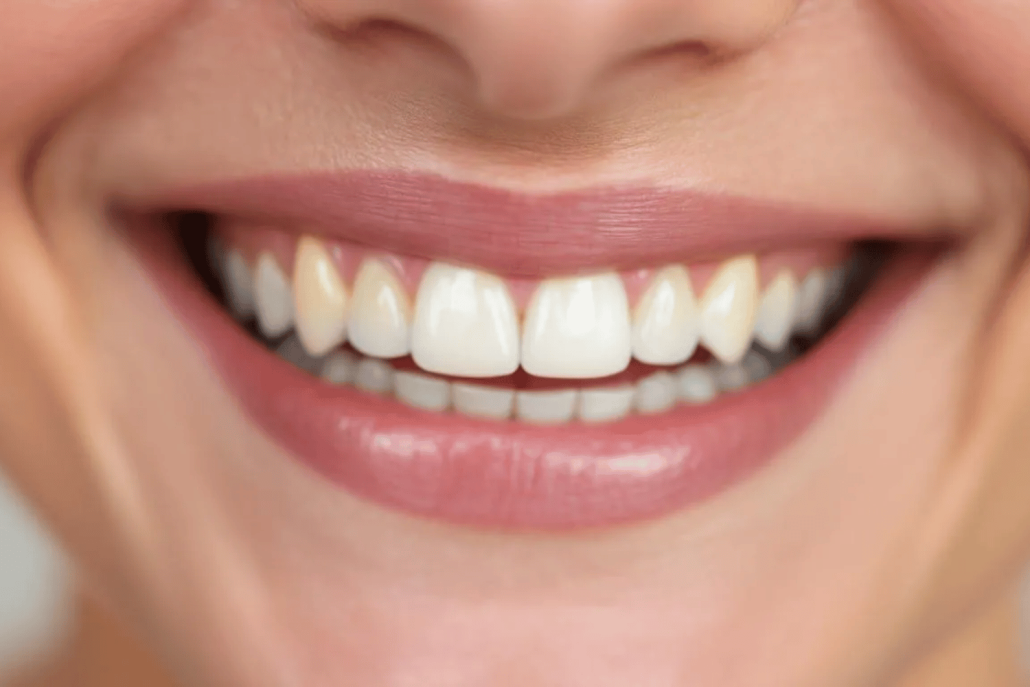
If you’ve noticed your teeth becoming more yellow over time, you’re certainly not alone. More than half of adults report feeling dissatisfied with the color of their teeth, with yellowing being the most common cosmetic concern. While our culture often promotes the ideal of perfectly white teeth, the reality is that slightly yellow teeth are completely normal and often indicate healthy tooth structure.
Understanding why teeth yellow and what you can do about it empowers you to make informed decisions about your oral health and cosmetic goals. Whether your yellow teeth stem from natural aging, lifestyle choices, or genetic factors, there are effective solutions available to help you achieve the smile you desire while maintaining optimal oral health.
Key Takeaways
- Yellow teeth are often natural and can indicate healthy tooth structure, despite social perceptions favoring bright white smiles
- Common causes include genetics, aging, dietary choices, smoking, medications, and natural enamel wear over time
- Prevention involves maintaining excellent oral hygiene, limiting staining foods and beverages, and regular dental checkups
- Treatment options range from professional whitening procedures to cosmetic dentistry solutions like veneers and bonding
- Understanding the underlying cause of yellowing helps determine the most effective treatment approach for your specific situation
Understanding Yellow Teeth: What’s Normal vs. Concerning
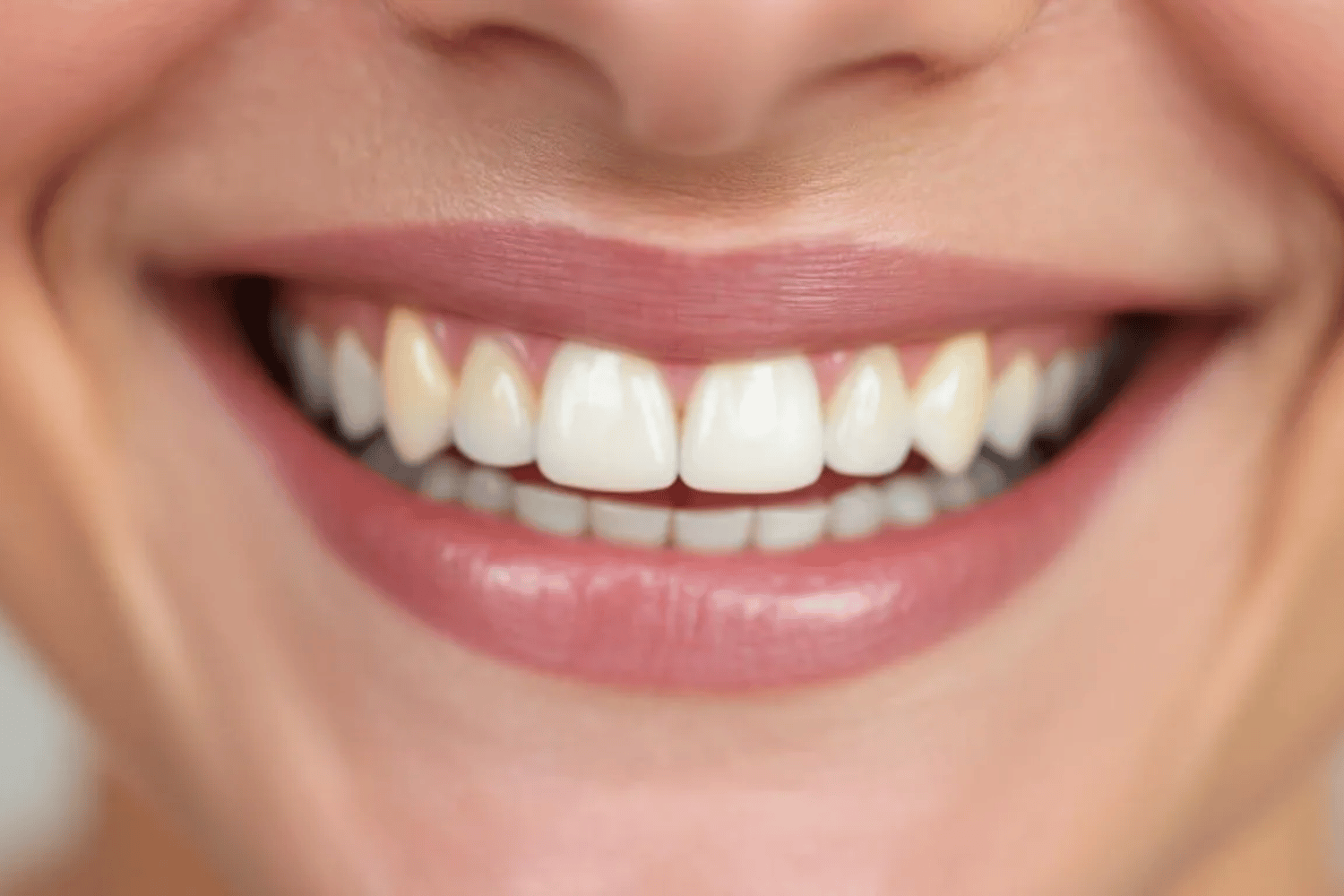
The misconception that all healthy teeth should be bright white has created unnecessary anxiety for many people. In reality, natural adult teeth display a range of colors, from slightly yellow to grayish tints, and truly white teeth are uncommon without cosmetic intervention. This natural variation occurs because teeth consist of multiple layers, with the outer tooth enamel being somewhat translucent and the underlying dentin having a naturally yellowish hue.
Your teeth’s anatomy plays a crucial role in their appearance. The enamel, which is the hard outer layer, varies in thickness and transparency from person to person. As this enamel wears or thins over time, more of the yellow dentin underneath becomes visible, creating the appearance of yellowing teeth. This process is completely natural and doesn’t necessarily indicate poor oral health.
However, certain types of tooth discoloration can signal underlying oral health issues. Sudden changes in tooth color, especially when accompanied by pain, sensitivity, or other symptoms, may indicate tooth decay, dental trauma, or other dental issues requiring professional attention. Additionally, severe or patchy discoloration could suggest problems with enamel development or damage that affects enamel integrity.
The key is understanding that maintaining good oral hygiene and healthy teeth doesn’t guarantee perfectly white teeth. Genetics, age, and lifestyle factors all contribute to the natural color of your teeth, and slight yellowing often indicates normal, healthy tooth structure rather than a problem requiring immediate treatment.
Primary Causes of Yellow Teeth
Understanding what causes yellow teeth helps determine the most effective treatment approach for your specific situation. Dental professionals categorize tooth discoloration into two main types: extrinsic stains that affect the tooth enamel surface and intrinsic discoloration that occurs within the tooth structure itself.
Genetic Factors and Natural Tooth Color
Your genetics significantly influence both the thickness of your tooth enamel and the color of the underlying dentin. Some individuals are simply predisposed to naturally yellower teeth due to inherited variations in tooth structure. These genetic factors determine your baseline tooth color, with some people naturally having thicker, more opaque enamel that masks the yellow dentin, while others have thinner enamel that allows more dentin color to show through.
Ethnic variations also play a role in natural tooth color, with different populations showing distinct patterns in enamel thickness and dentin coloration. Understanding these genetic predispositions helps set realistic expectations for whitening teeth and other cosmetic treatments. While genetic factors influence your starting point, they don’t prevent you from achieving whiter teeth through appropriate whitening treatments.
The good news is that even if genetics gave you naturally yellower teeth, modern teeth whitening treatments can still provide significant improvement. However, it’s important to work with dental professionals who can assess your individual tooth structure and recommend the most effective whitening options for your genetic baseline.
Age-Related Enamel Changes
The aging process represents one of the most significant factors in yellowing teeth. As we age, our tooth enamel naturally becomes thinner through decades of use, allowing more of the yellow dentin underneath to show through. This process happens gradually over time, which is why most people notice their teeth becoming more yellow as they get older.
Beyond simple thinning, the enamel wears down from daily activities like chewing, grinding, and exposure to acidic foods and drinks. Even people with excellent oral hygiene experience this natural wear over time. The cumulative effects of wear and tear over decades mean that older adults are much more likely to have yellowing teeth compared to children or young adults.
Additionally, the dentin itself can become more yellow with age due to the continuous formation of secondary dentin throughout life. This internal process contributes to the overall yellowing effect, creating changes that go beyond surface staining. Understanding these age-related changes helps explain why teeth whitening treatments may need to be more intensive for older adults to achieve the same results as younger patients.
Dietary and Lifestyle Factors
What you eat and drink significantly impacts the color of your teeth over time. Certain foods and beverages contain compounds called tannins and chromogens that readily bind to tooth enamel, creating persistent teeth stains. Coffee, tea, red wine, dark berries, curry, and tomato-based sauces are among the most notorious culprits for staining teeth.
The mechanism behind dietary staining involves these pigmented molecules penetrating the porous surface of tooth enamel and becoming trapped within its structure. Acidic drinks like citrus juices and sports drinks compound this problem by temporarily softening the enamel, making it more susceptible to stain absorption. This is why dental professionals often recommend waiting at least 30 minutes after consuming acidic foods or drinks before brushing your teeth.
The frequency and duration of exposure matter significantly. Someone who sips coffee throughout the day exposes their teeth to staining compounds much longer than someone who drinks the same amount quickly. Similarly, drinking foods through a straw can help minimize contact with teeth, reducing the staining potential of beverages that would otherwise bathe your teeth in pigmented liquids.
Tobacco Use and Smoking
Tobacco products create some of the most persistent and difficult-to-remove teeth stains. Whether you smoke cigarettes, use pipe smoke, or chewing tobacco, the tar and nicotine in these products readily bind to both tooth enamel and the underlying dentin, creating yellow to brown discoloration that deepens over time.
Chewing tobacco presents particular challenges because it involves prolonged contact between tobacco and teeth, often in specific areas of the mouth. This concentrated exposure can create severe localized staining that may require intensive treatment to address. The chemicals in tobacco products don’t just stain teeth; they also affect overall oral health by reducing blood flow to the gums and increasing the risk of gum disease and tooth decay.
Even secondhand smoke exposure can contribute to tooth discoloration, particularly in children whose developing teeth are more susceptible to staining. The good news is that quitting tobacco use not only improves your overall health but also prevents further staining and makes teeth whitening treatments more effective and longer-lasting.
Medications and Medical Conditions
Several medications can cause intrinsic tooth discoloration, particularly when taken during childhood when adult teeth are still developing. Tetracycline and doxycycline antibiotics are the most well-known culprits, capable of causing permanent yellow to gray staining when given to children younger than eight years old or to pregnant women.
Other medications that can affect tooth color include certain antihistamines, drugs for high blood pressure, and antipsychotic medications. These typically cause more subtle color changes compared to tetracycline staining, but they can still contribute to overall tooth discoloration over time.
Dental fluorosis represents another medication-related cause of tooth discoloration. While fluoride is beneficial for preventing tooth decay, excessive exposure during childhood can cause white, yellow, or brown spots on teeth. This condition occurs when children consume too much fluoride from multiple sources, such as fluoridated water, toothpaste, and supplements.
Certain medical conditions and treatments can also affect tooth color. Patients who treat cancer with chemotherapy or radiation may experience changes in tooth color as a side effect. Additionally, genetic conditions affecting enamel formation can result in naturally discolored teeth that may appear yellow, brown, or gray.
Dental Trauma and Grinding
Physical trauma to teeth can cause internal bleeding within the tooth, leading to discoloration that appears yellow, gray, or brown. This type of intrinsic staining occurs when the tooth’s internal structure is damaged, often requiring more complex treatment than surface stains.
Teeth grinding, also known as bruxism, contributes to yellowing teeth through multiple mechanisms. The constant pressure and friction can create microscopic cracks in the enamel, providing spaces for stains to penetrate deeper into the tooth structure. Additionally, grinding gradually wears away the enamel, exposing more of the yellow dentin underneath.
Sports-related dental trauma is particularly common and can cause immediate or delayed tooth discoloration. Even seemingly minor impacts can damage the internal blood supply to a tooth, leading to gradual color changes over time. This is why dental professionals recommend protective mouth guards for contact sports and prompt evaluation of any dental trauma.
Prevention Strategies for Yellow Teeth
Preventing yellow teeth is significantly more cost-effective and less invasive than treating existing discoloration. A comprehensive prevention strategy addresses the various factors that contribute to tooth yellowing while supporting overall oral health. The key is consistency in implementing these strategies as part of your daily routine.
Optimal Oral Hygiene Practices
Maintaining good oral hygiene forms the foundation of preventing yellow teeth and supporting overall oral health. Proper brushing technique involves using fluoride toothpaste and brushing for at least two minutes, twice daily. The fluoride in toothpaste helps strengthen tooth enamel and makes it more resistant to acid erosion and staining.
A good oral hygiene routine includes daily flossing to remove plaque buildup between teeth where toothbrushes can’t reach. Plaque that isn’t removed can harden into tartar, which has a yellowish color and provides a rough surface that traps additional stains. Regular flossing prevents this buildup and helps maintain the natural color of your teeth.
Using an antimicrobial mouthwash can provide additional protection against bacteria that contribute to plaque formation and tooth discoloration. Some whitening toothpaste products contain mild abrasives that help remove surface stains, though these should be used carefully to avoid enamel damage. Maintaining good oral hygiene also involves cleaning your tongue, which can harbor bacteria and contribute to overall oral health issues.
The timing of your oral hygiene routine matters too. After consuming acidic foods or drinks, wait at least 30 minutes before brushing to allow your saliva to neutralize acids and reharden temporarily softened enamel. This prevents brushing from causing additional enamel wear when your teeth are most vulnerable.
Dietary Modifications and Smart Consumption
Making smart choices about what you eat and drink can significantly reduce your risk of developing yellow teeth. When you do consume staining beverages like coffee, tea, or red wine, using a straw helps minimize contact with your teeth. This simple strategy can dramatically reduce the staining potential of these drinks.
Timing your consumption of staining substances can also help protect your teeth. Rather than sipping coffee throughout the morning, drinking it more quickly reduces the total exposure time. Similarly, consuming staining foods as part of a meal rather than as isolated snacks helps because increased saliva production during meals helps neutralize acids and wash away staining compounds.
Rinse your mouth with water after consuming acidic drinks or staining foods to help remove residual particles and neutralize acids. This simple habit can prevent stains from setting and reduce the acid exposure that makes enamel more susceptible to staining. Some people find that eating teeth-friendly foods like cheese or drinking milk after consuming staining substances helps neutralize acids and provide protective minerals.
Consider alternatives to highly staining beverages when possible. Herbal teas tend to stain less than black tea, and lighter-colored wines cause less staining than red wine. However, you don’t need to eliminate all your favorite foods and drinks – moderation and smart consumption strategies can allow you to enjoy them while protecting your teeth.

Professional Preventive Care
Regular visits to the dentist’s office for professional cleanings and checkups play a crucial role in preventing yellow teeth. Professional dental cleanings remove tartar and surface stains that can’t be eliminated through home care alone. These cleanings typically occur every six months and help maintain both oral health and tooth appearance.
During professional cleanings, dental hygienists use specialized tools to remove plaque buildup and polish teeth to remove surface stains. This process not only helps prevent tooth discoloration but also allows for early detection of potential problems that could lead to more serious staining or oral health issues.
Professional fluoride treatments can strengthen enamel and make teeth more resistant to acid erosion and staining. These treatments are particularly beneficial for people at higher risk of tooth decay or those with naturally thin enamel. Dental sealants on back teeth can also help prevent decay and discoloration in areas that are difficult to clean thoroughly.
Your dental team can also provide personalized advice based on your individual risk factors and oral health needs. They can identify early signs of enamel wear or discoloration and recommend specific prevention strategies tailored to your lifestyle and dental history.
Treatment Options for Yellow Teeth
When prevention isn’t enough or when you want to improve existing tooth discoloration, numerous treatment options are available. The most effective approach depends on the type and severity of staining, your budget, timeline, and personal preferences. Understanding the different teeth whitening treatments and cosmetic dentistry options helps you make an informed decision about which approach best suits your needs.
Professional In-Office Whitening
Professional teeth whitening performed in a dentist’s office represents the most effective and predictable approach to whitening teeth. These treatments use higher concentrations of whitening agents, primarily hydrogen peroxide or carbamide peroxide, than over-the-counter products, allowing for more dramatic results in a shorter timeframe.
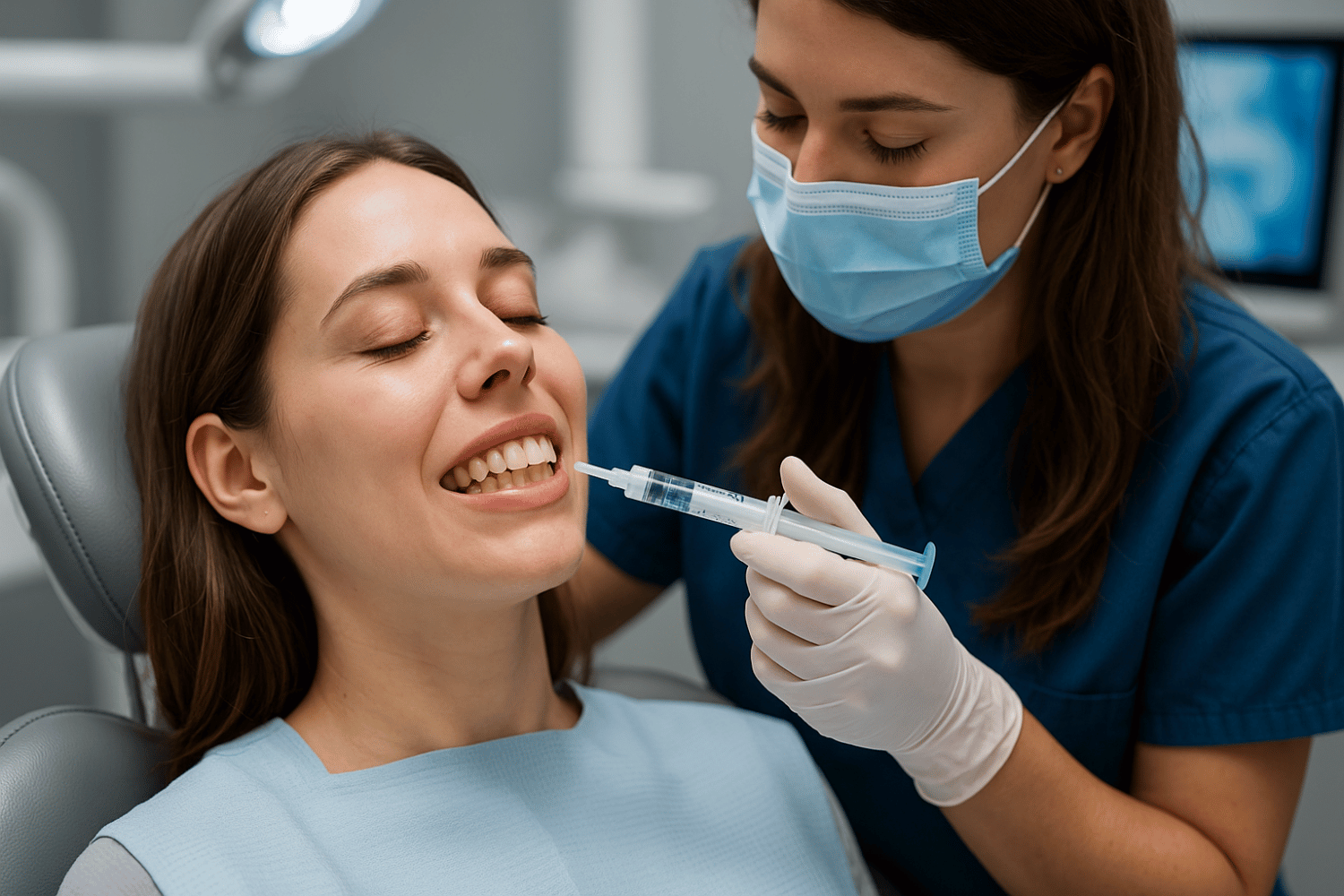
The typical in-office whitening procedure involves protecting your gums and soft tissues, then applying a concentrated whitening gel to your teeth. Many offices use special lights or heat to activate the whitening agents, though research shows these additions may not significantly enhance results. The entire procedure usually takes 60-90 minutes and can lighten teeth by several shades in a single session.
Professional whitening offers several advantages beyond just effectiveness. The controlled environment ensures even application and reduces the risk of gum irritation or uneven results. Dental professionals can also adjust the treatment based on your tooth sensitivity and desired results. Most patients experience some temporary tooth sensitivity, but this typically resolves within a few days.
The results of professional whitening typically last 1-3 years, depending on your lifestyle habits and dietary choices. Touch-up treatments can help maintain results, and many dental offices offer take-home maintenance kits to extend the longevity of your treatment. While professional whitening is more expensive than at-home options, the superior results and safety make it worthwhile for many patients.
At-Home Whitening Solutions
At-home whitening products offer a more affordable and convenient alternative to professional treatments, though they typically produce more gradual results. Dentist-prescribed at-home whitening systems provide custom-fitted trays and professional-strength whitening gel, offering better results than over-the-counter options while still allowing you to whiten teeth at your convenience.
Over-the-counter whitening strips, gels, and pens are widely available and can provide modest improvements in tooth color. These products contain lower concentrations of whitening agents compared to professional treatments, making them safer for unsupervised use but also less effective. Whitening strips are among the most popular options, offering convenience and relatively predictable results when used as directed.
Whitening toothpaste represents the mildest form of at-home whitening. These products contain gentle abrasives and sometimes low concentrations of hydrogen peroxide to help remove surface stains. While they can help maintain whitening results and prevent new stains, they’re generally not effective for significant color change on their own.
Some people experiment with home remedies like baking soda, but these approaches can be risky. Baking soda is abrasive and can damage enamel if used too frequently or aggressively. It’s always better to stick with products that have been tested for safety and effectiveness rather than relying on unproven home remedies.
The key to successful at-home whitening is realistic expectations and consistent use. Most at-home products require daily use for several weeks to achieve noticeable results. Following the instructions carefully and avoiding overuse helps prevent tooth sensitivity and enamel damage while maximizing your results.
Cosmetic Dentistry Alternatives
For severe intrinsic staining that doesn’t respond well to traditional whitening treatments, cosmetic dentistry offers permanent solutions that can dramatically improve tooth appearance. Dental veneers represent one of the most popular options for addressing stubborn tooth discoloration while also improving tooth shape and alignment.
Dental veneers are thin shells of porcelain or composite material that are bonded to the front surface of teeth. They can mask severe yellowing, brown teeth, or other discoloration while providing a natural-looking result. Veneers are particularly effective for tetracycline staining or fluorosis that doesn’t respond to conventional whitening treatments.
Dental bonding offers a more conservative alternative to veneers for localized discoloration or minor cosmetic concerns. This procedure involves applying tooth-colored composite resin directly to the affected areas, allowing for precise color matching and natural-looking results. Bonding is typically less expensive than veneers and can often be completed in a single visit.
For teeth with severe structural damage in addition to discoloration, dental crowns may be the most appropriate solution. Crowns completely cover the damaged tooth while restoring both function and appearance. Modern dental materials allow for extremely natural-looking results that blend seamlessly with your surrounding teeth.
The choice between these cosmetic dentistry options depends on factors like the extent of discoloration, tooth structure, budget, and personal preferences. Unlike whitening treatments, these solutions provide permanent color improvement but require modification of your natural tooth structure.
Choosing the Right Treatment Approach
Selecting the most appropriate treatment for your yellow teeth requires careful consideration of multiple factors. The underlying cause of your tooth discoloration significantly influences which treatments will be most effective, making professional evaluation an important first step in the decision-making process.
Assessing Your Specific Situation
Understanding whether your tooth discoloration is primarily extrinsic (surface stains) or intrinsic (internal discoloration) helps determine which treatments are likely to be most successful. Surface stains from foods, drinks, or tobacco typically respond well to professional cleaning and whitening treatments, while intrinsic staining may require more intensive approaches.
The severity of your yellowing teeth also influences treatment selection. Mild discoloration might be adequately addressed with professional cleaning and at-home whitening products, while more significant color changes may require professional whitening treatments or cosmetic dentistry solutions.
Age considerations play a role in treatment planning as well. Younger patients often achieve better whitening results because their enamel is typically thicker and less stained. Older adults may need more intensive treatments or might be better candidates for cosmetic dentistry options like veneers, particularly if they have other cosmetic concerns they’d like to address simultaneously.
Your lifestyle habits and commitment to maintenance also influence the best treatment choice. If you’re unwilling to give up coffee, red wine, or other staining substances, you might prefer a permanent solution like veneers rather than whitening treatments that require ongoing maintenance and lifestyle modifications.
Working with Dental Professionals
A professional consultation provides the opportunity to receive personalized recommendations based on your individual oral health status and cosmetic goals. During this evaluation, your dental team can assess the cause and severity of your tooth discoloration, discuss your expectations, and explain which treatment options are most likely to achieve your desired results.
Important questions to ask during your consultation include the expected degree of improvement, timeline for results, maintenance requirements, and potential risks or side effects. Understanding the realistic outcomes for your specific situation helps ensure satisfaction with your chosen treatment approach.
Your dental professional can also help you understand how different treatments might affect existing dental work. Whitening treatments don’t change the color of fillings, crowns, or other dental materials, so significant color changes might require replacement of visible restorations to maintain a uniform appearance.
Treatment planning often involves a phased approach, starting with professional cleaning to remove surface stains and tartar, followed by whitening treatments or cosmetic procedures as needed. This systematic approach helps achieve the best possible results while preserving your oral health.
Maintaining Results and Long-Term Care
Achieving whiter teeth is only the first step – maintaining your results requires ongoing attention to oral hygiene and lifestyle choices. The longevity of your treatment results depends largely on how well you care for your teeth and whether you continue the habits that contributed to the original discoloration.
After professional whitening treatments, your teeth may be temporarily more porous and susceptible to staining. During the first 48-72 hours following treatment, it’s particularly important to avoid staining substances and maintain excellent oral hygiene. This critical period can significantly impact the final results and longevity of your whitening treatment.
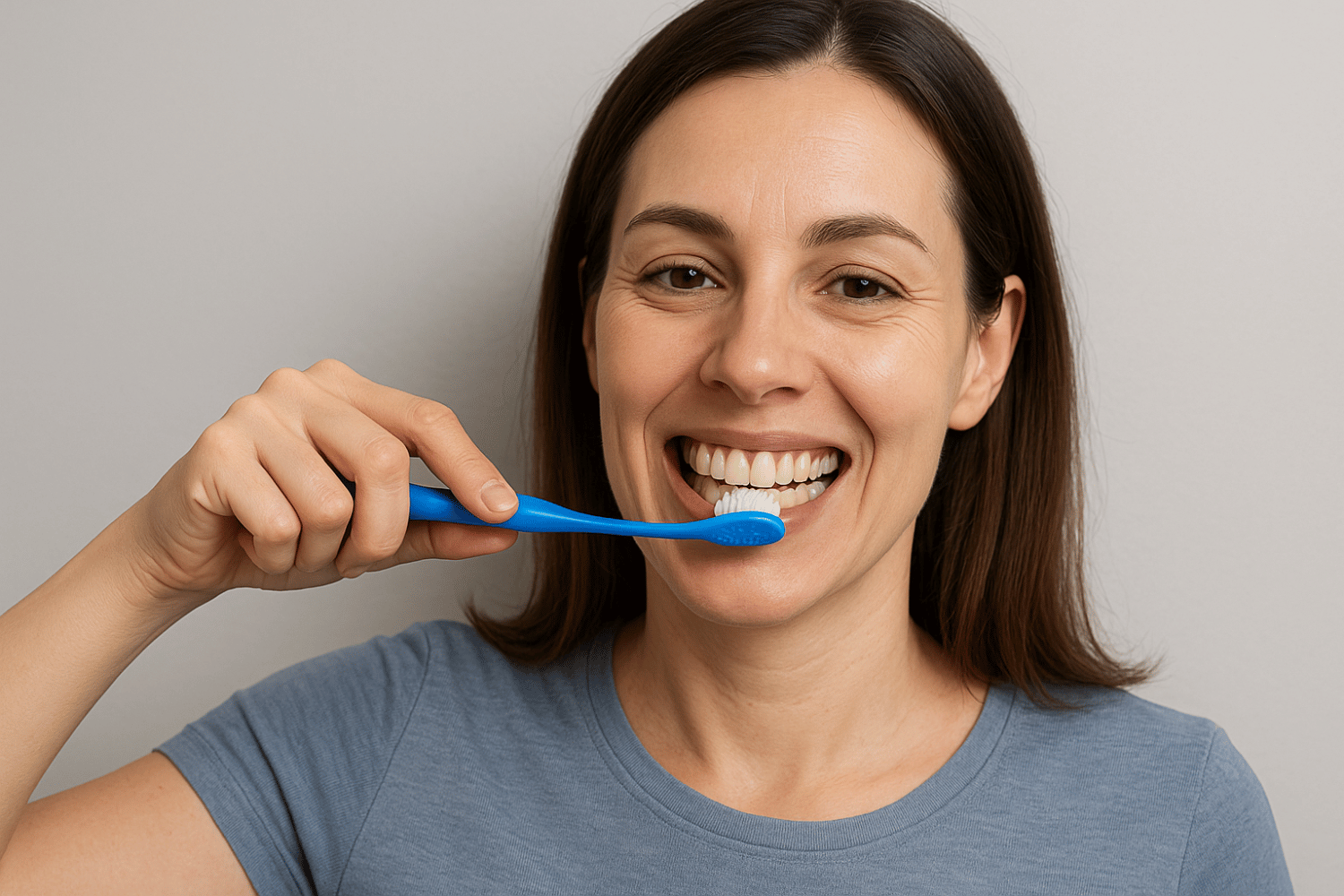
Maintaining good oral hygiene becomes even more important after whitening treatments. Regular brushing with fluoride toothpaste, daily flossing, and routine use of mouthwash help prevent new stains from forming and maintain the health of your teeth and gums. Some people benefit from incorporating whitening toothpaste into their routine to help maintain results between professional treatments.
Professional maintenance varies depending on your chosen treatment. Whitening treatments typically benefit from touch-up sessions every 6-12 months, while cosmetic dentistry solutions like veneers require regular checkups to ensure they remain in good condition. Your dental team can provide specific guidance on maintenance schedules based on your individual treatment and risk factors.
Lifestyle modifications that helped prevent yellowing teeth in the first place become crucial for maintaining treatment results. This includes moderating consumption of staining foods and beverages, using straws when appropriate, rinsing your mouth after consuming staining substances, and avoiding tobacco products.
The key to long-term success is finding a sustainable balance between enjoying your favorite foods and drinks while protecting your investment in a brighter smile. Most people find that simple modifications to their habits, rather than complete elimination of staining substances, provide adequate protection while allowing them to maintain their quality of life.
Regular dental checkups and cleanings remain essential for maintaining both your oral health and the appearance of your teeth. Professional cleanings help remove surface stains before they become embedded, and regular examinations allow for early detection and treatment of any issues that might affect your results.
Frequently Asked Questions
Are yellow teeth always a sign of poor oral hygiene or health problems?
No, yellow teeth are not always indicative of poor oral hygiene or health issues. Natural tooth color varies significantly between individuals due to genetic factors, and slightly yellow teeth can be completely healthy. The natural aging process also causes teeth to appear more yellow as enamel thins and the underlying dentin becomes more visible. However, sudden changes in tooth color, severe discoloration, or yellowing accompanied by pain or sensitivity should be evaluated by a dental professional to rule out underlying problems.
How long do professional teeth whitening results typically last before needing touch-ups?
Professional teeth whitening results typically last 1-3 years, depending on individual factors such as diet, lifestyle habits, and oral hygiene practices. People who frequently consume staining substances like coffee, tea, red wine, or tobacco products may notice results fading sooner, possibly requiring touch-ups every 6-12 months. Those who maintain excellent oral hygiene and limit staining foods and beverages can often maintain their results for 2-3 years before needing significant touch-up treatments.
Can yellow teeth be completely whitened to a bright white shade, or are there limitations?
While professional whitening treatments can significantly improve tooth color, there are limitations to how white teeth can become. The degree of whitening possible depends on the cause and severity of discoloration, natural tooth structure, and individual response to treatment. Surface stains typically respond very well to whitening, while intrinsic staining (such as from tetracycline or fluorosis) may require more intensive treatment or cosmetic dentistry alternatives like veneers. Your dental professional can provide realistic expectations based on your specific situation.
Is it safe to use multiple whitening products simultaneously to achieve faster results?
Using multiple whitening products simultaneously is not recommended and can be dangerous. Combining different whitening agents can lead to excessive enamel exposure to peroxides, potentially causing severe tooth sensitivity, enamel damage, or chemical burns to soft tissues. The concentration and duration of whitening agent exposure should be carefully controlled, which is why it’s important to follow product instructions exactly or work with a dental professional who can safely customize treatment intensity based on your individual needs.
What should I do if my teeth become sensitive during or after whitening treatments?
Tooth sensitivity during or after whitening treatments is common and usually temporary. If you experience sensitivity, reduce the frequency of treatment applications or take a break from whitening for a few days. Using desensitizing toothpaste containing potassium nitrate or fluoride can help reduce discomfort. For professional treatments, your dental team can adjust the concentration or duration of application to minimize sensitivity. If sensitivity persists beyond a few days or becomes severe, contact your dental professional, as this may indicate that the treatment needs to be modified or that there’s an underlying dental issue requiring attention.

