
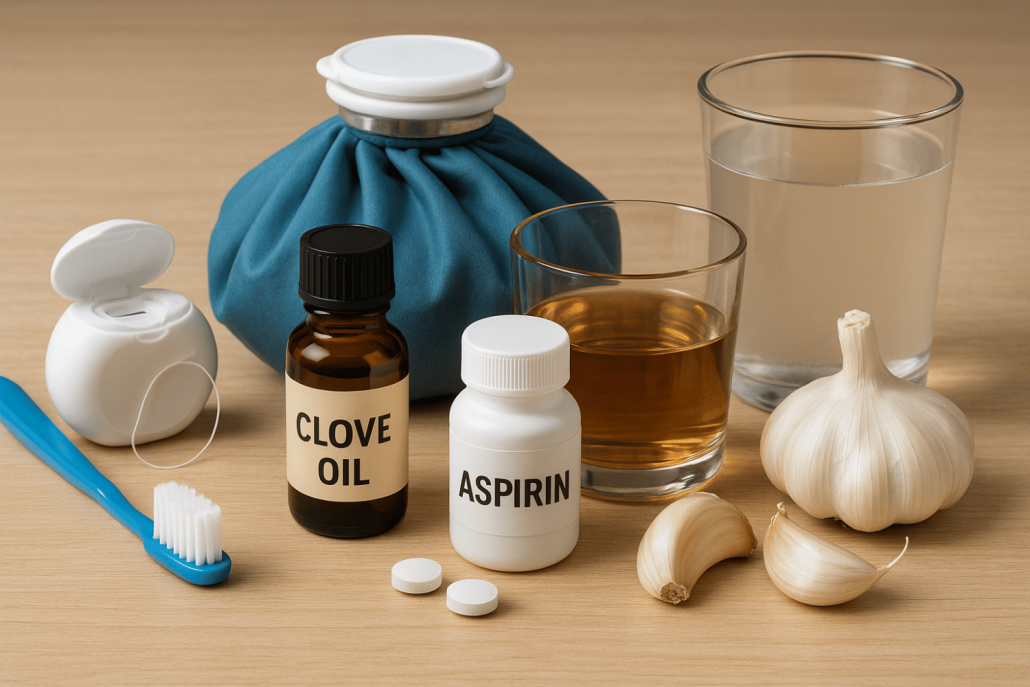
Toothache Myths Debunked: What Really Helps Dental Pain
When severe pain strikes your tooth at 2 AM, the internet becomes a tempting source of quick fixes. Unfortunately, many of the most popular toothache remedies circulating online can actually make your dental pain worse, cause permanent damage to your gums and teeth, or delay the professional care you desperately need.
As experienced dentists in Omaha, we’ve seen countless patients arrive at our emergency appointments with complications from dangerous home remedies. The myths surrounding toothache relief are not just ineffective—they’re often harmful. Understanding what really works versus what causes more harm can mean the difference between quick relief and a dental emergency.
Key Takeaways
- Many popular toothache remedies like putting aspirin directly on teeth or using ice can actually make dental pain worse and cause serious tissue damage
- Home remedies provide only temporary relief and never address the root cause of tooth pain, often leading to more severe complications
- Professional dental care from experienced Omaha dentists is essential for proper diagnosis and lasting relief from dental pain
- Some natural remedies like clove oil can offer temporary relief when used correctly, but should never replace professional treatment
- Ignoring dangerous toothache myths and seeking prompt treatment prevents serious health issues and saves money in the long run

The Most Dangerous Toothache Myths That Make Pain Worse
Dental myths spread rapidly through social media, family traditions, and well-meaning but misguided advice. These common dental myths persist because they often provide temporary relief, creating the illusion that they’re working while the underlying issue continues to worsen.
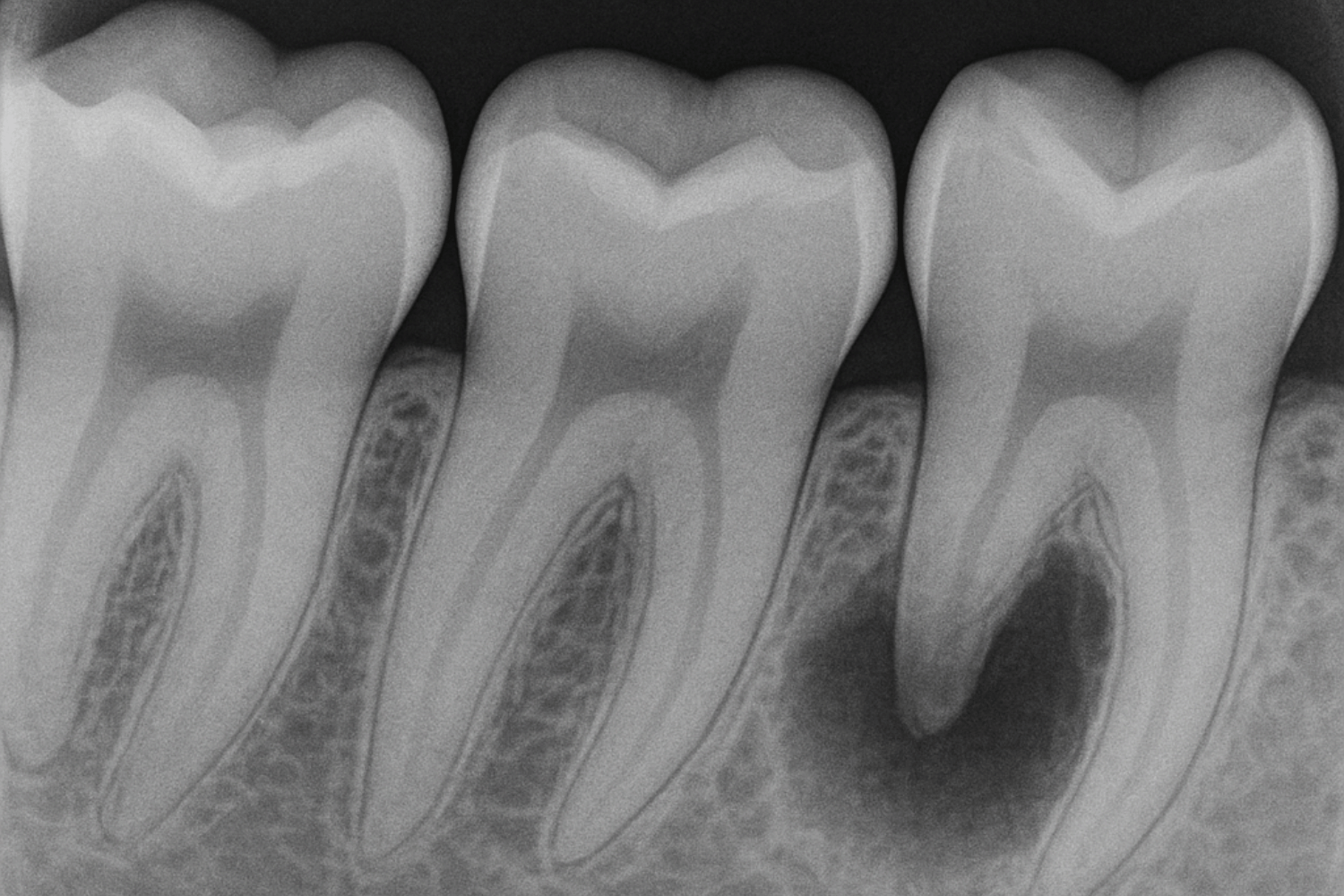
The reality is that tooth pain occurs when the nerve inside your tooth becomes inflamed or infected, often due to tooth decay, trauma, or gum disease. This affected tooth requires professional treatment to address the root cause—no home remedy can penetrate deep enough to eliminate the infection or repair the damage causing your discomfort.
When patients delay seeking professional care by relying on dangerous remedies, we frequently see complications like abscessed tooth formation, nerve damage, and even serious health issues from spreading infections. The American Dental Association consistently warns against these popular but harmful approaches to dental pain management.
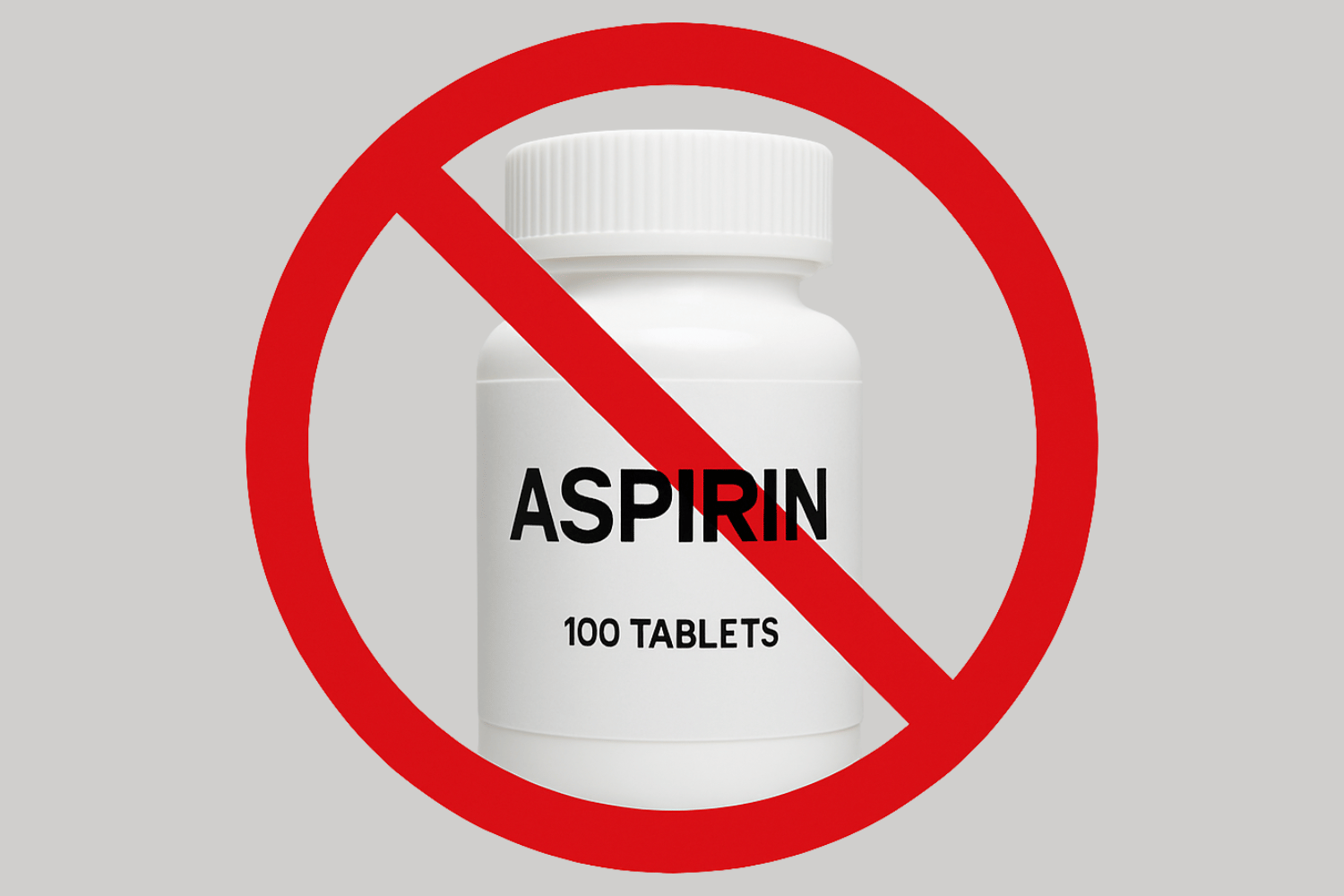
Myth 1: Applying Aspirin Directly to Your Tooth Relieves Pain
One of the most common dental myths involves putting aspirin directly on the affected tooth or surrounding gum tissue. This dangerous practice has been passed down through generations, but it can cause severe chemical burns and make your pain worse.
Aspirin contains acetylsalicylic acid, which works as a pain reliever when swallowed and absorbed into your bloodstream. However, when applied directly to oral tissues, this acid burns the delicate gum tissue surrounding your tooth, creating painful ulcers that can take weeks to heal. The chemical burn often causes more severe pain than the original toothache.
The American Dental Association explicitly warns against topical aspirin application. Instead of providing relief, this myth can lead to permanent damage to your soft tissue and complicate any professional treatment your dentist needs to perform.
Safer alternative: If an OTC pain reliever is appropriate for you, take it by mouth exactly as labeled for reducing inflammation. This allows the medication to work systemically while avoiding tissue damage. If you need immediate relief, combine this with other dentist-approved methods like warm salt water rinses.
Myth 2: Ice Directly on the Tooth Reduces Swelling and Pain
Many people believe that applying ice directly to a painful tooth will provide relief similar to how a cold compress helps with injuries. However, this approach often makes dental pain significantly worse, especially if you have a sensitive tooth or exposed nerve.
Cold exposure can trigger intense pain in teeth with inflamed nerves or exposed tooth enamel. When the nerve inside your tooth is already irritated, temperature extremes—whether hot or cold—can cause excruciating pain that lasts long after the stimulus is removed.
The confusion often arises because ice can help with external facial swelling from dental infections. However, applying ice directly to teeth or gums can cause additional nerve damage and increase sensitivity, making your toothache relief efforts counterproductive.
Proper technique: Use a cold compress on the outside of your cheek for 15-20 minutes at a time to reduce external swelling. Never apply ice directly to teeth or gums. This external application can help with inflammation while avoiding the nerve irritation that makes internal tooth pain worse.
Myth 3: Alcohol or Whiskey Can Kill Tooth Infections
The belief that alcohol can kill bacteria causing dental infections is widespread but completely false. While alcohol does have antibacterial properties, it cannot penetrate deep enough into tooth structures to reach the bacteria causing your infection.
Alcohol actually makes oral health problems worse by drying out your mouth and irritating already inflamed gum tissue. The temporary numbing effect people experience is superficial and brief, while the underlying infection continues to spread. This false sense of relief often leads to dangerous delays in seeking professional care.
Furthermore, using alcohol as a mouth rinse can interfere with your body’s natural healing processes and may interact dangerously with pain medications you might be taking for tooth pain relief.
What actually works: If you have signs of a dental infection—such as facial swelling, fever, or persistent throbbing pain—you need immediate professional dental care. Antibiotics prescribed by your dentist, combined with appropriate treatment to remove the infection source, are the only effective approaches for dental infections.

Myth 4: Clove Oil Is a Permanent Solution for Dental Pain
Clove oil is one of the few natural remedies with legitimate pain-relieving properties, thanks to its active ingredient eugenol. However, the myth that it can permanently solve dental problems has led many patients to delay necessary professional care.
While clove oil can provide temporary relief by numbing nerve endings, overuse can actually damage your gum tissue and tooth enamel. The concentrated eugenol can cause chemical burns similar to those from topical aspirin, especially when applied repeatedly or in large amounts.
Professional dental offices actually use eugenol in controlled formulations for certain procedures, but the over-the-counter versions available to consumers are much less refined and can cause tissue irritation when used improperly.
Safe usage: Apply a tiny amount of clove oil to a cotton swab and dab gently on the affected area—never pour it directly onto your tooth. Use sparingly and only as a bridge to professional care, not as a long-term solution. If you experience any burning or increased pain, discontinue use immediately.
Myth 5: Garlic and Onion Can Cure Infected Teeth
The antibacterial properties of garlic and onion have led to the persistent myth that they can cure dental infections. While these foods do contain compounds with antimicrobial effects, they cannot penetrate deep enough into tooth structures to eliminate the bacteria causing serious infections.
Raw garlic applied directly to teeth or gums can cause chemical burns similar to those from aspirin. The allicin in garlic is particularly harsh on delicate oral tissues, often creating additional pain and inflammation on top of your existing toothache.
The belief in this myth often stems from the temporary relief some people experience from the strong flavors masking their pain sensation. However, this masking effect prevents proper assessment of the underlying issue while allowing dangerous infections to progress unchecked.
Professional reality: Dental infections require mechanical removal of infected tissue and proper disinfection that only professional dental care can provide. While maintaining good oral hygiene with proper nutrition supports healing, no food can substitute for professional treatment of infected teeth.
Myth 6: If Tooth Pain Stops, the Problem Is Solved
Perhaps the most dangerous dental myth is believing that when tooth pain suddenly disappears, the underlying problem has resolved itself. In reality, sudden pain relief often indicates that the nerve inside your tooth has died—a serious condition requiring immediate professional attention.
When the nerve in your tooth dies, you lose the ability to feel pain from that tooth, but the infection often continues to spread into the surrounding bone and soft tissue. This can lead to abscessed tooth formation, facial swelling, and potentially life-threatening infections if left untreated.
Many patients arrive at our Omaha dental office weeks or months after their “pain went away,” only to discover they need extensive treatment for advanced infections that could have been prevented with prompt care when the pain first began.
Warning signs: If your severe tooth pain suddenly stops, especially if accompanied by a bad taste in your mouth, facial swelling, or fever, seek emergency dental care immediately. These symptoms often indicate nerve death and potential abscess formation.
What Actually Works: Dentist-Approved Pain Relief Methods
While home remedies cannot cure dental problems, there are safe, dentist-approved methods to manage pain until you can receive professional care. These approaches focus on reducing inflammation and providing temporary relief without causing additional harm.
Over-the-counter pain medications: Ibuprofen is often the most effective choice for dental pain because it reduces inflammation in addition to providing pain relief. Take as directed on the package, and you can safely combine it with acetaminophen for enhanced relief. Never exceed recommended dosages or apply these medications directly to your teeth or gums.
Warm salt water rinses: Mix half a teaspoon of salt in a cup of warm water and gently swish for 30 seconds before spitting out. This can help reduce bacteria and inflammation around the affected area. Repeat every few hours, but avoid vigorous swishing that might increase pain.
Soft diet modifications: Stick to soft foods that don’t require extensive chewing, and avoid extremely hot or cold items that might trigger pain in a sensitive tooth. Chew on the opposite side of your mouth when possible to reduce pressure on the affected tooth.
Proper sleep positioning: Elevate your head with an extra pillow to reduce blood flow to the affected area, which can help minimize throbbing pain that often worsens when lying flat.
Red Flags: When Home Remedies Become Dangerous
Certain symptoms indicate that your dental pain has progressed beyond what temporary relief measures can safely manage. Recognizing these red flags can prevent serious health complications and potentially save your life.
Facial swelling extending beyond the immediate tooth area, especially if it affects your ability to swallow or open your mouth fully, requires immediate emergency care. This can indicate a rapidly spreading infection that threatens your airway.
Fever and systemic symptoms accompanying tooth pain suggest the infection has entered your bloodstream. This is a medical emergency requiring immediate professional intervention, not home treatment attempts.
Difficulty swallowing or breathing in conjunction with dental pain indicates a severe infection that has spread to critical areas. Call emergency services immediately—this is not a time for home remedies.
Persistent bleeding gums or discharge with a foul taste often indicates advanced gum disease or abscess formation that requires professional drainage and treatment.
If you experience any of these symptoms, contact an emergency dentist in Omaha immediately. Many dental offices provide after-hours emergency numbers for situations that cannot wait until regular business hours.
Why Professional Dental Care Is Essential for Toothaches
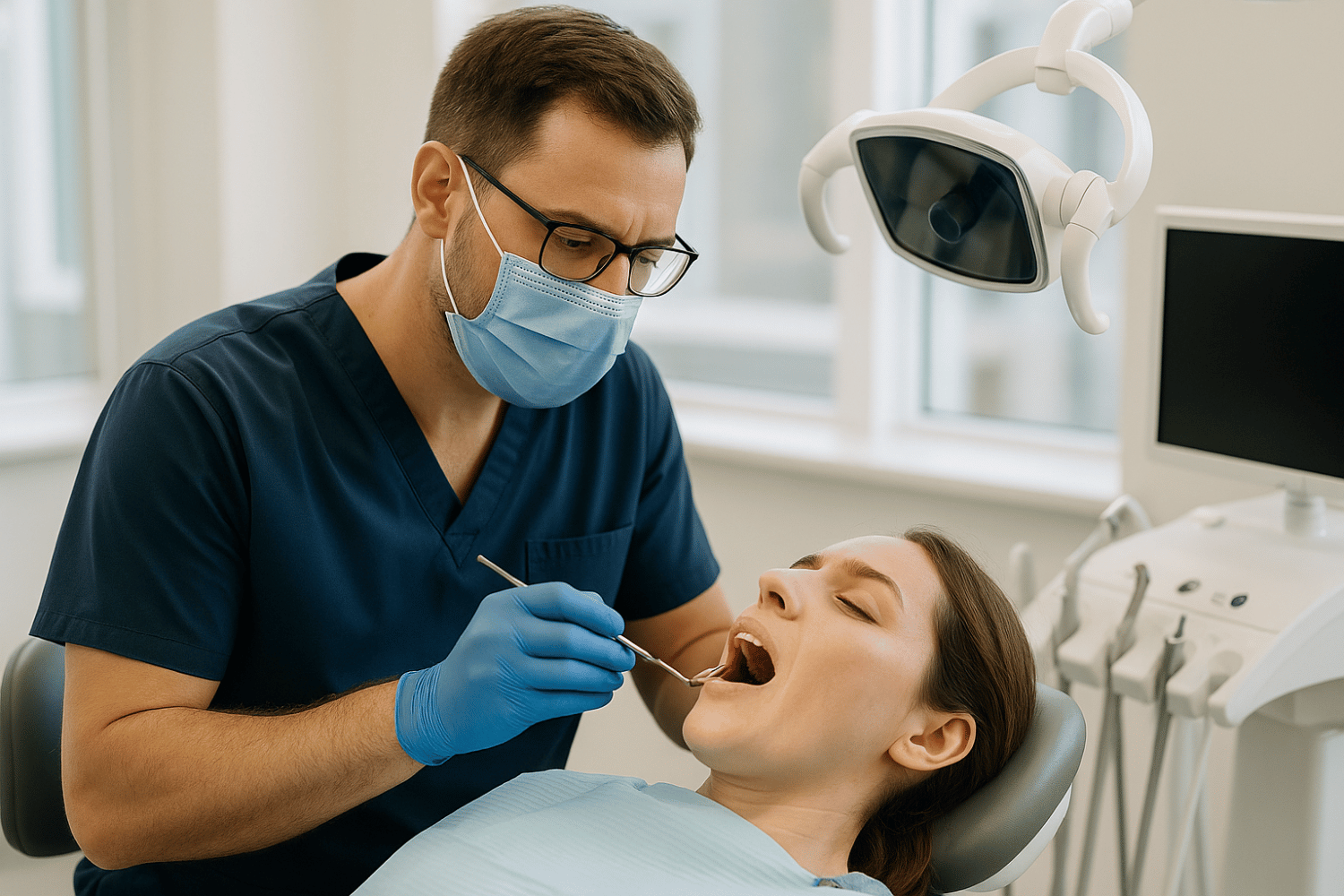
Professional dental care offers diagnostic capabilities and treatment options that no home remedy can match. Modern dental offices use advanced imaging technology, including digital X-rays and sometimes 3D imaging, to identify the exact cause of your pain and develop an appropriate treatment plan.
Unlike temporary relief methods, professional treatment addresses the root cause of your dental pain. Whether you need a simple filling for tooth decay, root canal therapy for an infected nerve, or treatment for gum disease, only professional care can eliminate the source of your discomfort permanently.
Early intervention through professional care often prevents the need for more extensive and expensive treatments later. A tooth that could be saved with a filling today might require a root canal or extraction if the decay progresses, highlighting the importance of prompt professional attention.
Cost considerations: While professional dental care requires an upfront investment, treating problems early is significantly less expensive than dealing with complications from delayed care. Emergency treatments, extensive restorations, and tooth replacement options cost far more than preventive and early intervention treatments.
Preventing Future Toothaches: Evidence-Based Strategies
The best approach to toothache relief is preventing dental pain from occurring in the first place. Maintaining excellent oral health through proven strategies can help you avoid the discomfort and complications associated with dental problems.
Daily oral hygiene routine: Brush twice daily with fluoride toothpaste using a soft bristled toothbrush to protect your tooth enamel while effectively removing plaque. Floss daily to remove food particles and bacteria from between teeth where your toothbrush cannot reach. Stopping flossing when your gums bleed actually makes gum disease worse—gentle, consistent flossing helps heal bleeding gums over time.
Regular dental checkups: Professional cleanings and examinations every six months allow early detection of problems before they cause pain. Your dentist can identify tooth decay, gum recession, and other oral health problems in their early stages when treatment is simpler and less expensive.
Dietary modifications: Limit sugary and acidic foods that contribute to tooth decay. When you do consume these items, rinse with water afterward and wait at least 30 minutes before brushing to avoid damaging softened tooth enamel.
Protective measures: If you grind your teeth at night (teeth grinding), ask your dentist about a custom night guard to protect your adult teeth from damage. Athletes should wear appropriate mouth guards during contact sports to prevent dental trauma.
Recognize early warning signs: Sensitivity to hot or cold, occasional sharp pains, or changes in your gums’ appearance warrant professional evaluation before they progress to severe pain requiring emergency treatment.
Frequently Asked Questions
Can I use hydrogen peroxide to treat a toothache at home?
While diluted hydrogen peroxide can help with minor gum irritation, it should never be used as a primary treatment for tooth pain. Hydrogen peroxide can irritate inflamed tissues and doesn’t address the underlying causes of dental pain like infection or decay. Use only as a gentle rinse with water, and always seek professional care for persistent tooth pain.
How long is it safe to wait before seeing a dentist for tooth pain?
You should consult your dentist within 24-48 hours of experiencing significant tooth pain. While mild sensitivity might be monitored for a few days, persistent or severe pain indicates a problem that will likely worsen without professional treatment. Any signs of infection (swelling, fever, bad taste) require immediate attention.
Are there any over-the-counter medications that can permanently stop tooth pain?
No over-the-counter pain reliever can permanently eliminate tooth pain because they don’t address the underlying issue causing the discomfort. Over-the-counter pain medications can provide temporary relief while you arrange professional care, but lasting relief requires treating the root cause through appropriate dental treatment.
What should I do if my toothache gets worse after trying home remedies?
Stop using any home remedies immediately and seek professional care. Worsening pain often indicates that the underlying problem is progressing or that the remedy is causing additional irritation. Contact your dentist’s emergency line or visit an urgent care dental clinic for prompt evaluation and proper care.
Is it normal for tooth pain to come and go, or should I be concerned?
Intermittent tooth pain often indicates a developing problem that requires professional attention. While the pain may seem manageable when it’s not severe, fluctuating dental pain typically worsens over time and can suddenly become a dental emergency. It’s much better to address intermittent pain early rather than wait for it to become constant and severe.

