

Tongue Discoloration: Understanding What Different Colors Mean for Your Health
Looking in the mirror and noticing your tongue isn’t its usual pink color can be concerning. Your tongue serves as a window into your overall health, and changes in its appearance shouldn’t be ignored. At Today’s Dental, we believe in empowering our patients with knowledge about their oral health, including understanding what different tongue colors might mean for their wellbeing.
Tongue discoloration affects millions of people and can range from harmless temporary changes to indicators of serious underlying health condition. Understanding the difference between normal variations and concerning changes can help you make informed decisions about when to seek professional care.
Key Takeaways
- Tongue discoloration can indicate various health conditions ranging from minor hygiene issues to serious systemic diseases
- A healthy tongue is typically light pink with a slight white coating and small bumps called papillae
- Common causes include poor oral hygiene, dietary factors, medications, infections, and nutritional deficiencies
- Persistent color changes lasting more than two weeks warrant professional medical evaluation
- Regular oral hygiene and dental checkups help prevent and detect tongue discoloration early
What Is Tongue Discoloration?
Tongue discoloration refers to any abnormal change in your tongue’s color from its normal light pink appearance. This muscular organ contains thousands of taste buds and tiny bumps called papillae that give it its characteristic texture. When these structures become inflamed, infected, or affected by external factors, the tongue’s appearance can change dramatically.
The tongue’s color reflects your overall health status more than you might realize. Changes can occur uniformly across the entire tongue surface or appear as patches in specific areas. These alterations may develop gradually over time or appear suddenly, each pattern providing valuable clues about potential underlying causes.
Understanding how your tongue may respond to various factors helps you recognize when changes are temporary and harmless versus when they require prompt medical attention. The tongue surface is particularly sensitive to bacterial changes, nutritional deficiencies, and systemic health conditions.

Normal Tongue Appearance vs. Concerning Changes
A healthy tongue typically appears light pink to dark pink in color with a slightly moist surface covered in small bumps. A thin whitish coating is normal and consists of dead skin cells, food debris, and bacteria that naturally accumulate throughout the day. The tongue should feel flexible and pain-free during normal movement and function.
Normal variations exist among different populations, with some individuals naturally having purple or brown pigmentation, particularly those with darker skin tones. These natural color variations are typically present from birth or early childhood and remain consistent over time.
The papillae structure plays a crucial role in normal tongue appearance, creating the characteristic rough texture that helps with taste sensation and food processing. When papillae become inflamed or enlarged, they can trap bacteria and debris, leading to visible color changes.
Red flags that indicate the need for professional evaluation include persistent discoloration lasting more than two weeks, tongue pain, difficulty swallowing, a swollen tongue, or white patches that cannot be removed by gentle scraping. Any sudden onset of bright red tongue or blue tongue discoloration requires immediate medical assessment.
Common Types of Tongue Discoloration
White Tongue Discoloration
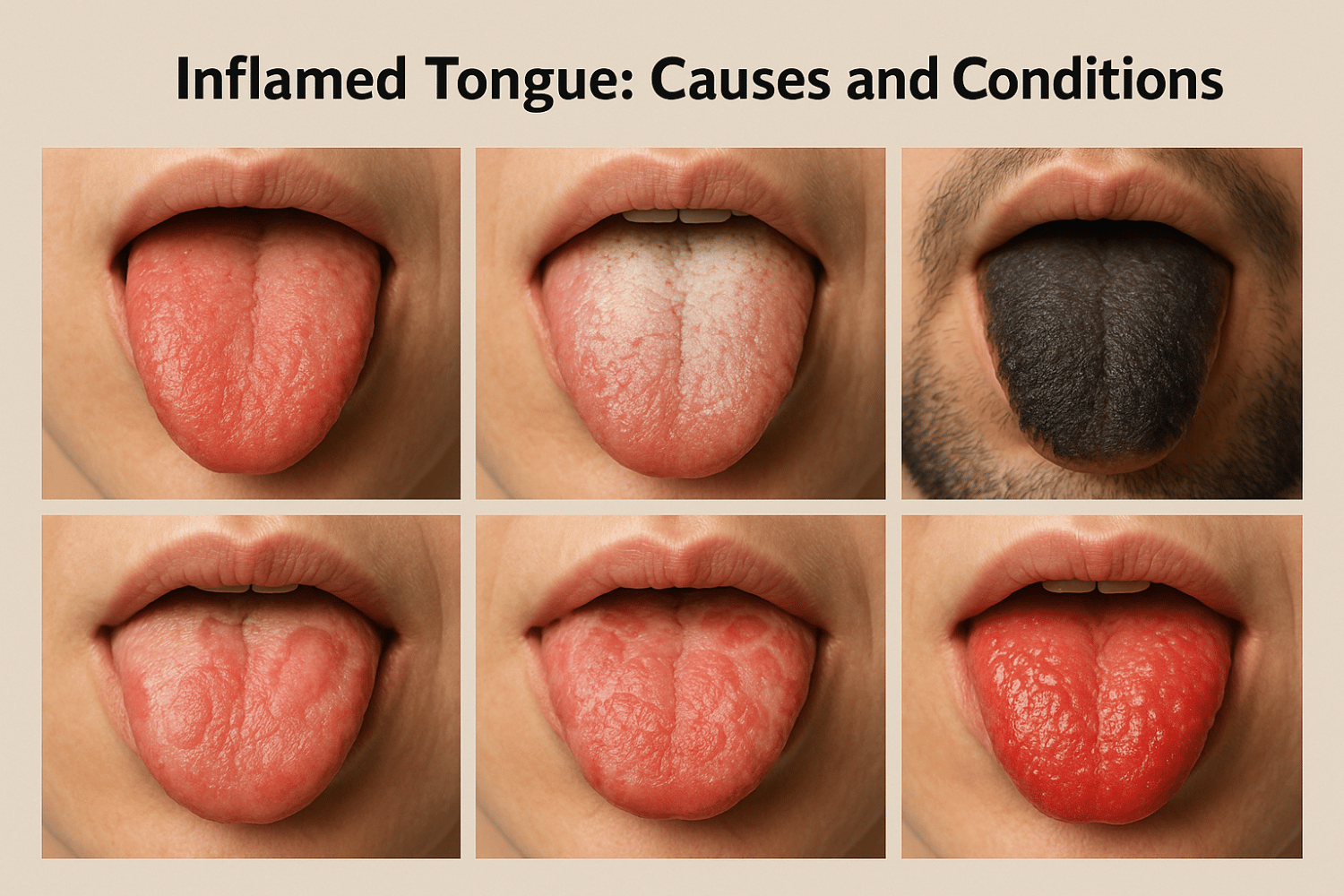
White tongue is one of the most common forms of discoloration and often results from poor oral hygiene practices. When dead cells accumulate on the tongue surface, they create a thick white coating that can harbor bacteria and cause bad breath. Dehydration and dry mouth also contribute to this buildup.
Oral thrush, a fungal infection caused by Candida overgrowth, presents as white patches that may extend throughout the mouth. This condition is more common in individuals with weakened immune systems, those taking antibiotics, or people with certain medical conditions like diabetes.
Leukoplakia appears as white patches that cannot be scraped off and may indicate a precancerous condition, particularly in tobacco users. Geographic tongue creates a map-like pattern with white borders surrounding red patches that shift location over time, though this condition is generally harmless.
A routine dental exam can help distinguish between harmless white coating and more serious conditions requiring further evaluation. Regular tongue cleaning with a tongue scraper can prevent many cases of white tongue caused by poor oral hygiene.
Red or Strawberry Tongue
A bright red tongue often signals vitamin deficiencies, particularly B vitamins including B12, folic acid, and niacin. These nutritional deficiencies can cause the tongue to become smooth and bright red as papillae are lost and inflammation develops.
Strawberry tongue is a distinctive presentation associated with scarlet fever, where the tongue appears bright red with prominent white-coated papillae resembling strawberry seeds. This condition requires antibiotic treatment and immediate medical attention.
In children, strawberry tongue may indicate Kawasaki disease, a serious inflammatory condition affecting blood vessels throughout the body. This autoimmune disorder requires prompt medical attention to prevent potential heart complications.
Glossitis, or tongue inflammation, can cause the tongue to appear smooth and red due to papillae loss. Various factors including spicy or acidic foods, certain medications, and autoimmune disorders can trigger this inflammatory response.
Yellow Tongue Discoloration
Yellow tongue typically develops when bacteria become trapped between inflamed papillae, creating a yellowish discoloration that may progress to more severe changes if left untreated. Contributing factors include poor oral hygiene, dry mouth from mouth breathing, smoking, and excessive alcohol consumption.
This discoloration often represents an intermediate stage that can progress to black hairy tongue if the underlying causes aren’t addressed. The yellow appearance results from bacterial overgrowth and the accumulation of dead cells on the tongue surface.
Certain medical conditions affecting liver function can also cause yellow discoloration as bilirubin accumulates in tissues. However, this type of yellowing typically affects other areas of the body as well, including the skin and eyes.
Improved oral hygiene, including daily tongue cleaning and staying well-hydrated, often resolves yellow tongue within a few weeks. If discoloration persists despite good oral hygiene practices, further testing may be necessary to identify underlying causes.
Black Tongue Discoloration
Black hairy tongue results from the elongation and darkening of filiform papillae, creating a hairy appearance on the tongue surface. This benign condition affects up to 11% of elderly individuals in institutional settings and is more common among tobacco users and those with poor oral hygiene.
Certain medications, particularly bismuth-containing preparations like Pepto-Bismol, can cause temporary black discoloration that resolves after discontinuing the medication. Taking antibiotics can also disrupt the normal oral bacteria balance, leading to overgrowth of chromogenic bacteria.
This appearance, while alarming, is usually harmless and resolves with improved oral hygiene, including gentle tongue brushing or scraping twice daily. Discontinuing any contributing habits like tobacco use accelerates resolution.
If black tongue persists despite good oral hygiene and appears alongside symptoms like mouth sores, enlarged lymph nodes, or difficulty swallowing, medical evaluation is necessary to rule out more serious conditions like oral cancer.
Blue or Purple Tongue Discoloration
A blue or purple tongue can signal poor circulation or inadequate oxygenation of the blood, a serious condition requiring immediate medical attention. This cyanotic appearance occurs when blood isn’t receiving enough oxygen or when blood flow becomes restricted.
Respiratory conditions, heart disease, or blood disorders can all cause this type of discoloration. In traditional Chinese medicine, a purple tongue may indicate blood stagnation, though Western medicine focuses on identifying specific circulatory or oxygenation problems.
Certain medications or dental amalgam fillings may cause localized blue or gray discoloration, which is typically benign and confined to specific areas rather than affecting the entire tongue. Vascular malformations can also create purple or blue patches on the tongue surface.
Anyone experiencing sudden onset of blue tongue, especially when accompanied by shortness of breath, chest pain, or confusion, should seek emergency medical care immediately as this may indicate a life-threatening condition.
Causes of Tongue Discoloration
Poor Oral Hygiene
Inadequate oral hygiene practices allow bacteria, food particles, and dead cells to accumulate on the tongue surface, leading to various forms of discoloration. The tongue’s papillae create numerous crevices where debris can become trapped, providing an ideal environment for bacterial growth.
When regular tongue cleaning is neglected, the buildup can progress from mild white coating to more severe yellow or black discoloration. Bad breath often accompanies tongue discoloration caused by poor hygiene, as bacterial decomposition produces volatile sulfur compounds.
Regular brushing and flossing alone may not adequately clean the tongue surface. Incorporating tongue scraping or gentle tongue brushing into your daily routine can significantly reduce bacterial load and prevent discoloration.
Maintaining proper oral hygiene becomes particularly important for individuals with dry mouth, as reduced saliva production decreases the mouth’s natural self-cleaning mechanisms. Staying well-hydrated and using alcohol-free mouthwashes can help maintain tongue health.
Dietary Factors
Certain foods and beverages can temporarily stain the tongue, causing harmless discoloration that typically resolves within hours. Coffee, tea, red wine, and brightly colored foods like beets or popsicles commonly cause temporary staining.
Acidic or spicy foods may irritate the tongue surface, causing redness or inflammation that persists for several days. These dietary irritants can damage papillae and increase sensitivity, making the tongue more susceptible to injury and infection.
A diet lacking in essential nutrients, particularly B vitamins and iron, can cause persistent tongue color changes accompanied by other symptoms like soreness or changes in taste perception. Nutritional deficiencies often result from restrictive diets, malabsorption disorders, or chronic health conditions.
Consuming a balanced diet rich in fruits, vegetables, whole grains, and lean proteins supports tongue health and overall oral wellness. If dietary modifications don’t improve persistent discoloration, nutritional testing may identify specific deficiencies requiring supplementation.
Medications and Treatments
Various medications can cause tongue discoloration as a direct side effect or by altering the oral environment in ways that promote color changes. Antibiotics may disrupt the natural balance of oral bacteria, allowing overgrowth of chromogenic species that produce dark pigments.
Bismuth subsalicylate, the active ingredient in Pepto-Bismol, commonly causes temporary black tongue by forming bismuth sulfide when interacting with trace amounts of sulfur in saliva. This harmless reaction resolves within days to weeks after discontinuing the medication.
Chemotherapy and radiation therapy can damage oral tissues, leading to inflammation, infection, and discoloration. Cancer treatments may also increase susceptibility to oral thrush, which presents as white patches on the tongue.
Certain psychiatric medications, antihistamines, and blood pressure drugs can cause dry mouth, indirectly contributing to tongue discoloration by reducing saliva’s protective effects. Discussing medication side effects with your healthcare provider can help identify alternatives if tongue discoloration becomes problematic.
Infections
Oral thrush, caused by Candida fungal overgrowth, creates white patches on the tongue that may bleed when scraped. This infection commonly affects infants, elderly individuals, people with weakened immune systems, and those taking antibiotics or corticosteroids.
Bacterial infections can cause various color changes, with streptococcal infections potentially producing the characteristic strawberry tongue seen in scarlet fever. These infections require prompt antibiotic treatment to prevent complications.
Sexually transmitted infections like syphilis can cause tongue lesions and discoloration, highlighting the importance of comprehensive STI screening when unusual tongue changes occur. Early-stage syphilis may present with painless sores, while later stages can cause white patches or smooth red areas.
Viral infections, particularly oral herpes, may cause painful sores and redness on the tongue. HIV can manifest with various oral symptoms including persistent white patches, lesions, and increased susceptibility to oral infections.
Nutritional Deficiencies
Vitamin B12 deficiency frequently causes a smooth, red, painful tongue as papillae atrophy and inflammation develops. This condition, called glossitis, may occur alongside other symptoms like fatigue, weakness, and neurological changes.
Iron deficiency anemia can cause tongue pallor, smoothness, and soreness, often accompanied by other symptoms like brittle nails, fatigue, and difficulty swallowing. The tongue may appear unusually pale rather than its normal pink color.
Folate (vitamin B9) deficiency produces similar tongue changes to B12 deficiency, including redness, smoothness, and discomfort. Both conditions may result from dietary inadequacy, malabsorption disorders, or certain medications that interfere with nutrient absorption.
Niacin (vitamin B3) deficiency, though rare in developed countries, can cause a bright red, swollen tongue as part of pellagra syndrome. This condition also affects skin and digestive function, requiring prompt nutritional intervention.
Underlying Health Conditions
Geographic tongue is a benign inflammatory condition creating map-like patterns of red patches bordered by white rings. This harmless condition affects up to 3% of the population and may be associated with psoriasis or reactive arthritis.
Oral lichen planus, an autoimmune condition, causes white lacy patterns or red patches on the tongue and other oral tissues. While usually not dangerous, this condition requires monitoring as it slightly increases oral cancer risk.
Diabetes can increase susceptibility to oral infections like thrush, leading to white tongue discoloration. Poor blood sugar control also impairs wound healing and immune function, making oral health problems more common and difficult to resolve.
Liver disease may cause yellow tongue discoloration as bilirubin accumulates, though this typically affects other body parts more noticeably. Kidney disease, heart conditions, and respiratory problems can all manifest with tongue color changes reflecting systemic health issues.
When to See a Doctor
Persistent tongue discoloration lasting more than two weeks despite improved oral hygiene warrants professional evaluation. While many cases resolve with simple interventions, ongoing changes may signal underlying health conditions requiring diagnosis and treatment.
Seek immediate medical attention if you experience tongue discoloration accompanied by difficulty breathing, swallowing problems, severe tongue swelling, or blue tongue coloration. These symptoms may indicate serious conditions like allergic reactions, infections, or circulatory problems.
White patches that cannot be removed by gentle scraping, particularly in tobacco users or individuals with weakened immune systems, require evaluation to rule out leukoplakia or oral cancer. Early detection of precancerous changes significantly improves treatment outcomes.
Tongue changes occurring alongside other concerning symptoms like unexplained weight loss, persistent fever, enlarged lymph nodes, or mouth sores should prompt medical consultation. Your healthcare provider can perform a comprehensive evaluation to identify underlying causes.
Diagnosis and Medical Evaluation
Your healthcare provider will begin by taking a detailed medical history, including information about your symptoms, medications, diet, oral hygiene habits, and general health status. This information helps narrow down potential causes and guide further testing.
Physical examination includes thorough inspection of your tongue, mouth, throat, and neck to assess the extent of discoloration and identify any accompanying abnormalities. Your provider may use special lighting or magnification to examine your tongue more closely.
Blood tests can detect nutritional deficiencies, infections, diabetes, liver or kidney problems, and other systemic conditions that may cause tongue discoloration. Complete blood count, vitamin levels, and metabolic panels provide valuable diagnostic information.
In some cases, a tongue scraping or biopsy may be necessary to identify specific infections or rule out precancerous changes. These procedures are typically quick and minimally uncomfortable, providing definitive diagnosis when visual examination and blood tests are inconclusive.
Treatment and Management
Improving Oral Hygiene
Regular tongue cleaning using a tongue scraper or soft toothbrush effectively removes bacteria, food debris, and dead cells that contribute to discoloration. Perform tongue cleaning once or twice daily, using gentle backward strokes from the base to the tip.
Brushing teeth at least twice daily with fluoride toothpaste and daily flossing remove food particles and bacteria from all mouth surfaces. Complete oral hygiene routines prevent bacterial overgrowth that can affect tongue appearance.
Rinsing with water or alcohol-free mouthwash after meals helps remove food particles and maintain a cleaner oral environment. Staying well-hydrated throughout the day supports saliva production, which naturally cleanses the mouth and protects against bacterial overgrowth.
Regular dental checkups and professional cleanings help maintain optimal oral health and allow early detection of problems. Your dentist can provide personalized recommendations for improving your oral hygiene routine based on your specific needs.
Dietary Modifications
Consuming a nutrient-rich diet including plenty of fruits, vegetables, whole grains, lean proteins, and dairy products ensures adequate intake of vitamins and minerals essential for tongue health. Pay particular attention to foods rich in B vitamins and iron.
Limiting consumption of staining foods and beverages like coffee, tea, and red wine reduces temporary tongue discoloration. If you do consume these items, rinsing your mouth with water afterward minimizes staining effects.
Avoiding excessively hot, spicy, or acidic foods prevents tongue irritation that can lead to redness and discomfort. If certain foods consistently trigger tongue changes, consider eliminating or reducing them in your diet.
Reducing or eliminating tobacco and alcohol use significantly improves tongue health and reduces risk of serious conditions like oral cancer. These substances contribute to various forms of tongue discoloration and increase susceptibility to oral infections.
Medical Treatments
Antifungal medications effectively treat oral thrush, with options including topical treatments like nystatin swish-and-swallow or systemic medications like fluconazole for more severe or recurrent cases. Treatment typically continues for 7-14 days.
Bacterial infections causing tongue discoloration require appropriate antibiotic therapy based on the specific organism identified. Scarlet fever responds well to penicillin or other antibiotics, with symptoms typically improving within days of starting treatment.
Nutritional deficiencies are treated with appropriate supplementation, with B12 deficiency often requiring injections rather than oral supplements, particularly when caused by absorption problems. Iron supplementation may take several months to fully correct deficiency and associated tongue changes.
Underlying health conditions like diabetes, autoimmune disorders, or liver disease require comprehensive management to address both the systemic condition and its oral manifestations. Working with your healthcare team ensures coordinated care.
Home Remedies
Gentle tongue scraping with a specialized tool removes surface debris and bacteria more effectively than brushing alone. Perform this practice gently to avoid irritating the tongue surface, working from back to front with light pressure.
Salt water rinses (one teaspoon salt in eight ounces warm water) can reduce inflammation and promote healing of minor tongue irritation. Rinse for 30 seconds two to three times daily, particularly after meals.
Staying well-hydrated by drinking plenty of water throughout the day supports saliva production and the mouth’s natural cleansing mechanisms. Aim for at least eight glasses daily, more if you exercise or live in hot climates.
Probiotics may help restore healthy oral bacteria balance, particularly after antibiotic use. Consuming yogurt with live cultures or taking probiotic supplements supports beneficial bacteria that protect against harmful overgrowth.
Prevention Strategies
Maintaining excellent oral hygiene through regular brushing, flossing, and tongue cleaning prevents many cases of tongue discoloration. Establishing a consistent routine and following through daily provides the best protection against oral health problems.
Scheduling regular dental checkups every six months allows early detection of potential problems before they become serious. Your dentist can spot early signs of tongue changes and recommend appropriate interventions.
Eating a balanced, nutritious diet ensures adequate intake of vitamins and minerals essential for tongue and overall health. If dietary restrictions limit your food choices, discuss supplementation options with your healthcare provider.
Avoiding tobacco products and limiting alcohol consumption significantly reduces risk of tongue discoloration and serious oral health conditions including oral cancer. If you currently use these substances, consider seeking support to quit.
Complications of Untreated Tongue Discoloration
While many cases of tongue discoloration are harmless and resolve with simple interventions, ignoring persistent changes can allow serious conditions to progress. Untreated leukoplakia may develop into oral cancer, particularly in tobacco users, with early detection crucial for successful treatment.
Chronic nutritional deficiencies causing tongue discoloration can lead to additional health problems if not addressed. Vitamin B12 deficiency may cause irreversible neurological damage if allowed to persist, while iron deficiency can affect energy levels, cognitive function, and immune response.
Untreated oral infections can spread to other mouth areas or beyond, potentially causing systemic illness. Candida infections may spread to the esophagus or bloodstream in immunocompromised individuals, creating life-threatening situations.
Ignoring tongue changes that signal underlying health conditions like diabetes or heart disease delays diagnosis and treatment of these serious problems. Early intervention for systemic conditions improves outcomes and prevents complications.
Living with Chronic Tongue Conditions
Some tongue conditions like geographic tongue or oral lichen planus may persist long-term despite treatment, requiring ongoing management and monitoring. Understanding that these conditions are generally benign helps reduce anxiety, though regular dental surveillance remains important.
Learning to identify triggers that worsen symptoms allows you to make lifestyle modifications that improve comfort. Many people with geographic tongue find that spicy or acidic foods increase discomfort, while stress may exacerbate various chronic tongue conditions.
Working closely with your healthcare team ensures optimal management of chronic conditions and early detection of any concerning changes. Regular follow-up appointments allow monitoring of condition progression and adjustment of treatment approaches as needed.
Connecting with support groups or online communities of others with similar conditions can provide emotional support and practical tips for managing symptoms. Sharing experiences and coping strategies helps reduce the isolation that chronic conditions can create.
Special Considerations
Children and Tongue Discoloration
Tongue discoloration in children often results from different causes than in adults, with oral thrush being particularly common in infants. Geographic tongue also frequently appears in childhood and typically doesn’t require treatment unless it causes discomfort.
Strawberry tongue in children may indicate scarlet fever or, less commonly, Kawasaki disease. Parents should seek medical attention if their child develops tongue changes accompanied by fever, rash, or other concerning symptoms.
Ensuring children maintain good oral hygiene from an early age establishes lifelong healthy habits and prevents many cases of preventable tongue discoloration. Parents should supervise brushing and flossing until children develop the coordination to perform these tasks effectively.
Pregnancy and Tongue Changes
Hormonal changes during pregnancy can affect oral health, potentially increasing susceptibility to conditions like pregnancy gingivitis and geographic tongue. Maintaining excellent oral hygiene becomes even more important during this time.
Nutritional needs increase during pregnancy, and deficiencies may develop more quickly if dietary intake is inadequate. Prenatal vitamins help prevent deficiencies that could cause tongue discoloration, though some women may need additional supplementation.
Morning sickness and acid reflux, common in pregnancy, can irritate the tongue and cause redness or sensitivity. Rinsing with water after vomiting and managing reflux symptoms helps protect oral tissues from acid damage.
Aging and Tongue Health
As we age, tongues may naturally darken slightly and develop more pronounced fissures or grooves. These normal aging changes typically don’t require treatment unless they trap debris or cause discomfort.
Older adults face increased risk of dry mouth due to medications, medical conditions, and age-related changes in salivary gland function. This can contribute to tongue discoloration and increase susceptibility to oral infections.
Regular dental care becomes increasingly important with age, as older adults have higher risk of oral health problems including tongue discoloration, infections, and oral cancer. Medicare doesn’t typically cover dental care, but maintaining oral health remains crucial for overall wellbeing.
The Tongue as a Health Indicator
Traditional healing systems including Traditional Chinese Medicine and Ayurveda have long recognized the tongue as a diagnostic tool reflecting overall health status. While Western medicine focuses on specific anatomical and biochemical explanations, both approaches acknowledge that tongue appearance provides valuable health information.
The tongue’s rich blood supply and rapid cell turnover make it particularly sensitive to systemic changes, allowing early detection of nutritional deficiencies, infections, and other health conditions. Healthcare providers increasingly recognize tongue examination as an important component of comprehensive physical assessment.
Changes in tongue appearance, texture, or sensation can provide early warning signs of developing health problems, allowing intervention before conditions become serious. Learning to recognize your tongue’s normal appearance helps you notice concerning changes promptly.
While tongue self-examination provides useful information, professional evaluation remains essential for accurate diagnosis and treatment. Many serious conditions can manifest with tongue changes, making it unwise to rely solely on self-diagnosis when persistent or concerning alterations occur.
Conclusion
Your tongue serves as a valuable window into your overall health, with color changes often providing early clues about underlying conditions. While many cases of tongue discoloration result from harmless causes like dietary staining or temporary bacterial overgrowth, persistent changes warrant professional evaluation.
Maintaining excellent oral hygiene, eating a nutritious diet, staying well-hydrated, and avoiding tobacco and excessive alcohol use provide the foundation for tongue health. These simple practices prevent many common causes of tongue discoloration while supporting your overall oral and systemic health.
Regular dental checkups allow early detection of tongue changes and other oral health problems. Don’t hesitate to bring tongue concerns to your dentist’s attention, as these professionals are trained to recognize both harmless variations and concerning changes requiring further evaluation.
At Today’s Dental, we’re committed to comprehensive oral health care that addresses all aspects of your mouth, including tongue health. If you’re concerned about tongue discoloration or any other oral health issue, we encourage you to schedule an appointment. Early evaluation and intervention provide the best outcomes, whether your tongue changes indicate a simple hygiene issue or a more serious condition requiring treatment. Your tongue is trying to tell you something – make sure you’re listening.

