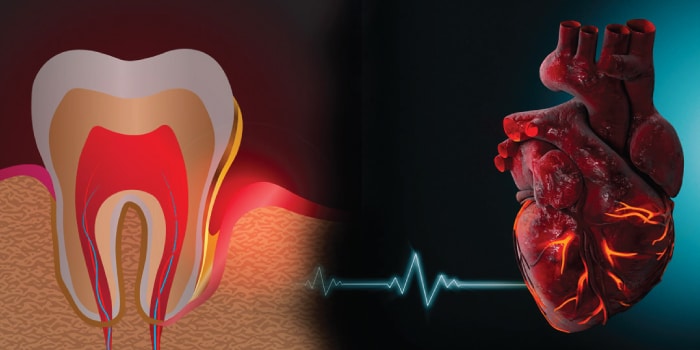

A Person With A Toothache And Swollen Face

Managing an Abscess from Tooth: Effective Relief and Prevention Strategies

Imagine waking up to a throbbing toothache that gets progressively worse throughout the day. You’re not alone; countless people have experienced the pain and discomfort of an abscess from a tooth. Managing an abscess from a tooth is crucial for maintaining your overall oral health and preventing serious complications. In this blog post, we’ll explore effective relief and prevention strategies to help you stay ahead of this painful condition.

Key Takeaways

  • Abscesses from teeth can be caused by bacteria, gum disease or dental procedures and require early intervention.
  • Treatment for abscessed teeth typically includes antibiotics, pain relief, root canal treatment or extraction to eliminate infection.
  • Good oral hygiene habits and regular dental visits are key in preventing the discomfort of an abscess as well as its progression into more extensive treatments.

Abscess from Tooth: Types and Causes

A tooth abscess is a pocket of pus resulting from a bacterial infection, often caused by poor oral hygiene, dental decay, or trauma. There are two main types of tooth abscesses: periapical and periodontal. Both types can affect the tooth root and cause significant discomfort, but they differ in their location and causes.

Periapical Abscess

Periapical abscesses form at the root tip due to bacteria invading the tooth’s pulp through dental cavities or cracks. Bacteria, such as Streptococcus species and Porphyromonas gingivalis, infiltrate the tooth pulp and propagate to the adjoining tissues, resulting in tooth infection and inflammation. A throbbing toothache is often the first sign of tooth pain, indicating possible tooth infections like a periapical abscess in the affected tooth, urging the need for early dental intervention.

Periodontal Abscess

Periodontal abscesses occur in the gum and jawbone tissues surrounding a tooth, often resulting from gum disease or dental procedures. Gum disease contributes to periodontal abscesses due to the gums receding from the teeth, forming deep crevices that harbor bacteria. If tartar builds up or food becomes lodged in these pockets, pus can form and an abscess may develop. Sensitivity to hot or cold food can be an indication of an abscess.

A Dentist Examining A Patient S Mouth

Recognizing Tooth Abscess Symptoms

Timely dental care depends on the early identification of tooth abscess symptoms, which can be indicative of a dental abscess. Common symptoms include intense toothache, accumulation of pus, tissue swelling, and pulsating pain. Some less common symptoms may include persistent headaches, jaw aches, or earaches, swelling in the face or neck, general fatigue, a bitter taste in the mouth, and breath odor.
Prompt visit to the dentist upon experiencing these symptoms is vital, as it helps prevent the serious complications that can arise from untreated abscesses.

A Person With A Swollen Face Due To An Untreated Abscess

Diagnosing an Abscessed Tooth

Dentists get an abscessed tooth diagnosed through physical examination, dental X-rays, and by assessing the patient’s symptoms and medical history. During the examination, the dentist checks the patient’s mouth and teeth for signs of infection, such as swelling, redness, and tenderness. Dental X-rays can provide a clear indication of an abscess and help determine the extent of the infection, providing guidance for appropriate treatment.
Alternative diagnostic methods include dental radiographs, orthopantomography, CT scans, MRIs, and extraoral ultrasound.

A Person Taking Antibiotics And Pain Relief Medication

Treatment Options for Tooth Abscesses

Once an abscessed tooth is diagnosed, treatment options aim to eliminate infection and prevent complications. These options may include:

  • Antibiotics
  • Pain relief
  • Root canal treatment
  • Tooth extraction

Treatment for abscess aims at clearing the infection, preserving the tooth, and warding off possible complications.

Antibiotics and Pain Relief

Antibiotics and pain relievers help manage infection and alleviate discomfort during the treatment process. Typically, the following antibiotics are prescribed for tooth abscess:

  • Amoxicillin
  • Penicillin
  • Cephalexin
  • Clindamycin
  • Azithromycin

The customary duration of antibiotic treatment for tooth abscesses is 3 to 7 days.
Pain relievers such as NSAIDs, acetaminophen, and a combination of Advil and Tylenol may be suggested for tooth abscess discomfort.

Root Canal Treatment

Root canal treatment involves removing the infected pulp, cleaning the tooth, and sealing it to prevent further infection. The procedure typically ranges from 30 to 90 minutes, depending on the complexity of the case. Local anesthesia is generally the anesthetic of choice for root canals.
This dental treatment for a cracked tooth can help preserve the tooth and prevent the need for extraction.

Tooth Extraction

Tooth extraction may be necessary if the tooth cannot be saved or if the infection has spread too far. The procedure for tooth extraction involves removing the infected tooth and, in some cases, draining the abscess to eradicate the infection.
The recovery process following a tooth extraction may span several days to weeks, depending on the size and intensity of the abscess.
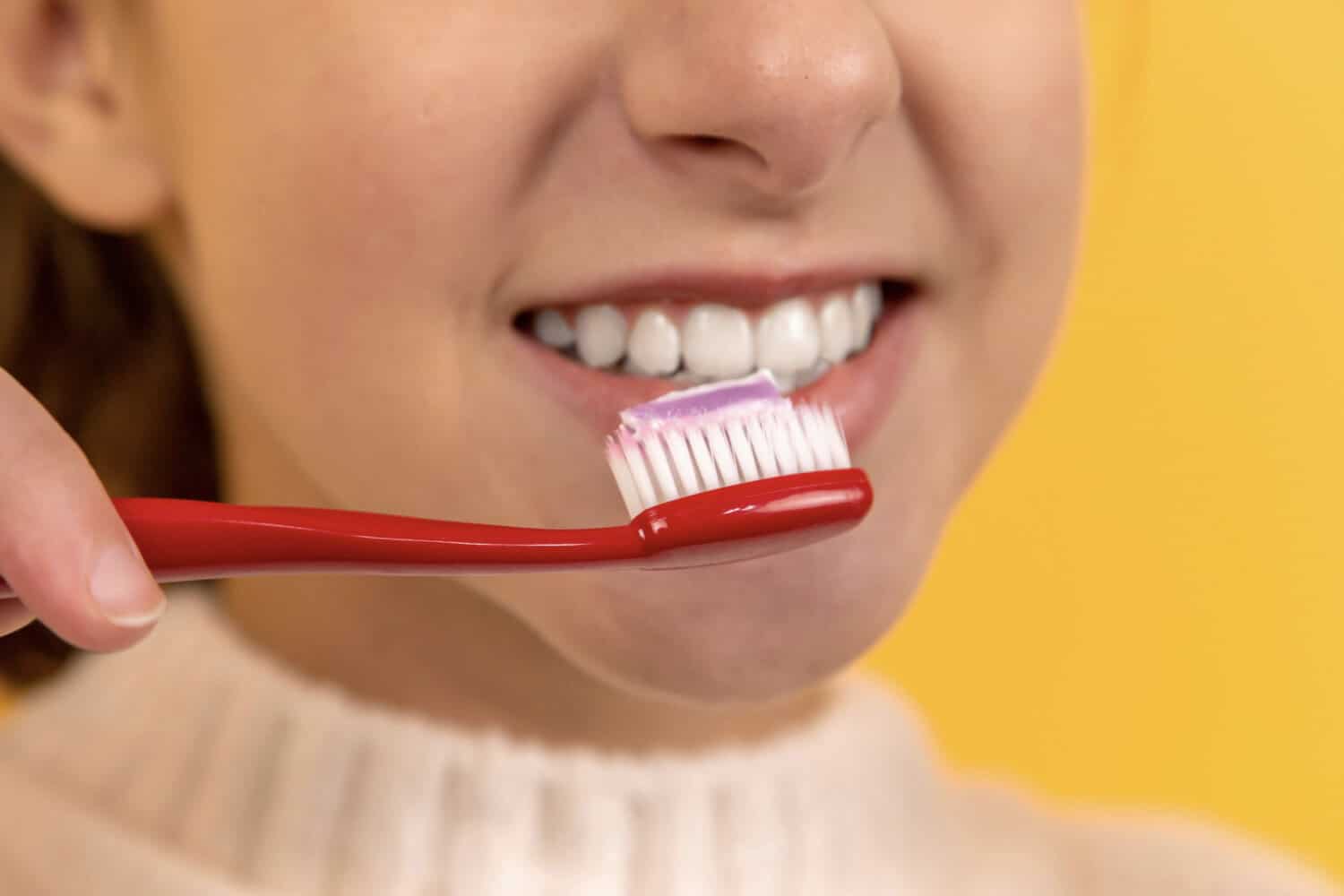
A Person Brushing Their Teeth With A Toothbrush And Toothpaste

Preventing Tooth Abscesses

Preventing tooth abscesses involves maintaining daily oral care, scheduling regular dental visits, and seeking early intervention for dental issues.
The upcoming subsections will delve into how these strategies can mitigate the risk of the painful and potentially hazardous outcomes of an untreated tooth abscess.

Daily Oral Care

Practicing good oral hygiene habits, such as brushing and flossing daily, helps prevent tooth decay and gum disease. Frequent brushing and flossing aid in removing plaque – a sticky film that clings to the teeth harboring bacteria that can lead to cavities and tooth enamel erosion.
Fluoride toothpaste and mouthwash are also beneficial in preventing tooth abscesses.

Regular Dental Visits

Regular dental check-ups and cleanings allow dentists to detect and treat potential issues before they develop into abscesses. The recommended frequency of dental visits for optimal oral health is every six months, though individual factors may require adjustments.
A typical dentist check-up involves a comprehensive teeth and gum examination, thorough cleaning, and conducting X-rays if required.

Early Intervention

Tackling dental issues like cavities or gum disease at an early stage can help curb their progression into a tooth abscess. Early intervention includes detecting and treating dental caries (cavities), gum disease, and other oral infections in a timely manner.
Prompt intervention can prevent further damage to the gums and the surrounding tissues, thus preserving the health of the tooth and avoiding the need for more extensive treatments.

Complications of Untreated Abscesses

Untreated tooth abscesses can lead to serious complications, including the spread of infection to surrounding tissues and the rest of the body, potentially resulting in sepsis or other life-threatening conditions. Signs that a tooth abscess has spread include high fever, dizziness, lightheadedness, rapid heart rate, shortness of breath, confusion, and digestive problems.
Initiating treatment at an early stage is key to averting these life-threatening complications.

Managing a tooth abscess is essential for maintaining good oral health and preventing serious complications. By understanding the types and causes of tooth abscesses, recognizing the symptoms, seeking timely dental intervention, and practicing good oral hygiene habits, you can effectively prevent and treat this painful condition. Remember, your smile is worth protecting, so don’t hesitate to seek help when it comes to your oral health.

A Close Up Of A Tooth With An Abscess

Conquering Tooth Abscess: Mastering Pain Relief and Prevention Techniques

Contact Us

Frequently Asked Questions (FAQ’s)

Can a tooth abscess go away on its own?

A tooth abscess won’t go away on its own and requires treatment from a dentist. Although the pain may subside if the pulp in the tooth dies, bacteria can still spread and cause more damage unless it is treated.

How do you get rid of an abscess by your tooth?

Your dentist can treat an abscess by making a small incision to drain the pus and then washing the area with saline. Alternatively, they may perform a root canal to eliminate the infection and save your tooth.

Is a tooth abscess an emergency?

A tooth abscess is indeed an emergency and should be treated immediately. If left untreated, it can cause serious and even life-threatening infections that spread throughout the body.

What are the first signs of sepsis from tooth abscess?

Early signs of sepsis from a tooth abscess could be slight fever, nausea, chills, high fever, rapid heartbeat, severe nausea, vomiting and confusion. It is important to seek medical attention as soon as possible if these symptoms are present.

What are the main types of tooth abscesses?

The main types of tooth abscesses are periapical and periodontal abscesses.

Man With Alzheimer’s Disease Brushing Teeth

Alzheimer’s Disease and Dental Health

Do you or someone you love have Alzheimer’s Disease?

November is Alzheimer’s Awareness Month. For this month’s article, we are going to talk about the connections between our oral health and Alzheimer’s disease.

What is Alzheimer’s Disease?

Alzheimer’s Disease is a devastating and progressive disease. It is one of the most common dementia-related illnesses, accounting for 60-80 percent of cases among people ages 65 and older. Dementia is a general term for a collection of symptoms that are associated with a decline in one’s memory, thinking, reasoning, and judgment. It can also impact fine motor skills. Alzheimer’s is a brain disease marked by significant dementia. It is defined by the Alzheimer’s Foundation of America as: “a progressive brain disorder that impacts memory, thinking and language skills, and the ability to carry out the simplest tasks.” When memory loss is more serious, we may forget recent events and names of people who are close to us. We may seem confused by familiar objects and situations and struggle to remember how to complete tasks that are routine for us. As Alzheimer’s disease progresses, there may be personality changes. People may act or speak in ways that are out of character for them. They may become agitated, aggressive, or display poor judgment. Because of the stigma associated with age-related memory loss, people may hesitate to admit they are having trouble remembering. Often, people think they or their loved ones are forgetful simply because they’re getting older. But contrary to popular belief, dementia is not part of the normal aging process. This is important to understand because early signs of cognitive impairment may be ignored or missed, leading to delayed diagnosis, fewer treatment options to slow the progression, and worse outcomes.

What is the connection between Alzheimer’s and oral health?

The connection between Alzheimer’s Disease and oral health is two-fold. On the one hand, a symptom of the disease may be that we forget how to complete familiar tasks, which often include our normal activities of daily living like brushing and flossing our teeth. Over time, poor dental hygiene can result in tooth decay and gum disease. It is vitally important for caregivers of someone suffering from Alzheimer’s Disease to ensure the individual keeps up with regular dental cleanings and check-ups. On the other hand, some research has shown a possible connection between the bacteria that cause periodontal disease and the development of Alzheimer’s Disease. It is believed that bacteria found in the mouth can travel in the bloodstream and reach the brain. While more research is needed, the current theory is that over time, the introduction of these pathogens into our brains can cause inflammation and destroy nerve cells, leading to memory loss. There are large studies being conducted to help clarify the exact relationship between poor oral health and Alzheimer’s Disease so that treatments may be developed that could potentially help some people avoid developing the disease. So, if you need yet another reason to keep on top of brushing, flossing, and your regular schedule of two professional dental cleanings and check-ups per year, it may just help you avoid Alzheimer’s Disease.  The professionals at Today’s Dental can ensure your teeth and gums stay clean and healthy. Call today to make your appointment at one of our many convenient locations around the Omaha Metro.

Say goodbye to Dental Confusion: Explore the Different Roles of Your Teeth!

Contact Us

Frequently Asked Questions (FAQ’s)

What is Alzheimer’s Disease and how is it related to dementia?

Alzheimer’s Disease is a progressive brain disorder that significantly impacts memory, thinking, and language skills. It accounts for 60-80% of dementia cases, which is a general term for symptoms associated with a decline in memory, thinking, reasoning, and judgment.

Is dementia a normal part of aging?

No, dementia is not a normal part of the aging process. Early signs of cognitive impairment are often mistaken for normal aging, but recognizing these signs is crucial for early diagnosis and treatment.

How can Alzheimer’s Disease affect oral health?

Alzheimer’s Disease can lead to a decline in the ability to perform daily tasks, including oral hygiene routines like brushing and flossing. This neglect can result in tooth decay, gum disease, and other oral health issues.

Is there a connection between oral health and the development of Alzheimer’s Disease?

Some research suggests a possible link between the bacteria causing periodontal disease and the development of Alzheimer’s Disease. The theory is that these bacteria can travel to the brain, causing inflammation and nerve cell damage that leads to memory loss.

What steps can be taken to maintain oral health in someone with Alzheimer’s Disease?

It’s important for caregivers to assist individuals with Alzheimer’s in maintaining their dental hygiene. This includes regular brushing, flossing, and ensuring they attend professional dental cleanings and check-ups to prevent oral health issues that could potentially worsen their condition.

Smokers Teeth And Gum Disease Begins On Your First Cig

Smokers Teeth: The Untold Story of Tobacco and Oral Health

We’ve all seen the after-effects of long-term smoking: yellowed fingertips, a persistent cough, and that unmistakable odor. But lurking behind the exhale of smoke and hidden behind closed lips are repercussions that are equally, if not more, damaging.

The Science Behind the Stains

Every time a smoker lights up a cigarette, they might not realize the silent, yet rapid transformation happening inside their mouth. Beyond the evident health implications, smoking has a pronounced cosmetic effect, especially on our teeth. But what’s the chemistry behind those stubborn yellow and brown stains that frequent smokers often lament?

How tobacco affects tooth enamel: The chemistry of nicotine and tar.

Smoking isn’t just a bad habit; it’s a complex chemical reaction. When you inhale, the nicotine and tar in the cigarette smoke come in direct contact with your teeth. Nicotine, although colorless, when mixed with oxygen, turns yellow. Tar, being naturally dark, only exacerbates the staining. Together, they form a potent staining duo that clings to the porous tooth enamel, making smokers’ teeth more susceptible to discoloration.

Stages of discoloration: From off-white to almost black.

What starts as a light yellow tint can progress to a brownish hue with continued smoking. In severe cases, the prolonged exposure to the harmful chemicals in cigarettes can turn the teeth almost black. It’s a progressive journey of deterioration that is directly proportional to the frequency of smoking.

The role of other ingredients in cigarettes that contribute to staining.

While nicotine and tar are the main culprits, they aren’t the only ingredients to blame. Cigarettes contain over 600 ingredients, and when burned, they produce over 7,000 chemicals. Many of these chemicals, such as benzene and formaldehyde, further contribute to tooth discoloration and degradation.

Beyond the Aesthetics: Health Implications of Smoking

When most people think of the health implications related to smoking, the immediate thought often turns to lung diseases or heart complications. While these are profound and significant, the dangers of smoking extend to less visible areas, particularly our oral health.

Increase in gum disease and why smokers are more prone to it.

While the discoloration is evident, beneath the surface, the gums are also at war. Smoking reduces blood flow to the gums, making them more prone to bacterial infections. This condition not only causes gum disease but also can lead to tooth loss if left untreated.

The heightened risk of oral cancers: Recognizing the early signs.

The chemicals in tobacco products are carcinogenic. Continued exposure puts smokers at a heightened risk of developing oral cancers. These can manifest as persistent sores, lumps, or rough spots in the mouth. Early detection is crucial, so regular dental check-ups are a must for smokers.

Dry mouth, bad breath, and other secondary issues.

Bad breath, or halitosis, is a well-known consequence of smoking. But many smokers also suffer from dry mouth, a condition caused by reduced saliva flow, which can lead to increased dental decay. It’s a domino effect of dental complications that begins with just one puff.

Reversing the Damage: Steps Toward Healthier Teeth

The body is remarkably resilient. Once you quit smoking, your oral health begins its journey of recovery. Blood flow to the gums improves, reducing the risk of infection. Over time, the risk of oral cancers also decreases, and staining agents no longer affect the teeth. For those looking to undo the damage, dental treatments offer a beacon of hope. Scaling removes the tough tartar build-up, while polishing smoothens the tooth’s surface. Whitening treatments can combat discoloration, giving smokers a chance to regain their bright smile. While professional treatments are effective, daily care is equally crucial. There are toothpastes designed specifically for smokers that target tar and nicotine stains. Mouthwashes can combat bad breath and dry mouth. Daily brushing, flossing, and regular dental check-ups are essential to maintain oral health. Smoking’s impacts on oral health stretch beyond the mere cosmetic concerns of yellowed teeth. Beneath the surface, a plethora of health risks lurk. But, there’s always hope. With the right measures and the decision to quit, reversing the damage becomes a tangible reality. If you or someone you know smokes, consider seeking dental advice and exploring cessation programs. Every step towards quitting is a step closer to a healthier mouth and body. How has smoking impacted your oral health, and what steps are you taking to address it?

Omaha Smiles Await: Say No to Tobacco, Yes to a Radiant Smile!

Contact Us

Frequently Asked Questions (FAQ’s)

Are smokers teeth reversible?

Yes, some of the effects on smokers’ teeth can be reversed, especially with professional dental treatments and a rigorous oral hygiene routine. Quitting smoking can also promote natural healing and reduce further damage.

What does smoking do to your teeth?

Smoking can lead to tooth staining, gum disease, tooth loss, and in more severe cases, mouth cancer. The tar and nicotine in tobacco can make teeth yellow or brown, and can also cause bad breath.

Does smoking permanently damage your teeth?

While some effects of smoking, like staining, can be treated, others, such as gum recession and bone loss, can cause permanent damage. Continuous smoking can also increase the risk of oral cancers.

Can you tell if someone uses tobacco from their teeth?

Often, yes. Tobacco smoke, chewing tobacco, and smokeless tobacco products (e cigarettes) can all affect the teeth and gums. Tobacco use runs a higher risk of losing teeth, receding gums, tooth decay, and dental problems as opposed to non-smokers. People with a smoking habit typically have yellow or brown discoloration on their teeth due to tar and nicotine. They may also have signs of gum disease, plaque buildup, and other oral issues.

How does smoking affect your teeth?

Smoking affects the teeth by causing staining, weakening the gums, increasing the risk of developing gum disease and oral cancer. It can also lead to periodontal disease heightening the potential for loose teeth and tooth loss. It also reduces blood flow to the gums, impairing their ability to heal.

Can you fix smokers teeth?

Many effects of smoking on the teeth can be treated. Professional dental cleanings can remove stains, while treatments can address gum disease. For severe damage, restorative treatments, or dental implants may be necessary.

Can the dentist tell if you smoke?

Yes, dentists can often tell if you smoke based on the condition of your teeth and gum tissue. Smoking leads to distinct oral health issues and patterns of damage.

What do smokers’ teeth look like?

The teeth of people who smoke often show yellow or brown discoloration as opposed to the color of natural teeth. There may also be increased dental plaque and tartar buildup, signs of gum disease, and even cavities along the gum line.

Can a dentist tell if you smoked?

Yes, dentists can typically identify smokers based on specific oral health conditions and patterns, such as staining, gum recession, and other tobacco-related issues.

What smoking does to your teeth?

In addition to stained teeth it can cause other oral health problems. Smoking weakens the immune system, it can lead to gum disease, reduce the ability of gums to heal, and increase the risk of oral cancers. The harmful chemicals in tobacco also affect saliva production, promoting bacterial growth.

Will my teeth recover if I stop smoking?

After quitting smoking, many of the oral health problems can improve or heal. Stains might lessen over time, gum disease can heal, and the risk of further damage decreases. However, some effects may require dental treatments to address, so it is still important to go to regular check ups to help fight gum disease and gum infections.

Root Canal Treatment

Endodontic Disease

Treatment of Endodontic Diseases

Endodontic diseases are diseases that impact the inside of the tooth or the tooth’s root canal (the portion of the tooth’s center that extends down into the root of the tooth). The innermost part of the tooth and tooth root canal contain dental pulp, which serves many important functions for our oral health.  When the hard protective outer shell of our teeth (the enamel) decays or is damaged by trauma to the tooth, it can leave the soft inside of the tooth or the root vulnerable to an overgrowth of unwanted microorganisms like bacteria. That bacterial overgrowth in the pulp can have several consequences to our health and wellbeing, which we will discuss in this article.

What is tooth pulp and what does it do?

As mentioned, the dental pulp is found inside the center of the tooth and is what keeps the tooth alive. Cleveland Clinic defines tooth pulp as “the soft, jelly-like center in the middle of your teeth containing nerves, blood vessels, and connective tissue”. Tooth pulp has several purposes, including dentin and nutrient production, producing bacteria- fighting immune cells, keeping the tooth moist (prevents cracking, brittleness), and detecting changes in temperature and pressure to alert us something is wrong.

What happens when pulp gets infected?

When tooth pulp is infected, it causes inflammation and pain (commonly referred to as a “toothache”) and sensitivity to heat and cold. Special treatment is required in order to properly clear the infection, calm painful inflammation, and save or preserve the natural tooth. The tooth’s root extends down into the gum to help anchor it securely in your jawbone, which helps your teeth function properly. Diseases that impact pulp in the tooth or root canal can cause tooth and bone loss. Never ignore unexplained, persistent pain in the mouth or teeth, as it could be a sign of endodontic disease.

How is an infection in the pulp treated?

Infections in the pulp can often be treated by a common endodontic procedure in your dentist’s office called a “root canal”. When a person has a root canal procedure, the damaged or infected pulp is removed from the inside of the tooth. This stops the pain and sensitivity because when the pulp is removed, the nerves are removed so any discomfort can no longer be felt. After the removal of the pulp, the center of the tooth is thoroughly cleaned out, the pulp cavity is filled and resealed to prevent further infection. Root canals are the most common endodontic procedure.  If an infection in the pulp isn’t promptly or fully treated, it can spread beyond the mouth. This untreated infection can even be life-threatening in some cases, causing serious health problems including sepsis, sinusitis, a brain abscess, or meningitis.

What type of dentist treats diseases in the pulp?

In many cases, a dentist can treat basic endodontic disease. However, in some cases, a patient may be referred to an “endodontist”, which is a type of dentist who has two years of additional special training in diagnosing and treating endodontic disease. They focus on saving your natural teeth by repairing tissues inside the tooth and providing treatment of complex tooth pain. An endodontist may be needed to repair or remove injured tooth roots, for dental implants, or when other specialized treatments are needed to help save a diseased or damaged tooth or preserve the surrounding bone.  One such specialized endodontic treatment is called “apicoectomy”. During the apicoectomy, an endodontist will make a small incision in the gums in order to access the root of the tooth. Next, they remove the very tip of the root and seal the tooth to prevent further damage or decay and save the tooth. This minor surgical procedure is done under general anesthesia to help minimize discomfort for the patient.  To recap, endodontic diseases are diseases in the center of the tooth, or the pulp. Treatment for endodontic diseases is aimed at saving the natural tooth. General dentists can perform basic endodontic treatment, but an endodontist may be needed for more complex cases. Your dentist will know if you need to see an endodontist.  If you’re having a toothache or sensitivity, it is important to be evaluated. Call your Today’s Dental office today and make an appointment.

Root out the trouble and let your smile blossom! Schedule an appointment with Today’s Dental today!

Contact Us

Woman With White Spots On Teeth

What Causes White Spots on Teeth?

Do you have white spots on your teeth? If so, you may be wondering what causes white spots on teeth and if there is a treatment to get rid of them. Often, the spots are very subtle and may not even be noticeable to anyone but your dentist. But in some people, they can be more pronounced and can cause them to feel self-conscious about how their teeth look. In this article, we’ll go over the potential causes of white spots and what can be done if you have them. Discolored teeth can happen for a variety of reasons, including your age, diet, and certain health conditions. One very common reason for white spots and streaks in the enamel of your teeth is Fluorosis. Until about age eight, our permanent teeth are forming below our gums. Fluoride is beneficial to our teeth during this time. It helps strengthen enamel and helps protect us from tooth decay. But if a child has too much fluoride when teeth are developing, there is a risk the permanent teeth will come through the gums with the white spots and streaks known as Fluorosis. The most common cause of Fluorosis is a long period of exposure to fluoridated water. The spots can also happen if a child regularly ingests dental health care products like toothpaste and mouthwash containing fluoride. This is one reason it is important to restrict the use of products containing fluoride until a child is old enough to understand not to swallow their toothpaste, and to continue to supervise the use of tooth care products in young children. The good news is Fluorosis isn’t a disease, and it doesn’t affect the function of your teeth. In fact, according to experts from the American Dental Association, it may even make teeth more resistant to decay. To help your child avoid Fluorosis, consult with your dentist on the types of oral health products to use for your child’s stage of development. Exclusive breastfeeding of babies is recommended by the American Academy of Pediatrics and is a great way to control the amount of Fluoride your infant is consuming. If your baby is not able to breastfeed, consult your pediatrician or dentist for formula feeding strategies that can reduce the risk for developing spots on the teeth caused by Fluorosis.

Spots On Teeth

Another common reason for irregularities in the enamel of our teeth is something called Enamel Hypoplasia. This condition happens when there is a disruption in the formation of the tooth enamel. The result is a layer of your enamel that is thinner and often full of small indentions called “pits”. Enamel Hypoplasia causes the teeth to be more porous and vulnerable to stains. It has several potential causes, including: your genetics, injury or trauma to newly developing teeth, being born premature, certain infections, untreated chickenpox, and fluorosis.

Perhaps the most concerning reason for white spots on teeth is something called demineralization. This happens when teeth are not properly cleaned and the remaining plaque sits on your teeth and eats away at the enamel, causing it to be thinner and much more vulnerable to decay. Having braces can also make your teeth more vulnerable to demineralization because it can be harder to brush away all plaque between the brackets. Special care needs to be taken when you have braces to ensure your teeth are getting clean when you brush and floss. Demineralization is completely preventable with good oral hygiene habits and regular dental checkups.

A less common reason for white spots in the enamel is celiac disease, an auto-immune condition. People with celiac disease cannot digest gluten, a protein found in wheat, barley, and rye. Celiac disease often presents with intestinal issues, but it can cause an array of symptoms in many different areas of your body, including your mouth and teeth. Unfortunately, it can be underdiagnosed because some people with the disease don’t have any symptoms. Those who do have symptoms are often misdiagnosed with other conditions that share similar symptoms.

While white spots in tooth enamel caused by celiac disease are not caused by Fluorosis, they do have a similar appearance and can be mistaken for Fluorosis or other causes of discoloration in the enamel. Often, dentists are the first health care providers to notice these subtle irregularities in the tooth’s enamel and will refer patients to a gastroenterologist to be evaluated for celiac disease. It is important to know having white spots in your enamel does not automatically mean you have celiac disease. But according to the National Institutes of Health, these types of defects are fairly common in those who do have the condition, especially children. This is one of many reasons it is important to visit a dentist for regular checkups and screenings for oral health conditions.

Is there a treatment for white spots on teeth?

If you do have white spots in your enamel, you may be wondering if there is anything that can be done to make them go away. Before you try to treat the spots yourself at home, it is important to see your dentist to diagnose the cause of the white spots. At-home whitening kits have risks associated with their use, and they may not help with your particular problem- or even make it worse. Beware of any product that advertises a quick fix for white spots on your teeth. Only dentist can diagnose the reason for the white spots and direct you to the most appropriate treatment for your situation.

Dentists have treatments to remove, cover up, or lessen the appearance of white spots. Those treatments include bonding, veneers, professional bleaching/whitening, and something called micro-abrasion, where your dentist uses a mild abrasive to carefully remove a very thin layer of the enamel, giving them a more uniform appearance.

If you have white spots, pits, spots that appear clear/transparent, or any other discoloration in the enamel of your teeth, it is very important to visit your dentist for an accurate diagnosis. Your dentist will recommend a treatment plan and can carefully monitor your progress. You only get one set of adult teeth, so it is very important to care for them in a way that protects your enamel and ensures a lifetime of healthy smiles.

Spotless Smiles: Find Omaha Dentists!

Contact Us

Heart Health Oral Health Connection

Oral Health and Heart Health – What’s the Connection?

You may have heard there is a connection between the health of your teeth and gums and the health of your heart – but why? In this post, we’ll explore what is known about the connections between the two and share what you can do to help prevent problems.  

There have been many studies to explore the connection between oral health and heart health. This study from Harvard Health states: “people with periodontal (gum) disease have two to three times the risk of having a heart attack, stroke, or other serious cardiovascular event”. Those are startling statistics, for sure. However, as the article points out, not everyone with gum disease will develop cardiovascular problems. That raises the question of whether oral health is an independent risk factor for heart disease, or is it just part of the equation? The answer is, we don’t really know.  

Researchers at Harvard’s Forsyth Institute believe having gum disease increases inflammation in your body. We do know increased inflammation is likely linked to cardiovascular disease. So far, studies have not been able to establish a direct causative relationship between poor oral health and cardiovascular events. This is because most people with poor oral health also have other risk factors for poor heart health, making it difficult to know which of their individual risk factors directly caused their heart disease.  

On February 8, 2023, the American Stroke Association (ASA) presented preliminary research at the International Stroke Conference. This research seems to indicate gum disease, missing teeth, or other oral health issues can increase stroke risk. Their analysis of the study showed the MRI reports for people with overall poor oral health showed more damage to the “fine architecture of the brain”, which can increase a person’s risk for stroke. The article states this research is intriguing but like other studies on the link between oral and cardiovascular health, does have some limitations. Thus, the ASA also recommends further research should be done to find out the exact link between the two conditions.  

Bacteria from the mouth have been found in plaques found in people’s arteries, which points to the fact that the bacteria can travel from the mouth to other parts of our body. There is a condition called “endocarditis” which is a bacterial infection of the inner lining of the heart. Endocarditis can be caused by bacteria found in your mouth. Those at high risk for endocarditis or who have other serious heart conditions need to be particularly vigilant with their oral health. In some cases, a dentist may even have high-risk patients take a preventative dose of antibiotics before any sort of dental procedure. If you have a history of heart problems, make sure you share a thorough health history with your dentist. Always visit with your doctor to find out if you are someone who requires a course of antibiotics before a dental procedure.  

There is enough evidence out there to show a likely correlation between our oral health and heart health. ASA study author Cyprien Rivier, M.D., M.S., a postdoctoral fellow in neurology at the Yale School of Medicine, recommends people pay close attention to their oral health. He said, “Studying oral health is especially important because poor oral health happens frequently and is an easily modifiable risk factor – everyone can effectively improve their oral health with minimal time and financial investment.” More studies need to be done to show whether poor oral health is a direct, standalone cause of problems with the heart or just one of a combination of risk factors that contribute to heart disease.  

To help manage your risks, experts from Today’s Dental recommend professional dental care every six months, brushing at least twice a day, regular flossing of your teeth, and ensuring your dentures fit properly to keep bacteria from building up. Maintaining good oral health is a cost-effective way to manage one of the known risk factors for serious heart problems. If you have any questions about the link between oral health and cardiovascular health, feel free to reach out to your Today’s Dental office to learn more.

Unlock a Heart-Healthy Smile: Dive into Dental Wellness at Today’s Dental

Contact Us

Gum Pain

Treating Gum Disease

Periodontal disease is disease in your gums. Early stages of gum disease are called “gingivitis” (gin-g-VIE-tis) and more advanced disease is called “periodontitis” (pear-e-o-don-TIE-tis). Gum disease happens when bacteria infect the soft tissue around your teeth. If left untreated, the bacteria build up and cause a sticky substance called “plaque” to accumulate. Over time, if it is not removed, the plaque hardens into “tartar” (also known as “calculus”), which appears as rough brown, dull yellow, or even sometimes black buildup and stains on your teeth. This tartar build up can lead to gum disease, tooth decay, and other serious issues with your oral health.   The most serious form of gum disease, periodontitis, needs to be diagnosed and treated by an oral healthcare professional. If you are experiencing any of the following symptoms, you should make an appointment with your dentist: 

  • Bad breath or bad taste that doesn’t go away 
  • Swelling, redness, or bleeding in your gums 
  • Sensitive or loose teeth 
  • Gums that have receded (pulled away) from your teeth 
  • New or worsened pain with chewing 
  • Changes in your bite or the fit of dental appliances 

It is important to note, periodontitis is usually painless. So, a lack of pain does not mean you don’t have a serious issue with your gums. However, any persistent pain in your teeth or gums should be evaluated by your dentist.   There are some risk factors that can increase your risk for developing periodontitis. Things like smoking, stress, some medications, and a family history of periodontitis are among things that put you at higher risk. Even some health conditions like diabetes, problems with your immune system, and certain hormonal changes can contribute to your risk of developing periodontitis.   It is estimated nearly half of all Americans will have some level of gum disease by the time they are thirty years old. So, what can you do if you are diagnosed with periodontitis? The bad news is once you have periodontitis, it never goes away. The only “cure” would be to remove all your teeth. The good news is if you do develop periodontitis, it can be controlled with treatment.   Effective treatments for periodontitis include procedures called “tooth scaling” and “root planing”. These special deep cleaning methods can only be done in the dentist’s office or by a gum disease specialist known as a “periodontist”. Tooth scaling removes the tartar you can see on the surface of your teeth, and root planing removes the tartar on your roots, which is below the normal gum line. Having tooth scaling and root planing won’t cure periodontitis, but it may prevent the loss of gum tissue, teeth, and bone and protect your beautiful smile.   The tooth scaling and root planing procedures do not usually cause pain for the patient. To minimize any uncomfortable sensations you may have, your dentist or periodontist will give you an anesthetic medicine to numb your mouth. You’ll be awake during these procedures. Depending on the level of buildup you have, you will most likely need to come back for more than one visit to finish the tooth scaling and root planing processes. Your oral health professional can discuss your individual needs with you to estimate how many appointments will be required for your specific situation.   You may have some discomfort in your mouth after the procedure. Your gums may be temporarily swollen and sore and you may have some sensitivity on your teeth. Your healthcare provider will give you detailed instructions for recovery, including food and drinks to avoid and the use of special mouth rinses, pain relievers, or antibiotics, if needed.   The caring professionals at Today’s Dental can perform tooth scaling and root planing procedures. Please call our offices today to make an appointment for a check-up. If you are concerned about paying for your dental healthcare, Today’s Dental can point you to resources that may make treatment more affordable.

From Plaque to Perfect: Your Journey to Gum Health with Omaha’s Dental Experts!

Contact Us

Visit Todays Dental

Today’s Dental Commitment To Quality Dental Care

Today’s Dental Commitment To Quality Dental Care

Discussions about “quality” in healthcare are everywhere these days, it seems. But what does that mean? Does everyone responsible for your family’s health care measure the quality of that care? And how do you know if your healthcare provider is giving good quality care? In this article, we will look at how providers at our Today’s Dental practices assess, measure, and control our process to deliver quality care to all patients.  


Quality measurements have long been present in our healthcare systems. Over the past decade or so, The Centers for Medicare and Medicaid Services (CMS) developed and refined transparent metrics to help consumers discern whether their providers have good quality ratings. To improve patient safety and the patient experience in a hospital setting, CMS developed the Hospital Consumer Assessment of Healthcare Providers and Systems, or “HCAHPS”. After receiving care, patients are surveyed for their experience with several aspects of their care: the ease of communication with nurses and doctors, responsiveness of the hospital staff, cleanliness and quietness of the hospital environment, communication and education about their medicines, and their experience with discharge from the hospital or transition to a new facility. The entry of HCAHPS scores into the care equation resulted in many healthcare systems creating entire departments dedicated to the patient experience- a great move towards improving quality of care for patients.  


Beyond these formal measurements of quality, it is also hard to ignore the impact of social media and the internet on the patient’s perception of quality. Healthcare providers are now consistently receiving real-time feedback from consumers on their experience- causing those providers to be more aware, and in some cases, even rethink the patient experience they deliver. Online platforms like Health Grades® have given the average person an easy way to research other patient’s reviews of healthcare providers from various specialties.  


To help provide consistent quality and patient experience across oral healthcare, the American Dental Association (ADA) has developed standardized measurements of quality called the Dental Quality Alliance (DQA).  As it stands today, less than one percent of dental practices across the United States have systems in place to measure the quality of care they provide.  


At Today’s Dental, we are extremely proud to say we are among that one percent of oral healthcare providers who have implemented a quality assurance and quality control (QA/QC) program. We utilize standardized measurements across all our practice locations to show our dedication and commitment to delivering quality oral healthcare.  


We focus on eleven measures of quality. Within each of these categories, we have developed a scoring system to determine our performance for each element of a patient’s care. Patient charts are regularly audited by our practice leadership to ensure we are consistently meeting or exceeding the quality standards we have set for ourselves.  


Of course, every patient of Today’s Dental receives care that meets the standards of care set forth by our industry and regulatory bodies. But our quality program is designed to help us measure where we are doing well and where we could do better when it comes to the quality of care we deliver. This type of standardized measurement also helps us benchmark our performance against other dental practices. We strive to exceed those benchmarks and commit to maintaining an atmosphere of continuous quality improvement for our patients. Here are the eleven main areas of focus for our QA/QC program: 


  • Charting– ensuring timely and accurate charting for all patients 
  • Evaluation– giving each patient a thorough evaluation of their oral health and any concerns they have about their oral health 
  • Diagnosing– accurate diagnosis of conditions 
  • Clinical notes– thorough and clear notes from the clinicians for each patient’s appointment, diagnosis, and treatment plan 
  • Routine x-rays/photos– all images taken of the patient’s teeth are clear and of the best quality for evaluating them 
  • Pre- and post-operative x-rays/photos– images taken to aid in the treatment of a dental issue are of high quality and clearly capture the problem to be addressed 
  • Treatment plan– each patient has a treatment plan included in their chart for next steps to treat any dental issues uncovered at their appointment 
  • Insurance codes– using the correct codes to submit to a patient’s insurance to ensure appropriate patient cost and practice reimbursement for all exams and treatment 
  • Periodontal evaluation– ensuring each patient has a thorough evaluation of their gum health documented in their chart 
  • Medical history– taking a comprehensive medical history of each patient and reviewing it for changes each time a patient visits our office 
  • Consent forms and care calls– ensuring we always have the appropriate consent forms for treatment and following up with patients after their treatment to ensure satisfactory progress and outcomes 


We have voluntarily formulated and adopted this QA/QC program because we want our patients to know we care deeply about their oral health and the experience they have with providers at our facilities. By implementing these quality standards with our proven process, we push ourselves to be the best we can be for our patients. We hope to be industry leaders who inspire other oral healthcare practices to adopt the same quality-first mindset.  

Grin and Bear It: Quality Care That Bites Back at Today’s Dental

Contact Us

1500X551

Dental Wellness – You can learn a lot in just five minutes.

Brushing good. Cavities bad.

There’s a lot more to know about your dental wellness. If you’ve got five minutes, you’ve got time for a wellness scan that can tell you and your dentist just about everything you need to know about your bite, wear patterns, potential areas of concern, the health of your enamel, the condition of any current fillings and crowns – plus a lot more. 

If your dentist or hygienist has noticed crowding or wear on your teeth. If you’re having pain that brought you to the dentist in the first place. Or if it’s been a long time since you’ve seen a dentist. A wellness scan lets them see what the naked eye may not be able to. 

How it works.

A wellness scan uses advanced digital scanning technology to create a highly detailed, 3D image or model of your teeth, gums and bite. A small wand is moved around inside the mouth to take detailed pictures of tooth surfaces and gum tissue. These are pieced together to create the detailed model of your mouth without the sticky, gooey impressions of the past. 

One thing you might not know? A wellness scan is free as part of your overall examination. 

See changes over time.

What’s great about a wellness scan is that the captured images are stored digitally. The scans are recommended every two to three years. So your dentist can compare your current scan to one taken before to see if there are any changes that require additional attention. 

Easy on you.

If you can sit in a comfortable exam chair in your dentist’s office, you can get a wellness scan. In fact, you can even watch on the screen as the scan is being taken to see exactly what your dentist sees. So, it’s great for patients of all ages – children and adults. 

Today’s Dental offers wellness scans using its in-office iTero® Element – a 3D digital scanner. We also use the scans to help create precision dental devices such as night guards, partial dentures, bleaching trays, and Invisalign aligners. Schedule your next appointment online or call 402-333-1120. 

Translate »