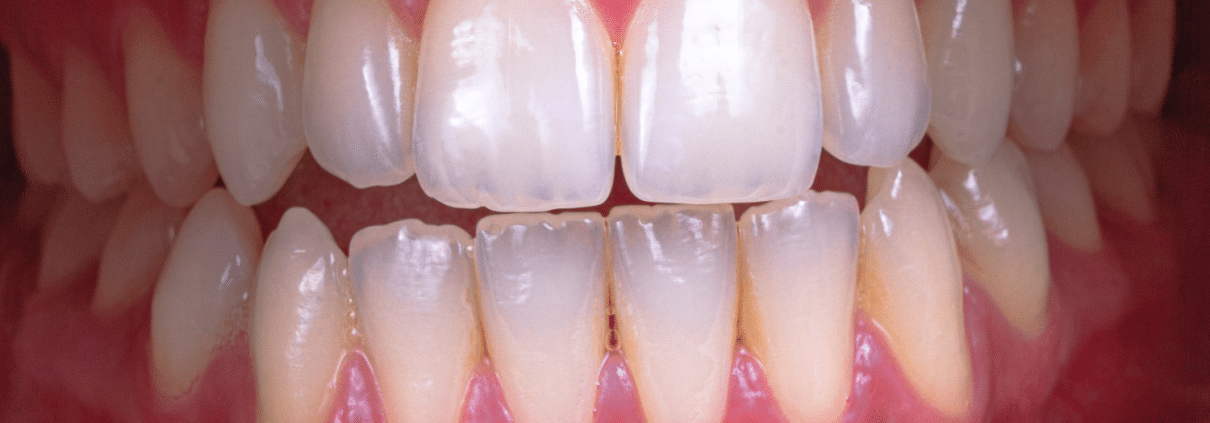
Thinning Tooth Enamel Causes, Symptoms, And Effective Treatments

Thinning Tooth Enamel: Causes, Symptoms, and Effective Treatments

Thinning tooth enamel is a common problem that can cause sensitivity, discoloration, and decay. It’s important to understand what leads to enamel thinning, how to recognize it, and what steps you can take to prevent further damage. This article covers everything you need to know about thinning tooth enamel.

Key Takeaways

  • Tooth enamel, the hardest substance in the body, is crucial for protecting teeth but is vulnerable to erosion from acids, bacteria, and plaque.
  • Common causes of thinning enamel include acidic foods and beverages, medical conditions like acid reflux, and habits such as teeth grinding.
  • Effective prevention and treatment options for enamel erosion include good oral hygiene practices, dietary changes, fluoride treatments, and routine dental checkups.

Understanding Tooth Enamel

An Illustration Of Healthy Tooth Enamel Compared To Eroded Enamel, Highlighting The Differences.

Tooth enamel is the outer layer of your teeth, acting as a shield against daily wear and tear. Composed primarily of calcium and phosphorus, it is stronger and denser than bone, making it the hardest substance in the human body. This incredible hardness allows enamel to protect your teeth from chipping and insulate the nerves from extreme temperatures, whether you’re enjoying a hot cup of coffee or a cold ice cream. Additionally, thin enamel can make your teeth more susceptible to damage.

However, despite its strength, enamel is not invincible. Acids, bacteria, and plaque can damage your enamel over time, causing it to wear away and compromising its protective role. Enamel erosion can lead to increased sensitivity, discoloration, and even structural damage to your teeth.

Recognizing the nature and function of enamel underscores the importance of good oral hygiene and preventive measures to prevent loss of enamel and protect this essential part of the edges on your teeth.

Causes of Thinning Tooth Enamel

A Variety Of Acidic Foods And Beverages That Can Contribute To Tooth Enamel Erosion.

Several factors contribute to the thinning of tooth enamel, ranging from dietary habits to medical conditions and lifestyle choices. Knowing these causes helps in preventing enamel erosion and maintaining optimal oral health. Acidic foods and beverages, conditions like acid reflux, and habits such as teeth grinding are some of the primary culprits behind thin enamel erosion.

Let’s explore these causes in more detail to better understand how they impact your enamel and what you can do to mitigate their effects. Identifying these factors allows you to make informed decisions to prevent further damage and preserve your tooth enamel.

Acidic Foods and Beverages

Acidic foods and beverages are a major cause of enamel erosion. Items such as:

  • sodas
  • fruit juices
  • lemons
  • sports drinks can significantly weaken enamel, leading to increased sensitivity and a higher risk of cavities. The acids in these foods and drinks erode the enamel, making it thinner and more susceptible to damage.

Regular consumption of these acidic items can have a cumulative effect, gradually wearing away the enamel and exposing the underlying dentin. Limiting the intake of acidic foods and beverages and following good oral hygiene practices while eating can help protect your enamel.

Acid Reflux and Stomach Acid

Medical conditions such as acid reflux, heartburn, and GERD expose teeth to harmful stomach acids, significantly increasing the risk of enamel erosion. These conditions cause stomach acids to flow back into the mouth, where they can erode the enamel over time. Unfortunately, acid erosion can develop without noticeable symptoms, often progressing without individuals realizing it.

Recognizing the connection between acid reflux and dental health is key to maintaining enamel integrity. If you suffer from acid reflux or related conditions, it’s important to seek medical advice and take steps to protect your teeth from acid exposure.

Teeth Grinding (Bruxism)

Teeth grinding, also known as bruxism, is another significant cause of enamel erosion and tooth erosion. Bruxism can occur during the day or, more commonly, at night while you sleep. The constant grinding and clenching of teeth create friction that wears down the enamel, making your teeth more susceptible to tooth enamel erosion and other dental issues.

If you suspect teeth grinding, consult your dentist for an evaluation. They can recommend appropriate treatments, such as custom nightguards, to protect your teeth from further damage and preserve your enamel.

Symptoms of Thinning Tooth Enamel

Visual Representation Of Symptoms Related To Thinning Tooth Enamel, Including Sensitivity And Discoloration.

Recognizing the symptoms of thinning tooth enamel is vital for early intervention and prevention of further damage. Common symptoms include increased sensitivity, discoloration, and chipping or cracking of the teeth. These signs indicate that your enamel is weakening and that your teeth are becoming more vulnerable to damage.

Early identification of these symptoms allows you to address the underlying causes and seek appropriate treatments to strengthen and protect your enamel. Let’s delve into the specific symptoms to better understand their implications and how to manage them.

Increased Sensitivity

One of the earliest signs of enamel erosion is increased sensitivity to hot or cold foods and drinks. Enamel acts as a protective barrier for the nerves inside your teeth, and as it erodes, the nerve endings become exposed to external stimuli, causing sensitivity. You might first notice pain when consuming sweets or extremely hot or cold items.

Toothpastes designed for sensitive teeth can help manage pain and strengthen enamel. Regular use of such products can provide relief while addressing the underlying issue of enamel erosion.

Discoloration

As enamel thins, the underlying dentin becomes more visible, resulting in noticeable discoloration. This can make your stained teeth appear darker or yellowish, which can be aesthetically displeasing. In severe cases, color changes such as white or yellowish spots can turn brown as the enamel decays.

Discoloration is a clear sign of enamel erosion and should not be ignored. Early intervention can help prevent further damage and restore the natural appearance of your teeth.

Chipping and Cracking

Weakened enamel makes teeth more brittle, increasing the likelihood of chipping or cracking. If enamel decay progresses, it can lead to damage to the dentin and potentially cause infections in the pulp. Teeth may develop visible surface cracks, making them more susceptible to further damage. Tooth decay can exacerbate these issues.

Bruxism can also exacerbate these issues, as the excessive force from grinding can cause fractures in teeth that lack enamel protection. It’s essential to address these symptoms promptly to prevent more severe dental problems.

Preventing Enamel Erosion

An Illustration Of Good Oral Hygiene Practices To Prevent Enamel Erosion.

Prevention is the best approach to managing enamel erosion. Adopting good oral hygiene practices, making dietary changes, and staying hydrated can protect your enamel and maintain optimal oral health. Factors like genetics, dry mouth, and certain medications can also contribute to enamel erosion, so it’s important to be aware of these and take preventive measures where possible.

Let’s explore these preventive strategies in more detail to understand how they can help preserve your enamel and prevent enamel erosion.

Good Oral Hygiene Practices

Good oral hygiene is key to preventing enamel erosion. Regular brushing, flossing, and using fluoride toothpaste can help reduce the presence of acids and bacteria on your teeth and gums. Brushing with a soft toothbrush and daily flossing help mitigate early enamel erosion.

Fluoride toothpaste helps strengthen teeth by providing an extra layer of protection against enamel erosion. Brushing twice a day and waiting to brush at least 30 minutes after meals can slow the rate of tooth wear caused by various factors.

Dietary Changes

Your diet plays a crucial role in maintaining enamel health. Sugary and acidic foods and beverages can produce acids that erode enamel, so it’s important to limit their intake. Dairy products and calcium-rich foods can help neutralize acids and protect tooth enamel after consuming acidic foods.

Drinking water and chewing sugar-free gum can increase saliva production, which helps protect enamel. It is recommended to drink a lot of water throughout the day to reduce enamel erosion.

Hydration and Saliva Production

Staying properly hydrated is crucial for maintaining healthy saliva production, which plays an essential role in the oral environment. Saliva helps protect tooth enamel by neutralizing acids and providing essential minerals. Chewing sugar-free gum can stimulate saliva production, further aiding in enamel protection.

Adequate hydration and promoting saliva production create a protective barrier for your enamel, reducing erosion risk.

Treatment Options for Thinning Enamel

Various Treatment Options For Thinning Tooth Enamel, Including Fluoride Treatments And Dental Bonding.

When enamel erosion occurs, several treatment options can help restore and protect your teeth. Fluoride treatments, dental bonding, and nightguards for bruxism are effective methods to address thinning enamel and prevent further damage. Personalized dental care plans and regular checkups are essential in managing enamel erosion.

Let’s delve into these treatment options to understand how they work and their benefits for your oral health.

Fluoride Treatments

Fluoride is a powerful tool in remineralizing teeth and strengthening enamel. The best way to strengthen enamel is to use prescription-grade fluoride gel, which is most effective when applied at night before bed. Regular fluoride treatments can reverse early enamel erosion and protect your teeth from further damage.

Dental Bonding and Crowns

Dental bonding is a restorative option that uses resin to repair spots of damage in the enamel, effectively blending with the natural tooth surface. For severe enamel erosion, tooth bonding may be recommended to provide full coverage and protection.
Crowns restore the function and appearance of damaged teeth, offering significant protection against further erosion.

Nightguards for Bruxism

Custom nightguards prevent further damage from teeth grinding during sleep. A nightguard is a custom-fitted oral appliance worn while sleeping to protect teeth from grinding.

It is crucial to consult a dental professional to obtain a properly fitted custom nightguard for effective protection.

Regular Dental Checkups

Routine dental visits offer several important benefits:

  • Early detection of issues like enamel erosion, helping to prevent more serious consequences.
  • Recommendation Prescription of the best restorative treatment before teeth become non-restorable.
  • Teeth cleaning every six months to maintain optimal oral health.

Everyone should have their teeth cleaned every six months to maintain optimal oral health. Remember to brush your teeth regularly for the best results.

If you notice signs of weak enamel, schedule a visit to see your dentist promptly to address the issue and prevent further damage.

Summary

In summary, understanding the importance of tooth enamel and the factors that contribute to its erosion is crucial for maintaining oral health. By recognizing the symptoms of thinning enamel and adopting preventive measures, you can protect your teeth from further damage. Regular dental checkups and appropriate treatments are essential in managing enamel erosion and preserving a healthy smile.
Remember, your enamel is your teeth’s first line of defense. Take proactive steps to protect it, and you’ll enjoy a lifetime of strong, healthy teeth.

Frequently Asked Questions

What are the common causes of enamel erosion?

Enamel erosion is commonly caused by the consumption of acidic foods and beverages, acid reflux, and teeth grinding. Addressing these factors is essential for maintaining strong dental health.

How can I prevent enamel erosion?

To prevent enamel erosion, prioritize good oral hygiene, adjust your diet to limit acidic foods, stay hydrated, and visit your dentist regularly. Taking these steps will significantly help in protecting your enamel.

What are the symptoms of thinning enamel?

Thinning enamel often presents with increased sensitivity, noticeable discoloration, and the presence of chips or cracks in the teeth. It’s important to address these symptoms promptly to prevent further dental issues.

What treatment options are available for thinning enamel?

Fluoride treatments, dental bonding, dental crowns, and custom nightguards for bruxism are effective options for addressing thinning enamel. It’s advisable to consult with a dental professional to determine the best approach for your specific situation.

How often should I visit the dentist for checkups?

Visiting the dentist for checkups every six months is advisable to enable early detection and prevention of dental problems. Regular checkups help maintain your oral health effectively.

Shield Your Smile: Expert Solutions for Thinning Tooth Enamel at Today’s Dental

Manage Stress And Bleeding Gums

How to Manage Stress and Bleeding Gums Effectively

Curious if your stress might be causing those bleeding gums? Stress and bleeding gums are connected. This article explains why and provides tips for managing both.

Key Takeaways

  • Stress can lead to bleeding gums through hormonal changes, a weakened immune system, and negative behavioral factors, making stress management essential for oral health.
  • Recognizing symptoms of stress-induced gum issues, such as swollen gums and persistent bleeding, is vital for early intervention and prevention of severe gum diseases.
  • Preventing gum problems involves maintaining proper oral hygiene, managing stress through techniques like meditation, and ensuring adequate nutritional support for gum health.

The Connection Between Stress and Bleeding Gums

An Illustration Showing The Connection Between Stress And Bleeding Gums.

Stress doesn’t just affect your mind and body; it also impacts your oral health. During periods of stress, blood is diverted away from the gums towards the muscles, negatively impacting gum health. This redirection of blood flow can lead to inflammation in the gums, increasing their susceptibility to bleeding. Sustained stress can exacerbate these issues, leading to swollen and bleeding gums, and signaling a need for dental care.

The connection between stress and gum health is multifaceted. It involves hormonal changes, a weakened immune system, and various behavioral factors. Exploring these elements highlights the importance of managing stress to maintain healthy gums.

Hormonal Changes Due to Stress

When you’re stressed, your body releases the hormone cortisol, which plays a significant role in inflammation. Elevated cortisol levels can lead to increased gum inflammation, making your gums more prone to bleeding. Additionally, stress can disrupt saliva production, resulting in dry mouth, which further heightens the risk of gum problems.

Recognizing these hormone fluctuations helps manage both stress levels and gum health effectively.

Weakened Immune System

Chronic stress can take a toll on your immune system, reducing its ability to fight infections effectively. This weakened immune response makes your body more susceptible to a bacterial infection, including those that affect the gums.

Individuals under sustained stress face an increased risk of developing a severe form of gum disease and related health conditions.

Behavioral Factors

Stress often leads to behaviors that negatively impact oral health, such as neglecting proper oral hygiene and grinding teeth. These behaviors can significantly exacerbate gum bleeding and increase the risk of gum disease. Poor oral hygiene habits, combined with teeth grinding, contribute to plaque and bacteria buildup, causing the gums to bleed.

Addressing these stress-related behaviors is key to maintaining healthy gums.

Recognizing Stress-Induced Gum Issues

An Image Depicting Various Stress-Induced Gum Issues
Early identification of stress-induced gum symptoms is crucial for effective treatment and prevention. Bleeding gums can be an indicator of various health problems, including stress, and often signal conditions like gingivitis or vitamin deficiencies. Recognizing these symptoms enables timely action to prevent gum disease progression.

Common symptoms of stress-induced gum issues include swollen gums, increased bleeding during brushing, and other signs of gum inflammation. Awareness of these symptoms and knowing when to seek professional help can prevent more severe oral health problems.

Common Symptoms

Swollen gums and increased bleeding during brushing often indicate stress-induced gum issues. These symptoms can result from various factors, including brushing too hard, trauma, or underlying conditions like gingivitis and periodontal disease. Gingivitis, characterized by inflamed gums, is a common cause of bleeding gums. Red, swollen gums that bleed easily are typical symptoms of this condition. Other health conditions such as anemia and hormonal changes can also contribute to gum bleeding.

Ignoring these symptoms can lead to more severe forms of gum disease, such as periodontitis, which exacerbates gum bleeding. Additionally, viral infections like herpes can cause gums to bleed. Identifying these warning signs is the first step in preventing advanced gum disease and maintaining oral health.

When to Seek Help

Persistent gums bleeding or severe symptoms warrant a consultation with a dentist. Continuous gum bleeding, especially with pain or swelling, requires immediate dental consultation. If the gums bleed persistently for more than 10 days, it may indicate more serious issues that require professional evaluation.

Pregnant individuals and those with underlying health conditions should also seek dental advice promptly to avoid complications.

Preventing Stress-Related Gum Problems

An Image Illustrating Proper Oral Hygiene Practices To Prevent Gum Issues.

Preventing stress-related gum problems requires proper oral hygiene, effective stress management, and nutritional support. Addressing these areas reduces the risk of gum disease and maintains overall oral health.

Let’s explore each of these preventive measures in detail.

Proper Oral Hygiene

Proper oral hygiene is crucial for preventing gum disease and related issues. Here are some tips to help minimize gum bleeding:

  1. Regular brushing and flossing help remove plaque buildup, a primary cause of gum bleeding.
  2. Use a softer toothbrush or an electric toothbrush.
  3. Brush twice daily with fluoride toothpaste.

By following these practices, you can maintain better oral health and reduce the risk of gum disease.

Incorporating these practices into your daily oral care routine can prevent bleeding gums and promote oral health.

Stress Management Techniques

Meditation, exercise, and adequate sleep can significantly improve oral health. Timely intervention and adopting these practices can enhance your overall dental health, contributing to better self-confidence and quality of life.

Today’s Dental emphasizes patient education and transparency, empowering you to make informed decisions about your oral health.

Nutritional Support

A diet rich in essential vitamins strengthens gum tissue and prevents bleeding. Foods high in vitamin C, such as strawberries, tomatoes, and citrus fruits, support gum health. Additionally, incorporating leafy greens like spinach and kale boosts vitamin K intake, benefiting gum health. This vitamin helps strengthen gum tissue and prevent bleeding.

Reducing sugary foods is crucial as they promote bacterial growth, leading to gum disease and bleeding.

Treatment Options for Bleeding Gums

An Image Representing Various Treatment Options For Bleeding Gums.
Promptly addressing bleeding gums reduces the risk of developing severe gum diseases. Stop bleeding gums treatment options range from professional dental care to practical home remedies and advanced medical treatments.

Knowing these options and seeking timely treatment is crucial for optimal gum health.

Professional Dental Care

Regular dental check-ups are crucial as they allow dentists to examine gums for signs of disease and prevent future oral health issues. Regular dental cleanings involve the removal of plaque and tartar to prevent gum disease. Scaling and root planing are intensive deep cleaning procedures used to treat advanced gum disease. Early treatment of gum issues leads to long-lasting benefits, including improved gum health and reduced risk of tooth loss.

Prompt intervention can help maintain tooth stability and reduce the risk of tooth loss. Today’s Dental offers periodontal therapy services like scaling, root planing, and maintenance to address gum health and tooth roots. Regular dental care monitors gum health and facilitates early intervention.

Home Remedies

Practical home remedies can be effective for minor gum issues. Using a soft bristled toothbrush can prevent further gum bleeding. Allowing your mouth to heal before resuming vigorous brushing and flossing is crucial after dental work. Additionally, using antibacterial mouthwash may help maintain oral hygiene during this time.

Gums may take 3 to 10 days to stop bleeding after resuming proper flossing. Avoid brushing near any open sores in your mouth to prevent further irritation.

Medical Treatment

Advanced gum disease may require more intensive medical treatments. Advanced procedures or referral to a periodontist may be necessary for specialized care, including periodontal surgery.

Blood thinning medications, such as aspirin and warfarin, can cause gum bleeding, making it essential to discuss blood thinners with your dentist. Using tobacco heightens the risk of gum disease, so it is advisable to refrain from using it.

Importance of Early Intervention

An Illustration Showing The Importance Of Early Intervention For Gum Health.
Timely action prevents the escalation of gum disease and associated health issues. Early stage intervention ensures better management of gum issues along the gum line and reduces severe complications.

Regular professional dental care and patient education are key for optimal gum health.

Risks of Ignoring Symptoms

Ignoring bleeding gums can lead to serious oral and systemic health problems. Untreated gum disease is associated with various other diseases. This connection increases the risk of additional health issues. Bleeding gums can indicate a risk of heart problems, highlighting the importance of addressing these symptoms promptly. If gingivitis is not treated, it can progress to periodontal disease, leading to more severe issues and potential tooth loss. Chronic inflammation caused by untreated gum disease can contribute to other serious health conditions.

Risk factors for developing gingivitis include:

  • Smoking
  • Diabetes
  • Hormonal fluctuations
  • Dry mouth

Delayed treatment of gum bleeding makes individuals more vulnerable to infections. Addressing warning signs early prevents advanced gum disease and improves overall health.

Long-Term Benefits of Early Treatment

Early intervention is crucial to prevent further complications such as gum disease and tooth loss. Ignoring symptoms like gum bleeding, if left untreated, can lead to long-term damage, including chronic gum disease, bone loss, and systemic health issues. These symptoms are a warning sign of potential problems.

Regular professional dental care maintains better oral hygiene and reduces long-term treatment costs. Early intervention strategies enhance long-term gum health and quality of life.

How Today’s Dental Can Help

Today’s Dental provides a comprehensive approach to managing stress-related gum issues. Utilizing advanced diagnostic tools, such as 3D X-rays, ensures precise and personalized treatment plans for each patient. By emphasizing education and transparency, Today’s Dental fosters a supportive environment focused on patient well-being.

Comprehensive Dental Care

Today’s Dental offers services designed to maintain and improve gum health. Advanced diagnostic tools like 3D X-rays help create tailored treatment plans for patients with gum problems. Personalized recommendations on brushing and flossing effectively address specific gum issues.

Regular cleanings and periodontal maintenance are part of the comprehensive care to prevent bleeding gums and promote oral health.

Patient-Centered Approach

At Today’s Dental, individualized treatment plans are tailored to each patient’s specific needs, fostering a supportive environment. This patient-centered approach ensures that every individual receives the care they need to address their unique concerns and conditions.

Patients can schedule appointments and inquire about services through various contact methods. Focusing on patient education and transparency empowers informed decisions about dental health.

Contact Information

Patients can easily contact Today’s Dental for appointments and inquiries. Full contact details are available online, with a user-friendly tool for convenient scheduling at any time. In case of a dental emergency, patients may text for immediate assistance.

Patients can visit other Today’s Dental locations, which have access to their records and history, ensuring continuity of care.

Summary

Managing stress and maintaining gum health are crucial for overall well-being. Recognizing the connection between stress and bleeding gums, understanding the symptoms, and taking preventive measures are essential steps. Early intervention and appropriate treatments can prevent serious complications. Today’s Dental offers comprehensive, patient-centered care to help manage and treat gum issues effectively. Don’t wait for symptoms to worsen; take proactive steps today to ensure a healthy smile and a stress-free life.

Frequently Asked Questions

How does stress cause bleeding gums?

Stress can lead to hormonal changes and weaken the immune system, resulting in gum inflammation and bleeding due to neglected oral hygiene. Prioritizing stress management and maintaining oral care is essential to prevent these issues.

What are common symptoms of stress-induced gum issues?

Stress-induced gum issues commonly present as swollen, red, and inflamed gums, along with increased bleeding during brushing, soreness, mouth ulcers, and bad breath. Addressing stress is crucial for maintaining oral health.

When should I seek professional help for bleeding gums?

Seek professional help for bleeding gums if the bleeding persists for more than 10 days or is accompanied by pain and swelling. Addressing these symptoms promptly can prevent further dental issues.

What are some effective stress management techniques for better oral health?

Incorporating meditation, regular exercise, sufficient sleep, and a balanced diet rich in essential vitamins can significantly enhance your stress management, ultimately benefiting your oral health. Prioritizing these strategies is key to maintaining overall wellness.

How can Today’s Dental help with my gum issues?

Today’s Dental can effectively address your gum issues through advanced diagnostic tools and personalized treatment plans, focusing on comprehensive care and patient education. You can trust that they emphasize transparency to ensure you receive optimal treatment.

Embrace Your Smile: Expert Care for Gum Health at Today’s Dental

Contact Us

Frequently Asked Questions (FAQ’s)

Stress can lead to hormonal changes and weaken the immune system, resulting in gum inflammation and bleeding due to neglected oral hygiene. Prioritizing stress management and maintaining oral care is essential to prevent these issues.

Stress-induced gum issues commonly present as swollen, red, and inflamed gums, along with increased bleeding during brushing, soreness, mouth ulcers, and bad breath. Addressing stress is crucial for maintaining oral health.

Seek professional help for bleeding gums if the bleeding persists for more than 10 days or is accompanied by pain and swelling. Addressing these symptoms promptly can prevent further dental issues.

Incorporating meditation, regular exercise, sufficient sleep, and a balanced diet rich in essential vitamins can significantly enhance your stress management, ultimately benefiting your oral health. Prioritizing these strategies is key to maintaining overall wellness.

Today’s Dental can effectively address your gum issues through advanced diagnostic tools and personalized treatment plans, focusing on comprehensive care and patient education. You can trust that they emphasize transparency to ensure you receive optimal treatment.

What To Do If Gum Gets Stuck In Braces

Should You Chew Gum with Braces Tips and Risks

Chew Gum With Braces

Should You Chew Gum with Braces? Tips and Risks

Should you chew gum with braces? Chewing gum can damage your braces, but certain types and practices can make it safer. This article covers the risks, benefits, and safe ways to chew gum with braces.

Key Takeaways

  • Chewing gum with braces can cause damage to brackets and wires, so consult your orthodontist before doing so.
  • Opt for sugar-free gum to prevent tooth decay and reduce the risk of it sticking to braces; chew gently and limit the time to 10-15 minutes.
  • Maintain oral hygiene by cleaning around your braces after chewing gum and consider alternatives like sugar-free mints or oral rinses for fresh breath.

Understanding the Risks of Chewing Gum with Braces

Understanding The Risks Of Chewing Gum With Braces.

Chewing gum with braces can be risky. Sticky or hard gum can damage brackets and wires, potentially lengthening your treatment and increasing costs. Gum stuck in braces can cause discomfort and soreness, leading to unnecessary pain.

Bent wires from chewing gum can misalign teeth, counteracting your orthodontic treatment. Orthodontists advise caution with gum and recommend chewing gently and in moderation to avoid excessive force on braces.

Consult your orthodontist before chewing gum to ensure it won’t interfere with your treatment. Address stuck gum promptly to avoid further damage. Follow your orthodontist’s advice on whether chewing gum is suitable for your treatment to avoid setbacks.

Choosing the Right Type of Gum

Choosing The Right Type Of Gum For Braces.

Selecting the right gum is crucial for those with braces to maintain oral health and avoid damage. Sugar-free options like Trident or Orbit are recommended as they promote saliva production and contain xylitol, helping prevent tooth decay. Avoid sugary gums as they can cause tooth decay, cavities, and damage to braces.

Choose sugar-free gum that won’t stick to brackets and wires. This helps maintain oral hygiene and keeps your braces intact during treatment.

Benefits of Sugar-Free Gum

Chewing sugar-free gum offers many advantages, especially for those with braces. It increases saliva production, beneficial for oral health. Saliva neutralizes acids, reducing the risk of tooth decay. Sugar-free gum helps clean the mouth and strengthen teeth, contributing to dental hygiene. Additionally, when you chew sugar free gum, it can further enhance these benefits.

Sugar-free gum also helps maintain fresh breath, a significant benefit for those with braces. It prevents tooth decay and ensures a healthier smile. Brands like Trident and Orbit are excellent sugar free gums options that promote dental health and keep breath fresh.

Potential Issues with Sugar-Free Gum

Despite the benefits, there are potential issues with sugar-free gum for those with braces. Even sugar-free gum can cause discomfort if it gets stuck in braces. Sticky gum can stress brackets and wires, risking damage.

Choose gum that won’t stick to braces. This prevents a sticky situation and keeps your braces intact. Opt for sugar-free varieties that are less likely to stick and cause issues.

Safe Chewing Practices

Safe Chewing Practices For Gum While Wearing Braces.
Follow certain practices to chew gum with braces safely. Avoid sticky or hard gums as they can damage braces. Avoid gum with hard shells or fillings to prevent damage. Chewing gum can stress braces, potentially causing damage, so chew gently and in moderation.

Limit chewing time to 10-15 minutes to prevent stress on braces. Moderation is key to avoid damaging braces and maintain oral health. Break gum into small pieces and chew gently to minimize damage risk.

Timing Your Gum Chewing

Timing matters when chewing gum with braces. Be mindful of when you chew. Wait a few months after getting braces before chewing gum to avoid discomfort. Once your teeth and gums adapt to the braces, you can start chewing gum again. Wait until the adjustment period is over.

Limit gum chewing to 10-15 minutes to minimize risks and prevent it from getting stuck. Consult your orthodontist if you’re unsure about chewing gum with braces.

Choose sugar-free options and chew sparingly to keep your wear braces intact.

Proper Oral Hygiene After Chewing Gum

Good oral hygiene after chewing gum prevents plaque buildup around braces. Clean and floss around wires and brackets after chewing gum to ensure cleanliness. Use dental floss, especially with a floss threader or superfloss, to remove gum residue.

An orthodontic toothbrush, water pick, and floss threader are recommended for effective cleaning around braces. Chewing gum stimulates saliva, neutralizing acids and washing away food particles. Drinking water after chewing gum cleanses the mouth and maintains hydration for fresher breath.

Mouthwash can effectively kill bacteria and maintain oral hygiene for those with braces. Saltwater rinses soothe the mouth and reduce inflammation around braces after chewing gum. These practices ensure your braces and teeth remain clean and healthy.

Alternatives to Chewing Gum

Alternatives To Chewing Gum For Dental Health.

With braces, it’s necessary to find effective alternatives to chewing gum for freshening breath. Braces-friendly breath fresheners include sugar-free mints and oral rinses. These alternatives maintain fresh breath without risking damage to braces.

Sugar-free mints are a great substitute for chewing gum. Lozenges offer a similar benefit. Crunchy fruits and vegetables like apples and carrots are safe alternatives for chewing. These options keep breath fresh and the mouth healthy.

Sugar-Free Mints

Sugar-free mints are recommended for braces as they don’t stick to dental appliances and help freshen breath. These mints help maintain oral hygiene and prevent cavities. Lozenges are also sugar-free options to keep breath fresh and protect teeth.

Choosing sugar-free mints and lozenges supports dental health with braces. Brands like Dentyne Ice are excellent sugar-free choices for keeping breath fresh without compromising braces.

Oral Rinses

Oral rinses help remove food particles around braces. They also eliminate bacteria in the mouth. They effectively maintain oral hygiene, especially with braces. Mouthwash or saltwater rinses keep breath fresh and the mouth clean.

Oral rinses stimulate saliva production, neutralizing acids and washing away food particles. This keeps braces and teeth free of debris and bacteria, contributing to oral health and strengthens tooth enamel.

What to Do if Gum Gets Stuck in Your Braces

What To Do If Gum Gets Stuck In Braces.

If gum gets stuck in your braces, stay calm and gently try to remove it with your fingers. Dental tools like a floss threader can help dislodge gum from hard-to-reach areas in braces. After removing the gum, rinse your mouth with water or mouthwash to ensure cleanliness.

If you can’t remove the gum or notice damage, contact your orthodontist promptly for assistance. Promptly addressing the issue can prevent further damage and keep your treatment on track.

Today’s Dental Recommendations

At Today’s Dental, we prioritize your treatment and recommend consulting your orthodontist before chewing gum to ensure it’s safe for your treatment plan. Chewing gum can potentially damage braces and extend treatment time. If permitted by your orthodontist, stick to sugar-free gum and chew gently.

Meticulous cleaning around brackets and wires after chewing gum prevents plaque buildup and helps maintain good oral hygiene. Use floss threaders or water picks.

If chewing gum seems risky or cumbersome, chewing sugarless gum, sugarless gum, sugar-free mints, or rinses are excellent braces-friendly alternatives to freshen breath safely.

Summary

In summary, chewing gum with braces comes with certain risks and challenges. It’s important to choose the right type of gum, follow safe chewing practices, and maintain good oral hygiene. Consulting your orthodontist before chewing gum is crucial to ensure it won’t interfere with your treatment.

By considering alternatives like sugar-free mints and oral rinses, you can keep your breath fresh and your mouth healthy without risking damage to your braces. Always prioritize your oral health and follow your orthodontist’s recommendations for the best results.

Embrace Your Smile: Expert Care for Braces at Today’s Dental

Contact Us

Frequently Asked Questions (FAQ’s)

It’s best to avoid chewing gum with braces since it can damage your brackets and wires. Always check with your orthodontist before making any decisions about it!

If you have braces, sugar-free gum like Trident or Orbit is your best bet since it helps prevent tooth decay and won’t stick to your braces. Go ahead and enjoy that fresh flavor!

You should chew gum for no more than 10-15 minutes to avoid putting too much stress on your braces and to keep risks at bay.

If gum gets stuck in your braces, try to gently remove it with your fingers or a floss threader. If that doesn’t work or you’re worried about damage, it’s best to reach out to your orthodontist for help.

Absolutely, sugar-free mints and oral rinses are great options to freshen your breath without harming your teeth. They can keep your mouth feeling clean and fresh!

Essential Flossing Facts For Healthy Teeth

Essential Flossing Facts for Healthier Teeth

Why is flossing essential? It removes plaque that toothbrushes can’t reach, preventing tooth decay and gum disease. In this article, you’ll discover key flossing facts, different types of floss, proper flossing techniques, and the benefits for your health.

Key Takeaways

  • Daily flossing is essential for preventing plaque buildup, tooth decay, and gum disease, as it reaches areas that brushing cannot.
  • Choosing the right type of dental floss and method is crucial for effective oral hygiene, especially for individuals with specific needs or limited dexterity.
  • Neglecting to floss can lead to serious health issues, including gum disease, cavities, and systemic health problems like heart disease.

Why Flossing is EssentialAn Illustration Showing The Importance Of Flossing For Dental Hygiene.

Flossing is more than just an optional add-on to your tooth brushing routine; it is one of the most powerful weapons against plaque. The American Dental Association advises daily flossing to ensure that floss removes plaque, as it helps to remove food particles and plaque that brushing alone can’t reach. Plaque, that sticky film of bacteria, can lead to tooth decay and gum disease if not properly managed.

When plaque accumulates along the gum line, it can result in gum disease, which starts as gingivitis and can progress to more severe conditions such as periodontitis. Symptoms of gum disease include swollen gums, persistent bad breath, and even loose teeth. Moreover, poor oral hygiene has been linked to systemic health problems like heart disease and dementia. Flossing helps prevent these serious health issues by removing plaque.

Neglecting to floss allows plaque to harden into tartar, a substance that can only be removed by a dental professional. This hardened plaque irritates the gums, leading to inflammation and increasing the risk of gum disease. In essence, daily flossing is a simple yet effective way to maintain both oral and overall health.

Types of Dental FlossDifferent Types Of Dental Floss Displayed Together, Showcasing Their Unique Features.

Choosing the right dental floss can make a significant difference in your oral hygiene routine. There are several types of dental floss, each suited for different needs. Waxed floss, with its light coating, is less likely to break and is easier to slide between tight teeth, though it can be more challenging to maneuver in narrow spaces. Unwaxed floss, made of thin nylon strands twisted together, is suitable for tight spaces but can be prone to breaking.

Dental tape is broader than standard floss and can be more comfortable and effective for those with larger gaps between their teeth. It is available in both waxed and unwaxed forms. Another option is PTFE floss, which is a dental floss made from polytetrafluoroethylene, a synthetic material, known for its smooth, easy glide and resistance to shredding. Flavored and unflavored options cater to personal preferences, making the flossing experience more pleasant.

Individual needs and preferences play a crucial role in selecting the right type of floss. Whether you choose waxed, unwaxed, dental tape, or PTFE floss, the key is to start flossing regularly and find the type that best suits your dental needs.

How to Floss Properly

Flossing properly is crucial to avoid injury and ensure effective cleaning. First, use approximately 18 inches of floss, wrapping most of it around one of your fingers and the rest around the opposite finger to take up the used floss. Holding the floss tightly between your fingers, gently guide it between your teeth using a gentle rubbing motion to avoid snapping it into your gums.

Once the floss reaches the gum line, curve it into a ‘C’ shape around one tooth and slide it gently into the space between the gum and the tooth. This technique helps remove plaque from under the gum line without causing damage. Repeat this process for each tooth, using a clean section of floss each time to avoid transferring plaque.

Following these steps effectively removes plaque and maintains healthy teeth and gums. Remember, the goal is to floss lightly yet thoroughly, ensuring every tooth is cleaned properly without causing harm to the delicate gum tissue.

Flossing MethodsA Person Demonstrating Various Flossing Methods For Effective Plaque Removal.

There are two common methods of flossing: the spool method and the loop method, each catering to different needs and dexterity levels. The spool method involves using an 18-inch piece of floss wound around your fingers. This method requires good manual dexterity and allows for precise control as you maneuver the floss between teeth. The key is to form a ‘C’ shape around each tooth and go below the gum line.

The loop method, on the other hand, is ideal for those with limited dexterity or conditions like arthritis. In this method, the floss is tied into a circle, and the fingers within the loop guide it between the teeth. This method is particularly beneficial for children or adults with less nimble hands.

Choosing the right flossing method depends on your manual dexterity and personal preference. Both methods, when done correctly, are effective in removing plaque and maintaining oral health.

Using Floss Holders and ThreadersUsing Floss Holders And Threaders

Floss holders and threaders are excellent tools for individuals with limited dexterity or those new to flossing. A floss holder provides a comfortable grip, making it easier for people with limited hand strength to maneuver the floss between their teeth. Beginners and caretakers also find floss holders beneficial.

Floss threaders are particularly useful for people with orthodontic devices or tight dental work. They help guide the floss under braces and between tightly spaced teeth, ensuring thorough cleaning where traditional flossing might be difficult. These tools make flossing accessible and effective for everyone, regardless of their dental situation.

Incorporating floss holders and threaders into your oral hygiene routine ensures that your teeth and gums are properly cleaned, even in hard-to-reach areas. Dental floss cleans effectively in these situations, and using flossing flosses can enhance your cleaning routine, especially on the surface of your teeth.

The Impact of Not FlossingA Visual Representation Of The Consequences Of Not Flossing, Highlighting Dental Issues.

Failing to floss can have serious consequences for your oral health. Plaque build-up that is not removed through flossing can lead to gum disease and cavities between teeth. Untreated gingivitis, a mild form of gum disease, can progress to more severe conditions like periodontal disease, which may result in tooth loss.

Moreover, neglecting to floss increases the risk of systemic health issues. Harmful bacteria from dental plaque can enter the bloodstream, contributing to heart disease and other serious health complications. Not flossing also leads to persistent bad breath and bleeding gums, further impacting your quality of life.

Incorporating flossing into your daily oral hygiene routine is crucial to prevent these adverse effects. Consistent flossing removes plaque and food particles, promoting healthier teeth and gums.

Complementary Tools for Oral HygieneUsing A Waterpik

Several complementary tools can enhance your oral hygiene routine in addition to traditional dental floss. Dental flossers, toothpicks, and interdental brushes are excellent for removing plaque and food particles from between teeth. These tools can be particularly useful for individuals with braces or other orthodontic devices.

Waterpiks, or oral irrigators, are another effective tool, especially for those with gum disease or braces. While waterpiks are great for flushing out debris and reducing bacteria, they should not replace flossing or tooth brushing.

Using these tools correctly and as part of a comprehensive dental hygiene routine is crucial for optimal oral health. Incorporating these complementary tools into your daily routine ensures that you maintain the best possible oral health, keeping your teeth and gums clean and healthy, as recommended by dental professionals, and polishes tooth surfaces to enhance overall tooth surfaces.

Tips for Effective FlossingTips For Effective Flossing Illustrated With A Focus On Technique.

To make the most of your flossing efforts, follow these practical tips. Use approximately 18 inches of floss, wrapping most of it around one of your fingers while the other finger takes up the used floss. This allows for better handling and effective cleaning between teeth.

As the floss reaches the gum line, shape it into a C around one tooth. Then, gently slide it into the gap between the gum and the tooth. Guiding the floss gently along the gum line helps prevent injury while ensuring thorough cleaning.

Following these tips ensures that your flossing is both effective and safe, contributing to better overall oral health.

Summary

Flossing is an indispensable part of dental hygiene that plays a crucial role in preventing plaque build-up, gum disease, and systemic health problems. By choosing the right type of dental floss and using proper techniques, you can significantly improve your oral health.

Incorporating complementary tools and adhering to effective flossing tips ensures that your teeth and gums remain healthy and clean. Remember, consistent flossing is the key to a brighter smile and better health. Start today and make flossing a non-negotiable part of your daily routine.

Protect Your Smile: The Power of Daily Flossing for Lifelong Oral Health

Contact Us

Frequently Asked Questions (FAQ’s)

You should floss at least once a day to effectively remove plaque and food particles that your toothbrush may miss. Consistent daily flossing is essential for maintaining optimal oral health.

Unwaxed floss or PTFE floss is best for tight spaces between teeth, as they can navigate easily without breaking. Choose these options for effective cleaning in narrower areas.

Flossing can effectively prevent gum disease by removing plaque along the gum line. Regular flossing is essential for maintaining optimal oral health.

Waterpiks are not a suitable replacement for flossing; they should be used as a complementary tool to enhance your oral hygiene routine. Flossing remains essential for effectively removing plaque and debris between teeth.

If your gums bleed when you floss, it’s essential to continue flossing gently, as this can help improve gum health. However, consult your dentist if the bleeding continues, as it may indicate gum disease.

Dry Socket Vs. Normal Socket After Tooth Extraction Symptoms And Healing

Dry Socket vs. Normal Socket After Tooth Extraction: Symptoms and Healing

Recognizing a normal socket after tooth extraction is vital for your recovery. Typically, you’ll see a blood clot, feel mild pain, and healing occurs within a few days. This guide will help you identify normal healing and spot complications like dry socket.

Key Takeaways

  • A normal tooth socket heals within 3 to 5 days, characterized by decreasing pain, swelling, and the formation of new tissue without complications.
  • Mild pain and swelling are expected after extraction, but persistent or worsening pain may indicate complications like a dry socket, warranting immediate dental consultation.
  • Proper oral hygiene, avoiding smoking and straws, and adhering to post-extraction care instructions are crucial in preventing dry socket and promoting effective healing.

Understanding a Normal Socket After Tooth ExtractionAn Illustration Showing A Normal Socket After Tooth Extraction, Highlighting The Blood Clot Formation.

A tooth socket, the hollow space in the jawbone where the tooth root was, plays a crucial role in healing after a tooth extraction. Immediately after extraction, a blood clot typically forms in the socket, protecting nerve endings and aiding the healing process. Healing time varies with the complexity of the extraction, with simpler cases generally recovering faster than more complex surgical ones.

A normal socket usually heals on its own, with pain gradually subsiding over 3 to 5 days. This process involves the formation of new tissue within the empty tooth socket, gradually filling the space left by the extracted tooth. Recognizing the appearance and healing process of a normal socket helps identify potential complications like a dry socket.

Immediate Post-Extraction Appearance

Right after a tooth extraction, a normal socket typically displays a visible blood clot. This clot is crucial for protecting nerve endings and aiding the healing process.

Excessive pain or swelling should not occur at this stage; the primary goal is to keep the blood clot undisturbed.

Normal Healing Process

A normal tooth socket generally heals in 3 to 5 days, with complete recovery taking a couple of weeks. Initial healing signs include a gradual decrease in pain and swelling, with the blood clot fully forming over the socket by the third day. This blood clot serves as a protective layer, indicating that the healing process is on the right track.

As healing progresses, new tissue forms, gradually filling the socket and reducing discomfort. Discomfort is normal for a few days, but with proper care, the wound usually heals without complications.

Common Symptoms of a Normal SocketAn Illustration Showing A Normal Socket After Tooth Extraction, Highlighting The Blood Clot Formation.

After a tooth extraction, certain symptoms are common and indicate a normal healing process. These include mild pain and discomfort, which usually last for a few days and gradually diminish. Additionally, swelling and tenderness around the extraction site are expected, and it’s important to note that these symptoms should decrease over time.

Recognizing these common symptoms helps differentiate a dry socket vs normal socket from potential complications like a dry socket. A normal healing socket typically becomes less painful and swollen over time without any unusual symptoms.

Mild Pain and Discomfort

Pain levels following a tooth extraction can vary significantly from person to person. Generally, the discomfort is manageable with over-the-counter pain relief and tends to improve within three days. This mild pain is a normal part of the healing process and should not involve little or no pain or be intense or persistent.

Managing this discomfort usually involves taking prescribed or over-the-counter pain relievers. If the pain persists beyond a few days or becomes increasingly painful, it might indicate complications that require further evaluation by a dentist for effective pain management, especially if there is worsening or severe pain.

Swelling and Tenderness

Swelling around the extraction area is common and most pronounced in the first few days post-extraction. This swelling, accompanied by tenderness, is a natural response to the procedure and should peak within the first couple of days.

As healing progresses, swelling should gradually subside and tenderness should decrease. If swelling persists or worsens, it may be indicative of a complication, and seeking professional advice is recommended.

Factors Influencing Normal Healing

Several factors can influence the normal healing process after a tooth extraction. Good oral hygiene is crucial to prevent infections that could compromise the blood clot and cause a dry socket. Factors such as smoking and poor oral hygiene can significantly hinder the healing process.

Consulting your dentist about any medications that might affect blood clotting is also important. Understanding these factors and taking the necessary precautions can facilitate a smoother recovery.

Oral Hygiene Practices

Oral hygiene is vital for promoting healing post-extraction. Keeping the extraction site clean helps prevent infections and speeds up recovery. 

Adhering to recommended oral hygiene practices ensures a clean extraction procedure site, significantly reducing the risk of infections that could hinder recovery.

Diet and Activity Restrictions

After an extraction, avoid vigorous exercise and alcohol for at least 48 hours to support recovery. Resting and avoiding strenuous activities for a few days post-extraction are crucial for proper healing.

Most patients can resume normal activities within 24 hours after anesthesia wears off, though complete recovery typically takes a couple of weeks. Following these restrictions helps protect the blood clot and promotes a smooth recovery.

How to Care for a Normal SocketAn Illustration Demonstrating How To Care For A Normal Socket After Tooth Extraction, Including Cleaning Techniques.

Caring for a normal socket involves several home practices to manage pain and promote healing. Adhering to aftercare instructions and maintaining good oral hygiene are key to successful recovery.

If you have concerns about your recovery, reach out to your dental care provider for guidance. Early intervention can prevent minor issues from developing into significant complications.

Cleaning the Mouth

After a tooth extraction, avoid brushing the extraction site for the first day to protect the blood clot. Begin rinsing with warm salt water 24 hours after the extraction to help clean the area and promote healing.

Consuming soft foods in the days following the extraction protects the healing socket from irritation. These practices keep the extraction site clean and free from infection.

Managing Pain and Swelling

Applying ice packs to the cheek effectively manages pain and swelling in the initial days post-extraction. Ice packs help minimize swelling and numb the pain, providing much-needed relief.

For effective pain management, it’s best to follow your dentist’s recommendations. If you’re experiencing discomfort, reach out to your dentist for guidance on appropriate pain relief options. Additionally, avoid smoking and alcohol for at least 24 hours after the extraction to support proper healing.

Signs of Complications: When to Seek HelpAn Informative Graphic Illustrating Signs Of Complications After Tooth Extraction, Including When To Seek Help.

Most tooth extractions heal without issue, but it’s crucial to recognize signs of complications. Severe pain that worsens over time may suggest a dry socket or other issues. Visible bone, a foul odor from the socket, and persistent pain unrelieved by medication are red flags.

Contact your dentist immediately if you experience these symptoms. Timely consultation can prevent minor complications from becoming serious. Early intervention often results in quicker, more effective treatment.

Persistent or Worsening Pain

If you experience severe pain that returns after initial improvement, especially if it radiates to other areas of your face, it could be a sign of dry socket. Persistent pain that doesn’t improve after a few days may also indicate a need for further care. Contact your dentist to determine if treatment is necessary.

Unusual Symptoms

Severe swelling, especially with pus or fever, can indicate an infection. Bacterial infections after tooth extraction may require oral or intravenous antibiotics.

If you suspect a dry socket, characterized by severe pain and visible bone, make an appointment with your dentist immediately. Quick action can prevent further complications and promote faster dry socket healing.

Preventing Dry SocketA Visual Guide On Preventing Dry Socket After Tooth Extraction, Highlighting Key Activities To Avoid.

Tooth extractions, especially for impacted wisdom teeth, carry a higher risk of dry socket. However, specific preventive measures can significantly reduce this risk. Avoid using straws and smoking, as the suction can dislodge the blood clot.

Meticulously following post-extraction guidelines is essential for optimal recovery. This adherence reduces the chance of developing a dry socket and ensures a smoother healing process.

Avoiding Certain Activities

Avoid smoking, using straws, eating hard foods, and vigorous mouth rinsing after a tooth extraction. These actions can disrupt blood clot formation, increasing the risk of a dry socket.

The risk of dry socket decreases significantly 3–5 days after surgery once the blood clot stabilizes. Avoiding these activities during this critical period is crucial to prevent complications.

Following Aftercare Instructions

Following your dentist’s aftercare instructions is vital for a better recovery outcome. These instructions help minimize the risk of dry socket and other complications.

The risk of dry socket persists until the wound completely heals, so diligently following aftercare guidelines is essential. If you have questions about aftercare, ask your dentist to ensure you understand all necessary steps.

Summary

Understanding the differences between a normal socket and a dry socket after a tooth extraction is crucial for ensuring proper healing and avoiding complications. A normal socket involves a blood clot formation that aids in healing, while a dry socket occurs when this clot is dislodged or fails to form properly, leading to severe pain and potential infection.

By following aftercare instructions, maintaining good oral hygiene, and avoiding certain activities, you can significantly reduce the risk of developing a dry socket. Always consult your dentist if you experience persistent pain or unusual symptoms. Proper care and timely intervention are key to a smooth recovery.

Healing After Tooth Extraction: How to Spot a Normal Socket vs. Dry Socket

Contact Us

Frequently Asked Questions (FAQ’s)

A dry socket is a painful condition that arises when the blood clot at a tooth extraction site either fails to form or becomes dislodged, exposing the underlying bone and nerves. This exposure can lead to severe pain and increases the risk of infection.

To prevent a dry socket after a tooth extraction, it is essential to avoid smoking, using straws, and consuming hard foods. Meticulously following your dentist’s aftercare instructions will also significantly reduce the risk.

Common symptoms of a normal socket after tooth extraction include mild pain, swelling, and tenderness; these symptoms typically decrease within a few days. If these symptoms persist or worsen, it is advisable to seek professional guidance.

You should contact your dentist immediately if you experience severe pain that worsens, notice visible bone, detect a foul odor from the extraction site, or observe signs of infection like pus or fever. Prompt communication is essential for effective management of post-extraction complications.

To prevent complications such as dry socket, you should avoid smoking, using straws, vigorous rinsing, and consuming hard foods after a tooth extraction.

A Drawing Illustrating How Quickly An Infected Tooth Can Lead To Severe Health Issues.

How an Infected Tooth Can Kill You: Essential Warning Signs to Know

An infected tooth can kill you. If untreated, it can spread to your heart, brain, or bloodstream, leading to deadly complications. In this article, learn about the dangers of tooth infections, warning signs, and urgent steps for treatment. Your life could depend on this information.

Key Takeaways

  • Tooth infections can lead to severe complications, including sepsis and significant health risks if left untreated.
  • Recognizing symptoms like severe tooth pain, swelling, and pus discharge is crucial for timely treatment and prevention of life-threatening outcomes.
  • Maintaining good oral hygiene, regular dental check-ups, and addressing dental issues promptly can significantly reduce the risk of developing tooth infections.

Understanding Tooth Infections

An Illustration Depicting The Anatomy Of A Tooth Infected With Bacteria.

A tooth infection occurs when bacteria invade the gums or teeth, leading to inflammation and the formation of a pus-filled pocket, known as a tooth abscess.

These infections often develop when bacteria enter the tooth through damaged areas or deep cavities, typically resulting from a tooth infection is caused by poor oral hygiene, untreated dental decay, gum disease, and dental trauma.

When bacteria invade the pulp of the tooth, it becomes inflamed, setting the stage for a severe infection.

The journey of a tooth infection often begins with a seemingly minor dental issue such as chipped or cracked tooth, which can allow tooth decay to penetrate the core of the tooth, increasing the risk of infection. If left untreated, these infections can lead to surrounding gum inflammation and even bone death. This underscores the importance of prompt treatment for dental decay and gingivitis, as well as addressing any dental trauma immediately to reduce the risk of a tooth infection occurs.

Tooth infections can progress more rapidly following trauma or injury to the tooth, and they can take several months after tooth decay starts for an abscess to form. Regular dental check-ups and maintaining good oral hygiene are crucial steps in preventing these infections from developing.

Recognizing the causes and dangers of tooth infections helps in taking proactive measures to protect your oral health.

Symptoms of an Infected Tooth

Identifying the symptoms of an infected tooth is crucial for timely treatment. Common signs include:

  • severe tooth pain
  • swelling
  • pus discharge
  • fever

Such symptoms suggest that the infection is spreading and needs immediate attention. Swelling and pain when biting, along with sensitivity to hot or cold, are also typical indicators of a tooth infection.

A tooth abscess can cause a continuous, intense toothache that may radiate to the jaw, neck, or ear. This pain often worsens with exposure to heat or cold, as well as during chewing or biting. The sharp, shooting, or throbbing pain associated with an infected tooth can be debilitating, emphasizing the need for prompt dental care.

Other symptoms to watch for include swollen lymph nodes, noticeable swelling in the face or gums, and a persistent bad taste in the mouth due to pus discharge. Early recognition of these signs can ensure timely treatment, preventing the spread of infection and more severe health issues.

Complications of Untreated Tooth Infections

A Cartoon Showing Potential Complications From Untreated Tooth Infections, Including A Brain Infection.

Not treating a tooth infection can result in serious health issues. Promptly addressing dental infections is essential. Sepsis, a severe outcome, occurs when the infection spreads through the bloodstream, posing significant health risks. Untreated tooth infections can lead to widespread infections throughout the body, such as brain abscesses and heart inflammation, which can be fatal.

Life-threatening complications from untreated infections include mediastinitis, which affects breathing, and other severe conditions that require immediate medical intervention. In some cases, the severe infection may lead to the loss of the affected tooth and necessitate surgical intervention. Early detection and treatment are crucial to prevent serious complications from untreated tooth infections, which can escalate quickly.

Untreated tooth infections pose immediate health risks and can cause long-term damage like heart issues, sinus problems, or brain damage. These risks underscore the importance of maintaining good oral health and promptly addressing any persistent dental issues.

When Can a Tooth Infection Become Life-Threatening?

An Illustration Showing The Life-Threatening Conditions That Can Arise From An Infected Tooth.

If not promptly addressed, a dental abscess can worsen over time, leading to life-threatening complications. There is a significant risk of systemic infections arising from untreated dental abscesses, which can spread to other organ systems and lead to severe health issues. When a dental infection spreads to critical areas like the heart or bloodstream, life-threatening complications can arise.

Sepsis, a severe and potentially fatal reaction, can develop when the infection spreads throughout the body. A tooth infection can also lead to a brain abscess, where pus forms in the brain due to the spreading infection. Necrotizing fasciitis, resulting in tissue death, is another serious condition that can arise from a tooth infection and requires urgent medical attention.

Individuals may notice swollen lymph nodes in the neck or beneath the jaw, along with facial swelling or inflammation, which can lead to breathing or swallowing difficulties. If untreated, the infection can spread quickly, potentially leading to death within days in severe cases. Identifying these critical signs and seeking immediate medical attention can prevent life-threatening outcomes.

How Quickly Can an Infected Tooth Kill You?

A Drawing Illustrating How Quickly An Infected Tooth Can Lead To Severe Health Issues.

An untreated dental abscess can lead to death in a matter of days. Once the infection spreads, it can overwhelm the immune system and lead to severe complications, including fatality. Delaying treatment can result in rapid progression of the infection, underscoring the urgency of seeking dental care.

While severe tooth infections can take weeks or months to develop, immediate treatment significantly mitigates the risks. It is critical to seek dental care as soon as possible to avoid complications from a tooth infection and ensure your overall health and safety.

Risk Factors for Severe Complications

Certain medical conditions can increase the risk of developing severe complications from a tooth infection. Older adults and individuals with diabetes face higher risks of severe complications due to compromised immune systems. Immunocompromised individuals, such as those undergoing cancer treatment, are more susceptible to serious outcomes from untreated tooth infections.

Certain medications that suppress the immune system may increase vulnerability to severe complications from dental infections. Elderly individuals are at an increased risk of severe complications from tooth infections, making prompt treatment even more critical.

Awareness of these risk factors helps individuals take proactive measures to prevent complications. Regular dental visits, maintaining good oral hygiene, and seeking timely treatment for dental issues can significantly reduce the risk of severe health complications from tooth infections.

Risk Factors for Severe Complications

Serious tooth infections can be treated with antibiotics, root canals, and tooth extraction. Antibiotics are essential when the infection spreads beyond the initial abscess. These can help control the infection and prevent further complications. Incision and drainage involves making a small incision to allow pus to escape and clean the area.

Root canal treatment removes diseased tissue and seals the tooth to prevent future infections. In this procedure, infected and damaged portions of the tooth are removed, and the tooth is sealed to preserve its function. If the tooth cannot be saved, extraction removes it and drains any abscess.

These treatments aim to drain the abscess, eliminate the infection, and prevent further complications. Effective management of tooth infections and ensuring optimal oral health requires prompt treatment.

Preventing Tooth Infections

An Illustration Promoting Good Oral Hygiene To Prevent Tooth Infections.

Good oral hygiene is key to preventing tooth infections. Here are some effective practices:

  • Brush twice daily.
  • Floss once a day.
  • Limit sugary foods and beverages to prevent tooth decay and reduce infection risk.
  • Avoid tobacco use to lower the risk of developing gum disease, which can lead to tooth infections.

By following these practices, you can maintain better oral health and reduce the risk of infections.

Cleaning between teeth daily with dental floss or interdental brushes removes plaque and reduces infection risk. Routine dental visits, ideally twice a year, are vital for professional cleanings and monitoring dental health. Immediate dental attention for any severe dental issues can prevent complications and ensure timely treatment.

Following these preventive measures significantly reduces the risk of developing tooth infections and promotes optimal oral health.

Summary

Tooth infections, if left untreated, can lead to severe and potentially life-threatening complications. Recognizing the symptoms early and seeking prompt treatment is crucial to prevent the infection from spreading. Maintaining good oral hygiene and regular dental check-ups are essential preventive measures. Today’s Dental offers comprehensive care with advanced technology and a patient-centric approach, ensuring the best possible outcomes for their patients.

Remember, your oral health is integral to your overall well-being. Don’t ignore the warning signs of a tooth infection. Prioritize your dental health and seek professional care at the first sign of trouble.

Frequently Asked Questions

What are the common symptoms of a tooth infection?

Common symptoms of a tooth infection include severe tooth pain, swelling, pus discharge, fever, pain when biting, and sensitivity to temperature changes. If you experience these symptoms, it is important to seek dental care promptly.

How quickly can an untreated tooth infection become life-threatening?

An untreated tooth infection can become life-threatening within days if it spreads to vital areas such as the heart or bloodstream. Timely dental intervention is crucial to prevent serious complications.

Who is at higher risk for severe complications from a tooth infection?

Individuals at higher risk for severe complications from a tooth infection include older adults, those with diabetes, immunocompromised individuals, and patients undergoing cancer treatment. It’s crucial for these groups to seek prompt dental care.

What immediate treatments are available for a tooth infection?

Immediate treatments for a tooth infection include antibiotics, root canals, and tooth extractions, along with possible incision and drainage of an abscess if needed. Seeking prompt dental care is essential to address the infection effectively.

How can I prevent tooth infections?

To prevent tooth infections, prioritize good oral hygiene, limit sugary foods and beverages, avoid tobacco, and schedule regular dental check-ups. These steps are essential for maintaining dental health and preventing issues.

Protect Your Health: Swift Treatment for Tooth Infections at Today’s Dental

Contact Us
An Illustration Highlighting Common Types Of Oral Infections.

Identifying Oral Infection Symptoms and When to Seek Treatment

Recognizing symptoms of an oral infection, such as pain, swelling, or unusual patches in your mouth, is key to seeking timely treatment. This article will help you identify the common symptoms of an oral infection symptoms and know when it’s time to visit a dentist.

Key Takeaways

  • Oral infections can arise from poor hygiene and various microorganisms, including bacteria and fungi, with symptoms ranging from painful sores to persistent bad breath.
  • Common types of oral infections include dental caries, gum disease, oral thrush, and oral herpes, each exhibiting specific symptoms that require prompt recognition and treatment.
  • Early intervention is crucial; individuals should seek professional dental care if experiencing persistent symptoms, and maintaining good oral hygiene can significantly reduce the risk of infections.

Understanding Oral Infections

An Illustration Showing Various Types Of Oral Infections Affecting The Mouth.
Oral infections encompass a variety of infections that occur within the mouth, affecting dental and non-dental areas alike. These infections are typically caused by an overgrowth of harmful microorganisms, including bacteria, viruses, and fungi. Factors such as age, underlying health conditions, and oral hygiene habits significantly influence the likelihood of developing oral infections.

Poor oral hygiene is a major contributor to the development of bacterial infections. When harmful bacteria proliferate due to inadequate dental care, they can lead to various issues within the oral cavity, including the gums, tongue, and throat.

Understanding these causes and influences is the first step in preventing and managing oral infections.

Common Types of Oral Infections

An Illustration Highlighting Common Types Of Oral Infections.

Several common oral infections can affect different parts of the mouth. These include dental caries, gum infections, oral thrush, and oral herpes. Dental caries, or cavities, result from tooth decay caused by bacteria that thrive on sugary foods and beverages.

Gum disease, such as gingivitis, is an early stage of periodontal disease characterized by inflammation and bleeding of the gums. If left untreated, it can progress to periodontal disease, which damages the tissues and bones supporting the teeth.

Oral thrush, a fungal infection caused by Candida albicans, is particularly common in individuals with weakened immune systems and can be triggered by antibiotic use. Oral herpes, caused by the herpes simplex virus, manifests as fluid-filled blisters that can recur throughout a person’s life and is highly contagious. Fungal infections can also pose a risk to those with compromised health.

Canker sores, though not caused by infections, are another common issue and can be triggered by stress, hormonal changes, or food sensitivities. Understanding these common oral infections helps in recognizing and addressing them promptly.

Recognizing Mouth Infection Symptoms

Recognizing the symptoms of mouth infections is crucial for early intervention and treatment. Common symptoms include painful sores, swelling, redness, bleeding gums, persistent bad breath, white patches, and tooth sensitivity and pain. Each of these symptoms can point to different types of oral infections, necessitating a closer look.

Painful sores, swelling, and redness often indicate an underlying infection or inflammation. Bleeding gums can be a sign of gum disease, while persistent bad breath might suggest a bacterial infection. White patches or coatings in the mouth could indicate a fungal infection like oral thrush.

Lastly, tooth sensitivity and pain can signal dental problems such as cavities or gum recession. Understanding these symptoms helps in identifying the specific type of oral infection one might be facing.

Painful Sores

Mouth sores can arise from various causes, including infections, systemic diseases, irritation, or allergic reactions. Among these, canker sores, or aphthous ulcers, are a common type of non-infectious sore, often triggered by stress, hormonal changes, or food hypersensitivity. Unlike cold sores caused by the herpes simplex virus, canker sores are not contagious.

These ulcers often appear red or white and may be accompanied by blisters, making eating and speaking uncomfortable. The typical healing time for canker sores is about 10-14 days, but during this period, they can cause significant pain.

To alleviate the discomfort, it’s advisable to avoid acidic foods and practice gentle toothbrushing. Salt-water rinses can also provide symptomatic relief. Recognizing and managing painful sores effectively ensures they heal without further complications.

Swelling and Redness

Swelling and redness in the gums or other parts of the mouth are significant indicators of an infection or gum disease. When bacteria infect the gums, it often leads to inflammation, making the gums appear red, swollen, and tender. This is particularly common in the early stages of gum disease.

In some cases, a small pimple-like swelling on the gums may indicate the presence of an abscess, which is a localized infection that requires prompt dental care. Recognizing these signs early on can help in seeking timely treatment and preventing further complications.

Bleeding Gums

Bleeding gums during brushing or flossing are often a sign of inflammation caused by bacteria in dental plaque. This is typically an early indication of gum disease, such as gingivitis, which, if left untreated, can progress to more severe periodontal disease.

The accumulation of bacterial plaque due to poor oral hygiene practices is the primary cause of this inflammation. Maintaining good oral hygiene, including regular brushing and flossing, is essential to prevent gum disease and associated bleeding gums.

Persistent Bad Breath

Chronic bad breath, or halitosis, can often be traced back to the production of gases by bacteria present in the mouth. This persistent bad breath is not just a social inconvenience but can also indicate underlying oral health problems that need to be addressed.

Poor oral hygiene can lead to an accumulation of bacteria, exacerbating bad breath. Good oral hygiene practices, including regular brushing and flossing, are crucial in preventing persistent bad breath and maintaining a healthy mouth.

White Patches or Coating

White patches or coatings in the mouth are often a sign of a fungal infection, such as oral thrush. This condition is commonly caused by the overgrowth of the fungus Candida albicans. Oral thrush typically develops on the roof of the mouth or the tongue and is characterized by a whitish buildup.

Common symptoms of oral thrush include a loss of taste, a painful burning sensation, and persistent white patches. Early recognition of these symptoms can lead to appropriate treatment and prevent the infection from spreading or worsening.

Tooth Sensitivity and Pain

Tooth sensitivity often manifests as sharp pain when consuming hot, cold, or sweet foods, indicating possible underlying dental issues. This sensitivity can be caused by dental caries, worn enamel, or gum recession, all of which expose the sensitive layers of the tooth.

Conditions such as periodontal disease or cracked teeth can also lead to tooth sensitivity and necessitate professional evaluation. Addressing these issues promptly can prevent further damage and ensure a healthy mouth.

When to Seek Professional Dental Care

Recognizing symptoms of oral infections is critical for seeking dental care promptly. Persistent tooth pain, swelling, and bad breath, even after maintaining good hygiene practices, are signs that require immediate dental consultation. Early diagnosis and treatment of oral infections lead to a good prognosis, preventing complications and ensuring oral health.

Regular dental visits are crucial for the early detection and management of oral health issues, thereby preventing infections. Treatments for oral infections may involve procedures like draining abscesses and administering antibiotics.

Treatment Options for Oral InfectionsAn Illustration Depicting Treatment Options For Oral Infections.

Today’s Dental employs advanced technology, to create surgical guides that enhance precision in the treatment of complex oral infections. Understanding the effective treatment options available for oral infections is critical for ensuring patient health and comfort.

Treatment approaches vary depending on the type and severity of the infection. From medical treatments to home remedies and preventive care, each option plays a crucial role in managing oral health effectively.

Medical Treatments

Available treatments for mouth infections include antibiotics, antivirals, and antifungals. For severe dental infections with systemic symptoms, intravenous antibiotics may be required. Clindamycin is often used for patients allergic to penicillins or cephalosporins in treating oral infections.

The choice of antibiotics for dental abscesses may depend on local resistance patterns. Oral thrush is treated with medical antifungal medications, including topical antifungal ointments or antifungal mouthwash. Antiviral medications are used for oral herpes, although there is currently no cure for this condition.

Home Remedies and Preventive Care

Salt-water rinses can provide symptomatic relief for mouth sores. Home remedies may help to alleviate symptoms of oral infections and improve overall comfort. Maintaining good oral hygiene practices, such as regular brushing and flossing, is essential to prevent oral infections.

Incorporating home remedies with preventive care measures can enhance oral health and mitigate symptoms of infections. Preventive care, including regular dental check-ups and a healthy diet, plays a vital role in maintaining gums and teeth while helping to prevent oral infections.

Preventing Oral Infections

An Illustration Demonstrating Preventive Measures For Oral Infections.

Maintaining good oral hygiene is crucial in preventing oral infections. Regular dental check-ups are essential for early detection and treatment of potential oral infections. By brushing twice daily and flossing, you can eliminate plaque and reduce the risk of infections.

Avoiding sugary foods and beverages can significantly lower the chances of developing oral diseases. Additionally, drinking fluoridated water and using fluoride toothpaste can strengthen teeth and help prevent cavities. Quitting tobacco products is also important as they increase the risk of oral infections and cancers.

An Illustration Representing The Role Of Dental Professionals In Managing Oral Infections.

Summary

In summary, recognizing the symptoms of oral infections early and seeking prompt treatment can prevent minor issues from escalating into significant health problems. Understanding the common types of oral infections and their symptoms is crucial for effective management and treatment. Regular dental visits and good oral hygiene practices are key preventive measures that can help maintain a healthy mouth.

We at Today’s Dental are dedicated to providing top-notch care for all your dental needs. Our advanced technology, compassionate staff, and comprehensive treatment options ensure that you receive the best possible care. Prioritizing your oral health is essential for overall well-being, and we are here to support you every step of the way.

Frequently Asked Questions

What are the common symptoms of oral infections?

Common symptoms of oral infections include painful sores, swelling, redness, bleeding gums, persistent bad breath, white patches, and tooth sensitivity or pain. If you experience these symptoms, it’s important to seek dental care promptly.

When should I seek professional dental care for an oral infection?

You should seek professional dental care for an oral infection if you have persistent tooth pain, swelling, or bad breath that does not improve with good oral hygiene, or if your symptoms worsen. Prompt treatment is essential to prevent complications.

What are the treatment options for oral infections?

The most effective treatment options for oral infections include medical treatments such as antibiotics, antivirals, or antifungals, alongside home remedies and preventive care measures. Choosing the right approach depends on the type of infection and individual health needs.

How can I prevent oral infections?

To prevent oral infections, maintain good oral hygiene, limit sugary foods and beverages, drink fluoridated water, and avoid tobacco products. Regular dental check-ups are also essential for early detection and prevention.

What is the average rating of Today’s Dental based on customer reviews?

Today’s Dental boasts an impressive average rating of 4.8 out of 5 stars from customer reviews. This high rating reflects a strong level of satisfaction among patients.

Fight Oral Infections Early: Expert Prevention and Care at Today’s Dental

Contact Us
Understanding Decay In Tooth: Causes, Prevention, And Effective Treatments- 1

Understanding Decay in Tooth: Causes, Prevention, and Effective Treatments

Are you struggling with or hoping to prevent decay in tooth? Discover what triggers tooth decay, how to spot it early, and the measures to halt its progression. With precise prevention tips and proven treatments, this article equips you with the necessary tools to maintain strong, healthy teeth, addressing the issue of decay directly and effectively.

Key Takeaways

  • Early detection and preventive measures are essential in stopping tooth decay, with white chalky spots on enamel being initial signs and dental checkups helping to catch decay before it advances.
  • Dental caries is a disease process involving the interaction of plaque bacteria and dietary sugars leading to enamel erosion; factors like poor diet, snacking on sugary foods, and reduced saliva production exacerbate the risk.
  • Tooth decay progresses through stages, and restorative treatments such as fillings, crowns, and root canals are necessary as decay advances; severe decay can lead to tooth extraction, emphasizing the importance of early intervention.

The Onset of Tooth Decay: Recognizing the Signs

Illustration Of Tooth Enamel With White And Brown Spots

The journey of tooth decay starts subtly, often unnoticed until it progresses to a more advanced stage. As the first signs of decay appear, we’re often oblivious, assuming the small white chalky areas on our teeth are harmless. But this is where the decay process begins. These white spots on our tooth enamel are the first signs of tooth decay, damage caused by acid-producing bacteria. As the decay advances, these seemingly harmless white spots transition to brown or black spots, a sign that the decay is becoming more evident.
Recognizing these early signs is crucial, as timely care can nip the decay in the bud, often without requiring a filling. It’s a delicate stage where tooth decay can be stopped or allowed to continue, largely dependent on our awareness and response to these early signs. The power to prevent advanced tooth decay is in our hands, or more accurately, in our mouths.

Identifying Early Tooth Decay

Given that early tooth decay may not present clear symptoms, how can we catch it before it progresses? The answer lies in regular dental checkups, a critical component in the early detection of tooth decay. With their professional expertise, dentists can spot the initial stages of decay even when symptoms are not immediately apparent.
Our mouth is a complex ecosystem, and dental plaque, a layer of bacteria, plays a significant role in this environment. The bacteria in the plaque interact with the food we consume, especially sugars, leading to the production of acids. These acids cause mineral loss in the enamel, facilitating tooth decay at its earliest stages. Therefore, maintaining good oral hygiene to minimize plaque and regular dental visits for early detection are essential steps in preventing tooth decay.

The Progression to Enamel Decay

The damage to our teeth begins subtly, but without timely intervention, it can escalate quickly. The acid produced by plaque bacteria creates tiny holes in our tooth enamel, marking the first stage of cavities and enamel decay. This stage is crucial as it serves as the gateway to more serious dental issues if left untreated.
As the tooth decay progresses, the enamel, the tooth’s protective outer layer, begins to weaken. Left unchecked, the bacteria continue to produce acid, further eroding the enamel, leading to cavities and, ultimately, more extensive tooth decay. Hence, understanding the progression to enamel decay is pivotal in preventing further damage and maintaining dental health.

Dental Caries: Understanding the Disease Process

Illustration Of Acid-Producing Bacteria Causing Enamel Erosion

From the initial enamel decay, we move on to the next stage: dental caries. Commonly known as cavities, dental caries is a complex disease process that goes beyond just tooth decay. Acid-producing bacteria such as Streptococcus mutans and various lactobacilli play a pivotal role in this process, dissolving the tooth mineral and advancing the decay.
The tooth decay process is set into motion by an accumulation of plaque. As these bacteria feed on the sugars in our food, they produce acids that erode the tooth enamel, leading to mineral loss. Tooth decay occurs when the frequent consumption of fermentable foods alters the pH balance in dental plaque, heightening the risk of tooth mineral loss and accelerating dental decay.
Left unaddressed, cavities resulting from dental caries can lead to significant ailments such as severe toothaches, infections, and eventual tooth loss.

Factors Contributing to Tooth Decay

The enemy in our fight against tooth decay often resides within our own mouth, in the form of bacteria. Along with frequent snacking and sipping on sugary drinks without adequate cleaning, these bacteria can lead to cavities and tooth decay. Aciduric bacteria like Streptococcus mutans thrive in acidic conditions and play a significant role in the development of tooth decay.
Moreover, our dietary choices also contribute to tooth decay, including baby bottle tooth decay. Foods and beverages that cling to teeth, such as milk, ice cream, and sugary drinks, increase the risk of early tooth decay. On the other hand, maintaining a balanced diet with limited consumption of sugars can help prevent tooth decay.
So, the next time you reach for that sugary snack, remember, your teeth are at stake.

The Role of Saliva and pH in Tooth Decay

In the battle against tooth decay, saliva is our unsung hero. Often overlooked, saliva plays a vital role in neutralizing acids and remineralizing enamel, helping to prevent tooth decay. Saliva replenishes tooth minerals lost due to acid production by plaque bacteria between meals, acting as our mouth’s natural defense system.
But what happens when our defense system is compromised? Certain medical conditions and medications can heighten the risk of tooth decay by reducing saliva production. When saliva is not sufficient to counteract the low pH caused by frequent consumption of fermentable carbohydrates, a net mineral loss from the tooth occurs. Hence, staying hydrated to improve saliva production and chewing sugar-free gum after meals to increase saliva flow can aid in protecting our teeth from decay.

Stages of Tooth Decay and Their Implications

Just like a river gradually carves a canyon, tooth decay progresses through stages, each with its own implications. The first stage of tooth decay involves the demineralization of the enamel, which starts to weaken due to the presence of plaque. Enamel, the outer layer of our teeth, is unable to self-repair if damaged by decay, making the early stages of decay significant.
Symptoms like toothache, tooth sensitivity, and pain only manifest after significant development of a cavity. Without treatment, these cavities can grow larger, leading to bigger problems like severe toothaches, infections, and tooth loss.
The stages of tooth decay and their implications remind us that as tooth decay advances, the longer we delay treatment, the more severe the consequences.

From Demineralization to Dentin Decay

Illustration Of Demineralization And Dentin Decay

As tooth decay progresses, it moves from the enamel to the dentin. Dentin, the tissue lying under the enamel, is softer and more sensitive to damage from acid. This means that once cavities penetrate the enamel and reach the dentin, the decay process accelerates due to its softer nature.
When dentin is affected by tooth decay, treatments such as fillings or crowns may become necessary. The transition from demineralization to dentin decay is a critical point in the tooth decay process, where intervention is necessary to prevent further progression and preserve dental health.

When Decay Reaches the Pulp

The journey of tooth decay continues deeper, reaching the pulp of the tooth. The pulp, the innermost part of the tooth containing nerves and blood vessels, is essential for the tooth’s vitality and sensitivity. When decay penetrates through the dentin to reach the pulp, it can lead to irritation, pain, and swelling due to inflammation.
If left untreated, the decay can cause pulp necrosis, leading to consequences such as tooth discoloration, bad smell, and swelling around the affected tooth. In such cases, a root canal treatment often becomes necessary to remove the infected pulp, seal the tooth, and prevent further infection.
The journey from enamel to pulp decay underscores the importance of early intervention in preventing extensive tooth damage, which is why dental and craniofacial research plays a crucial role in understanding and addressing these issues.

The Threat of a Tooth Abscess

In the battleground of tooth decay, a tooth abscess is a red flag signaling an urgent need for treatment. A tooth abscess is a condition marked by:

  • severe pain
  • swelling of the gums, face or jaw
  • fever
  • swollen lymph nodes in the neck
  • receding gums

This painful condition is a result of an untreated cavity, which has allowed bacteria to infect the pulp of the tooth.
If a cavity advances to the point of causing a tooth abscess, professional treatment is urgent and may necessitate tooth extraction to prevent the spread of infection to surrounding tissues. The threat of a tooth abscess serves as a stark reminder of the importance of early detection and treatment of tooth decay.

Preventing Tooth Decay: Effective StrategiesIllustration Of Fluoride Treatments Strengthening Enamel

While understanding the process and stages of tooth decay is important, prevention is always better than cure. Here are some fundamental steps for minimizing harmful bacteria and maintaining oral health:

  • Regular dental checkups and cleanings to detect cavities and tooth decay at an early stage
  • Brushing teeth twice a day
  • Flossing once a day
  • Using fluoride toothpaste

Coupled with these steps, you can ensure good oral health and effective disease control, preventing further complications.
Diet also plays a significant role in preventing tooth decay. Consuming excessive amounts of sugary and starchy foods can increase the risk of tooth decay. On the other hand, a balanced diet with limited sugar intake can help maintain a healthy oral environment. These proactive steps combined can pave the way for a cavity-free future.

Fluoride Treatments and Their Benefits

Fluoride treatments are a powerful weapon in our arsenal against tooth decay. They:

  • Strengthen the tooth enamel
  • Increase resistance to acid attacks
  • Can reverse early decay
  • Promote remineralization
  • Can slow or halt tooth decay progression at its early stages

Dentists can apply fluoride in various forms such as foam, varnish, or gel, making it a versatile treatment. Fluoride is beneficial for adults, particularly those with:

  • dry mouth
  • gum disease
  • a history of tooth decay
  • dental restorations like crowns and braces

It can also be found in some types of toothpaste and tap water, making fluoride treatments accessible and effective in preventing tooth decay.

The Use of Dental Sealants

Another effective preventive measure against tooth decay is the use of dental sealants. Dental sealants act as a protective barrier over teeth, preventing the onset of decay. They are particularly effective when applied to the deep grooves of molars, the back teeth used for chewing, where plaque and food particles often get trapped.
Applying sealants is especially important for children, as they protect both baby teeth and the permanent teeth that follow. By guarding the chewing surfaces in both baby and permanent teeth, dental sealants play a crucial role in maintaining dental health and preventing tooth decay.

Restorative Measures for Decayed Teeth

Despite our best efforts at prevention, tooth decay can still occur. However, several treatments are available to restore the health of decayed teeth, depending on the severity of the problem. Dental fillings are the most common restorative procedure in the United States to repair tooth decay, cavities, and minor tooth damage.
Different materials such as amalgam, composite, and ceramic are used for dental fillings, each with specific advantages. Inlays and onlays, custom restorations that fit into a tooth’s structure, also serve as an intermediate solution between fillings and crowns. The choice of treatment depends on the extent of the decay and the dentist’s assessment.

The Filling Process

The process of filling a tooth involves several steps. It begins with numbing the affected area, then the dentist drills away the decay and prepares the tooth for the placement of a filling material. The goal is to halt tooth decay in its tracks and prevent further damage, ensuring the longevity of the tooth.
After the decay is removed, the dentist selects an appropriate filling material, such as composite resin or dental amalgam fillings, and carefully places it into the cleaned cavity. Following the procedure, patients are advised to avoid eating, drinking, and smoking for the first few hours to promote optimal healing and prevent complications.
Hence, a filling not only restores a decayed tooth but also protects it from further damage.

Advanced Treatments: Crowns and Root CanalsIllustration Of Dental Crown And Root Canal Procedures

When tooth decay progresses significantly, affecting the dentin layer or pulp, advanced treatments like crowns and root canals become necessary. Crowns are used to restore teeth when there is significant decay affecting the dentin layer, providing a protective shell that improves the tooth’s appearance and function.
When the pulp of a tooth is damaged, a root canal treatment is needed to avoid extraction. This procedure helps to save the tooth and protect it from further damage. The procedure involves removing the diseased pulp from within the tooth, then sealing it and often topping it with a crown for additional support. These advanced treatments are crucial for preserving the tooth and preventing further complications.

Decision Point: Tooth Extraction

Sometimes, despite the best efforts, tooth extraction becomes necessary. If a root canal is insufficient to treat an abscess, tooth extraction may be required to prevent the spread of infection. While extraction is a last resort, it is sometimes the best option for preserving overall oral health.
However, tooth extraction is not the end of the journey. After the extraction of a severely decayed tooth, considering tooth replacement options to maintain oral health is crucial. A missing tooth can cause other teeth to shift, leading to bite issues and other complications. Thus, while extraction is sometimes necessary, it’s just one step in the process of restoring oral health.

Summary

We’ve embarked on a comprehensive journey through the world of tooth decay, exploring its causes, stages, prevention tactics, and treatment options. Understanding tooth decay is the first step towards prevention and early intervention, which are vital in maintaining oral health and a vibrant smile.
Remember, prevention is always better than cure. Regular dental checkups, good oral hygiene, a balanced diet, and preventive measures such as fluoride treatments and dental sealants can go a long way in maintaining a healthy smile. However, if tooth decay does occur, restorative measures from fillings to crowns, root canals, and even extraction are available to bring back your healthy smile. Keep smiling, because your oral health is worth it!

Frequently Asked Questions

What are the early signs of tooth decay?

Early signs of tooth decay may include small white chalky areas on the enamel that may turn brown or black as decay progresses. Watch out for these changes in your teeth.

How can I prevent tooth decay?

To prevent tooth decay, make sure to schedule regular dental checkups, maintain good oral hygiene, eat a balanced diet, and consider preventive measures such as fluoride treatments and dental sealants. Taking these steps will significantly reduce the risk of tooth decay.

What is the role of saliva in preventing tooth decay?

Saliva neutralizes acids and remineralizes enamel, playing a vital role in preventing tooth decay.

What treatments are available for tooth decay?

The available treatments for tooth decay range from dental fillings and crowns to root canals and tooth extraction, depending on the severity of the decay. It is essential to consult with a dentist for proper evaluation and treatment.

When is tooth extraction necessary?

Tooth extraction is necessary for severely decayed teeth when restorative measures are not viable or when a root canal is insufficient to treat an abscess.

Prevent Tooth Decay: Expert Tips and Treatments for Strong, Healthy Teeth

Contact Us
Photo Of A Person With Canker Sores On The Gumline

Understanding Why Your Gums Are White: Recognizing Symptoms and Seeking Treatment

Gums turning white and white film on gums can be perplexing and prompt concerns about your oral health. In this article, you’ll find a straightforward exploration of why gums are white, ranging from minor issues to conditions requiring immediate attention. We’ll guide you through identifying symptoms and understanding when to consult a professional. Prepare to gain clarity on this phenomenon without excessive medical jargon, leaving you informed and ready to take the next steps if necessary.

Key Takeaways

Identifying the Causes of White Gums

Illustration Of A Mouth With White Patches On The Gums
White gums, although not always a cause for concern, can be indicative of a condition impacting oral health and occasionally, a sign of oral cancer. The discoloration of the gums resulting in gums white around teeth can be attributed to factors such as leukoplakia, anemia, mouth sores, and gingivitis along with yeast infections.In certain scenarios, a white spot on gums may point towards serious conditions like oral cancer, characterized by textured, bumpy patches, or oral thrush, which presents raised, creamy-white sores within the mouth.We will now explore these potential causes in more detail, beginning with leukoplakia, a condition often linked to tobacco use.

Leukoplakia and Tobacco Use

Leukoplakia is a condition often associated with tobacco use. It manifests as white patches within the oral cavity, affecting the mouth, loose teeth, and tongue. The presence of leukoplakia can indeed be alarming as, while most cases are benign, a small percentage may indicate precancerous conditions like oral cancer. This is especially significant if red lesions accompany the white patches, as these are more likely to signal precancerous conditions or oral cancer cases.The treatment for leukoplakia may range from the elimination of the patches through freezing, scalpel, or laser procedures to antiviral drugs recommended for cases of weakened immune systems such as yeast infections. However, bear in mind that despite treatment, leukoplakia might significantly reoccur.

Anemia and Nutritional Deficiencies

Anemia, another potential cause of white gums, is a medical condition characterized by a deficiency of healthy red blood cells responsible for carrying oxygen throughout the body, including the gums. This reduced supply of oxygen can lead to pale gums or even white gums.Typical factors contributing to anemia encompass deficiencies in iron or vitamin B12, essential elements for red blood cell production and maintaining healthy gums. Furthermore, underlying health conditions such as Crohn’s disease and celiac disease can also lead to anemia.

Canker Sores and Gumline Discoloration

Photo Of A Person With Canker Sores On The Gumline
Canker sores, also known as mouth ulcers, can also be a reason behind white gums. These sores are lesions that form within the mouth and on the gums, usually exhibiting a round or oval shape with a pale center and a red border. Keep in mind, though, that while canker sores might make specific parts of the gumline appear white, they do not affect the overall color of the gums.Diagnosing canker sores is typically a straightforward process, with a visual examination by a dentist or doctor usually sufficing. Using an alcohol-free mouth rinse can help alleviate the pain associated with canker sores. However, if a canker sore lasts longer than 14 days or worsens, causing persistent and severe:
  • pain
  • swelling
  • bleeding
  • sores
A medical professional should be consulted to check for any underlying health problems.

Gingivitis and Poor Oral Hygiene

Illustration Of Swollen And Red Gums Due To Gingivitis
Gingivitis, a gum disease resulting from inadequate oral hygiene, is one more cause of white gums. It is characterized by irritated, red, and swollen gums around the base of the teeth and sometimes accompanied by bleeding during brushing and flossing. A specific type of white patch gum disease called ANUG (Acute Necrotizing Ulcerative Gingivitis) is one of the most aggressive variations. If not properly treated, gingivitis, which affects approximately half of all American adults, can progress to periodontitis, which may result in tooth decay and eventual tooth loss.The primary restorative treatments for managing gingivitis involve:
  • Enhanced dental hygiene practices, such as brushing and flossing twice a day with a soft or medium toothbrush
  • Regular dental check-ups
  • In moderate to severe cases, restorative procedures like scaling, root planing, or laser cleaning
If left untreated, gingivitis can lead to gum recession and the exposure of the underlying bone structure, which may cause the gums to appear white as the condition advances.

Symptoms and Warning Signs

Recognizing the typical symptoms that may accompany white gums is an integral part of managing this condition. These symptoms include:
  • Pain
  • Swelling
  • Bleeding
  • Sores
It’s worth noting that the presence and intensity of pain could indicate an underlying condition like gum disease or oral thrush, and the level of pain can indeed vary based on the specific underlying cause.

Seeking Professional Help at Today’s Dental

Considering the potential severity of conditions indicated by white gums, professional help should be sought. At Today’s Dental, we offer comprehensive care and expertise in treating gum discoloration and white gums, ensuring that patients receive the highest standard of care for their oral health.Our approach to treating white gums involves patient education and transparency in treatment plans. We believe in empowering our patients with knowledge about their oral health conditions, allowing them to make informed decisions about their treatment journey.

Tailored Treatment Options

A personalized approach is essential in treating white gums. Customized treatment options based on the underlying cause encompass:
  • Managing anemia
  • Addressing canker sores
  • Improving dental hygiene
  • Treating oral lichen planus
These treatments aim to improve a person’s oral health by promoting improved dental hygiene habits.Maintaining good dental hygiene, which includes regular brushing and flossing, is key in preventing and treating white gums. It is especially effective in addressing gingivitis, a common cause of white gums.

Managing Anemia

In terms of anemia management, treatment usually involves dietary changes, vitamin supplements, and tackling any underlying health conditions impacting a person’s oral health.For instance, anemia resulting from nutritional deficiencies can be addressed through the use of iron supplements, vitamin B-12 injections, and the adoption of a more balanced diet. Of course, the role of vitamin C in facilitating the absorption of iron by the body is also crucial in the treatment of anemia and maintaining oral health.

Addressing Canker Sores

Another key aspect of treating white gums is addressing canker sores. These sores or lesions in the mouth can induce significant discomfort and frequently lead to the formation of white gums near the sore, affecting sensitive mouth tissues.If canker sores persist or worsen, bringing about symptoms such as:
  • uncontrollable pain despite self-care efforts
  • severe difficulty in eating or drinking
  • the presence of a high fever along with the sores
  • the appearance of red sores with a white coating that causes discomfort or pain
Prescription treatment such as mouth rinses or ointments may be necessary.

Improving Dental Hygiene

Illustration Of Proper Brushing And Flossing Techniques
Enhancing dental hygiene is pivotal for treating and preventing white gums. The key to this lies in maintaining a proper oral hygiene routine, which includes brushing and flossing twice a day and regular dental check-ups.To achieve optimal dental hygiene, it is recommended to use an electric toothbrush with soft bristles along with a quality toothpaste. The additional use of mouthwash can provide several benefits, including killing harmful bacteria, removing debris, freshening breath, and helping to prevent cavities, reduce plaque, decrease gingivitis, and promote healthier gums.

Treating Oral Lichen Planus

Oral Lichen Planus is a chronic autoimmune condition that currently has no cure and can affect a person’s oral health. The symptoms of oral lichen planus encompass pain, bleeding, and gum inflammation, which can impact oral health.Individuals diagnosed with this condition are at an increased susceptibility to developing oral cancer, which can severely affect their oral health. Treatment for Oral Lichen Planus includes inflammation numbing gels or corticosteroid treatments, and in more severe cases, medications that suppress the body’s immune response.

Home Remedies and Preventive Measures

Photo Of A Person Maintaining Good Oral Hygiene
In addition to medical treatments, home remedies and preventive measures can play a significant role in managing white gums. Simple practices like maintaining good oral hygiene and consuming a balanced diet can go a long way in improving a person’s oral health.To avoid white gums, maintaining oral health through regular brushing and flossing, and refraining from harmful substances like tobacco products, is vital. Regular dental check-ups, ideally twice a year, are also key in preventing white gums and maintaining oral health.

The Importance of Regular Dental Check-ups

Regular dental check-ups at Today’s Dental are vital for maintaining oral health. They allow for:
  • the early detection of white gums by preventing tooth decay and gum disease
  • removing plaque and tartar buildup
  • identifying dental and oral health issues early, including oral cancer,which is essential for effective treatment.
At Today’s Dental, our routine exams and digital X-rays provide an accurate analysis of the condition of teeth, periodontal health, and bone health. These tools offer a more comprehensive examination and assist in the timely diagnosis and treatment planning of oral health conditions.

Summary

In conclusion, white gums can be a symptom of various underlying conditions, including leukoplakia, anemia, canker sores, and gingivitis. Recognizing the causes, symptoms, and potential treatments can help in managing this condition and maintaining oral health.Remember, your oral health is a reflection of your overall health and wellbeing. Regular dental check-ups, maintaining good oral hygiene, adopting a balanced diet, and seeking professional help when necessary are key factors in ensuring a healthy mouth.

Understanding White Gums: Identifying Causes and Exploring Treatment Options

Contact Us

Frequently Asked Questions (FAQ’s)

White gums can be caused by several things such as gingivitis, a bacterial infection resulting from poor dental hygiene habits or dental plaque overgrowth. This infection can lead to the development of white patches and other symptoms such as gum recession or overgrowth.

Unhealthy gums can have different colors, such as bright red, white, or even purple, depending on the underlying issue causing the inflammation or infection.

To manage anemia and improve your oral health, focus on dietary modifications, consider taking vitamin supplements, and address any underlying health conditions.

A regular dental check-up at Today’s Dental entails a comprehensive evaluation of your teeth, emergency services, and a range of dental treatments including prosthodontics and periodontics. This ensures that all aspects of your dental health are well taken care of.

You should schedule dental check-ups at least twice a year to maintain good oral health.

White gums can indicate several conditions ranging from mild issues like canker sores to serious conditions such as oral cavity cancer. It’s essential to seek professional advice for accurate diagnosis and treatment.

Healthy gums are generally pink. White gums can signal an underlying health issue that needs to be addressed.

White patches on healing gums often indicate the regeneration of tissue but can sometimes suggest an infection or irritation. Consult your dentist if you’re concerned.

Yes, a yeast infection in the mouth, known as oral thrush, can cause white spots on gums. This condition results in raised, creamy-white sores within the mouth and is typically treated with antifungal medications. It’s important to consult a dental professional if you suspect oral thrush to ensure appropriate treatment.

Gums that appear white around the teeth can be a sign of several conditions such as leukoplakia, gingivitis, or anemia. This discoloration can result from poor oral hygiene, tobacco use, or nutritional deficiencies. It’s essential to consult a dental professional for an accurate diagnosis and appropriate treatment plan to address the underlying cause of the white appearance around the gums.

Illustration Of A Tooth Socket With A Blood Clot

Dry Socket Explained: Managing Pain and Promoting Healing

Imagine undergoing a tooth extraction only to experience intense pain and discomfort days later. This unsettling scenario is a reality for those who develop a dry socket. Understanding the causes, symptoms, and treatments of this painful condition can help manage pain and promote healing, ultimately preventing complications that may arise from untreated dry socket.

Key Takeaways

  • Dry socket is a painful dental condition that can occur following tooth extraction, potentially leading to infection and/or delayed healing.
  • Professional treatment strategies such as cleaning the area, applying medicated dressings, prescribing antibiotics or rinses, and suggesting medications are used to manage dry socket pain.
  • Preventive measures such as abstaining from smoking and avoiding hard foods help reduce the risk of developing dry socket after surgery.

Understanding Dry Socket and Its Consequences

Dry socket, also known as alveolar osteitis, is a painful dental condition that may occur following a tooth removed, leaving an empty tooth socket and can occur from a dry socket from a broken tooth. Although rare, untreated dry socket can lead to infection or delayed healing. This condition occurs when a blood clot fails to form or is dislodged after tooth extraction, exposing bone and nerves in the empty socket, which can lead to intense pain in the tooth socket and along the nerves of the face. In fact, dry socket is the most frequent complication associated with tooth removals, including the extraction of third molars or wisdom teeth.Developing dry socket can disrupt the proper healing process and potentially lead to infection if the dark blood clot is dislodged. The empty tooth socket exposes the underlying bone, resulting in severe pain. Fortunately, with proper treatment, a dry socket can heal without causing lasting damage, but many wonder does dry socket heal itself.Being aware of the repercussions of dry socket can guide you in taking the appropriate steps towards healing and steering clear of additional complications. A proactive approach to oral care can significantly reduce the risk of developing dry socket and ensure a smooth recovery after tooth extraction.

Identifying the Signs of Dry Socket

Photo Of A Person Experiencing Intense Pain In The Mouth
It is important to identify the symptoms of dry socket to secure prompt treatment and avert complications. Indications of dry socket may include:
  • Severe pain
  • Exposure of bone
  • Swelling
  • Pain may be exacerbated when exposed to cold or may not be completely alleviated by painkillers
The initial indication of dry socket is an increase in pain in the mouth and face, typically occurring two to three days after a tooth extraction.The pain related to dry socket is intense, characterized as a persistent throbbing sensation that radiates to the ear and temple. Cold can exacerbate the pain of dry socket as it can irritate the exposed nerve endings in the socket, resulting in heightened sensitivity and discomfort. The exposed bone in a dry socket is sometimes visible to the unaided eye, which can help identify the condition.

When to Seek Dental Care

If you experience an increase in pain or the onset of new pain after tooth extraction, it is imperative to consult a dentist for accurate diagnosis and treating dry socket. Dry socket treated by a dentist can help alleviate pain and promote healing. In addition to pain, other symptoms that should prompt a dental consultation regarding dry socket include the loss of part or all of the blood clot at the tooth extraction site, pain radiating to the ear, eye, temple, or neck, and swelling of the lymph nodes.Neglecting dental care when dry socket is suspected can lead to complications such as:
  • Infection
  • Slowed healing
  • Severe pain
  • Persistent bone infection
Dry socket pain is typically more intense and persistent than regular post-extraction pain, and its pain level tends to increase over time, whereas regular post-extraction pain usually diminishes with the healing process as the blood clot forms and protects the socket.

The Causes Behind Dry Socket

Illustration Depicting Bacterial Contamination In An Empty Tooth Socket
Comprehending the root causes of dry socket aids in taking precautions and securing prompt treatment. Dry sockets may be attributed to bacterial contamination, extraction trauma, and the dislodging of the blood clot. Bacterial contamination can contribute to the development of dry socket, as the presence of bacteria in the alveolus can lead to infection and impede the healing process.Extraction trauma can also contribute to dry socket formation. During a traumatic tooth extraction, the application of heavy force or pressure to the jawbone surrounding the roots may result in harm to the bone. Additionally, if trauma is experienced during the extraction, fragments of bone or root may remain, which can prevent the proper formation of the blood clot that typically forms after the extraction.When the blood clot is displaced, the bone and nerve are exposed, leading to severe pain and a risk of infection. Identifying the cause of dry socket can help you and your dentist determine an effective treatment plan and take preventive measures to avoid future occurrences.

Risk Factors Linked to Dry Socket

Photo Of A Person Smoking, A Risk Factor For Dry Socket
Knowing the risk factors linked to dry socket can guide you in taking steps to prevent the condition. Potential risk factors for dry socket include: Smoking has been shown to increase the risk of dry socket due to the chemicals present in cigarettes or other forms of tobacco, which can impede or delay healing, as well as the suction effect of smoking, which can cause dislodgement of a blood clot.As stated in an article by the Cleveland Clinic, studies have indicated that the use of hormonal contraceptives, such as birth control pills, can double the risk of dry socket and postoperative pain for women. Therefore, it is strongly recommended that women who use oral contraceptives take preventive measures to reduce the chances of developing dry socket. Jawbone issues may lead to the exposure of necrotic bone cells and an uncovered socket for several days, which can result in the formation of dry socket lesions.Dry socket is more common with bottom jaw wisdom teeth extractions due to the mandibular teeth being more susceptible to this condition in comparison to upper wisdom teeth extractions. Managing these risk factors, once understood, can lower the chances of developing dry socket and pave the way for a more seamless recovery.

Professional Treatment Strategies

Dentists typically manage dry socket by:
  • Cleaning the area
  • Applying medicated dressings
  • Prescribing antibiotics or rinses
  • Suggesting medications to help reduce the likelihood of dry socket and infections
It is expected that the condition will improve quickly following treatment. Antibiotics are used to stop the spread of infection and can also be prescribed to help protect the affected area from further germs.Medicated dressings or paste are employed to provide relief from pain. Opting for professional treatment is important in managing dry socket, as dentists and oral surgeons possess the necessary skills and tools, such as medicated dressing, to ease pain and promote healing.

Medication and Pain Relief

For pain management of dry socket, over-the-counter pain medications, cold compresses, and prescription pain relievers are available. NSAIDs (nonsteroidal anti-inflammatory drugs) such as ibuprofen and acetaminophen are the most effective over-the-counter pain medications for dry socket. Cold compresses have been observed to be effective in managing pain from dry socket, as they can alleviate pain and reduce swelling. It is advised to use a cold pack or a cooled tea bag as a cold compress.Prescription pain relievers such as non-steroidal anti-inflammatory drugs (e.g., ibuprofen) or a combination of narcotic with acetaminophen and codeine (e.g., Tylenol® 3) are typically recommended for dry socket. Typically, the pain from dry socket can be relieved within one to three days with medication.

Follow-Up Care

Consistent follow-up appointments with the dentist are important for monitoring healing progress and adjusting treatment as needed. A typical follow-up visit for dry socket treatment typically includes an examination by your dentist to evaluate the healing progress and address any symptoms. Your dentist may provide guidance on how to manage your symptoms and ensure proper healing.To ensure optimal treatment, it is advised to follow the guidance of your dental professional for the appropriate follow-up schedule. Sticking to your scheduled appointments with your dentist or oral surgeon for dressing changes and other care is important for successful dry socket treatment.

Home Care for Dry Socket Recovery

Illustration Demonstrating The Use Of Prescribed Mouthwashes For Dry Socket Recovery
Home care for dry socket recovery usually involves using prescribed mouthwashes or saltwater rinses, adhering to pain medication directions, and refraining from smoking or using straws. Chlorhexidine gluconate mouthwash is the most recommended choice for dry socket recovery, as it helps disinfect the socket and encourages healing.To perform a saltwater rinse for dry socket recovery, it is recommended to rinse your mouth gently with a warm salt water solution several times a day. Taking pain medication as directed can also help manage the associated pain. By following these home care guidelines, you can ensure a smoother healing process and reduce the risk of complications associated with dry socket.

Preventive Measures to Avoid Dry Socket

To mitigate the risk of dry socket, dentists advise careful adherence to their instructions, mindful rinsing, and cessation of smoking before surgery. These instructions may include: Following these instructions can help reduce the risk of developing dry socket after surgery.Attentive oral rinsing can be beneficial in preventing dry socket, as it maintains cleanliness at the extraction site and fosters healing. Rinsing with a saltwater solution multiple times a day can be beneficial, as it disinfects the socket and prevents infection. It is essential to rinse gently to avoid disrupting the blood clot.Quitting smoking is important to prevent dry socket before surgery. It has been observed that smoking restricts blood flow to the extraction site, weakens the clot, and slows down the healing process. Therefore, it is highly recommended to reduce smoking significantly before and after oral surgery to reduce the risk of dry socket.In conclusion, dry socket is a painful condition that can occur after tooth extraction. Understanding its causes, symptoms, and treatments is essential for managing pain and promoting healing. By being aware of the risk factors and taking preventive measures, you can ensure a smooth recovery process and avoid complications associated with dry socket. Remember, seeking professional treatment and following your dentist’s instructions are key to maintaining good oral health.

Dry Socket Decoded: Navigating the Path to Pain Alleviation and Healing Harmony

Contact Us

Frequently Asked Questions (FAQ’s)

Yes, dry sockets can heal on their own in most cases. However, since the pain associated with it can be moderate to severe, it’s best to visit your dentist for treatment to alleviate discomfort more quickly.

If you have a severe, persistent, throbbing pain in the area of your tooth extraction 2-4 days after surgery, accompanied by bad breath and a slight fever, you may have dry socket. It will also look like an empty hole in your gums with a whitish layer at the bottom.

To get fast relief from dry socket, clove oil, salt water, hot and cold compresses, honey, NSAIDs, turmeric, green and black teas, and aloe vera can all be used.

To treat a dry socket, your dentist may suggest flushing the socket out and dressing it with medicine. In addition, they will likely recommend taking pain medication and performing self-care, such as using salt water rinses and ice packs to relieve discomfort.

Dry socket is a painful condition that occurs after tooth extraction and can leave an empty tooth socket. It is a commonly encountered complication of tooth extractions, causing throbbing pain for several days.

Translate »