
A Dental Hygienist Is Seen In A Modern Office Meticulously Preparing Specialized Tools For A Professional Teeth Cleaning While A Patient Sits Comfortably In A Dental Chair, Ready For Their Routine Dental Cleaning Aimed At Maintaining Optimal Oral Health And Preventing Gum Disease. The Atmosphere Is Calm And Organized, Reflecting The Importance Of Regular Dental Cleanings In Promoting Healthy Teeth And Gums.

What Happens During a Dental Cleaning

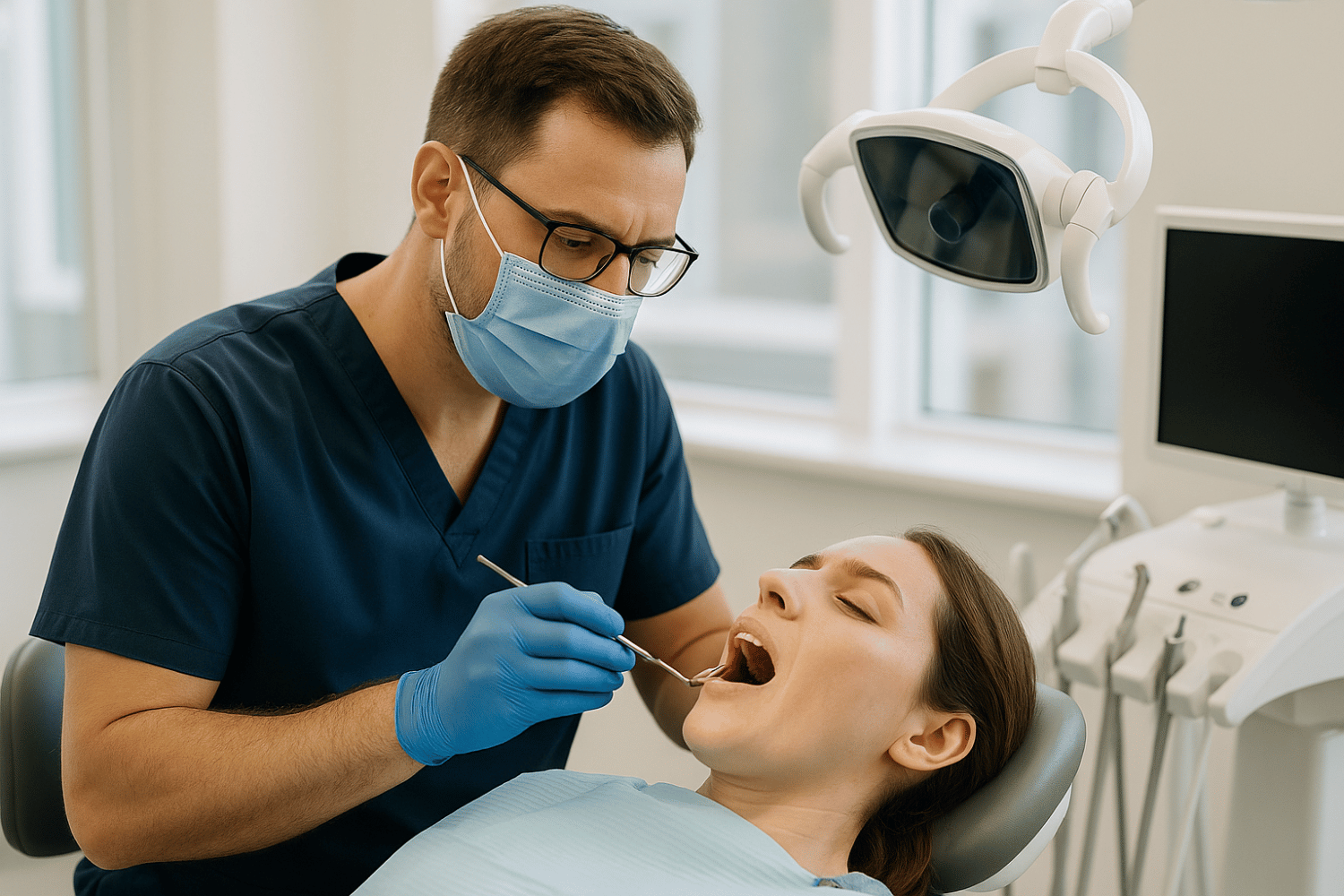
If you’ve ever wondered what actually takes place when you sit down in the dental chair, you’re not alone. Many patients, whether visiting for the first time or returning after a long gap, feel uncertain about the teeth cleaning process. At Today’s Dental in Omaha, we believe that understanding each step helps you feel more comfortable and confident during your visit.
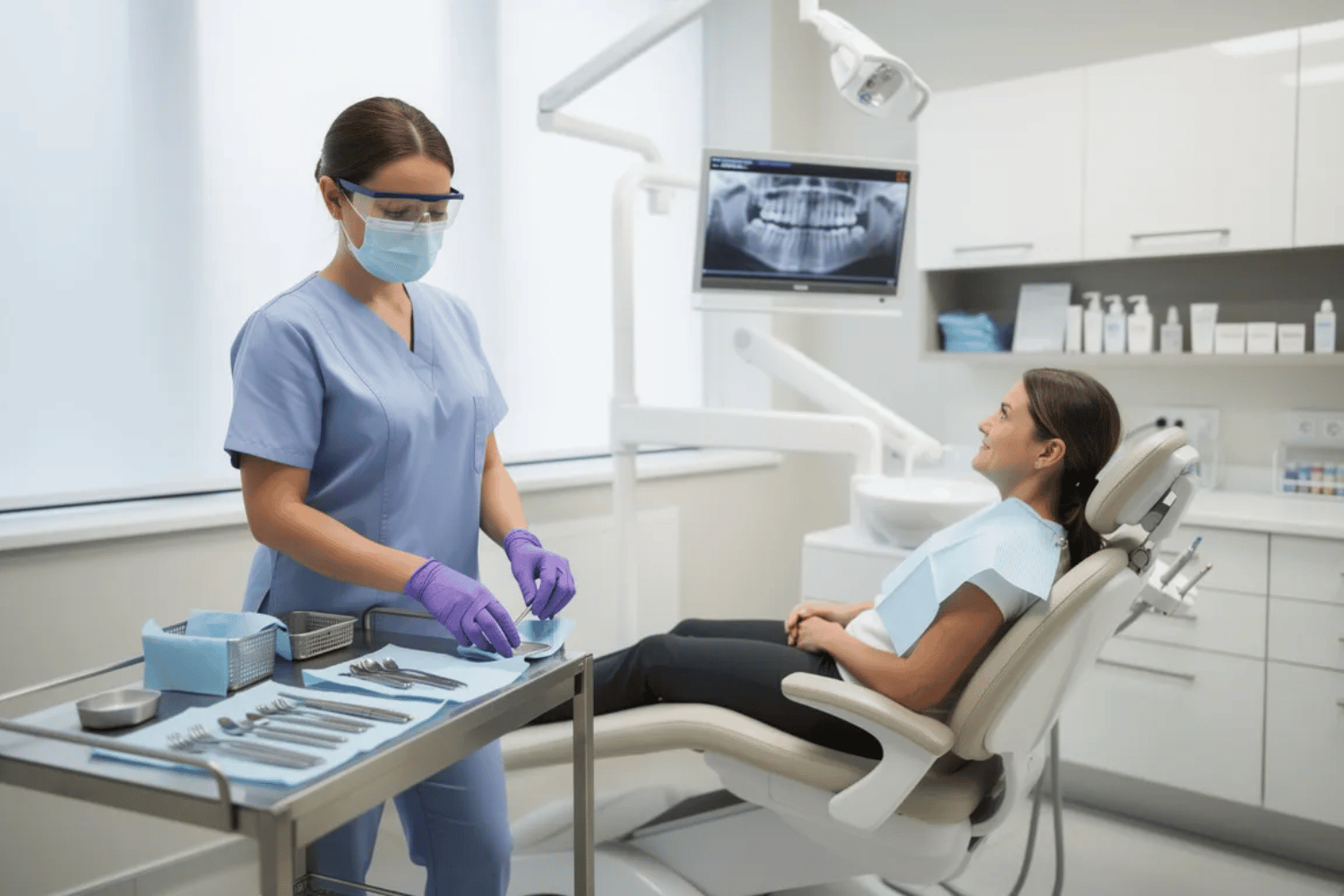
A Dental Hygienist Is Seen In A Modern Office Meticulously Preparing Specialized Tools For A Professional Teeth Cleaning While A Patient Sits Comfortably In A Dental Chair, Ready For Their Routine Dental Cleaning Aimed At Maintaining Optimal Oral Health And Preventing Gum Disease. The Atmosphere Is Calm And Organized, Reflecting The Importance Of Regular Dental Cleanings In Promoting Healthy Teeth And Gums.

Key Takeaways

  • A routine dental cleaning at Today’s Dental in Omaha typically takes 30–60 minutes and is designed to be comfortable, thorough, and highly preventive.
  • Your cleaning appointment usually includes a dental exam, removal of plaque and tartar, polishing, professional flossing, and an optional fluoride treatment to strengthen enamel.
  • Professional cleanings remove hardened tartar buildup and bacteria that regular brushing and flossing at home simply cannot reach, significantly reducing your risk of cavities and gum disease.
  • Most patients benefit from cleanings twice a year, while those with gingivitis or periodontal disease may need more frequent visits every three to four months.
  • If you feel nervous about dental visits, our team offers gentle techniques, clear explanations at every step, and comfort options to help you relax throughout your appointment.

What Is a Professional Dental Cleaning?

A professional teeth cleaning, also called prophylaxis, is a preventive procedure performed by a dental hygienist or dentist to remove plaque, tartar, and stains from your teeth and along the gum line. Unlike daily brushing, this specialized treatment addresses buildup that has hardened over time and requires special instruments to remove safely.

At Today’s Dental in Omaha, a standard cleaning is usually combined with a comprehensive dental exam. This means you receive both prevention and early detection of potential problems in a single, efficient visit. Professional cleanings reach areas that your toothbrush and floss cannot access effectively, particularly between teeth, below the gum line, and on the surfaces of back molars.

Routine cleanings are recommended for both adults and children. Pediatric guidelines suggest a first dental visit around age one, with professional cleanings beginning once several teeth have erupted. As a local Omaha provider, Today’s Dental uses modern instruments and gentle techniques to make every cleaning thorough yet comfortable for patients of all ages.

Step-by-Step: What Happens During a Dental Cleaning Visit

While specific details may vary slightly by patient, most cleanings at Today’s Dental follow a predictable sequence. Knowing what to expect can help ease anxiety and allow you to focus on the positive outcomes of preventive care.

Throughout your visit, your hygienist will explain each step, check in about sensitivity, and adjust their approach as needed. A standard cleaning and exam typically takes about 45 minutes to one hour. Common instruments you may see include a small mirror for visualization, hand scalers for precision work, an ultrasonic cleaner for efficient tartar removal, and a polishing handpiece for that smooth, fresh finish.

Initial Check-In and Medical History Review

When you arrive, our front desk team will greet you and help you complete or update your medical and dental history. We’ll also verify your insurance information before your cleaning begins. This step ensures we have the most current picture of your health.

The team at Today’s Dental reviews your medications, health conditions such as diabetes, heart disease, or pregnancy, and any recent changes. These factors can affect gum health and influence treatment recommendations. This is also the perfect time to mention any dental anxiety, jaw issues, or past negative experiences so we can adapt your visit accordingly. Questions are always welcome from the very start.

Oral Exam and X-Rays (When Needed)

Your dental hygienist begins the clinical portion by using a small mirror to examine your teeth, gums, and soft tissues. They’re looking for signs of plaque buildup, inflamed gums, chipped teeth, or obvious cavities that need attention.

X rays may be taken once a year or as needed to detect:

  • Decay between teeth that isn’t visible to the eye
  • Bone loss around tooth roots
  • Infections below the gum line
  • Other oral health issues not apparent during visual examination

For new patients at Today’s Dental, a more comprehensive evaluation often includes checking your jaw joint (temporomandibular joint), bite alignment, and an oral cancer screening. Any concerns spotted by the hygienist will be documented and discussed with the dentist, who performs a final exam after your cleaning is complete.

Removing Plaque and Tartar (Scaling)

Scaling is the core procedure where your hygienist uses specialized instruments to remove plaque and tartar from the surfaces of your teeth and along the gum line. Plaque is the soft, sticky film of bacteria that forms constantly on teeth. When plaque isn’t removed through regular brushing and flossing, it hardens into tartar (calculus) that only professional instruments can remove.

The hygienist uses a combination of:

  • Ultrasonic scaler: Vibrates at high frequency with water spray to loosen and flush away larger deposits
  • Hand scalers: Hook-shaped instruments for precise, manual removal of remaining tartar
  • Curettes: Specialized instruments for cleaning below the gum line when needed

The time spent on scaling depends on how much buildup is present. Patients with more tartar may notice more scraping sounds, but most patients feel only mild pressure rather than pain. At Today’s Dental, we encourage you to raise your hand if you feel any discomfort; we can adjust pressure, apply topical numbing gel, or take short breaks as needed.

This careful scaling process helps remove bacteria responsible for bad breath, tooth decay, and gum disease progression.

Polishing to Smooth and Shine Teeth

After scaling, your hygienist uses a small rotating rubber cup or brush attached to a motorized handpiece. This cup holds a mildly gritty polishing paste called prophylaxis paste that cleans and smooths tooth surfaces.

Polishing accomplishes several things:

  • Removes any remaining plaque film
  • Buffs away surface stains from coffee, tea, red wine, or tobacco
  • Creates a smooth surface that makes it harder for new plaque to stick
  • Leaves your teeth feeling slick and refreshed

While this step sounds noisy, most patients find it comfortable—similar to the sensation of using a high powered electric brush at home. At Today’s Dental, we may use different polish grits depending on your stain level and whether you have sensitive teeth, tailoring the treatment to your individual needs.
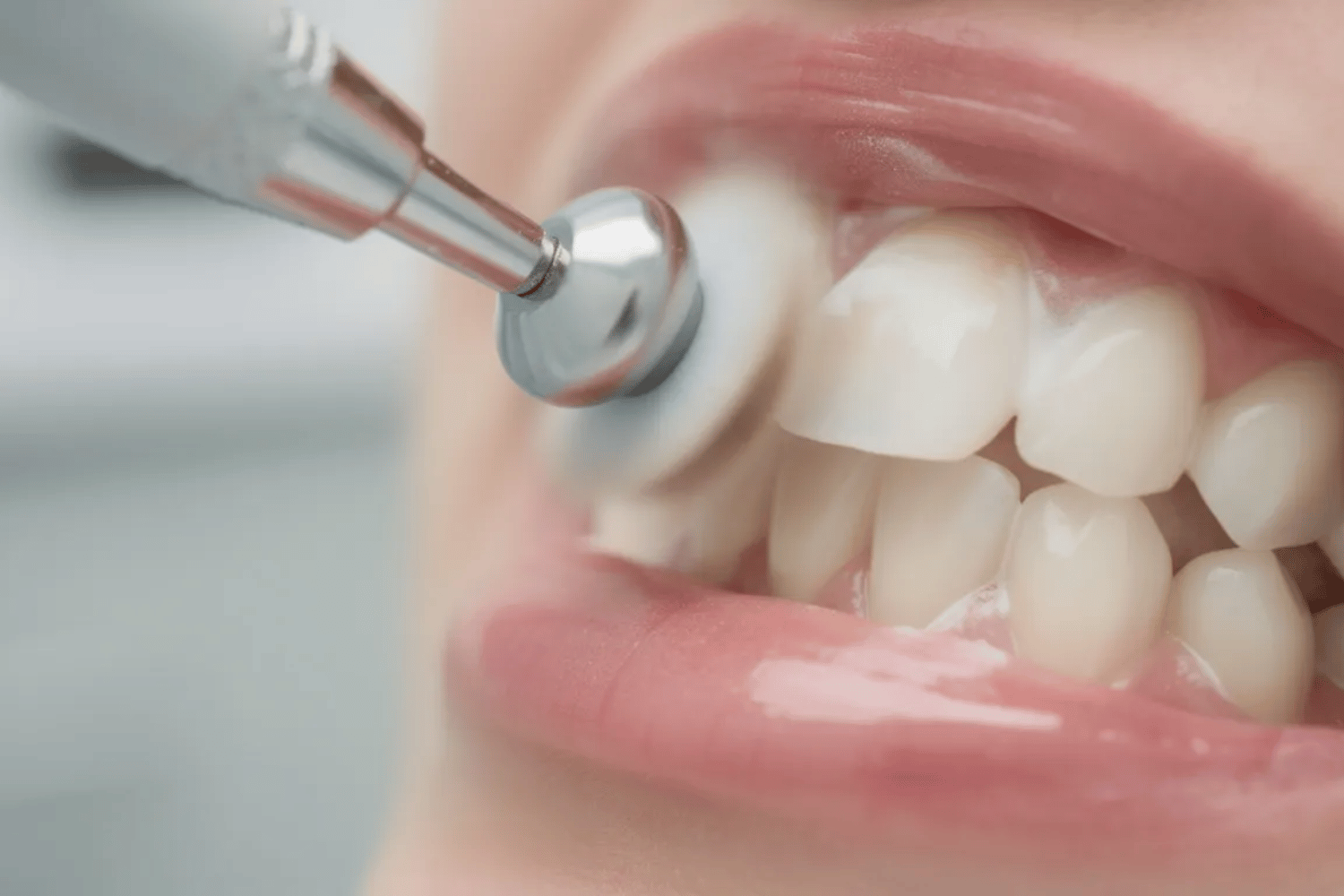
A Close-Up Image Shows A Dental Hygienist Using A High-Powered Electric Polishing Tool On A Patient'S Teeth, Gently Rotating To Remove Plaque And Tartar During A Professional Teeth Cleaning. This Process Is Essential For Maintaining Optimal Oral Health And Preventing Gum Disease.

Professional Flossing Between Teeth

Your hygienist then flosses carefully between each tooth and along the gum line. This step removes any leftover debris and allows the hygienist to check for bleeding gums or tight contacts between teeth.

Bleeding during professional flossing can be an early sign of gingivitis or gum inflammation. If this happens, your hygienist will discuss it with you and may recommend ways to improve your home care routine.

Even if you floss regularly at home, this professional flossing can reveal areas you might frequently miss. Your hygienist may share practical tips on:

  • Proper flossing technique to maximize effectiveness
  • Alternative tools like water flossers or interdental brushes
  • How often to replace your floss or flossing tools

Rinsing and Optional Fluoride Treatment

After polishing and flossing, you’ll rinse to wash away paste, loosened plaque, and debris. A small suction device helps keep you comfortable throughout this process.

A fluoride treatment is an optional but commonly recommended final step. Fluoride strengthens tooth enamel and helps prevent cavities by making enamel more resistant to acid attacks from bacteria. The treatment involves applying a flavored gel, foam, or varnish to your teeth.

At Today’s Dental, fluoride is especially recommended for:

  • Children and teenagers
  • Adults wearing braces or other orthodontic appliances
  • Patients at higher risk for decay
  • Those with dry mouth or other oral health issues

The application itself takes only a few minutes. You may be asked to avoid eating or drinking for about 30 minutes afterward to let the fluoride fully absorb into your enamel.

Final Dentist Exam and Treatment Recommendations

Once the cleaning is complete, the dentist reviews your X rays, visually inspects your teeth and gums, and confirms the hygienist’s findings. This comprehensive dental exam looks for:

  • Cavities requiring treatment
  • Cracked or worn fillings
  • Gum recession
  • Signs of oral cancer
  • Changes since your last visit

This is the ideal time to ask questions about sensitivity, cosmetic concerns like professional whitening, or any future restorative work you’ve been considering. Our team takes a transparent approach, explaining findings clearly and discussing all your options.

Before checkout, we’ll help schedule your next cleaning and any follow-up treatment. We can also provide written instructions for aftercare if needed.

Types of Dental Cleanings You Might Receive

Not all cleanings are identical. The type recommended for you depends on your gum health, plaque levels, and history of gum disease. At Today’s Dental, we offer preventive cleanings, gingivitis-focused cleanings, and deeper therapeutic cleanings for periodontal disease.

Your hygienist and dentist decide together which cleaning is appropriate after examining your gums and reviewing X rays. Even deep cleanings are common, routine procedures designed to control infection and protect teeth from loss.

Regular Preventive Cleaning

A preventive cleaning is the standard visit recommended approximately twice a year for patients with healthy teeth and gums and minimal tartar buildup. This cleaning focuses on removing plaque, light tartar, and stains primarily above the gum line and slightly below where accessible.

Many Omaha patients with good home care, no gum disease, and no major medical risk factors stay on this six-month schedule. Regular preventive cleanings combined with consistent brushing and flossing at home help prevent cavities and avoid more complex, costly dental care later.

Gingivitis Cleaning

Gingivitis is early-stage gum disease, often marked by red, swollen, or bleeding gums without permanent bone loss visible on X rays. A gingivitis cleaning is more focused and may take longer than a standard preventive cleaning.

This treatment targets tartar and plaque along and just under the gum line where gum inflammation is present. The hygienist may recommend more frequent cleanings, for example, every three to four months temporarily, until your gums return to health.

The good news: with consistent professional cleanings and improved oral hygiene at home, gingivitis can usually be reversed. At Today’s Dental, we work with patients to develop personalized plans for restoring gum health.

Deep Cleaning (Scaling and Root Planing)

Deep cleaning, or scaling and root planing, is a therapeutic procedure for moderate to advanced gum disease (periodontitis). This treatment becomes necessary when pockets between teeth and gums have become deeper, allowing bacteria to accumulate below the gum line near tooth roots.

The process typically involves:

  1. Numbing the treatment area for comfort
  2. Thoroughly cleaning below the gum line to gently remove plaque and tartar
  3. Smoothing root surfaces (root planing) so bacteria cannot easily reattach

Deep cleanings are usually performed in sections, for example, treating the right side of your mouth first, then the left side at a subsequent visit. Follow-up maintenance cleanings every three to four months are often recommended.

While periodontal disease cannot be fully “cured,” regular maintenance cleanings at Today’s Dental can keep it controlled and help preserve your teeth for years to come.

How Long Does a Dental Cleaning Take?

A typical preventive cleaning with an exam at Today’s Dental usually takes about 30–60 minutes, depending on tartar buildup, whether X rays are needed, and your individual needs.

Typical durations for cleaning types:

  • Preventive cleaning + exam: 30–60 minutes
  • Gingivitis cleaning: 45–75 minutes
  • Deep cleaning (per quadrant): 60–90 minutes

First-time patients or those who haven’t had a cleaning in several years should allow closer to an hour for a thorough evaluation and discussion. Gingivitis cleanings and deep cleanings may be scheduled for longer visits or split into multiple appointments for your comfort.

We understand that busy Omaha patients have demanding schedules. Our office works to stay on time and can help plan appointments around your work or school commitments.

How Often Should You Get a Dental Cleaning?

The American Dental Association recommends that most patients should visit the dentist for a professional cleaning and exam about twice a year. This schedule works well for many people and helps maintain optimal oral health.

However, some patients benefit from a custom schedule based on individual risk factors:

  • Gum disease history: More frequent visits to prevent progression
  • Smoking or tobacco use: Increased risk of periodontal disease
  • Diabetes: Can affect gum health and healing
  • Dry mouth: Reduced saliva increases cavity risk
  • Pregnancy: Hormonal changes affect gum sensitivity
  • History of frequent cavities: May need additional monitoring

Patients with periodontitis often return every three to four months for periodontal maintenance cleanings. At Today’s Dental, we use clinical findings, such as pocket measurements, X ray results, and bleeding points, to determine the right frequency for you. Dentists recommend personalized schedules based on your unique situation, not just a one-size-fits-all approach.

We encourage you to ask your hygienist directly what interval is best and why. Understanding the reasoning behind your recommended schedule helps you take ownership of your dental care.

Benefits of Regular Dental Cleanings

Regular dental cleanings do far more than make teeth feel smooth—they’re a cornerstone of long-term oral and overall health. Professional cleanings provide benefits that extend well beyond the dental chair.

Key benefits include:

  • Fewer cavities: Removing plaque and tartar eliminates the bacteria that cause tooth decay
  • Lower risk of gum disease: Cleanings prevent gum disease from developing or progressing
  • Fresher breath: Professional removal of bacteria reduces bad breath at its source
  • Early problem detection: Small issues like tiny cavities can be caught before they become bigger dental problems requiring crowns or root canals
  • Brighter smile: Polishing removes surface stains, keeping your smile vibrant
  • Better overall health: Research continues to explore connections between oral health and systemic conditions

At Today’s Dental, routine cleanings are also a chance to update you on home-care techniques and discuss any cosmetic goals you might have. We see these visits as an opportunity for education and partnership in your health journey.

Consider this: catching a small cavity early might mean a simple filling rather than an expensive crown or root canal later. Consistent cleanings lead to reduced long-term dental costs and less invasive treatment over your lifetime. That’s prevention working for you.

A Smiling Patient Confidently Walks Out Of A Dental Office After A Successful Dental Cleaning, Reflecting The Benefits Of Regular Dental Cleanings For Optimal Oral Health. Their Happy Demeanor Suggests A Positive Experience With The Dental Hygienist, Highlighting The Importance Of Preventive Care In Maintaining Healthy Teeth And Gums.

Possible Side Effects and How to Stay Comfortable

Routine cleanings are very safe procedures, but some patients may experience temporary effects afterward. Understanding what’s normal can help you feel prepared.

Common temporary effects:

  • Mild tooth sensitivity, especially to hot or cold
  • Slight gum soreness where tartar was removed
  • Minor bleeding, particularly if gums were inflamed

These symptoms usually resolve within a day or two, especially if you follow aftercare advice from your dental team.

Comfort tips after your cleaning:

  • Take over-the-counter pain relievers like ibuprofen if medically appropriate
  • Avoid very hot or cold foods for a few hours
  • Use a soft-bristled toothbrush for a day or two
  • Consider special toothpaste designed for sensitive teeth if sensitivity persists

For anxious patients, Today’s Dental offers additional comfort measures. We can use topical numbing gel, adjust our technique for gentler cleaning, or break appointments into shorter visits. Most patients experience only mild pressure and scraping rather than actual pain.

Persistent pain, swelling, or heavy bleeding after a cleaning is not typical. If you experience these symptoms, please call our office promptly so we can help.

Aftercare: Taking Care of Your Smile Between Cleanings

What you do at home between visits is just as important as the professional cleaning itself. Consistent oral hygiene habits extend the benefits of your cleaning and protect your healthy teeth between appointments.

Daily care essentials:

  • Brush twice daily with fluoride toothpaste for two full minutes, focusing on the gum line and back teeth where plaque builds up fastest
  • Floss daily or use interdental cleaners to remove bacteria and debris from between teeth where toothbrush bristles cannot reach
  • Consider additional instruments like antimicrobial mouthwash, electric toothbrushes, or water flossers—ask your hygienist which options fit your specific needs

Lifestyle considerations:

  • Limit frequent sugary snacks and acidic drinks to reduce enamel erosion and cavity risk
  • Drink plenty of water throughout the day to maintain saliva production
  • Replace your toothbrush every three to four months or sooner if bristles are frayed

Before leaving Today’s Dental, schedule your next preventive visit. This simple step helps ensure your cleanings stay on track without long gaps that allow problems to develop. Traditional methods of regular brushing combined with professional care create the foundation for a healthier smile that lasts.

FAQs

Does a dental cleaning hurt?

Most patients feel only mild pressure and scraping during a standard cleaning, not actual pain. Those with sensitive teeth or inflamed gums may notice brief moments of discomfort, particularly during scaling around tender areas.

At Today’s Dental, we can use topical numbing gel, gentler techniques, and scheduled breaks to keep anxious or sensitive patients comfortable throughout their visit. The most important thing is to communicate with your hygienist, so please raise your hand or speak up right away if anything feels too sharp or intense. We’ll adjust our approach immediately.

How much does a dental cleaning cost, and is it covered by insurance?

Fees vary based on the type of cleaning needed (preventive versus deep cleaning) and whether X rays or fluoride treatment are included in your visit.

Many dental insurance plans cover routine preventive cleanings and exams at or close to 100% twice a year, sometimes with a small copay. This makes regular cleanings one of the most accessible forms of preventive care available.

If you don’t have dental insurance, please ask Today’s Dental about current fees, payment options, and any in-office savings programs or financing arrangements we offer. We believe cost should never prevent someone from receiving essential dental care.

When should children start getting dental cleanings?

Professional guidelines recommend a first dental visit by age one, with cleanings beginning once several teeth have erupted and the child can comfortably sit for an examination.

At Today’s Dental, we take extra time with young patients, using child-friendly language and a gentle approach to build positive associations with dental care. This reduces fear and establishes healthy habits early.

Regular teeth cleanings in childhood help prevent early cavities and teach good brushing and flossing skills that last into adulthood. Early positive experiences at the dentist often translate to better oral health throughout life.

What if I’m afraid of the dentist or embarrassed about my teeth?

Dental anxiety and embarrassment are far more common than most people realize and our team at Today’s Dental is trained to be completely nonjudgmental and supportive. You are never alone in these feelings.

When scheduling your appointment, please mention any fears or concerns. This allows us to plan extra time and comfort measures, such as slower pacing, clear explanations before each step, and frequent check-ins during your visit.

The goal of your cleaning is to improve your health, not to judge. Even if it has been many years since your last visit, it’s never too late to start fresh. We’re here to help you move forward, not look back.

Can I eat or drink right after my cleaning?

You can usually eat and drink immediately after a standard cleaning. However, you may want to avoid very sticky or heavily dyed foods for a few hours to maintain that fresh, clean feeling.

If a fluoride treatment or other topical medication was applied, you’ll typically be asked to wait about 30 minutes before eating or drinking. This waiting period allows the fluoride to fully absorb into your enamel for maximum benefit.

Your hygienist or dentist at Today’s Dental will provide specific post-visit instructions based on your treatment. Following these guidelines helps ensure you get the best possible results from your cleaning.


A Close-Up Image Shows A Person Drinking A Glass Of Water, Emphasizing The Importance Of Hydration For Maintaining Good Oral Health, Especially For People With Diabetes. Staying Hydrated Can Help Prevent Gum Disease And Support Overall Health By Aiding In Blood Sugar Control.

Caring for Your Smile When You Have Diabetes

When you’re managing diabetes, most of your focus is on blood sugar levels, medications, and diet. But there’s another important part of your health that often gets overlooked: your mouth. The connection between diabetes and oral health is stronger than many people realize, and it works both ways. High blood sugar can increase your risk for gum disease, cavities, and infections, while untreated oral health issues can make diabetes harder to control. Understanding this relationship is one of the most important steps you can take to protect your overall health and stay on track with your long-term goals.

Key Takeaways

  • High blood sugar increases your risk of gum disease, cavities, dry mouth, and oral infections, making proactive dental care essential for people with diabetes in Omaha.
  • Untreated periodontal disease can raise blood glucose levels and make diabetes harder to control, creating a cycle that affects your overall health.
  • Daily home care combined with regular dental visits to Today’s Dental can significantly reduce your oral health risks.
  • Early warning signs like bleeding gums, persistent bad breath, and dry mouth should prompt a timely dental exam. Don’t wait for your next scheduled appointment.
  • Your dentist is an important part of your diabetes care team, working alongside your primary care provider and endocrinologist.

Why Oral Health Matters When You Have Diabetes

At Today’s Dental in Omaha, we view your mouth as an essential part of your whole-body diabetes care. When you’re managing diabetes, keeping your teeth and gums healthy isn’t just about a nice smile. It’s about protecting your well being and supporting your long-term health goals.

Good oral health connects directly to your overall health, including heart disease prevention and blood sugar control. Research from the National Institute of Dental and Craniofacial Research confirms that the mouth serves as a window to what’s happening throughout your body, and this is especially true for people with diabetes.

Here’s what happens when blood glucose levels run high: elevated sugar weakens your white blood cells, which are your body’s primary defense against harmful bacteria in the mouth. When these infection-fighting cells can’t work properly, even minor gum irritation can progress into something more serious. Your body’s response to oral infections slows down, and wound healing takes longer than it should.

Keeping your A1C and daily glucose levels in target range does more than protect your kidneys and eyes. It also helps shield your gums, bone, and teeth from damage. The connection goes both ways: maintaining a healthy mouth supports better disease control of your diabetes.

That’s why we believe dentists belong on your diabetes care team, right alongside your primary care physician and endocrinologist. At Today’s Dental, we’re committed to working with your other healthcare providers to give you comprehensive, coordinated care.

How Diabetes Affects Your Mouth

At Today’s Dental, we regularly see patients with diabetes who experience a range of oral complications. The most common issues include gum disease, dry mouth, dental cavities, and slower healing after dental procedures. Understanding how diabetes mellitus affects your mouth can help you take steps to prevent gum disease and other problems before they start.

Adults with diabetes, especially those over age 50, face a significantly higher risk of severe tooth loss compared with those without the condition. According to the International Diabetes Federation, approximately 22 percent of individuals with type 1 or type 2 diabetes suffer from some form of gum disease.

When blood sugar runs high, glucose levels in your saliva also rise. This extra sugar becomes fuel for the bacteria in plaque, accelerating tooth decay and leading to more tooth decay on vulnerable areas like exposed roots. High blood glucose creates an environment where harmful bacteria thrive.

Diabetes can also reduce saliva production, resulting in dry mouth (a condition called xerostomia). When you produce less saliva, your mouth loses its natural ability to wash away food particles and neutralize acids. This leads to soreness, increased cavity risk along the gum line, and difficulty with everyday activities like eating and speaking.

Even minor mouth irritations, like a sore spot from a denture or a small cut, can take longer to heal when you have diabetes. These seemingly small issues can become infected more easily, turning into bigger health problems if left untreated.

A Close-Up Image Shows A Person Drinking A Glass Of Water, Emphasizing The Importance Of Hydration For Maintaining Good Oral Health, Especially For People With Diabetes. Staying Hydrated Can Help Prevent Gum Disease And Support Overall Health By Aiding In Blood Sugar Control.

Gum Disease: The Most Common Problem

Periodontal disease stands as the most frequent and serious oral complication linked with diabetes. If you have diabetes, understanding the signs of gum disease and knowing how to address it can make a significant difference in your oral and overall health.

Here’s how gum disease develops: plaque (a sticky film of bacteria) accumulates along the gum line and triggers inflammation. In the early stage called gingivitis, gums may appear red, swollen, and bleed easily when you brush or floss. Without treatment, gingivitis can progress to periodontitis, a more severe gum disease where inflammation spreads beneath the gum line, destroying the bone that supports your teeth. This can lead to receding gums, loose teeth, and eventually tooth loss.

People with diabetes are several times more likely to develop advanced gum disease than those without the condition. The increased risk comes from multiple factors: weakened immune response, impaired blood vessels that reduce blood flow to gum tissue, and slower healing overall. Treating gum disease in patients with diabetes often requires more time and more frequent monitoring.

What makes this particularly concerning is the two-way relationship: unmanaged severe gum disease can make blood sugar harder to control. Chronic gum inflammation releases chemicals that contribute to insulin resistance, creating a cycle of worsening oral and overall health. Scientific evidence from a 2018 consensus report and joint workshop confirms this bidirectional connection.

At Today’s Dental, we offer periodontal evaluations and tailored cleaning schedules specifically designed for patients with diabetes. We’ll work with you to develop a care plan that addresses your unique needs.

Other Mouth Problems Linked to Diabetes

Beyond gum disease and cavities, diabetes can cause a range of oral manifestations that affect your daily comfort and quality of life. These oral health problems deserve attention as part of your comprehensive diabetes and oral health care.

Common complications include:

  • Dry mouth (xerostomia): Persistent lack of saliva caused by reduced saliva production from diabetes or diabetes medications.
  • Oral thrush: Fungal infection appearing as white patches, resulting from high glucose in saliva that feeds yeast overgrowth.
  • Burning mouth syndrome: Painful burning sensation in the mouth, possibly linked to diabetic neuropathy.
  • Delayed healing: Slow recovery after extractions or oral surgery due to impaired immune function and blood flow.
  • Denture problems: Ill-fitting or uncomfortable dentures caused by gum tissue changes and dry mouth.

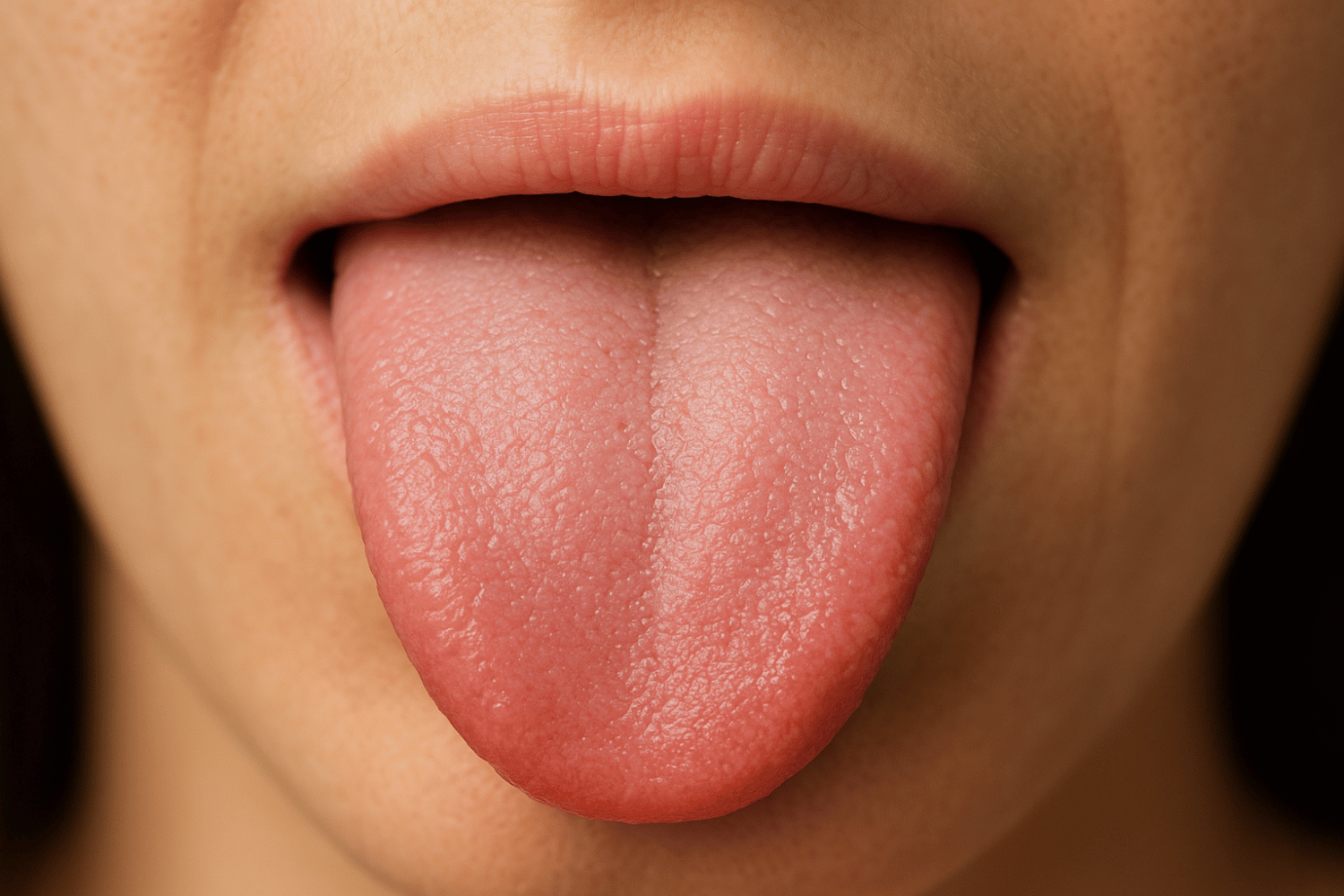
Oral thrush, a fungal infection caused by Candida yeast, thrives in high-glucose environments. You might notice white patches on your tongue, inner cheeks, or palate. This condition can make eating uncomfortable and affect your ability to maintain a balanced diet for blood sugar control.

These issues create real challenges for daily life. When your mouth hurts or feels constantly dry, it’s harder to enjoy food and stick to the healthy eating plan that supports your diabetes management.

During each comprehensive exam, we screen for all of these conditions during each comprehensive exam. If we notice patterns of recurring infection or persistent issues, we can coordinate with your physician through oral medicine consultations to address underlying causes.

Signs and Symptoms to Watch For

We encourage all our patients with diabetes to check their mouth monthly at home. A quick self-exam in the mirror can help you catch problems early before th56ey become serious. If you notice any changes, contact Today’s Dental rather than waiting for your next scheduled appointment.

Watch for these early warning signs:

  • Red, swollen, or tender gums
  • Gums that bleed easily when brushing or flossing
  • Persistent bad breath that doesn’t improve with brushing
  • Receding gums or teeth that appear longer
  • Tooth sensitivity to hot, cold, or sweet foods
  • Loose teeth or changes in how your bite feels
  • A dry or sticky feeling in your mouth
  • White patches, sores, or unusual spots on soft tissue

Many of these symptoms are painless in the early stages, which makes them easy to ignore. That’s why regular dental checkups matter so much. A dental professional can spot problems you might not feel yet.

If you notice any of these symptoms, schedule a dental evaluation promptly. We’d rather see you early and find nothing serious than have you wait while a small problem grows larger.

One helpful tip: document any symptoms you notice. Take photos, note the timing, and consider whether symptoms seem related to periods of high blood sugar. This information helps both your dental team and medical providers pinpoint causes more quickly.

How Caring for Your Smile Supports Blood Sugar Control

The relationship between diabetes and oral health runs both directions. Just as diabetes affects your gums, chronic gum inflammation can raise your blood sugar and make diabetes harder to manage. Understanding this connection empowers you to take control of both conditions.

When periodontal disease causes ongoing inflammation in your gums, your body releases inflammatory chemicals into your bloodstream. These substances contribute to insulin resistance, making it harder for your cells to respond to insulin. The result? Higher glucose levels that are more difficult to control, even when you’re following your diabetes management plan carefully.

The good news: research shows that treating gum disease can help improve glycosylated hemoglobin (A1C) levels over time in many patients. The American Dental Association and digestive and kidney diseases research institutions have documented this benefit. By addressing oral infections and reducing gum inflammation, you may see improvements in your blood sugar control.

We encourage you to think of regular dental visits as having the same priority as your eye exams and foot checks. The National Institute of Diabetes and Digestive and Kidney Diseases emphasizes that comprehensive diabetes care includes attention to oral health.

We see ourselves as partners in your health journey. When complex oral infections arise, we communicate with your primary care provider or endocrinologist to ensure coordinated care. Your mouth healthy means your whole body benefits.

A Person Is Using A Glucose Meter To Check Their Blood Glucose Levels At Home, Highlighting The Importance Of Diabetes Management For Maintaining Overall Health. Regular Monitoring Can Help Prevent Complications Such As Gum Disease And Tooth Decay, Which Are Common Among People With Diabetes.

Daily Home Care Tips for People With Diabetes

Good oral hygiene at home forms the foundation of preventing oral complications from diabetes. Think of this as your daily investment in a healthy smile. Just a few minutes morning and night can make a tremendous difference.

Brushing:

  • Brush twice daily for a full two minutes each time
  • Use fluoride toothpaste to strengthen enamel and fight infections
  • Pay special attention to the gum line and back teeth where plaque accumulates
  • Choose a soft-bristled brush to avoid irritating sensitive gum tissue

Flossing:

  • Clean between teeth daily with dental floss, interdental brushes, or a water flosser
  • Don’t skip this step. Brushing alone misses about 40% of tooth surfaces
  • We are happy to demonstrate proper technique during your visit

Denture Care:

  • Clean dentures or partials every day
  • Remove them at night to let gum tissue rest and reduce infection risk
  • Rinse your mouth and gently brush your gums before reinserting

Managing Dry Mouth:

  • Sip water regularly throughout the day
  • Chew sugar-free gum with xylitol to stimulate saliva
  • Consider saliva substitutes if dry mouth persists
  • Avoid alcohol-based mouthwashes that can worsen dryness

Diet Considerations:

  • Limit frequent snacking on sugary drinks and refined carbohydrates
  • Be especially mindful when blood sugar is already elevated
  • Rinse with water after eating if you can’t brush right away

Tobacco and Vaping:

  • Avoid all tobacco products and vaping
  • Smokers with diabetes face up to 20 times higher risk for severe gum disease and oral thrush
  • Tobacco impairs blood flow to gums and dramatically slows wound healing

Coordinating Dental Care With Your Diabetes Plan

Your home care routine works best when it’s part of your overall diabetes management strategy. Here’s how to keep everything working together:

Share your numbers: Record your recent A1C results and typical daily blood glucose ranges to share with our team. This helps us understand your current diabetes control and tailor our recommendations.

Time your appointments wisely: Schedule dental appointments when your blood sugar is usually most stable. For many patients, this means mid-morning after breakfast and morning medications have had time to work.

Bring your medication list: Include all medications including insulin, oral diabetes drugs, GLP-1 agonists, SGLT2 inhibitors, and any others. Some diabetes medications affect healing or interact with dental treatments.

Plan for physical activity: If you typically exercise in the morning, consider whether that affects your blood sugar and schedule accordingly.

Know when to postpone: If blood sugar is very high on the day of a planned visit, your dental team may recommend rescheduling elective dental procedures. High glucose increases infection risk and impairs healing. We’ll help you determine what’s safe.

Dental Visits at Today’s Dental When You Have Diabetes

When you visit our Omaha dental office, you can expect a team that understands the unique needs of patients managing diabetes. We’re here to make your dental care comfortable, thorough, and coordinated with your overall health plan.

Frequency of visits: While some patients do well with regular checkups every six months, those with diabetes, especially with active gum disease or higher A1C levels, often benefit from professional cleanings every three to four months. We’ll customize your schedule based on your individual needs.

What we review at each visit:

  • Complete medical history update
  • Recent A1C and blood glucose patterns
  • Current medications, including any recent changes
  • Any hospitalizations or new diagnoses
  • How you’ve been feeling overall

Comprehensive exam includes:

  • Thorough gum evaluation with measurements
  • X-rays to assess bone levels
  • Screening for signs of infection, oral cancer, and other conditions
  • Dry mouth assessment
  • Review of any oral appliances or dentures

Treatment approaches: If we find active periodontal disease, we may recommend deep cleaning (scaling and root planing) to remove bacteria and tarite from below the gum line. This craniofacial research-supported treatment helps reduce inflammation and gives your gums a chance to heal.

We use gentle techniques, offer numbing options for comfort, and maintain clear communication throughout every procedure. We never want you to feel surprised or anxious about what’s happening.

Please feel free to ask questions about how proposed dental treatments might interact with your diabetes medications, insulin production, or meal schedule. We want you to feel confident and informed about every aspect of your care.

A Friendly Dental Team Is Smiling And Engaging In Conversation With A Patient, Emphasizing The Importance Of Regular Dental Visits For Maintaining Oral Health, Especially For People With Diabetes Who Are At A Higher Risk For Gum Disease And Tooth Decay. The Atmosphere Is Welcoming, Promoting Good Oral Hygiene And Overall Health.

Preparing for Dental Procedures With Diabetes

When you’re scheduled for extractions, implants, or longer restorative visits, a little preparation goes a long way toward ensuring smooth healing and good outcomes.

Before your dental appointment:

  • Talk with both your dentist and physician about adjusting insulin or diabetes medications, especially for morning or fasting appointments
  • Discuss whether you might experience an insulin reaction during a longer procedure
  • Ask about eating guidelines before and after your appointment

On the day of your procedure:

  • Check your blood sugar before leaving home
  • Bring your glucose meter to the appointment
  • Pack a fast-acting glucose source (glucose tablets, juice, or candy)
  • Bring a snack for afterward

Why preparation matters: Good pre-procedure blood sugar control significantly reduces your chance of infection and promotes faster wound healing. When glucose levels are stable, your body’s immune response works more effectively.

After your procedure, you will receive clear written post-operative instructions tailored for patients with diabetes. We’ll explain proper wound care, what signs of infection to watch for, and when to call us with concerns.

When to Call Today’s Dental or Your Doctor

Don’t wait if something feels wrong in your mouth. Early intervention prevents small problems from becoming serious complications that affect both your oral and overall health.

Call your dentist if you experience:

  • Gums that bleed daily, even with gentle brushing
  • Sudden looseness of any tooth
  • Pus or swelling near a tooth or in the gums
  • Persistent bad taste that won’t go away
  • Mouth sores lasting more than two weeks
  • Dentures that suddenly don’t fit properly or cause pain

Contact your physician or seek urgent care for:

  • Facial swelling that spreads
  • Fever along with mouth infection
  • Trouble swallowing or breathing
  • Rapidly worsening pain that doesn’t respond to over-the-counter remedies

If you’re experiencing frequent oral infections or recurring thrush, mention this to your diabetes care provider. These patterns may signal that blood sugar is running higher than expected and might need adjustment.

We understand that dental emergencies are stressful, especially when you’re managing a chronic condition like uncontrolled diabetes. Today’s Dental can often offer same-day or next-day emergency appointments for urgent dental concerns in Omaha. Please don’t hesitate to call. We’re here to help.

FAQs

How often should I see the dentist if I have diabetes?

For patients with well-controlled diabetes and healthy gums, checkups and cleanings every six months typically work well. However, if you have active gum disease, a higher A1C, or other diabetes related complications, visits every three to four months may be more appropriate.

At Today’s Dental, we customize your recall schedule based on your gum measurements, X-ray findings, and overall health. As your condition changes, whether improvement or new challenges, we’ll adjust your schedule accordingly. The goal is keeping you on track to prevent gum disease rather than treating advanced problems.

Should I check my blood sugar before a dental appointment?

Yes, especially before longer or more complex visits. Checking blood glucose helps you and our team ensure you’re in a stable range before starting treatment. If your reading is too low, treat the hypoglycemia before coming in.

We recommend bringing your glucose meter and a fast-acting sugar source (glucose tablets, juice, or hard candy) to every dental appointment. This is particularly important if you’ve taken insulin and might experience a drop during your visit. Let our team know if you start feeling symptoms of low blood sugar during your appointment. We’ll pause and help you address it immediately.

Can I get dental implants if I have diabetes?

Many people with well-controlled diabetes are excellent candidates for dental implants. However, because healing may be slower and infection risk is elevated, careful planning is essential for success.

At Today’s Dental, we’ll evaluate your bone health, gum condition, and insulin production stability before recommending implants. We may request recent A1C results and coordinate with your physician to optimize timing. Patients with stable glucose levels typically have outcomes comparable to those without diabetes. It just requires extra attention to preparation and aftercare.

What can I do about dry mouth from my diabetes or medications?

Dry mouth is a common challenge, but there are practical steps you can take:

  • Sip water frequently throughout the day
  • Chew sugar-free gum or lozenges containing xylitol
  • Avoid alcohol-based mouthwashes that worsen dryness
  • Use a humidifier in your bedroom at night
  • Limit caffeine and alcohol, which can dehydrate you

Today’s Dental can recommend prescription-strength fluoride products to protect teeth from decay when saliva is reduced. We may also suggest saliva substitutes or specific oral care products designed for dry mouth. If your medications are causing significant dryness, we can communicate with your physician about potential alternatives.

Do I need to tell my dentist about changes in my diabetes medications?

Absolutely. Any change in insulin, oral medications, GLP-1 injections (like Ozempic or Mounjaro), SGLT2 inhibitors, or other systemic drugs should be shared with Today’s Dental before treatment.

This information helps us plan appointment timing, adjust anesthesia if needed, and provide appropriate aftercare instructions. For example, some newer diabetes medications affect kidney diseases function or cause dehydration, which may influence how we approach certain dental procedures. Open communication ensures your dental care is safe and effective alongside your current diabetes regimen.

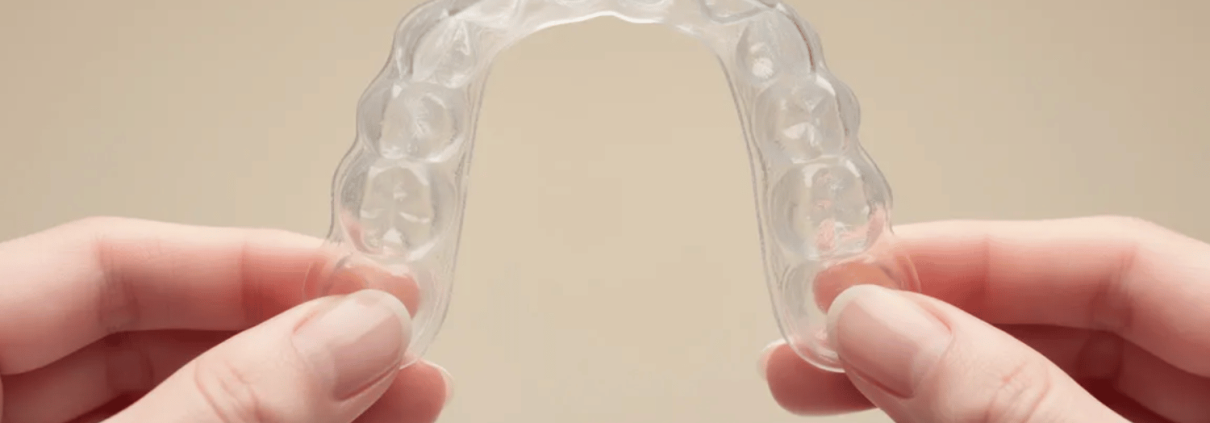
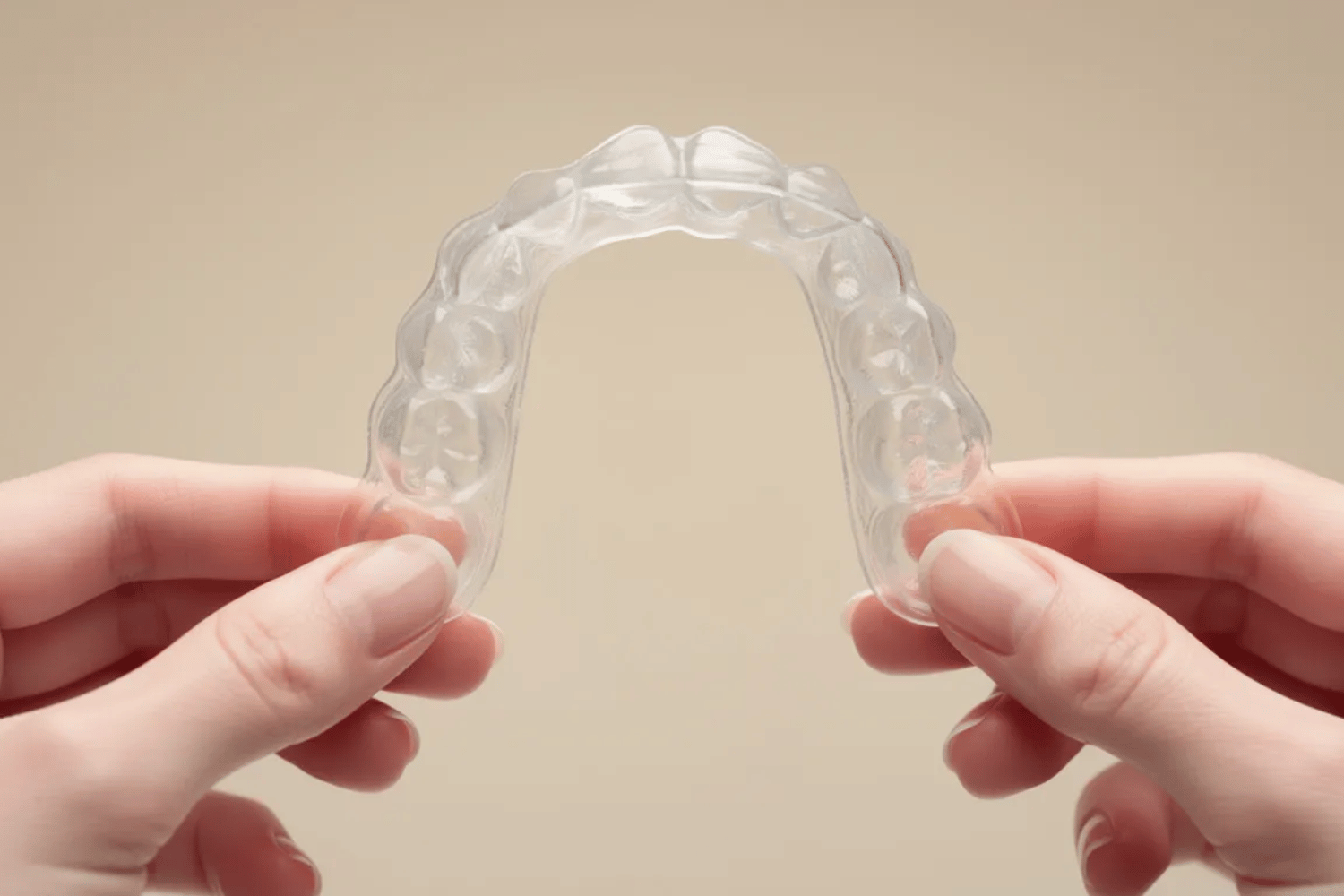
A Clear Aligner Tray Is Being Held Between Two Hands Against A Neutral Background, Showcasing Its Discreet Design As A Modern Orthodontic Treatment Option For Achieving Straighter Teeth.

Invisalign: A Clear Choice for a Healthier, More Confident Smile

If you’ve ever felt self-conscious about crooked or crowded teeth, you’re far from alone. Research suggests that over 70% of American adults have some degree of malocclusion, meaning their teeth don’t fit together quite right. While misaligned teeth are often viewed as a cosmetic concern, the reality is more complex. Crooked, crowded, or poorly aligned teeth can contribute to serious oral health issues, including gum disease, uneven tooth wear, chronic jaw discomfort, and headaches.

The good news? Modern orthodontic treatment has come a long way. Invisalign offers a teeth-straightening approach that uses a series of customized aligners made from smooth, medical-grade plastic to gradually shift your teeth into their correct position. Unlike braces with visible metal wires and brackets, Invisalign aligners are discreet, comfortable, and designed to support both function and long-term oral health.

Throughout this guide, we’ll explore the benefits of Invisalign from a health-first perspective—how improved alignment supports easier cleaning, reduces strain on the jaw, protects teeth from damage, and boosts confidence along the way. We’ll also walk through the treatment process, compare Invisalign to traditional braces, and explain how flexible financing options can make care more accessible. If you’re experiencing jaw pain, grinding, or difficulty cleaning your teeth, Invisalign may be about more than appearance—it may be about protecting your health.

Key Takeaways

  • Invisalign uses custom-made, virtually invisible aligners to gradually straighten teeth through gentle pressure, offering a discreet alternative to traditional braces.
  • Misaligned teeth are a functional health issue—not just a cosmetic one—and can increase the risk of gum disease, tooth decay, jaw pain, and tooth wear.
  • Straighter teeth are easier to clean, helping reduce plaque buildup and inflammation that lead to long-term dental problems.
  • Improved bite alignment may help relieve jaw strain, headaches, and nighttime grinding caused by uneven chewing forces.
  • Most Invisalign treatment plans last 9–18 months, with aligners worn 20–22 hours per day and changed every 1–2 weeks.
  • Today’s Dental offers up to 12-month in-office financing, making it easier to begin treatment without delaying care for financial reasons.

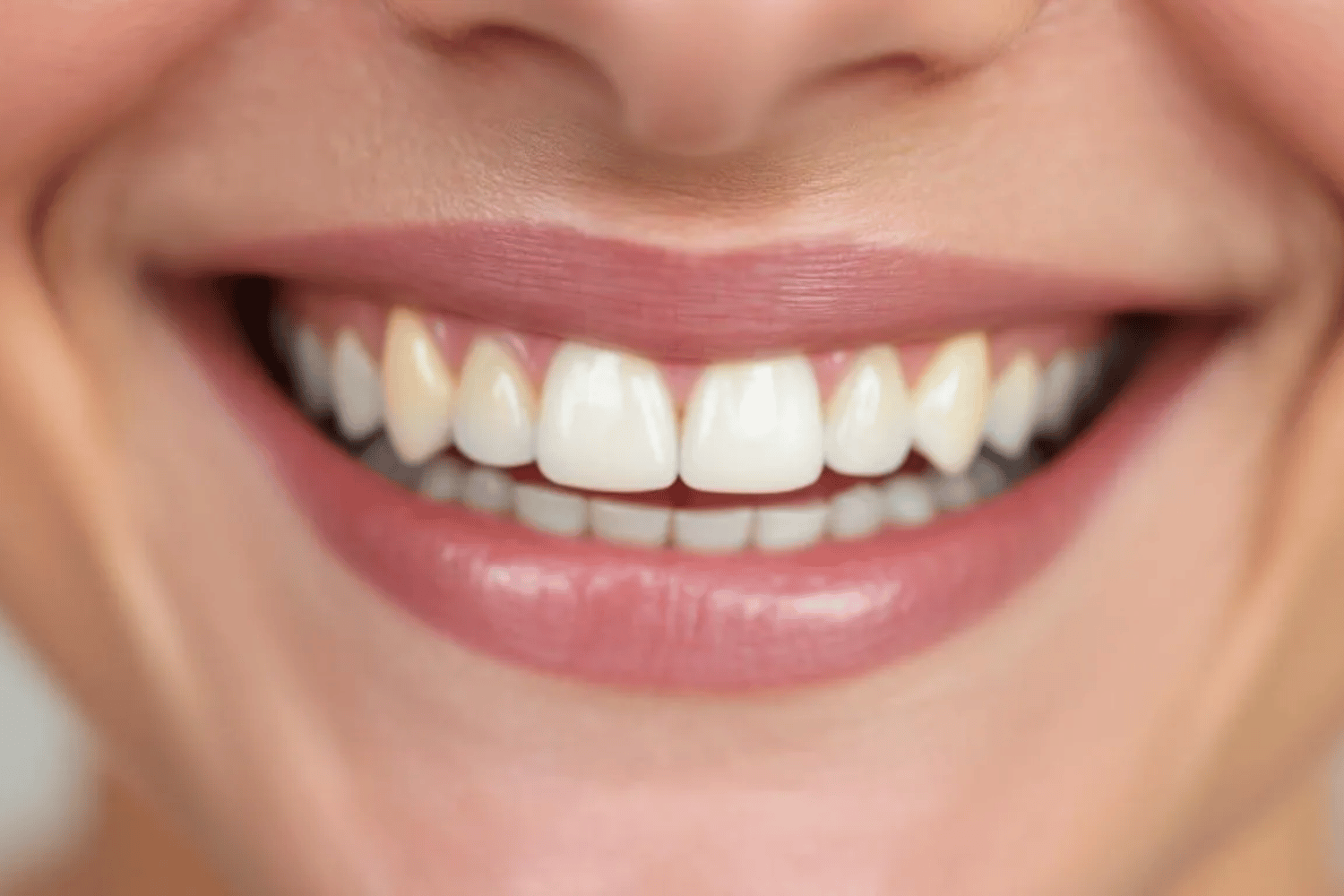
A Person Is Smiling Confidently, Showcasing Their Naturally Aligned And Healthy Teeth, Which Reflect The Benefits Of Orthodontic Treatment.

How Misaligned Teeth Affect Oral and Overall Health

Malocclusion refers to teeth that don’t align properly, including crowding, spacing, overbites, underbites, crossbites, and open bites. These conditions are extremely common and often develop gradually, which makes them easy to overlook—until symptoms begin to appear.

Crowded or overlapping teeth create tight spaces that are difficult to clean thoroughly. Food debris and bacteria accumulate in these areas, leading to plaque buildup. Over time, plaque hardens into tartar and contributes to cavities, gingivitis, and eventually periodontitis, which damages the bone supporting your teeth.

Bite misalignment can also strain your jaw and facial muscles. When teeth don’t meet evenly, certain areas absorb more force during chewing, clenching, or grinding. This imbalance may lead to:

  • Jaw tension and fatigue
  • Chronic headaches
  • Tooth grinding (bruxism), often during sleep
  • Chipped, cracked, or prematurely worn teeth
  • TMJ (temporomandibular joint) discomfort

Beyond physical symptoms, misalignment can affect speech clarity, chewing efficiency, nutrition, and self-confidence. Left untreated, minor alignment problems often worsen over time, increasing the likelihood of tooth loss or the need for more complex dental procedures later.

What Is Invisalign and How Do Clear Aligners Work?

Invisalign is a system of clear, removable aligners designed to straighten teeth gradually using controlled force. Unlike traditional braces, which rely on fixed brackets and wires, Invisalign uses a series of custom trays that fit snugly over your teeth.

The treatment process includes:

  • Digital scanning: Advanced 3D imaging captures precise models of your teeth—no messy impressions.
  • Personalized planning: Software maps each movement step by step and previews your expected outcome.
  • Custom aligners: Aligners are made from SmartTrack material, a BPA-free plastic designed for comfort and accuracy.
  • Progressive wear: Each aligner is worn for 1–2 weeks, gently moving teeth toward proper alignment.

Treatment time varies:

  • Minor corrections: ~9 months
  • Moderate cases: 12–15 months
  • More complex cases: 18+ months

Regular monitoring ensures safe, predictable movement that protects roots, gums, and jaw health throughout treatment.

A Clear Aligner Tray Is Being Held Between Two Hands Against A Neutral Background, Showcasing Its Discreet Design As A Modern Orthodontic Treatment Option For Achieving Straighter Teeth.

Oral Health Benefits of Straighter Teeth with Invisalign

Proper alignment supports healthier teeth and gums by making daily hygiene more effective. When teeth are straight, all surfaces are easier to reach during brushing and flossing, reducing plaque retention and inflammation.

Improved alignment also helps distribute chewing forces evenly, protecting teeth from excess stress and wear. Over time, this can reduce the risk of enamel erosion, fractures, and jaw discomfort.

Invisalign, Jaw Pain, and Teeth Grinding

Jaw pain, headaches, and grinding are often linked to bite imbalance. When teeth don’t meet correctly, jaw muscles must compensate, leading to tension and inflammation.

Invisalign can help improve how teeth come together, reducing strain on the jaw joints and surrounding muscles. Many patients report less clenching, fewer headaches, and improved comfort after completing treatment. While Invisalign isn’t appropriate for every TMJ condition, correcting alignment is often an important part of reducing chronic jaw stress.

Confidence and Lifestyle Advantages

Invisalign aligners are clear and low-profile, making them ideal for adults and teens who want discreet treatment. They’re removable, allowing you to eat normally, brush and floss as usual, and maintain your routine without major disruptions.

Most patients begin noticing visible improvement within months, reinforcing motivation and confidence throughout treatment.

Invisalign vs. Traditional Braces

Both Invisalign and braces straighten teeth using controlled force, but they differ in daily experience.

Invisalign advantages include:

  • Virtually invisible appearance
  • Removability for hygiene and eating
  • Fewer food restrictions
  • Smooth, comfortable material
  • Less frequent adjustment visits

Some complex cases may still require traditional braces, which your provider will discuss during your consultation.

Who Is a Good Candidate for Invisalign?

Invisalign effectively treats:

  • Mild to moderate crowding
  • Spacing and gaps
  • Overbite, underbite, and crossbite
  • Some open bite cases

Success depends on wearing aligners 20–22 hours per day and maintaining good oral hygiene. A professional evaluation is the best way to determine if Invisalign is right for you.

Cost, Insurance, and Up to 12-Month In-Office Financing

Invisalign treatment costs vary based on complexity, but fees are often comparable to traditional braces. Many insurance plans provide orthodontic benefits that apply to Invisalign.

To make care more accessible, Today’s Dental offers up to 12-month in-office financing, allowing patients to spread costs into manageable monthly payments. This removes a common barrier to care and allows patients to address alignment issues before they worsen.

Straightening your teeth isn’t just an aesthetic decision—it’s an investment in comfort, oral function, and long-term health.

A Professional Adult Is Smiling Confidently In A Workplace Setting, Showcasing Their Straightened Teeth, Likely The Result Of An Orthodontic Treatment Such As Invisalign.The Today’s Dental Difference

At Today’s Dental, Invisalign is approached through a health-first lens. Your care team evaluates bite balance, gum health, jaw function, and long-term stability—not just appearance.

Using advanced digital technology and personalized treatment planning, Today’s Dental supports patients from consultation through retention, with flexible financing designed to fit real life. The goal isn’t just straighter teeth—it’s healthier smiles that last.

Ready to Protect Your Smile and Your Health?

If you’re dealing with jaw discomfort, grinding, difficulty cleaning your teeth, or early signs of wear, Invisalign may be the solution you’ve been waiting for.

Schedule your free Invisalign health consultation at Today’s Dental and ask about financing. Your path to better comfort, confidence, and oral health can start today.

Frequently Asked Questions

Is Invisalign considered cosmetic or medically beneficial?

While Invisalign improves the appearance of your smile, its benefits go well beyond cosmetics. Correcting tooth alignment can reduce gum disease risk, protect teeth from uneven wear, improve bite balance, and relieve jaw strain or grinding. For many patients, Invisalign is a preventive health investment.

Can Invisalign help with jaw pain or teeth grinding?

In many cases, yes. Misaligned teeth can place extra stress on the jaw joints and muscles, contributing to TMJ discomfort, headaches, and bruxism (teeth grinding). By improving how your teeth fit together, Invisalign may help reduce this strain and improve overall comfort.

How long does Invisalign treatment usually take?

Treatment time varies based on the complexity of your case. Minor alignment issues may take around 9 months, moderate cases typically last 12–15 months, and more complex cases may take 18 months or longer. Your dentist will provide a personalized estimate during your consultation.

Do I really have to wear Invisalign aligners 20–22 hours per day?

Yes. Consistent wear is essential for predictable results. Aligners should only be removed for eating, drinking anything other than water, and oral hygiene. Wearing them as directed helps keep treatment on schedule and reduces the need for refinements.

Is Invisalign affordable with financing options?

Yes. Many dental insurance plans contribute toward Invisalign treatment, and Today’s Dental offers up to 12-month in-office financing to help make care more accessible. This allows patients to begin treatment right away while spreading payments into manageable monthly amounts.

A Person Is Wincing In Discomfort While Sipping A Glass Of Ice Water On A Sunny Day, Indicating Potential Tooth Sensitivity Or Pain.

Sensitive Teeth: Causes, Relief, and When to See a Dentist

Sensitive teeth, medically known as dentin hypersensitivity, affect millions of people worldwide, causing sharp, sudden pain in response to hot, cold, sweet, or acidic stimuli. This common dental issue occurs when the protective enamel wears down or gums recede, exposing the underlying dentin and tooth roots. Understanding the causes, symptoms, and treatment options for sensitive teeth is essential for maintaining oral health and enjoying your favorite foods and drinks without discomfort. In this article, we explore everything you need to know about sensitive teeth—from what triggers the pain to effective relief methods and prevention tips.

Key Takeaways

  • Sensitive teeth cause sharp, brief pain triggered by hot, cold, sweet, or sour stimuli due to exposed dentin or roots beneath worn enamel or receded gums.
  • Common causes include enamel erosion, gum recession, teeth grinding, and recent dental work.
  • Using desensitizing toothpaste and a soft bristled toothbrush often reduces sensitivity.
  • Professional treatments like fluoride applications and dental bonding help persistent cases.
  • Persistent or worsening sensitivity may signal cavities or gum disease and needs dental care.

Sensitive teeth, clinically known as dentin hypersensitivity, cause brief, sharp pain when your teeth encounter hot, cold, sweet, sour, or even physical touch. This discomfort typically stems from exposed dentin or root surfaces—the softer layer beneath your protective tooth enamel that contains tiny tubules leading directly to the nerve.

The reassuring news is that most tooth sensitivity responds well to targeted care. At-home strategies like using a desensitizing toothpaste and switching to a soft bristled toothbrush often provide noticeable relief within a few weeks. For more persistent cases, professional treatments such as fluoride applications, dental bonding, or surgical gum graft procedures can address the underlying cause effectively.

However, sudden or worsening sensitivity deserves attention. It can signal dental problems like cavities, a cracked tooth, or gum disease that need prompt evaluation. If sensitivity persists beyond two weeks or interferes with your daily life, scheduling a dental visit is the right call.

Main causes of sensitive teeth include:

  • Enamel erosion from acidic foods and drinks
  • Gum recession exposing root surfaces
  • Teeth grinding (bruxism)
  • Acidic diet and frequent snacking
  • Recent dental procedures or whitening treatments

With early action and proper care, sensitive teeth can often be improved significantly—or even fully resolved.

What Are Sensitive Teeth?

Tooth sensitivity refers to that sharp, brief pain you feel when your teeth encounter temperature changes, touch, or certain foods and drinks. Unlike a constant, throbbing toothache, this discomfort comes on quickly, lasts just seconds to minutes, and fades once the trigger is removed.

Understanding why this happens starts with your tooth’s structure. The enamel layer—the hardest substance in your body—forms a protective shell over the crown of each tooth. Beneath this protective layer lies dentin, a softer tissue containing thousands of microscopic tubules (tiny hollow channels) that extend directly to the pulp nerve at your tooth’s center.

When enamel thins, chips away, or when gums recede and expose the tooth root, the underlying dentin becomes vulnerable. Without that barrier, cold water, hot coffee, sweet foods, or even a gust of cold air can travel through those tubules and stimulate the nerve endings. Your brain interprets these signals as that familiar sharp pain.

A Person Is Wincing In Discomfort While Sipping A Glass Of Ice Water On A Sunny Day, Indicating Potential Tooth Sensitivity Or Pain.

Everyday scenarios often reveal sensitivity: discomfort when sipping ice water, biting into ice cream, breathing in cold winter air, or brushing your teeth near the gum line. Some people notice sensitivity in just one tooth—perhaps where a filling has worn or a small cavity has formed—while others feel it across multiple teeth.

It’s also worth noting that sensitivity can be temporary or ongoing. After teeth whitening or a dental cleaning, many people experience mild pain that resolves within days. But when sensitivity persists without an obvious trigger like a recent dental procedure, it’s worth investigating the cause.

Why Are My Teeth Sensitive? (Common Causes)

Sensitivity is usually a symptom rather than a condition on its own. Something has changed in your enamel, gums, or the tooth nerve itself. Identifying that underlying cause is the first step toward finding relief.

Enamel Erosion from Acidic Foods and Drinks

Your enamel faces a daily challenge from acids in your diet. Soda, citrus fruits, energy drinks, wine, vinegar-based dressings, and other acidic foods gradually soften and dissolve the enamel surface over time. When you frequently consume these foods and drinks—especially sipping slowly throughout the day—your enamel doesn’t get a chance to recover between acid exposures.

This enamel erosion thins the protective barrier, making it easier for stimuli to reach the dentin beneath. The result? Teeth that feel sensitive to temperatures and sugary foods that never bothered you before.

Gum Recession

Gum recession occurs when gum tissue pulls away from the tooth, exposing the root surfaces that lack the thick enamel protection your crown has. This can happen due to:

  • Aggressive brushing with hard bristles or excessive pressure
  • Natural aging as gums gradually recede
  • Periodontal disease that damages gum tissue and supporting bone
  • Genetics (some people naturally have thinner gums)
  • Clenching and grinding teeth
  • Misalignment of teeth, or malocclusion

Since root surfaces are covered only by a thin layer called cementum—not dense enamel—they’re naturally more sensitive to temperature and touch. Many people first notice this sensitivity along the gum line when brushing your teeth or drinking cold beverages.

Teeth Grinding and Clenching

Bruxism—the habit of grinding or clenching your teeth, often during sleep—creates enormous friction on your enamel. Over time, this enamel wear flattens biting surfaces, creates microcracks, and can even expose dentin on the chewing surfaces of your teeth. This can also cause gum recession

Many people don’t realize they grind until they notice symptoms: jaw soreness upon waking, headaches, worn tooth surfaces, or increasing sensitivity. Stress often triggers or worsens grinding, making it a hidden cause of tooth pain that many overlook.

Dental Procedures and Teeth Whitening

Temporary pain after fillings, cleanings, crowns, or bleaching is common and usually resolves within days to weeks. Whitening products containing peroxide can penetrate enamel and temporarily irritate the nerve, causing sensitivity in 60-70% of users. This typically fades once treatments stop.

Post-procedure sensitivity usually confines itself to the affected tooth and improves steadily. If it doesn’t, follow up with your dentist to ensure everything healed properly.

Structural Problems

Sometimes sensitivity points to a specific dental issue:

    • Chipped tooth: Creates an opening that exposes dentin
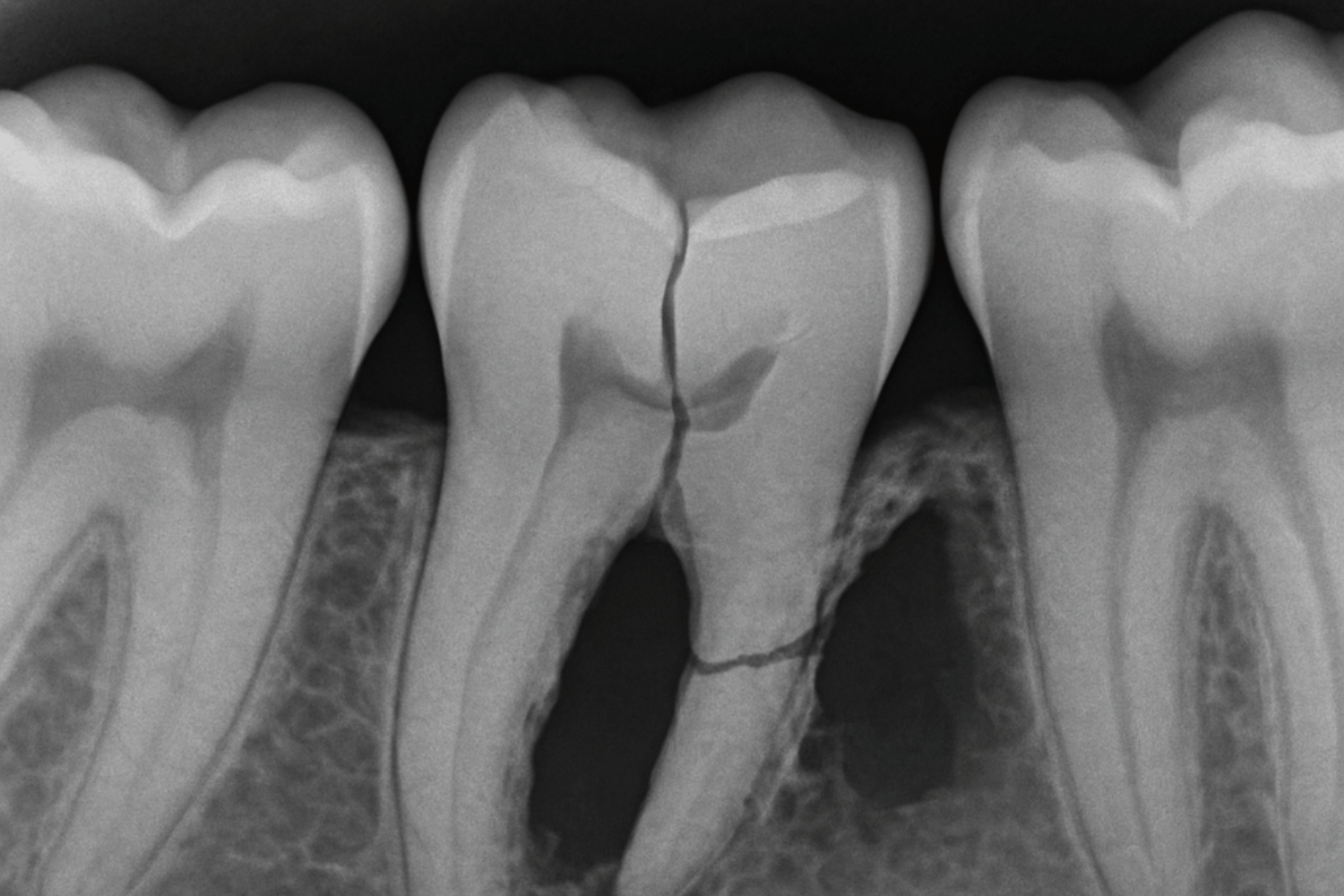
    • Cracked tooth: Allows temperature and pressure to reach the nerve
    • Cavities near the gum line: Tooth decay dissolves enamel and dentin
    • Worn fillings or crowns: Failed restorations leave gaps exposing sensitive areas

When one tooth hurts significantly more than others, structural damage is often the culprit.

Medical and Lifestyle Factors

Certain health conditions accelerate enamel loss:

    • Gastroesophageal reflux disease (GERD): Stomach acid regularly reaching the mouth erodes enamel chronically
    • Eating disorders involving vomiting: Hydrochloric acid directly attacks enamel with a pH of 1.5-3.5
    • Dry mouth conditions: Reduced saliva means less natural acid neutralization and remineralization
    • Overuse of at-home whitening strips: Frequent bleaching irritates the pulp and causing sensitivity

How Are Sensitive Teeth Treated?

Treatment depends on the underlying cause and severity of your sensitivity. Most people benefit from combining home strategies with professional care tailored to their specific situation.

Desensitizing Toothpaste

Switching to a sensitive toothpaste is often the first recommendation. These formulas contain active ingredients that either block nerve signals or physically seal the tubules in exposed dentin:

    • Potassium nitrate : Calms nerve activity, reducing the tooth’s ability to transmit pain signals
    • Stannous fluoride : Forms mineral precipitates that plug tubules, creating a barrier against stimuli

For best results, use your desensitizing toothpaste twice daily and give it 2-4 weeks before judging effectiveness. Many people see 30-60% reduction in sensitivity with consistent use. Avoid rinsing immediately after brushing so the active ingredients have time to work.

In-Office Fluoride Treatments

Professional fluoride treatments—varnishes, gels, or high-concentration prescriptions—deliver more fluoride than over-the-counter fluoride toothpaste can provide. These applications strengthen tooth enamel and reduce sensitivity by depositing minerals into weakened areas. Your dentist might recommend periodic treatments as part of your ongoing care.

Dental Bonding and Sealants

For exposed dentin or worn enamel, your dentist can apply tooth-colored resin to cover sensitive areas. This dental bonding creates a physical barrier between stimuli and the tubules, often providing relief for several years. The procedure is quick, painless, and doesn’t require anesthesia in most cases.

Surgical Gum Graft

When advanced gum recession exposes significant root surfaces, a surgical gum graft may offer the best long-term solution. In this procedure, tissue (often from the roof of your mouth or a donor source) is placed over exposed roots. This restores gum health, protects against further damage, and can significantly reduce sensitivity while improving appearance.

A Close-Up Image Of A Soft Bristled Toothbrush With Toothpaste On The Bristles, Highlighting The Importance Of Using Gentle Tools For Oral Health, Especially For Those With Sensitive Teeth.

Night Guards for Bruxism

If teeth grinding contributes to your sensitivity, a custom mouth guard worn during sleep protects your teeth from further wear. Unlike over-the-counter options, professionally fitted guards provide better protection and comfort. Addressing the grinding itself—through stress reduction techniques or other treatments—also helps prevent ongoing damage.

Root Canal Treatment

In severe cases where the nerve is inflamed, infected, or when other treatments fail to provide relief, a root canal may be recommended. This procedure removes the sensitive pulp tissue, eliminating pain at its source. While it sounds intimidating, modern root canal treatment is comfortable and saves teeth that might otherwise need extraction.

What to Expect at Your Appointment

When you see your dentist about sensitivity, expect a thorough evaluation: visual examination, temperature tests (cold air or water), gentle tapping on teeth, and x-rays to check for hidden decay, cracks, or bone loss. Your dentist will also review your habits, diet, and medical history to identify contributing factors.

Based on findings, your treatment plan might include one approach or combine several. The goal is always addressing the underlying cause while providing relief from your symptoms.

Can Sensitive Teeth Be Prevented?

Many cases of sensitivity can be prevented—or at least minimized—with daily habits that protect your enamel and gums. Small changes often make a big difference over time.

Gentle Brushing Techniques

Using a soft bristled toothbrush is essential. Hard bristles and aggressive brushing actually damage the enamel layer and irritate gum tissue, contributing to the very sensitivity you’re trying to avoid. Instead:

    • Use small, circular motions rather than harsh back-and-forth scrubbing
    • Apply light pressure—let the bristles do the work
    • Brush for a full two minutes, twice daily
    • Replace your brush every 3-4 months or when bristles fray

Smart Toothpaste and Rinse Choices

Select a fluoride toothpaste approved by the American Dental Association. If you’re prone to sensitivity, choosing a formula with desensitizing ingredients provides ongoing protection. Avoid abrasive toothpastes marketed for whitening, as they can accelerate enamel wear over time.

For mouthwash, choose alcohol-free options. Alcohol-based rinses can irritate exposed dentin and sensitive areas, worsening discomfort.

Diet Adjustments

You don’t have to eliminate acidic foods entirely, but moderation helps protect your enamel:

    • Limit daily soda, sports drinks, and citrus juices to reduce acid exposure time.
    • Use a straw for acidic beverages to minimize contact with teeth.
    • Avoid sipping acidic drinks over long periods to give enamel recovery time.
    • Rinse with plain water after acidic foods to help neutralize acids.
    • Wait 30-60 minutes after eating acidic foods before brushing to prevent brushing softened enamel.

Also consider limiting sweet foods and sugary foods that feed bacteria producing additional acid in your mouth.

Daily Flossing

Plaque buildup along the gum line leads to gum inflammation, which can progress to periodontal disease and recession. Daily flossing or using interdental cleaners removes plaque your toothbrush can’t reach, supporting gum health and reducing recession risk.

Managing Grinding

If you wake with jaw soreness, headaches, or notice worn teeth, ask your dentist about a custom night guard. Stress management techniques—exercise, meditation, limiting caffeine before bed—can also help reduce nighttime clenching.

Regular Dental Checkups

Visiting your dentist regularly (typically every six months) allows early detection of enamel wear, small cavities, and beginning gum disease—before they cause noticeable sensitivity. Prevention and early intervention are always easier than treating advanced problems.

An Assortment Of Citrus Fruits, Including Vibrant Oranges, Bright Lemons, And Juicy Grapefruits, Is Beautifully Arranged On A Wooden Cutting Board.

Should I Be Worried If My Teeth Are Sensitive?

Occasional mild sensitivity is common and often not cause for alarm. Many adults experience it at some point, especially after consuming very cold foods or following dental work. However, new, persistent, or worsening sensitivity deserves attention.

Understanding the Difference

Typical dentin hypersensitivity causes brief, stimulus-related pain—sharp but short-lived, ending when the trigger is removed. This differs significantly from:

    • Lingering pain that continues after the stimulus is gone
    • Throbbing or spontaneous pain that occurs without any trigger
    • Severe discomfort that wakes you at night

These patterns may indicate nerve inflammation (pulpitis), infection, or a cracked tooth requiring prompt treatment.

Warning Signs That Need Evaluation

Pay attention to these red flags:

    • One tooth that hurts significantly more than others
    • Visible cracks, chips, or darkening of a tooth
    • Swelling in the gums or face
    • Bad taste in your mouth
    • Bleeding gums alongside sensitivity
    • Pain when biting or chewing

Why Early Detection Matters

Sensitivity is sometimes the first noticeable symptom of cavities, early gum disease, or structural damage. Catching these problems early often means simpler, less invasive, and less expensive treatment. A small filling costs far less than a crown or root canal needed for advanced decay.

If over-the-counter products and home care changes haven’t improved your sensitivity within 2-3 weeks, it’s time for professional evaluation. Self-diagnosing or ignoring persistent symptoms risks further damage to teeth you could have saved with timely care.

When Should Sensitive Teeth Be Treated by a Dentist?

While home care helps many cases, certain situations call for professional attention. Schedule a dental visit if:

    • Sensitivity lasts longer than 1-2 weeks without improvement
    • Symptoms suddenly worsen
    • Sensitivity interferes with eating, drinking, or daily comfort
    • Pain occurs with hot coffee, ice water, cold air, or sweet foods repeatedly

Red-Flag Situations

Some scenarios warrant prompt evaluation:

    • Sensitivity localized to a single tooth (possible cavity or crack)
    • An affected tooth that hurts when biting down (possible cracked tooth syndrome)
    • Sensitivity following trauma to the mouth
    • Visible changes in tooth color or gum position
    • Fever or swelling accompanying tooth pain
    • A “dull ache”, not a sharp pain

What Happens at Your Appointment

Your dentist will conduct a thorough examination:
1. Visual inspection looking for visible decay, cracks, or worn enamel
2. Temperature tests using cold air or water to identify which teeth respond
3. Percussion tests (gentle tapping) to check for cracked tooth or infection
4. X-rays revealing hidden decay, bone loss, or issues below the gum line
5. Review of your history including diet, habits, and recent dental procedures

Based on findings, treatment might include adjusting your bite, repairing failing fillings, treating gum problems, or applying fluoride products or bonding to sensitive areas.

The Value of Timely Care

Professional treatment relieves pain, protects your teeth from further damage, and prevents serious complications like infections or tooth loss. Most importantly, it gives you answers—understanding why your teeth feel sensitive helps you take steps to prevent recurrence.

If you’ve been avoiding foods and drinks you love or dreading temperature changes, you don’t have to live with that discomfort. Today’s modern treatment options can help most people find significant relief and get back to enjoying life without wincing at every sip of ice water.

Summary

Sensitive teeth don’t have to control your daily life. With the right combination of home care, lifestyle adjustments, and professional guidance when needed, most people find lasting relief. If you’ve tried desensitizing products without success, or if you’re experiencing any warning signs we’ve discussed, don’t hesitate to ask your dentist about your options. Taking action today protects your smile—and your comfort—for years to come.

Frequently Asked Questions

Can sensitive teeth go away on their own?

Mild sensitivity from minor enamel wear, dietary acids, or recent dental procedures often improves within a few days to weeks once you reduce triggers and use a desensitizing toothpaste consistently. However, sensitivity caused by gum recession, cavities, or structural damage won’t resolve without addressing the underlying cause. If symptoms persist beyond 2-3 weeks despite home care, professional evaluation is recommended.

Is it okay to whiten my teeth if they are already sensitive?

Whitening products can temporarily increase sensitivity, which may concern those who already have sensitive teeth. Before pursuing whiter teeth, discuss options with your dentist. They may recommend lower-concentration formulas, in-office treatments with professional monitoring, or using desensitizing products before and after whitening to minimize discomfort. Skipping whitening during active sensitivity flare-ups is generally wise.

Does pregnancy make teeth more sensitive?

Yes, hormonal changes during pregnancy increase blood flow to gums, making them more prone to inflammation (pregnancy gingivitis) and potentially recession. This can lead to new or worsening sensitivity. Maintaining regular dental cleanings during pregnancy is safe and recommended. Gentle brushing with soft bristles and consistent home care help minimize pregnancy-related gum changes.

Can sensitive teeth be a sign of vitamin or health problems?

Sensitivity can sometimes point to underlying health issues. Acid reflux (GERD) exposes teeth to stomach acid, accelerating enamel erosion. Conditions causing frequent vomiting, very dry mouth (from medications or medical conditions), or nutritional deficiencies affecting oral health can all contribute. When medical factors play a role, coordinating care between your dentist and physician leads to the best outcomes.

Is there a “best” toothpaste for sensitive teeth?

Most desensitizing toothpastes use similar active ingredients—typically potassium nitrate or stannous fluoride—and work comparably when used correctly. Look for the American Dental Association Seal of Acceptance, which indicates the product has been evaluated for safety and effectiveness. Use your chosen sensitive toothpaste twice daily, and don’t rinse with water immediately after brushing—this allows the active ingredients more contact time with your teeth. Some fluoride products may work better for certain individuals, so if one formula doesn’t help after 4-6 weeks, trying another is reasonable.

Soothe the Sting: Understanding and Treating Sensitive Teeth with Today’s Dental

Contact Us

A Close-Up Image Shows A Person Grimacing In Pain While Holding Their Jaw, Indicating Discomfort From A Broken Tooth.

What Can Happen If You Don’t Fix a Broken or Cracked Tooth?

That broken tooth might seem like an inconvenience now, but what starts as a small chip or crack can escalate into a dental emergency requiring extensive treatment. Every year, approximately 15% of adults experience a broken or cracked tooth, and many delay seeking treatment due to cost concerns, fear, or simply hoping the problem will resolve itself.

Unfortunately, leaving a broken tooth untreated creates a cascade of increasingly serious problems that affect not just your oral health, but your overall health and financial wellbeing. Understanding what happens when you ignore dental damage can help you make informed decisions about seeking prompt treatment from your dentist.

Key Takeaways

  • Ignoring a broken tooth can lead to severe pain, infection, and complete tooth loss within 2-6 weeks
  • Bacteria enter through cracks causing dental infections that may spread to your bloodstream and cause life-threatening infections
  • Treatment costs increase dramatically from $150 for a filling to over $5,000 for implants when tooth loss occurs
  • Early intervention is essential to ensuring the best outcome for the tooth

A Close-Up Image Shows A Person Grimacing In Pain While Holding Their Jaw, Indicating Discomfort From A Broken Tooth.

Immediate Consequences of Leaving a Broken Tooth Untreated

When you have a broken tooth, the immediate symptoms often develop within hours or days. The tooth’s structure becomes compromised, and the protective tooth enamel that normally shields the inner layers can no longer do its job effectively.

Sharp pain typically occurs when biting or chewing as the ligament that holds the tooth becomes sensitive to pressure from the trauma which caused the broken tooth. You may find yourself avoiding certain foods or chewing only on one side of your mouth to avoid discomfort.

Extreme sensitivity to hot beverages like coffee or cold foods like ice cream often develops within 24-48 hours. The crack exposes the underlying tooth structure making temperature changes incredibly painful. Even breathing cold air through your mouth can trigger sharp, shooting pain.
Rough edges and jagged edges from the broken tooth can cut your tongue, cheek, or lips during eating and speaking. These sharp edges create constant irritation in your mouth, making normal activities uncomfortable and increasing your risk of developing mouth sores or ulcers.

Food particles getting trapped in tooth cracks becomes a persistent problem, causing bad breath and bacterial buildup. Unlike normal food debris that can be removed with brushing, particles stuck in cracks are difficult to clean out completely, creating an ideal environment for bacteria to multiply and cause further decay.

The difficulty eating certain foods forces you to alter your diet and chewing patterns. Hard foods like popcorn kernels, hard candy, and even crusty bread become impossible to eat comfortably, while soft foods may be the only option that doesn’t cause tooth pain.

Infection Risks and Health Complications

When tooth enamel is cracked or broken, it creates an entry point for bacteria. These bacteria can penetrate the protective barrier and reach the tooth’s underlying dentin and inner pulp more readily, where they begin multiplying rapidly in the nutrient-rich environment.

As the bacteria progresses, you could notice worsening symptoms. The tooth may initially become more sensitive, then develop a constant, throbbing pain that doesn’t respond well to over-the-counter pain medications.

A dental abscess forms when the infection overwhelms the tooth’s ability to fight back. This pus-filled pocket can develop at the tooth’s root within one to two weeks of initial bacterial invasion. Signs of abscess formation include facial swelling that extends beyond the immediate tooth area, sometimes fever, and a foul taste in your mouth from pus discharge.

The Image Depicts A Person'S Face With Noticeable Swelling And Redness, Indicating An Untreated Dental Infection, Likely Resulting From A Cracked Tooth Or Broken Tooth. This Condition Highlights The Importance Of Timely Treatment To Prevent Further Damage And Serious Dental Issues, Such As Tooth Loss Or The Spread Of Infection.

Life-Threatening Systemic Infections

While rare, untreated broken teeth can lead to serious dental issues that become medical emergencies. When bacteria from a dental abscess enter your bloodstream, they can cause sepsis – a life-threatening systemic infection that requires immediate hospitalization.

Ludwig’s angina represents one of the most dangerous complications. This rapidly spreading infection affects the floor of the mouth and neck tissues, potentially blocking airways and requiring emergency airway management. Unlike typical dental abscesses, Ludwig’s angina can develop quickly and become life-threatening within hours.

Brain abscess development, though extremely rare, can occur when infection travels through blood vessels to the brain. This condition requires neurosurgical intervention and can cause permanent neurological damage or death if not treated immediately.

People with diabetes, heart conditions, or compromised immune systems face significantly higher risks from untreated dental infections. These patients may develop complications more quickly and require more aggressive treatment to prevent systemic spread.

The connection between untreated dental infections and endocarditis is well-documented in medical literature. Bacteria from oral infections can attach to heart valves, particularly in patients with existing heart conditions, leading to vegetation formation and potentially fatal heart complications.

Progressive Tooth Damage Over Time

A broken tooth untreated doesn’t remain stable – it continues deteriorating in predictable stages. Understanding this process helps illustrate why prompt treatment is essential for preserving the tooth’s structure and avoiding more extensive dental work.

Initially the crack typically expands due to normal chewing forces and temperature changes. Each time you bite down or drink something hot or cold, the materials in the tooth expand and contract at different rates, causing the crack to propagate deeper into the tooth’s structure.

Then if decay does occur, decay can accelerate as bacteria colonize the crack and produce acids that further weaken the tooth. The bacteria convert sugars from your diet into lactic acid, which dissolves the mineralized tooth structure and creates larger cavities around the original break.

The structural integrity becomes so compromised that larger pieces may break off during normal eating. What started as a minor chip can progress to losing significant portions of the crown, requiring much more extensive restoration or extraction.

Root development may occur and reach below the gum line. At this point, the tooth’s root may be too damaged to support any type of restoration, making tooth extraction the only viable option.
Since tooth enamel cannot regenerate like other body tissues, any cracks or chips are permanent and progressive. Unlike a broken bone that can heal stronger than before, teeth have no mechanism for self-repair, making professional intervention the only way to halt deterioration.

The X-Ray Image Reveals Significant Bone Loss Surrounding An Untreated Broken Tooth, Highlighting The Potential Dental Issues Such As Infection And Tooth Loss That Can Arise If A Cracked Tooth Is Left Untreated. This Image Serves As A Reminder Of The Importance Of Timely Treatment To Maintain Oral Health And Prevent Further Damage.

Financial Consequences of Delayed Treatment

The financial impact of delaying treatment for a broken tooth can be staggering. What might initially require simple, affordable treatment can escalate into complex, expensive procedures requiring multiple appointments and specialists.

Early treatment options for a chipped tooth or minor crack are relatively inexpensive. Dental bonding using tooth colored resin typically costs between $150-$500 per tooth and can often be completed in a single appointment. Small chips might only require smoothing of rough edges, which costs even less.

A dental crown becomes necessary when the damage is more extensive but the tooth structure remains salvageable. Crown treatment typically ranges from $1,200-$2,000 per tooth, depending on the material chosen and complexity of the case.

When infection develops due to delayed treatment, root canal therapy becomes essential before any restoration can be placed. Root canals add $800-$1,500 to the total treatment cost, and the tooth will still require a crown for protection, bringing total costs to $2,000-$3,500.

If the tooth becomes non-restorable due to extensive damage or infection, tooth extraction becomes necessary. The extraction itself may cost $200-$600, but replacing the missing tooth with a dental implant can cost $3,000-$5,000 per tooth, including the implant, abutment, and crown.

The time off work required for multiple dental appointments when simple problems become complex can add significant indirect costs. Emergency appointments often require immediate scheduling that disrupts work and personal commitments.

When Emergency Dental Care Becomes Necessary

Recognizing when a broken tooth requires immediate attention can prevent serious complications and potentially save your life. Certain symptoms indicate that the situation has progressed beyond routine dental care and requires urgent intervention.

Severe throbbing pain lasting more than 30 minutes typically indicates that the tooth’s pulp has become irreversibly damaged. This type of constant pain often doesn’t respond well to over-the-counter pain medications and may worsen when lying down or bending over.

Facial swelling that extends beyond the immediate tooth area suggests that infection has begun spreading to surrounding soft tissues. Swelling that affects the cheek, jaw, or neck requires immediate dental evaluation and often antibiotic treatment.

Fever above 101°F (38.3°C) in conjunction with dental pain indicates systemic infection that requires immediate medical attention. The combination of dental symptoms and fever suggests that bacteria have begun affecting your overall health.

Difficulty swallowing or opening your mouth fully due to swelling can indicate serious complications like Ludwig’s angina. These symptoms require immediate emergency room evaluation, as they can rapidly progress to airway obstruction.

A foul taste or visible pus discharge from the broken tooth area indicates active infection that needs immediate treatment. The pus represents your body’s attempt to fight the bacterial invasion, but it also means the infection has established itself and will likely spread without intervention.

Signs Requiring Immediate Medical Attention

Certain combinations of symptoms indicate medical emergencies that require hospital-level care rather than just dental treatment. These situations can become life-threatening within hours and should never be ignored.

Neck stiffness combined with dental pain and fever may indicate that the infection is spreading toward the brain or spinal cord. This combination of symptoms requires immediate emergency room evaluation and intravenous antibiotics.

Breathing difficulties or voice changes accompanying dental infection suggest swelling that may compromise your airway. Any breathing problems associated with dental symptoms require immediate medical intervention.

Rapid heart rate or dizziness accompanying dental symptoms may indicate that the infection is affecting your cardiovascular system. These signs suggest possible sepsis and require immediate hospital care.

Confusion or altered mental state in elderly patients with dental infections can indicate serious systemic complications. Older adults may not show typical signs of infection, making mental changes an important warning sign.

An Individual Is In An Emergency Room Receiving Treatment For A Cracked Tooth, Highlighting The Urgency Of Addressing Dental Issues Like Broken Teeth Or Chipped Teeth To Prevent Further Damage And Severe Pain. The Scene Emphasizes The Importance Of Timely Treatment To Maintain Oral Health And Avoid Complications Such As Tooth Loss Or Infection.

Long-Term Oral Health Deterioration

When a broken tooth remains untreated for months or years, it creates ongoing problems that extend far beyond the original damaged tooth. These long-term complications often require extensive treatment and can significantly impact your quality of life.

Chronic bad breath that doesn’t improve with brushing, flossing, or mouthwash often develops around untreated broken teeth. The bacterial colonies that establish themselves in cracks and damaged areas produce sulfur compounds that create persistent, unpleasant odors.

Gum recession around the broken tooth frequently occurs as the body attempts to protect itself from ongoing bacterial irritation. As gums recede, they expose the tooth’s root surface, creating additional areas vulnerable to decay and increasing tooth sensitivity.

TMJ disorders can develop due to altered chewing patterns when you consistently avoid using the broken tooth. The temporomandibular joints that connect your jaw to your skull can become inflamed and dysfunctional when forced to accommodate uneven bite patterns over extended periods.

The increased risk of cavities in remaining teeth occurs because untreated broken teeth harbor bacteria that spread throughout your mouth. These bacteria produce acids that increase cavity formation in previously healthy teeth, requiring additional dental work.

Premature aging appearance results from missing teeth that no longer support facial structure. When teeth are lost due to untreated breaks, the surrounding bone begins to resorb, creating a sunken facial profile that can add years to your appearance.

Prevention and Protective Measures

While accidents can’t always be prevented, several strategies can significantly reduce your risk of breaking teeth and protect your investment in oral health. Understanding these preventive measures helps avoid the serious consequences of broken teeth entirely.

Wearing custom night guards prevents teeth grinding damage that can weaken tooth enamel over time. Many people grind their teeth unconsciously during sleep, creating microcracks that can eventually lead to major breaks. A properly fitted night guard distributes forces evenly and protects against grinding damage.

Using mouth guards during contact sports and recreational activities provides essential protection against trauma. Even non-contact sports like gymnastics or skateboarding carry risks of facial injury that can fracture teeth. A well-fitted sports guard can absorb and distribute impact forces.

Avoiding hard foods that can crack teeth helps preserve tooth integrity. Ice cubes, popcorn kernels, hard candy, and similar items can create enough force to crack even healthy teeth. Being mindful of what you chew helps prevent unnecessary damage.

Regular dental checkups every six months allow early detection of small problems before they become major issues. Your dentist can identify tiny cracks or weak areas and provide preventive treatment before they progress to painful breaks requiring extensive treatment.

Proper nutrition with adequate calcium and vitamin D supports strong teeth that resist fracturing. A diet rich in dairy products, leafy greens, and vitamin D sources helps maintain tooth enamel strength and overall oral health.

Avoiding habits like using teeth as tools prevents unnecessary stress on tooth structures. Opening packages, cracking nuts, or holding objects with your teeth can create forces that exceed what teeth are designed to handle.

Using sugar free gum after meals can help neutralize acids and stimulate saliva production, which strengthens tooth enamel and helps wash away harmful bacteria. However, be sure to choose sugar-free options to avoid feeding the bacteria that cause decay.

Frequently Asked Questions

How long can I wait to fix a broken tooth without serious consequences?

You should seek dental treatment As soon as possible after breaking a tooth. While minor chips might not cause immediate pain, bacteria can enter the crack within days and cause infection. Waiting longer than one week significantly increases the risk of complications requiring more extensive and expensive treatment.

Can a broken tooth lead to serious health issues if left untreated?

A broken tooth won’t usually lead to severe complications, but leaving it untreated can allow infection to spread. In rare cases, this can become a serious health issue. Getting prompt dental care helps prevent pain, infection, and any risk of complications.

Can I use over-the-counter pain relievers to manage a broken tooth instead of seeing a dentist?

Pain relievers only mask symptoms temporarily and don’t treat the underlying problem. While medications can provide short-term relief for 24-48 hours, they don’t prevent infection, stop crack progression, or address the structural damage. Prolonged use of pain relievers can also cause stomach, liver, or kidney problems. Only a dentist can fix the broken tooth.

Don’t Ignore the Crack: Trusted Care for Broken Teeth at Today’s Dental

Contact Us

A Dentist Is Conducting A Dental Examination, Carefully Examining A Patient'S Gums With Specialized Dental Instruments. This Scene Highlights The Importance Of Dental Health In Preventing Gum Disease, Which Can Be Affected By Conditions Such As Iron Deficiency Anemia.

Anemia and Gums: Understanding the Connection Between Blood Health and Oral Health

Anemia and Gums: Understanding the Connection Between Blood Health and Oral

When most people think about anemia, they envision fatigue, weakness, and pale skin. However, what many don’t realize is that this common blood disorder has profound effects on oral health, particularly the gums. With iron deficiency anemia affecting over 1 billion people globally, understanding the intricate relationship between anemia and gums becomes crucial for maintaining both systemic and dental health.

The connection between blood health and oral health runs deeper than most realize. Your gums rely on healthy red blood cells to carry oxygen and essential nutrients to maintain their vitality. When anemia disrupts this delicate balance, the consequences extend far beyond feeling tired – they manifest directly in your mouth through pale gums, increased bleeding, delayed wound healing, and heightened susceptibility to periodontal diseases.

Key Takeaways

  • Anemia significantly impacts gum health by reducing oxygen and nutrient delivery to oral tissues, increasing risk of gum disease and bleeding
  • Iron deficiency anemia affects over 1 billion people worldwide and can cause pale, swollen gums, delayed healing, and increased susceptibility to infections
  • The connection between anemia and gum disease involves reduced immune response, chronic inflammation, and impaired blood vessel function
  • Proper management of anemia through iron supplementation, dietary changes, and medical treatment can significantly improve gum health outcomes
  • Regular dental checkups are crucial for anemic patients due to increased risk of oral complications and slower healing processes

In This Close-Up Comparison, Healthy Pink Gums Are Contrasted Against Pale, Anemic Gums, Highlighting The Effects Of Iron Deficiency Anemia On Oral Health. The Vibrant Color Of The Healthy Gums Indicates Proper Blood Circulation And Red Blood Cells, While The Pale Gums Suggest Potential Underlying Issues Such As Severe Anemia Or Gum Disease.

What is Anemia and How Does it Affect the Body?

Anemia is a blood disorder characterized by insufficient healthy red blood cells or inadequate hemoglobin levels in the blood. This condition prevents your body from receiving enough oxygen, as hemoglobin is the protein responsible for oxygen transport throughout your system. When your tissues don’t receive adequate oxygen, every organ system – including your oral cavity – suffers.

The most common types of anemia that significantly impact oral health include:

Iron Deficiency Anemia: The most prevalent form worldwide, occurring when your body lacks sufficient iron to produce healthy red blood cells. This condition affects over 1 billion people globally and is particularly common in women of childbearing age, children, and individuals with poor dietary iron intake.

Pernicious Anemia: Caused by vitamin B12 deficiency, this form of anemia occurs when your body cannot properly absorb this essential vitamin. It often presents with distinctive oral manifestations that can serve as early warning signs.

Sickle Cell Anemia: A genetic disorder where red blood cells become misshapen and cannot effectively carry oxygen. Patients with this condition face unique challenges during dental procedures due to increased bleeding risk and delayed healing.

Systemic symptoms of anemia extend throughout the body and include persistent fatigue, weakness, pale skin, cold hands and feet, brittle nails, and shortness of breath. These symptoms reflect the body’s struggle to maintain normal function with reduced oxygen-carrying capacity.

The impact on oxygen transport affects every tissue in your body, but the highly vascularized tissues of the oral cavity are particularly vulnerable. Your gums, tongue, and other mucous membranes in the mouth require constant oxygen and nutrient supply to maintain their protective barrier function and fight off bacterial infections.

Understanding Gum Disease and Periodontal Health

Gum disease, medically known as periodontal disease, represents inflammation of the gums and supporting structures that hold your teeth in place. This progressive condition begins with mild gingivitis – characterized by red, swollen gums that bleed during brushing – and can advance to severe periodontitis, which destroys the bone and connective tissue supporting your teeth.

The primary culprit behind gum disease is bacterial plaque buildup along the gum line. When oral hygiene falls short, these bacteria multiply and release toxins that trigger an inflammatory response. However, the severity and progression of periodontal disease depend heavily on your body’s ability to mount an effective immune response – an ability that becomes significantly compromised in anemic patients.

Early warning signs of gum disease include:

  • Gum redness and swelling
  • Bleeding during brushing or flossing
  • Persistent bad breath
  • Gum tenderness or pain
  • Receding gum line

As the condition progresses to advanced periodontitis, symptoms become more severe:

  • Deep pockets between teeth and gums
  • Loose teeth or changes in bite
  • Pus formation around the gum line
  • Severe gum recession exposing tooth roots

The relationship between general health and periodontal health is bidirectional. While systemic conditions like anemia can worsen gum disease, chronic periodontal inflammation can also contribute to systemic health problems, creating a concerning cycle that requires comprehensive management.

A Dentist Is Conducting A Dental Examination, Carefully Examining A Patient'S Gums With Specialized Dental Instruments. This Scene Highlights The Importance Of Dental Health In Preventing Gum Disease, Which Can Be Affected By Conditions Such As Iron Deficiency Anemia.

The Scientific Connection Between Anemia and Gum Health

Research has established a strong correlation between anemia and increased risk of periodontal disease. Studies consistently show that anemic patients demonstrate higher rates of gum inflammation, bleeding, and more severe forms of periodontal disease compared to individuals with normal hemoglobin levels.

The scientific foundation of this connection lies in the essential role of hemoglobin in maintaining oral tissue health. Hemoglobin values directly correlate with the oxygen-carrying capacity of your blood. When these levels drop, as occurs in various forms of anemia, the gums and other oral tissues experience chronic oxygen deprivation.

Research demonstrates that patients with chronic periodontal disease often present with hemoglobin levels approximately 1 g/dL lower than healthy controls. This finding suggests that the inflammatory processes involved in gum disease may contribute to the development of anemia of chronic diseases, while pre-existing anemia makes individuals more susceptible to severe periodontal problems.

The reduced red blood cell count impacts gum tissue vitality and healing capacity in several ways:

  • Decreased oxygen delivery impairs cellular metabolism
  • Compromised nutrient transport affects tissue repair mechanisms
  • Reduced immune cell function increases infection susceptibility
  • Impaired collagen synthesis weakens gum tissue integrity

Iron Deficiency and Oral Manifestations

Iron plays an essential role in maintaining healthy oral tissues beyond its function in red blood cell production. Iron deficiency affects tooth structure, supporting bone, and the soft tissues of the mouth in multiple ways.

Common oral symptoms of iron deficiency include:

  • Dry mouth (xerostomia) due to reduced saliva production
  • Increased tooth sensitivity
  • White spots or patches on the tongue
  • Bleeding gums that are more prone to trauma
  • Delayed wound healing after dental procedures

Iron deficiency impacts saliva production and its protective functions. Saliva contains antimicrobial enzymes and helps neutralize acids produced by bacteria. When iron deficiency reduces saliva flow, the oral environment becomes more hospitable to harmful bacteria, increasing the risk of both tooth decay and gum disease.

The effects extend to tooth structure itself. Iron deficiency during tooth development can result in weaker enamel and dentin, making teeth more susceptible to decay and requiring more careful management during dental treatment.

Vitamin B12 Deficiency Anemia and Gum Problems

Pernicious anemia, caused by vitamin B12 deficiency, presents with distinctive oral manifestations that often serve as early diagnostic clues. The oral cavity is particularly sensitive to B12 deficiency because of the rapid turnover of cells in the mucous membranes.

Specific oral symptoms include:

  • Mouth sores and ulcerations
  • Swollen, painful gums
  • Angular cheilitis (painful cracks at the corners of the mouth)
  • Glossitis – a smooth, red, painful tongue that appears “beefy”
  • Burning sensation in the mouth

The impact on immune function is particularly pronounced with B12 deficiency. This vitamin is crucial for proper immune cell development and function. Patients with pernicious anemia show increased susceptibility to oral infections and may experience more aggressive forms of periodontal disease.

Neurological effects of B12 deficiency can also indirectly affect oral health by impairing the patient’s ability to maintain proper oral hygiene. Decreased dexterity, cognitive changes, and peripheral neuropathy can make effective brushing and flossing more challenging.

How Anemia Compromises Gum Health

The mechanism by which anemia affects gum health is multifaceted and involves several interconnected pathways. Understanding these mechanisms helps explain why anemic patients face increased risks during dental procedures and require modified treatment approaches.

Oxygen deficiency in gum tissues leads to several cascading effects. When tissues don’t receive adequate oxygen, cellular metabolism becomes less efficient. This metabolic compromise affects the gums’ ability to maintain their protective barrier function and repair minor damage from daily activities like eating and tooth brushing.

Impaired nutrient delivery compounds the problem. Beyond oxygen, red blood cells also transport essential nutrients required for tissue maintenance and repair. Iron, vitamins, and other micronutrients necessary for collagen synthesis and immune function become less available to oral tissues in anemic patients.

The impact on collagen synthesis deserves particular attention. Collagen provides structural integrity to gum tissues, and its production requires adequate oxygen, iron, and vitamin C. When anemia compromises any of these factors, gum tissues become weaker and more susceptible to mechanical trauma and bacterial invasion.

Blood vessel function within the gums also becomes compromised. Anemia affects the microcirculation, reducing the efficiency of nutrient delivery and waste removal at the cellular level. This compromise creates an environment where inflammatory processes become chronic rather than resolving normally.

Reduced Immune Response and Infection Risk

Anemia significantly weakens the immune system’s ability to fight infections, and this effect is particularly pronounced in the oral cavity. The gums serve as the first line of defense against bacterial invasion, but anemia compromises this protective function in several ways.

White blood cell function becomes impaired in anemic patients. These cells are responsible for identifying and eliminating harmful bacteria, but they require adequate oxygen and nutrients to function effectively. When anemia reduces the oxygen-carrying capacity of the blood, white blood cells cannot mount as robust a response to bacterial challenges.

This compromised immune surveillance leads to increased bacterial growth in gum tissues. The oral cavity naturally harbors hundreds of bacterial species, but a healthy immune system keeps pathogenic bacteria in check. When anemia weakens this control, harmful bacteria can proliferate and establish deeper infections in the gum tissues.

Anemic patients often develop more aggressive forms of periodontal disease that progress more rapidly than in healthy individuals. The delayed response to periodontal therapy means that treatment takes longer and requires more intensive intervention to achieve the same results seen in non-anemic patients.

The increased susceptibility to opportunistic oral infections extends beyond typical gum disease. Anemic patients may develop oral candidiasis (thrush), viral infections, or unusual bacterial infections that rarely affect individuals with normal blood parameters.

Chronic Inflammation and Systemic Effects

The relationship between anemia and gum disease involves chronic inflammation as a common pathway linking both conditions. This creates a bidirectional relationship where each condition can worsen the other, requiring comprehensive management of both issues simultaneously.

Chronic periodontal disease creates a state of persistent inflammation in the mouth. This inflammation releases inflammatory markers, including C-reactive protein and various cytokines, into the bloodstream. These inflammatory mediators can interfere with iron metabolism and red blood cell production, potentially contributing to or worsening existing anemia.

Elevated inflammatory markers affect the body’s ability to utilize iron effectively. Chronic inflammation triggers the production of hepcidin, a hormone that regulates iron absorption and utilization. Increased hepcidin levels can lead to anemia of chronic diseases, even when iron stores are adequate.

The cardiovascular implications of this chronic inflammatory state cannot be overlooked. Both anemia and periodontal disease are independent risk factors for cardiovascular disease. When present together, they may compound these risks, making comprehensive management even more critical for overall health.

Treating both conditions simultaneously often yields better outcomes than addressing each separately. Studies show that successful periodontal therapy can improve hemoglobin levels in patients with anemia of chronic diseases, while treating anemia can enhance the response to periodontal treatment.

A Medical Illustration Depicts Red Blood Cells Flowing Through Blood Vessels, Effectively Carrying Oxygen Throughout The Body. This Visual Emphasizes The Importance Of Healthy Red Blood Cells In Preventing Conditions Such As Iron Deficiency Anemia, Which Can Affect Overall Health And Oral Health, Particularly In Patients Undergoing Dental Procedures.

Dental Treatment Considerations for Anemic Patients

Managing anemic patients in dental settings requires careful preoperative assessment and modified treatment protocols to ensure safe outcomes. The reduced oxygen-carrying capacity and potential bleeding complications necessitate thorough preparation and close monitoring throughout the treatment process.

Preoperative assessment must include comprehensive evaluation of the patient’s current blood parameters. Essential laboratory tests include a complete blood count to assess hemoglobin levels, red blood cell count, and platelet function. The INR value may also be necessary for patients taking oral anticoagulants or those with bleeding disorders secondary to their anemia.

Special protocols become necessary for dental extractions and other surgical procedures in patients with severe anemia. When hemoglobin levels fall below 8 g/dL, elective dental procedures may need to be postponed until the anemia is better controlled. However, emergency dental treatment cannot always wait, requiring careful risk-benefit analysis and enhanced safety measures.

Local hemostatic agents play a crucial role in managing bleeding risk during dental procedures. Tranexamic acid, applied locally to extraction sites, can significantly reduce bleeding in anemic patients. This medication works by preventing the breakdown of blood clots, providing more stable hemostasis during the critical healing period.

Coordination with hematology specialists becomes essential for complex cases. Patients with severe anemia, bleeding disorders, or those requiring extensive dental work may benefit from interdisciplinary care involving both dental and medical specialists to optimize treatment outcomes and minimize risks.

Managing Bleeding Risk During Dental Procedures

A compelling case study illustrates the careful approach required for anemic patients undergoing dental procedures. An 8-year-old patient with Fanconi anemia required dental extraction, presenting unique challenges due to the bleeding risk associated with this condition.

The treatment protocol involved several key elements:

  • Preoperative platelet transfusion when counts fell below 50,000/μL
  • Use of absorbable oxidized cellulose as an adjunctive hemostatic measure
  • Primary suturing techniques to achieve optimal local hemostasis
  • Fresh frozen plasma availability for emergency bleeding control

Postoperative monitoring becomes critical for detecting delayed bleeding complications. Unlike healthy patients who typically achieve stable hemostasis within hours, anemic patients may experience bleeding episodes 24-48 hours after dental procedures. This delayed bleeding pattern requires extended monitoring periods and clear patient instructions for seeking emergency care.

Medication considerations require careful attention to avoid compounds that further compromise hemostasis. NSAIDs and aspirin should be avoided due to their antiplatelet effects. Paracetamol (acetaminophen) provides safer pain management options for anemic patients requiring analgesics after dental procedures.

Emergency protocols must be established for severe postoperative bleeding. This includes immediate availability of local hemostatic measures, communication pathways with medical colleagues, and clear criteria for when blood transfusion or other emergency interventions become necessary.

The use of general anesthesia requires additional considerations in anemic patients. The reduced oxygen-carrying capacity may necessitate higher oxygen concentrations during anesthesia and extended recovery monitoring to ensure adequate tissue oxygenation throughout the perioperative period.

Prevention and Management Strategies

Effective management of the relationship between anemia and gums requires a comprehensive approach that addresses both conditions simultaneously. The interconnected nature of these health issues means that improvement in one area often leads to benefits in the other, making coordinated care essential for optimal outcomes.

Iron supplementation forms the cornerstone of treatment for iron deficiency anemia. However, the approach to iron supplement administration requires careful consideration of factors that enhance or inhibit iron absorption. Taking iron supplements with vitamin C significantly improves bioavailability, while certain foods and medications can interfere with absorption.

Dietary modifications support both anemia treatment and gum health. Foods rich in iron include lean meats, dark leafy greens, legumes, and fortified cereals. Equally important are foods that support gum health, such as those high in vitamin C, which aids both iron absorption and collagen synthesis necessary for healthy gum tissues.

Regular monitoring becomes essential for tracking progress in both hemoglobin levels and oral health status. Patients should have hemoglobin values checked regularly while undergoing treatment, with corresponding dental evaluations to assess gum health improvements. This dual monitoring helps guide treatment adjustments and ensures optimal outcomes.

Treatment of underlying causes requires investigation beyond simple nutritional deficiency. Chronic blood loss from gastrointestinal sources, heavy menstrual periods, or other bleeding sources must be identified and addressed to prevent recurrence of anemia. Similarly, addressing systemic factors contributing to gum disease ensures lasting oral health improvements.

Oral Hygiene Recommendations for Anemic Patients

Anemic patients require modified oral hygiene approaches that account for their increased bleeding tendency and compromised healing capacity. These modifications help maintain oral health while minimizing trauma to already vulnerable gum tissues.

Gentle brushing techniques using soft-bristled toothbrushes prevent unnecessary trauma to fragile gum tissues. Electric toothbrushes with pressure sensors can help patients maintain consistent, gentle pressure while ensuring effective plaque removal. The goal is thorough cleaning without causing bleeding or tissue damage.

Antimicrobial mouth rinses provide additional protection against bacterial overgrowth in anemic patients. These rinses help reduce the bacterial load in the mouth, compensating for the compromised immune response associated with anemia. However, alcohol-containing rinses should be avoided as they can cause dry mouth and tissue irritation.

Professional dental cleanings require more frequent scheduling for anemic patients. While the general population benefits from cleanings every six months, anemic patients often need professional care every 3-4 months to prevent the progression of gum disease. These more frequent visits allow for early intervention before problems become severe.

Early intervention strategies focus on addressing any signs of gum inflammation or bleeding promptly. What might be minor irritation in a healthy individual can progress rapidly in an anemic patient. Immediate professional evaluation of new symptoms prevents minor issues from becoming serious problems.

Coordination between dental and medical care providers ensures that both aspects of the patient’s health receive appropriate attention. Regular communication between healthcare providers helps identify changes in either condition that might affect treatment approaches or outcomes.

Long-term Health Implications and Cancer Risk

The long-term relationship between anemia and oral health extends beyond immediate gum problems to include serious complications such as increased cancer risk and complex treatment challenges. Understanding these implications helps patients and healthcare providers make informed decisions about comprehensive care approaches.

Certain types of anemia, particularly Fanconi anemia, carry significantly increased risks for oral squamous cell carcinoma. Patients with these conditions require regular oral cancer screenings as part of their routine care. The average age for cancer development in these high-risk patients may be much younger than in the general population, necessitating vigilant surveillance from an early age.

The importance of regular oral cancer screenings cannot be overstated for anemic patients. These screenings involve comprehensive examination of all oral tissues, including areas that might not be readily visible to patients. Early detection significantly improves treatment outcomes and reduces the need for extensive surgical procedures that carry higher risks in anemic patients.

Bone marrow transplantation and immunosuppressive therapy create additional oral health challenges. Patients undergoing these treatments face increased infection risks, delayed wound healing, and potential complications from dental treatment. Coordination with oncology and hematology specialists becomes essential for managing oral health during these critical periods.

Modified treatment protocols for cancer therapy recognize the unique needs of anemic patients. These modifications may include altered medication regimens, extended healing periods, and enhanced monitoring for complications. The goal is to maintain oral health while supporting overall cancer treatment objectives.

A multidisciplinary approach involving oncology, hematology, and dental specialists provides the most comprehensive care for complex cases. This team approach ensures that all aspects of the patient’s health receive appropriate consideration and that treatment decisions account for the interactions between different medical conditions and their treatments.

In A Healthcare Setting, A Team Of Medical Professionals Is Engaged In A Consultation, Discussing Patient Care Strategies That May Include Addressing Conditions Like Iron Deficiency Anemia And Its Impact On Oral Health. The Discussion Likely Involves Considerations For Dental Procedures, Such As Oral And Maxillofacial Surgery, To Ensure Optimal Outcomes For Patients With Anemia-Related Concerns.

When to Seek Professional Help

Recognizing when professional intervention becomes necessary can prevent minor problems from developing into serious complications. Both dental and medical symptoms warrant prompt attention, particularly given the interconnected nature of anemia and gum health.

Warning signs requiring immediate dental attention include persistent gum bleeding that doesn’t respond to improved oral hygiene, severe gum swelling or pain, loose teeth, or any unusual changes in gum color or texture. For anemic patients, these symptoms may indicate rapidly progressing periodontal disease that requires aggressive intervention.

Systemic symptoms indicating worsening anemia demand immediate medical evaluation. These include extreme fatigue that interferes with daily activities, chest pain or irregular heartbeat, severe shortness of breath, or changes in mental clarity. These symptoms may indicate that anemia has progressed to a point where organ function becomes compromised.

The importance of coordinated care between dental and medical professionals cannot be emphasized enough. Changes in either oral health or blood parameters may indicate the need for adjustments in treatment approaches. Regular communication between healthcare providers ensures that all aspects of the patient’s condition receive appropriate attention.

Emergency protocols for severe bleeding after dental procedures require immediate implementation. Patients should receive clear instructions about applying pressure, when to seek emergency care, and how to contact their healthcare providers outside normal business hours. Having these protocols in place before problems occur prevents delays in appropriate treatment.

Regular follow-up schedules help monitor both conditions and adjust treatments as needed. The frequency of these visits may be higher than for healthy individuals, reflecting the need for closer supervision of both anemia management and oral health maintenance.

Professional medical advice should always be sought before making significant changes to treatment regimens or when new symptoms develop. Self-treatment approaches may be insufficient for managing the complex interactions between anemia and oral health problems.

Frequently Asked Questions

Can anemia cause my gums to turn pale or white, and what does this indicate about my iron levels?

Yes, pale gums are an early sign of anemia, especially iron deficiency anemia. Low iron leads to reduced hemoglobin, making gums appear pale, white, or grayish. The paler the gums, the more severe the anemia may be. However, pale gums can also signal other conditions, so a blood test is needed to confirm iron and hemoglobin levels.

How long does it take for gum health to improve after starting iron supplementation for anemia?

Gum health usually improves within 4-8 weeks of starting iron supplements, with full recovery taking 3-6 months. Improvement speed depends on anemia severity, supplement absorption, and dental care. Taking iron with vitamin C helps absorption. Continue supplements and good oral hygiene during this time.

Is it safe to have dental surgery if I have severe anemia with a hemoglobin level below 8 g/dL?

Dental surgery is often postponed if hemoglobin is below 8 g/dL due to bleeding and healing risks. In emergencies, treatment proceeds with special precautions like blood transfusions, local hemostatic agents, and close monitoring, coordinated with your medical team.

Can chronic gum disease actually cause or worsen my anemia through blood loss and inflammation?

Yes, chronic gum disease can worsen anemia through ongoing blood loss and inflammation, which affects iron metabolism and red blood cell production. This creates a cycle where anemia and gum disease worsen each other. Treating gum disease can improve anemia.

What specific oral symptoms should I watch for that might indicate my anemia is getting worse?

Look for increasingly pale gums, slow-healing mouth sores, dry mouth, a smooth red tongue, cracks at mouth corners, increased gum bleeding, and sensitivity to temperature. Worsening symptoms despite treatment require prompt medical and dental evaluation.

Restore Your Oral Wellness: Expert Insight on the Anemia–Gum Health Connection

Contact Us

Frequently Asked Questions (FAQ’s)

Can anemia cause my gums to turn pale or white, and what does this indicate about my iron levels?

Yes, pale gums are an early sign of anemia, especially iron deficiency anemia. Low iron leads to reduced hemoglobin, making gums appear pale, white, or grayish. The paler the gums, the more severe the anemia may be. However, pale gums can also signal other conditions, so a blood test is needed to confirm iron and hemoglobin levels.

How long does it take for gum health to improve after starting iron supplementation for anemia?

Gum health usually improves within 4-8 weeks of starting iron supplements, with full recovery taking 3-6 months. Improvement speed depends on anemia severity, supplement absorption, and dental care. Taking iron with vitamin C helps absorption. Continue supplements and good oral hygiene during this time.

Is it safe to have dental surgery if I have severe anemia with a hemoglobin level below 8 g/dL?

Dental surgery is often postponed if hemoglobin is below 8 g/dL due to bleeding and healing risks. In emergencies, treatment proceeds with special precautions like blood transfusions, local hemostatic agents, and close monitoring, coordinated with your medical team.

Can chronic gum disease actually cause or worsen my anemia through blood loss and inflammation?

Yes, chronic gum disease can worsen anemia through ongoing blood loss and inflammation, which affects iron metabolism and red blood cell production. This creates a cycle where anemia and gum disease worsen each other. Treating gum disease can improve anemia.

What specific oral symptoms should I watch for that might indicate my anemia is getting worse?

Look for increasingly pale gums, slow-healing mouth sores, dry mouth, a smooth red tongue, cracks at mouth corners, increased gum bleeding, and sensitivity to temperature. Worsening symptoms despite treatment require prompt medical and dental evaluation.

A Healthcare Professional Is Examining A Patients Tongue Using A Tongue Scraper And Proper Lighting Assessing Its Color And Surface For Signs Of Conditions Such As Oral Thrush Or A Black Hairy T 1

Tongue Discoloration: Understanding What Different Colors Mean for Your Health

Looking in the mirror and noticing your tongue isn’t its usual pink color can be concerning. Your tongue serves as a window into your overall health, and changes in its appearance shouldn’t be ignored. At Today’s Dental, we believe in empowering our patients with knowledge about their oral health, including understanding what different tongue colors might mean for their wellbeing.

Tongue discoloration affects millions of people and can range from harmless temporary changes to indicators of serious underlying health condition. Understanding the difference between normal variations and concerning changes can help you make informed decisions about when to seek professional care.

Key Takeaways

  • Tongue discoloration can indicate various health conditions ranging from minor hygiene issues to serious systemic diseases
  • A healthy tongue is typically light pink with a slight white coating and small bumps called papillae
  • Common causes include poor oral hygiene, dietary factors, medications, infections, and nutritional deficiencies
  • Persistent color changes lasting more than two weeks warrant professional medical evaluation
  • Regular oral hygiene and dental checkups help prevent and detect tongue discoloration early

What Is Tongue Discoloration?

Tongue discoloration refers to any abnormal change in your tongue’s color from its normal light pink appearance. This muscular organ contains thousands of taste buds and tiny bumps called papillae that give it its characteristic texture. When these structures become inflamed, infected, or affected by external factors, the tongue’s appearance can change dramatically.

The tongue’s color reflects your overall health status more than you might realize. Changes can occur uniformly across the entire tongue surface or appear as patches in specific areas. These alterations may develop gradually over time or appear suddenly, each pattern providing valuable clues about potential underlying causes.

Understanding how your tongue may respond to various factors helps you recognize when changes are temporary and harmless versus when they require prompt medical attention. The tongue surface is particularly sensitive to bacterial changes, nutritional deficiencies, and systemic health conditions.

A

Normal Tongue Appearance vs. Concerning Changes

A healthy tongue typically appears light pink to dark pink in color with a slightly moist surface covered in small bumps. A thin whitish coating is normal and consists of dead skin cells, food debris, and bacteria that naturally accumulate throughout the day. The tongue should feel flexible and pain-free during normal movement and function.

Normal variations exist among different populations, with some individuals naturally having purple or brown pigmentation, particularly those with darker skin tones. These natural color variations are typically present from birth or early childhood and remain consistent over time.

The papillae structure plays a crucial role in normal tongue appearance, creating the characteristic rough texture that helps with taste sensation and food processing. When papillae become inflamed or enlarged, they can trap bacteria and debris, leading to visible color changes.

Red flags that indicate the need for professional evaluation include persistent discoloration lasting more than two weeks, tongue pain, difficulty swallowing, a swollen tongue, or white patches that cannot be removed by gentle scraping. Any sudden onset of bright red tongue or blue tongue discoloration requires immediate medical assessment.

Common Types of Tongue Discoloration

White Tongue Discoloration

White tongue is one of the most common forms of discoloration and often results from poor oral hygiene practices. When dead cells accumulate on the tongue surface, they create a thick white coating that can harbor bacteria and cause bad breath. Dehydration and dry mouth also contribute to this buildup.

Oral thrush, a fungal infection caused by Candida overgrowth, presents as white patches that may extend throughout the mouth. This condition is more common in individuals with weakened immune systems, those taking antibiotics, or people with certain medical conditions like diabetes.

Leukoplakia appears as white patches that cannot be scraped off and may indicate a precancerous condition, particularly in tobacco users. Geographic tongue creates a map-like pattern with white borders surrounding red patches that shift location over time, though this condition is generally harmless.

A routine dental exam can help distinguish between harmless white coating and more serious conditions requiring further evaluation. Regular tongue cleaning with a tongue scraper can prevent many cases of white tongue caused by poor oral hygiene.

Red or Strawberry Tongue

A bright red tongue often signals vitamin deficiencies, particularly B vitamins including B12, folic acid, and niacin. These nutritional deficiencies can cause the tongue to become smooth and bright red as papillae are lost and inflammation develops.

Strawberry tongue is a distinctive presentation associated with scarlet fever, where the tongue appears bright red with prominent white-coated papillae resembling strawberry seeds. This condition requires antibiotic treatment and immediate medical attention.

In children, strawberry tongue may indicate Kawasaki disease, a serious inflammatory condition affecting blood vessels throughout the body. This autoimmune disorder requires prompt medical attention to prevent potential heart complications.

Glossitis, or tongue inflammation, can cause the tongue to appear smooth and red due to papillae loss. Various factors including spicy or acidic foods, certain medications, and autoimmune disorders can trigger this inflammatory response.

A Medical Illustration Depicts Various Stages Of Tongue Inflammation Showcasing Different Tongue Colors Such As Red White And Black Along With Conditions Like Geographic Tongue And Strawberry

Yellow Tongue Discoloration

Yellow tongue typically develops when bacteria become trapped between inflamed papillae, creating a yellowish discoloration that may progress to more severe changes if left untreated. Contributing factors include poor oral hygiene, dry mouth from mouth breathing, smoking, and excessive alcohol consumption.

This discoloration often represents an intermediate stage that can progress to black hairy tongue if the underlying causes aren’t addressed. The yellow appearance results from bacterial overgrowth and the accumulation of dead cells on the tongue surface.

Certain medical conditions affecting liver function can also cause yellow discoloration as bilirubin accumulates in tissues. However, this type of yellowing typically affects other areas of the body as well, including the skin and eyes.

Improved oral hygiene, including daily tongue cleaning and staying well-hydrated, often resolves yellow tongue within a few weeks. If discoloration persists despite good oral hygiene practices, further testing may be necessary to identify underlying causes.

Black Tongue Discoloration

Black hairy tongue results from the elongation and darkening of filiform papillae, creating a hairy appearance on the tongue surface. This benign condition affects up to 11% of elderly individuals in institutional settings and is more common among tobacco users and those with poor oral hygiene.

Certain medications, particularly bismuth-containing preparations like Pepto-Bismol, can cause temporary black discoloration that resolves after discontinuing the medication. Taking antibiotics can also disrupt the normal oral bacteria balance, leading to overgrowth of chromogenic bacteria.

This appearance, while alarming, is usually harmless and resolves with improved oral hygiene, including gentle tongue brushing or scraping twice daily. Discontinuing any contributing habits like tobacco use accelerates resolution.

If black tongue persists despite good oral hygiene and appears alongside symptoms like mouth sores, enlarged lymph nodes, or difficulty swallowing, medical evaluation is necessary to rule out more serious conditions like oral cancer.

Blue or Purple Tongue Discoloration

A blue or purple tongue can signal poor circulation or inadequate oxygenation of the blood, a serious condition requiring immediate medical attention. This cyanotic appearance occurs when blood isn’t receiving enough oxygen or when blood flow becomes restricted.

Respiratory conditions, heart disease, or blood disorders can all cause this type of discoloration. In traditional Chinese medicine, a purple tongue may indicate blood stagnation, though Western medicine focuses on identifying specific circulatory or oxygenation problems.

Certain medications or dental amalgam fillings may cause localized blue or gray discoloration, which is typically benign and confined to specific areas rather than affecting the entire tongue. Vascular malformations can also create purple or blue patches on the tongue surface.

Anyone experiencing sudden onset of blue tongue, especially when accompanied by shortness of breath, chest pain, or confusion, should seek emergency medical care immediately as this may indicate a life-threatening condition.

Causes of Tongue Discoloration

Poor Oral Hygiene

Inadequate oral hygiene practices allow bacteria, food particles, and dead cells to accumulate on the tongue surface, leading to various forms of discoloration. The tongue’s papillae create numerous crevices where debris can become trapped, providing an ideal environment for bacterial growth.

When regular tongue cleaning is neglected, the buildup can progress from mild white coating to more severe yellow or black discoloration. Bad breath often accompanies tongue discoloration caused by poor hygiene, as bacterial decomposition produces volatile sulfur compounds.

Regular brushing and flossing alone may not adequately clean the tongue surface. Incorporating tongue scraping or gentle tongue brushing into your daily routine can significantly reduce bacterial load and prevent discoloration.

Maintaining proper oral hygiene becomes particularly important for individuals with dry mouth, as reduced saliva production decreases the mouth’s natural self-cleaning mechanisms. Staying well-hydrated and using alcohol-free mouthwashes can help maintain tongue health.

Dietary Factors

Certain foods and beverages can temporarily stain the tongue, causing harmless discoloration that typically resolves within hours. Coffee, tea, red wine, and brightly colored foods like beets or popsicles commonly cause temporary staining.

Acidic or spicy foods may irritate the tongue surface, causing redness or inflammation that persists for several days. These dietary irritants can damage papillae and increase sensitivity, making the tongue more susceptible to injury and infection.

A diet lacking in essential nutrients, particularly B vitamins and iron, can cause persistent tongue color changes accompanied by other symptoms like soreness or changes in taste perception. Nutritional deficiencies often result from restrictive diets, malabsorption disorders, or chronic health conditions.

Consuming a balanced diet rich in fruits, vegetables, whole grains, and lean proteins supports tongue health and overall oral wellness. If dietary modifications don’t improve persistent discoloration, nutritional testing may identify specific deficiencies requiring supplementation.

Medications and Treatments

Various medications can cause tongue discoloration as a direct side effect or by altering the oral environment in ways that promote color changes. Antibiotics may disrupt the natural balance of oral bacteria, allowing overgrowth of chromogenic species that produce dark pigments.

Bismuth subsalicylate, the active ingredient in Pepto-Bismol, commonly causes temporary black tongue by forming bismuth sulfide when interacting with trace amounts of sulfur in saliva. This harmless reaction resolves within days to weeks after discontinuing the medication.

Chemotherapy and radiation therapy can damage oral tissues, leading to inflammation, infection, and discoloration. Cancer treatments may also increase susceptibility to oral thrush, which presents as white patches on the tongue.

Certain psychiatric medications, antihistamines, and blood pressure drugs can cause dry mouth, indirectly contributing to tongue discoloration by reducing saliva’s protective effects. Discussing medication side effects with your healthcare provider can help identify alternatives if tongue discoloration becomes problematic.

Infections

Oral thrush, caused by Candida fungal overgrowth, creates white patches on the tongue that may bleed when scraped. This infection commonly affects infants, elderly individuals, people with weakened immune systems, and those taking antibiotics or corticosteroids.

Bacterial infections can cause various color changes, with streptococcal infections potentially producing the characteristic strawberry tongue seen in scarlet fever. These infections require prompt antibiotic treatment to prevent complications.

Sexually transmitted infections like syphilis can cause tongue lesions and discoloration, highlighting the importance of comprehensive STI screening when unusual tongue changes occur. Early-stage syphilis may present with painless sores, while later stages can cause white patches or smooth red areas.

Viral infections, particularly oral herpes, may cause painful sores and redness on the tongue. HIV can manifest with various oral symptoms including persistent white patches, lesions, and increased susceptibility to oral infections.

Nutritional Deficiencies

Vitamin B12 deficiency frequently causes a smooth, red, painful tongue as papillae atrophy and inflammation develops. This condition, called glossitis, may occur alongside other symptoms like fatigue, weakness, and neurological changes.

Iron deficiency anemia can cause tongue pallor, smoothness, and soreness, often accompanied by other symptoms like brittle nails, fatigue, and difficulty swallowing. The tongue may appear unusually pale rather than its normal pink color.

Folate (vitamin B9) deficiency produces similar tongue changes to B12 deficiency, including redness, smoothness, and discomfort. Both conditions may result from dietary inadequacy, malabsorption disorders, or certain medications that interfere with nutrient absorption.

Niacin (vitamin B3) deficiency, though rare in developed countries, can cause a bright red, swollen tongue as part of pellagra syndrome. This condition also affects skin and digestive function, requiring prompt nutritional intervention.

Underlying Health Conditions

Geographic tongue is a benign inflammatory condition creating map-like patterns of red patches bordered by white rings. This harmless condition affects up to 3% of the population and may be associated with psoriasis or reactive arthritis.

Oral lichen planus, an autoimmune condition, causes white lacy patterns or red patches on the tongue and other oral tissues. While usually not dangerous, this condition requires monitoring as it slightly increases oral cancer risk.

Diabetes can increase susceptibility to oral infections like thrush, leading to white tongue discoloration. Poor blood sugar control also impairs wound healing and immune function, making oral health problems more common and difficult to resolve.

Liver disease may cause yellow tongue discoloration as bilirubin accumulates, though this typically affects other body parts more noticeably. Kidney disease, heart conditions, and respiratory problems can all manifest with tongue color changes reflecting systemic health issues.

When to See a Doctor

Persistent tongue discoloration lasting more than two weeks despite improved oral hygiene warrants professional evaluation. While many cases resolve with simple interventions, ongoing changes may signal underlying health conditions requiring diagnosis and treatment.

Seek immediate medical attention if you experience tongue discoloration accompanied by difficulty breathing, swallowing problems, severe tongue swelling, or blue tongue coloration. These symptoms may indicate serious conditions like allergic reactions, infections, or circulatory problems.

White patches that cannot be removed by gentle scraping, particularly in tobacco users or individuals with weakened immune systems, require evaluation to rule out leukoplakia or oral cancer. Early detection of precancerous changes significantly improves treatment outcomes.

Tongue changes occurring alongside other concerning symptoms like unexplained weight loss, persistent fever, enlarged lymph nodes, or mouth sores should prompt medical consultation. Your healthcare provider can perform a comprehensive evaluation to identify underlying causes.

Diagnosis and Medical Evaluation

Your healthcare provider will begin by taking a detailed medical history, including information about your symptoms, medications, diet, oral hygiene habits, and general health status. This information helps narrow down potential causes and guide further testing.

Physical examination includes thorough inspection of your tongue, mouth, throat, and neck to assess the extent of discoloration and identify any accompanying abnormalities. Your provider may use special lighting or magnification to examine your tongue more closely.

Blood tests can detect nutritional deficiencies, infections, diabetes, liver or kidney problems, and other systemic conditions that may cause tongue discoloration. Complete blood count, vitamin levels, and metabolic panels provide valuable diagnostic information.

In some cases, a tongue scraping or biopsy may be necessary to identify specific infections or rule out precancerous changes. These procedures are typically quick and minimally uncomfortable, providing definitive diagnosis when visual examination and blood tests are inconclusive.

Treatment and Management

Improving Oral Hygiene

Regular tongue cleaning using a tongue scraper or soft toothbrush effectively removes bacteria, food debris, and dead cells that contribute to discoloration. Perform tongue cleaning once or twice daily, using gentle backward strokes from the base to the tip.

Brushing teeth at least twice daily with fluoride toothpaste and daily flossing remove food particles and bacteria from all mouth surfaces. Complete oral hygiene routines prevent bacterial overgrowth that can affect tongue appearance.

Rinsing with water or alcohol-free mouthwash after meals helps remove food particles and maintain a cleaner oral environment. Staying well-hydrated throughout the day supports saliva production, which naturally cleanses the mouth and protects against bacterial overgrowth.

Regular dental checkups and professional cleanings help maintain optimal oral health and allow early detection of problems. Your dentist can provide personalized recommendations for improving your oral hygiene routine based on your specific needs.

Dietary Modifications

Consuming a nutrient-rich diet including plenty of fruits, vegetables, whole grains, lean proteins, and dairy products ensures adequate intake of vitamins and minerals essential for tongue health. Pay particular attention to foods rich in B vitamins and iron.

Limiting consumption of staining foods and beverages like coffee, tea, and red wine reduces temporary tongue discoloration. If you do consume these items, rinsing your mouth with water afterward minimizes staining effects.

Avoiding excessively hot, spicy, or acidic foods prevents tongue irritation that can lead to redness and discomfort. If certain foods consistently trigger tongue changes, consider eliminating or reducing them in your diet.

Reducing or eliminating tobacco and alcohol use significantly improves tongue health and reduces risk of serious conditions like oral cancer. These substances contribute to various forms of tongue discoloration and increase susceptibility to oral infections.

Medical Treatments

Antifungal medications effectively treat oral thrush, with options including topical treatments like nystatin swish-and-swallow or systemic medications like fluconazole for more severe or recurrent cases. Treatment typically continues for 7-14 days.

Bacterial infections causing tongue discoloration require appropriate antibiotic therapy based on the specific organism identified. Scarlet fever responds well to penicillin or other antibiotics, with symptoms typically improving within days of starting treatment.

Nutritional deficiencies are treated with appropriate supplementation, with B12 deficiency often requiring injections rather than oral supplements, particularly when caused by absorption problems. Iron supplementation may take several months to fully correct deficiency and associated tongue changes.

Underlying health conditions like diabetes, autoimmune disorders, or liver disease require comprehensive management to address both the systemic condition and its oral manifestations. Working with your healthcare team ensures coordinated care.

Home Remedies

Gentle tongue scraping with a specialized tool removes surface debris and bacteria more effectively than brushing alone. Perform this practice gently to avoid irritating the tongue surface, working from back to front with light pressure.

Salt water rinses (one teaspoon salt in eight ounces warm water) can reduce inflammation and promote healing of minor tongue irritation. Rinse for 30 seconds two to three times daily, particularly after meals.

Staying well-hydrated by drinking plenty of water throughout the day supports saliva production and the mouth’s natural cleansing mechanisms. Aim for at least eight glasses daily, more if you exercise or live in hot climates.

Probiotics may help restore healthy oral bacteria balance, particularly after antibiotic use. Consuming yogurt with live cultures or taking probiotic supplements supports beneficial bacteria that protect against harmful overgrowth.

Prevention Strategies

Maintaining excellent oral hygiene through regular brushing, flossing, and tongue cleaning prevents many cases of tongue discoloration. Establishing a consistent routine and following through daily provides the best protection against oral health problems.

Scheduling regular dental checkups every six months allows early detection of potential problems before they become serious. Your dentist can spot early signs of tongue changes and recommend appropriate interventions.

Eating a balanced, nutritious diet ensures adequate intake of vitamins and minerals essential for tongue and overall health. If dietary restrictions limit your food choices, discuss supplementation options with your healthcare provider.

Avoiding tobacco products and limiting alcohol consumption significantly reduces risk of tongue discoloration and serious oral health conditions including oral cancer. If you currently use these substances, consider seeking support to quit.

Complications of Untreated Tongue Discoloration

While many cases of tongue discoloration are harmless and resolve with simple interventions, ignoring persistent changes can allow serious conditions to progress. Untreated leukoplakia may develop into oral cancer, particularly in tobacco users, with early detection crucial for successful treatment.

Chronic nutritional deficiencies causing tongue discoloration can lead to additional health problems if not addressed. Vitamin B12 deficiency may cause irreversible neurological damage if allowed to persist, while iron deficiency can affect energy levels, cognitive function, and immune response.

Untreated oral infections can spread to other mouth areas or beyond, potentially causing systemic illness. Candida infections may spread to the esophagus or bloodstream in immunocompromised individuals, creating life-threatening situations.

Ignoring tongue changes that signal underlying health conditions like diabetes or heart disease delays diagnosis and treatment of these serious problems. Early intervention for systemic conditions improves outcomes and prevents complications.

Living with Chronic Tongue Conditions

Some tongue conditions like geographic tongue or oral lichen planus may persist long-term despite treatment, requiring ongoing management and monitoring. Understanding that these conditions are generally benign helps reduce anxiety, though regular dental surveillance remains important.

Learning to identify triggers that worsen symptoms allows you to make lifestyle modifications that improve comfort. Many people with geographic tongue find that spicy or acidic foods increase discomfort, while stress may exacerbate various chronic tongue conditions.

Working closely with your healthcare team ensures optimal management of chronic conditions and early detection of any concerning changes. Regular follow-up appointments allow monitoring of condition progression and adjustment of treatment approaches as needed.

Connecting with support groups or online communities of others with similar conditions can provide emotional support and practical tips for managing symptoms. Sharing experiences and coping strategies helps reduce the isolation that chronic conditions can create.

Special Considerations

Children and Tongue Discoloration

Tongue discoloration in children often results from different causes than in adults, with oral thrush being particularly common in infants. Geographic tongue also frequently appears in childhood and typically doesn’t require treatment unless it causes discomfort.

Strawberry tongue in children may indicate scarlet fever or, less commonly, Kawasaki disease. Parents should seek medical attention if their child develops tongue changes accompanied by fever, rash, or other concerning symptoms.

Ensuring children maintain good oral hygiene from an early age establishes lifelong healthy habits and prevents many cases of preventable tongue discoloration. Parents should supervise brushing and flossing until children develop the coordination to perform these tasks effectively.

Pregnancy and Tongue Changes

Hormonal changes during pregnancy can affect oral health, potentially increasing susceptibility to conditions like pregnancy gingivitis and geographic tongue. Maintaining excellent oral hygiene becomes even more important during this time.

Nutritional needs increase during pregnancy, and deficiencies may develop more quickly if dietary intake is inadequate. Prenatal vitamins help prevent deficiencies that could cause tongue discoloration, though some women may need additional supplementation.

Morning sickness and acid reflux, common in pregnancy, can irritate the tongue and cause redness or sensitivity. Rinsing with water after vomiting and managing reflux symptoms helps protect oral tissues from acid damage.

Aging and Tongue Health

As we age, tongues may naturally darken slightly and develop more pronounced fissures or grooves. These normal aging changes typically don’t require treatment unless they trap debris or cause discomfort.

Older adults face increased risk of dry mouth due to medications, medical conditions, and age-related changes in salivary gland function. This can contribute to tongue discoloration and increase susceptibility to oral infections.

Regular dental care becomes increasingly important with age, as older adults have higher risk of oral health problems including tongue discoloration, infections, and oral cancer. Medicare doesn’t typically cover dental care, but maintaining oral health remains crucial for overall wellbeing.

The Tongue as a Health Indicator

Traditional healing systems including Traditional Chinese Medicine and Ayurveda have long recognized the tongue as a diagnostic tool reflecting overall health status. While Western medicine focuses on specific anatomical and biochemical explanations, both approaches acknowledge that tongue appearance provides valuable health information.

The tongue’s rich blood supply and rapid cell turnover make it particularly sensitive to systemic changes, allowing early detection of nutritional deficiencies, infections, and other health conditions. Healthcare providers increasingly recognize tongue examination as an important component of comprehensive physical assessment.

Changes in tongue appearance, texture, or sensation can provide early warning signs of developing health problems, allowing intervention before conditions become serious. Learning to recognize your tongue’s normal appearance helps you notice concerning changes promptly.

While tongue self-examination provides useful information, professional evaluation remains essential for accurate diagnosis and treatment. Many serious conditions can manifest with tongue changes, making it unwise to rely solely on self-diagnosis when persistent or concerning alterations occur.

Conclusion

Your tongue serves as a valuable window into your overall health, with color changes often providing early clues about underlying conditions. While many cases of tongue discoloration result from harmless causes like dietary staining or temporary bacterial overgrowth, persistent changes warrant professional evaluation.

Maintaining excellent oral hygiene, eating a nutritious diet, staying well-hydrated, and avoiding tobacco and excessive alcohol use provide the foundation for tongue health. These simple practices prevent many common causes of tongue discoloration while supporting your overall oral and systemic health.

Regular dental checkups allow early detection of tongue changes and other oral health problems. Don’t hesitate to bring tongue concerns to your dentist’s attention, as these professionals are trained to recognize both harmless variations and concerning changes requiring further evaluation.

At Today’s Dental, we’re committed to comprehensive oral health care that addresses all aspects of your mouth, including tongue health. If you’re concerned about tongue discoloration or any other oral health issue, we encourage you to schedule an appointment. Early evaluation and intervention provide the best outcomes, whether your tongue changes indicate a simple hygiene issue or a more serious condition requiring treatment. Your tongue is trying to tell you something – make sure you’re listening.

A Close-Up Image Captures A Person'S Natural Smile, Highlighting The Slight Variations In Tooth Color, Which May Indicate Mild Tooth Discoloration Or Yellowing Teeth.

Yellow Teeth: Causes, Prevention, and Treatment Options

A Table Displays An Assortment Of Staining Foods And Beverages Including Coffee Red Wine And Various Berries Which Are Known To Contribute To Tooth Discoloration And Can Lead To Yellowing Teet

Yellow Teeth: Causes, Prevention, and Treatment Options

If you’ve noticed your teeth becoming more yellow over time, you’re certainly not alone. More than half of adults report feeling dissatisfied with the color of their teeth, with yellowing being the most common cosmetic concern. While our culture often promotes the ideal of perfectly white teeth, the reality is that slightly yellow teeth are completely normal and often indicate healthy tooth structure.

Understanding why teeth yellow and what you can do about it empowers you to make informed decisions about your oral health and cosmetic goals. Whether your yellow teeth stem from natural aging, lifestyle choices, or genetic factors, there are effective solutions available to help you achieve the smile you desire while maintaining optimal oral health.

Key Takeaways

A Close-Up Image Captures A Person'S Natural Smile, Highlighting The Slight Variations In Tooth Color, Which May Indicate Mild Tooth Discoloration Or Yellowing Teeth.

Understanding Yellow Teeth: What’s Normal vs. Concerning

The misconception that all healthy teeth should be bright white has created unnecessary anxiety for many people. In reality, natural adult teeth display a range of colors, from slightly yellow to grayish tints, and truly white teeth are uncommon without cosmetic intervention. This natural variation occurs because teeth consist of multiple layers, with the outer tooth enamel being somewhat translucent and the underlying dentin having a naturally yellowish hue.

Your teeth’s anatomy plays a crucial role in their appearance. The enamel, which is the hard outer layer, varies in thickness and transparency from person to person. As this enamel wears or thins over time, more of the yellow dentin underneath becomes visible, creating the appearance of yellowing teeth. This process is completely natural and doesn’t necessarily indicate poor oral health.

However, certain types of tooth discoloration can signal underlying oral health issues. Sudden changes in tooth color, especially when accompanied by pain, sensitivity, or other symptoms, may indicate tooth decay, dental trauma, or other dental issues requiring professional attention. Additionally, severe or patchy discoloration could suggest problems with enamel development or damage that affects enamel integrity.

The key is understanding that maintaining good oral hygiene and healthy teeth doesn’t guarantee perfectly white teeth. Genetics, age, and lifestyle factors all contribute to the natural color of your teeth, and slight yellowing often indicates normal, healthy tooth structure rather than a problem requiring immediate treatment.

Primary Causes of Yellow Teeth

Understanding what causes yellow teeth helps determine the most effective treatment approach for your specific situation. Dental professionals categorize tooth discoloration into two main types: extrinsic stains that affect the tooth enamel surface and intrinsic discoloration that occurs within the tooth structure itself.

Genetic Factors and Natural Tooth Color

Your genetics significantly influence both the thickness of your tooth enamel and the color of the underlying dentin. Some individuals are simply predisposed to naturally yellower teeth due to inherited variations in tooth structure. These genetic factors determine your baseline tooth color, with some people naturally having thicker, more opaque enamel that masks the yellow dentin, while others have thinner enamel that allows more dentin color to show through.

Ethnic variations also play a role in natural tooth color, with different populations showing distinct patterns in enamel thickness and dentin coloration. Understanding these genetic predispositions helps set realistic expectations for whitening teeth and other cosmetic treatments. While genetic factors influence your starting point, they don’t prevent you from achieving whiter teeth through appropriate whitening treatments.

The good news is that even if genetics gave you naturally yellower teeth, modern teeth whitening treatments can still provide significant improvement. However, it’s important to work with dental professionals who can assess your individual tooth structure and recommend the most effective whitening options for your genetic baseline.

Age-Related Enamel Changes

The aging process represents one of the most significant factors in yellowing teeth. As we age, our tooth enamel naturally becomes thinner through decades of use, allowing more of the yellow dentin underneath to show through. This process happens gradually over time, which is why most people notice their teeth becoming more yellow as they get older.

Beyond simple thinning, the enamel wears down from daily activities like chewing, grinding, and exposure to acidic foods and drinks. Even people with excellent oral hygiene experience this natural wear over time. The cumulative effects of wear and tear over decades mean that older adults are much more likely to have yellowing teeth compared to children or young adults.

Additionally, the dentin itself can become more yellow with age due to the continuous formation of secondary dentin throughout life. This internal process contributes to the overall yellowing effect, creating changes that go beyond surface staining. Understanding these age-related changes helps explain why teeth whitening treatments may need to be more intensive for older adults to achieve the same results as younger patients.

Dietary and Lifestyle Factors

What you eat and drink significantly impacts the color of your teeth over time. Certain foods and beverages contain compounds called tannins and chromogens that readily bind to tooth enamel, creating persistent teeth stains. Coffee, tea, red wine, dark berries, curry, and tomato-based sauces are among the most notorious culprits for staining teeth.
The mechanism behind dietary staining involves these pigmented molecules penetrating the porous surface of tooth enamel and becoming trapped within its structure. Acidic drinks like citrus juices and sports drinks compound this problem by temporarily softening the enamel, making it more susceptible to stain absorption. This is why dental professionals often recommend waiting at least 30 minutes after consuming acidic foods or drinks before brushing your teeth.

The frequency and duration of exposure matter significantly. Someone who sips coffee throughout the day exposes their teeth to staining compounds much longer than someone who drinks the same amount quickly. Similarly, drinking foods through a straw can help minimize contact with teeth, reducing the staining potential of beverages that would otherwise bathe your teeth in pigmented liquids.

A Table Displays An Assortment Of Staining Foods And Beverages, Including Coffee, Red Wine, And Various Berries, Which Are Known To Contribute To Tooth Discoloration And Can Lead To Yellowing Teeth

Tobacco Use and Smoking

Tobacco products create some of the most persistent and difficult-to-remove teeth stains. Whether you smoke cigarettes, use pipe smoke, or chewing tobacco, the tar and nicotine in these products readily bind to both tooth enamel and the underlying dentin, creating yellow to brown discoloration that deepens over time.

Chewing tobacco presents particular challenges because it involves prolonged contact between tobacco and teeth, often in specific areas of the mouth. This concentrated exposure can create severe localized staining that may require intensive treatment to address. The chemicals in tobacco products don’t just stain teeth; they also affect overall oral health by reducing blood flow to the gums and increasing the risk of gum disease and tooth decay.

Even secondhand smoke exposure can contribute to tooth discoloration, particularly in children whose developing teeth are more susceptible to staining. The good news is that quitting tobacco use not only improves your overall health but also prevents further staining and makes teeth whitening treatments more effective and longer-lasting.

Medications and Medical Conditions

Several medications can cause intrinsic tooth discoloration, particularly when taken during childhood when adult teeth are still developing. Tetracycline and doxycycline antibiotics are the most well-known culprits, capable of causing permanent yellow to gray staining when given to children younger than eight years old or to pregnant women.

Other medications that can affect tooth color include certain antihistamines, drugs for high blood pressure, and antipsychotic medications. These typically cause more subtle color changes compared to tetracycline staining, but they can still contribute to overall tooth discoloration over time.

Dental fluorosis represents another medication-related cause of tooth discoloration. While fluoride is beneficial for preventing tooth decay, excessive exposure during childhood can cause white, yellow, or brown spots on teeth. This condition occurs when children consume too much fluoride from multiple sources, such as fluoridated water, toothpaste, and supplements.

Certain medical conditions and treatments can also affect tooth color. Patients who treat cancer with chemotherapy or radiation may experience changes in tooth color as a side effect. Additionally, genetic conditions affecting enamel formation can result in naturally discolored teeth that may appear yellow, brown, or gray.

Dental Trauma and Grinding

Physical trauma to teeth can cause internal bleeding within the tooth, leading to discoloration that appears yellow, gray, or brown. This type of intrinsic staining occurs when the tooth’s internal structure is damaged, often requiring more complex treatment than surface stains.

Teeth grinding, also known as bruxism, contributes to yellowing teeth through multiple mechanisms. The constant pressure and friction can create microscopic cracks in the enamel, providing spaces for stains to penetrate deeper into the tooth structure. Additionally, grinding gradually wears away the enamel, exposing more of the yellow dentin underneath.

Sports-related dental trauma is particularly common and can cause immediate or delayed tooth discoloration. Even seemingly minor impacts can damage the internal blood supply to a tooth, leading to gradual color changes over time. This is why dental professionals recommend protective mouth guards for contact sports and prompt evaluation of any dental trauma.

Prevention Strategies for Yellow Teeth

Preventing yellow teeth is significantly more cost-effective and less invasive than treating existing discoloration. A comprehensive prevention strategy addresses the various factors that contribute to tooth yellowing while supporting overall oral health. The key is consistency in implementing these strategies as part of your daily routine.

Optimal Oral Hygiene Practices

Maintaining good oral hygiene forms the foundation of preventing yellow teeth and supporting overall oral health. Proper brushing technique involves using fluoride toothpaste and brushing for at least two minutes, twice daily. The fluoride in toothpaste helps strengthen tooth enamel and makes it more resistant to acid erosion and staining.

A good oral hygiene routine includes daily flossing to remove plaque buildup between teeth where toothbrushes can’t reach. Plaque that isn’t removed can harden into tartar, which has a yellowish color and provides a rough surface that traps additional stains. Regular flossing prevents this buildup and helps maintain the natural color of your teeth.

Using an antimicrobial mouthwash can provide additional protection against bacteria that contribute to plaque formation and tooth discoloration. Some whitening toothpaste products contain mild abrasives that help remove surface stains, though these should be used carefully to avoid enamel damage. Maintaining good oral hygiene also involves cleaning your tongue, which can harbor bacteria and contribute to overall oral health issues.

The timing of your oral hygiene routine matters too. After consuming acidic foods or drinks, wait at least 30 minutes before brushing to allow your saliva to neutralize acids and reharden temporarily softened enamel. This prevents brushing from causing additional enamel wear when your teeth are most vulnerable.

Dietary Modifications and Smart Consumption

Making smart choices about what you eat and drink can significantly reduce your risk of developing yellow teeth. When you do consume staining beverages like coffee, tea, or red wine, using a straw helps minimize contact with your teeth. This simple strategy can dramatically reduce the staining potential of these drinks.

Timing your consumption of staining substances can also help protect your teeth. Rather than sipping coffee throughout the morning, drinking it more quickly reduces the total exposure time. Similarly, consuming staining foods as part of a meal rather than as isolated snacks helps because increased saliva production during meals helps neutralize acids and wash away staining compounds.

Rinse your mouth with water after consuming acidic drinks or staining foods to help remove residual particles and neutralize acids. This simple habit can prevent stains from setting and reduce the acid exposure that makes enamel more susceptible to staining. Some people find that eating teeth-friendly foods like cheese or drinking milk after consuming staining substances helps neutralize acids and provide protective minerals.

Consider alternatives to highly staining beverages when possible. Herbal teas tend to stain less than black tea, and lighter-colored wines cause less staining than red wine. However, you don’t need to eliminate all your favorite foods and drinks – moderation and smart consumption strategies can allow you to enjoy them while protecting your teeth.

A Person Is Sipping A Beverage Through A Straw To Reduce Contact Between The Drink And Their Teeth, Aiming To Prevent Tooth Discoloration And Maintain A Bright Smile.

Professional Preventive Care

Regular visits to the dentist’s office for professional cleanings and checkups play a crucial role in preventing yellow teeth. Professional dental cleanings remove tartar and surface stains that can’t be eliminated through home care alone. These cleanings typically occur every six months and help maintain both oral health and tooth appearance.

During professional cleanings, dental hygienists use specialized tools to remove plaque buildup and polish teeth to remove surface stains. This process not only helps prevent tooth discoloration but also allows for early detection of potential problems that could lead to more serious staining or oral health issues.

Professional fluoride treatments can strengthen enamel and make teeth more resistant to acid erosion and staining. These treatments are particularly beneficial for people at higher risk of tooth decay or those with naturally thin enamel. Dental sealants on back teeth can also help prevent decay and discoloration in areas that are difficult to clean thoroughly.

Your dental team can also provide personalized advice based on your individual risk factors and oral health needs. They can identify early signs of enamel wear or discoloration and recommend specific prevention strategies tailored to your lifestyle and dental history.

Treatment Options for Yellow Teeth

When prevention isn’t enough or when you want to improve existing tooth discoloration, numerous treatment options are available. The most effective approach depends on the type and severity of staining, your budget, timeline, and personal preferences. Understanding the different teeth whitening treatments and cosmetic dentistry options helps you make an informed decision about which approach best suits your needs.

Professional In-Office Whitening

Professional teeth whitening performed in a dentist’s office represents the most effective and predictable approach to whitening teeth. These treatments use higher concentrations of whitening agents, primarily hydrogen peroxide or carbamide peroxide, than over-the-counter products, allowing for more dramatic results in a shorter timeframe.

The typical in-office whitening procedure involves protecting your gums and soft tissues, then applying a concentrated whitening gel to your teeth. Many offices use special lights or heat to activate the whitening agents, though research shows these additions may not significantly enhance results. The entire procedure usually takes 60-90 minutes and can lighten teeth by several shades in a single session.

Professional whitening offers several advantages beyond just effectiveness. The controlled environment ensures even application and reduces the risk of gum irritation or uneven results. Dental professionals can also adjust the treatment based on your tooth sensitivity and desired results. Most patients experience some temporary tooth sensitivity, but this typically resolves within a few days.

The results of professional whitening typically last 1-3 years, depending on your lifestyle habits and dietary choices. Touch-up treatments can help maintain results, and many dental offices offer take-home maintenance kits to extend the longevity of your treatment. While professional whitening is more expensive than at-home options, the superior results and safety make it worthwhile for many patients.

At-Home Whitening Solutions

At-home whitening products offer a more affordable and convenient alternative to professional treatments, though they typically produce more gradual results. Dentist-prescribed at-home whitening systems provide custom-fitted trays and professional-strength whitening gel, offering better results than over-the-counter options while still allowing you to whiten teeth at your convenience.

Over-the-counter whitening strips, gels, and pens are widely available and can provide modest improvements in tooth color. These products contain lower concentrations of whitening agents compared to professional treatments, making them safer for unsupervised use but also less effective. Whitening strips are among the most popular options, offering convenience and relatively predictable results when used as directed.

Whitening toothpaste represents the mildest form of at-home whitening. These products contain gentle abrasives and sometimes low concentrations of hydrogen peroxide to help remove surface stains. While they can help maintain whitening results and prevent new stains, they’re generally not effective for significant color change on their own.

Some people experiment with home remedies like baking soda, but these approaches can be risky. Baking soda is abrasive and can damage enamel if used too frequently or aggressively. It’s always better to stick with products that have been tested for safety and effectiveness rather than relying on unproven home remedies.

The key to successful at-home whitening is realistic expectations and consistent use. Most at-home products require daily use for several weeks to achieve noticeable results. Following the instructions carefully and avoiding overuse helps prevent tooth sensitivity and enamel damage while maximizing your results.

In A Dental Office, A Professional Is Performing A Teeth Whitening Treatment, Using Whitening Gel To Help Remove Stains And Discoloration From Adult Teeth.

Cosmetic Dentistry Alternatives

For severe intrinsic staining that doesn’t respond well to traditional whitening treatments, cosmetic dentistry offers permanent solutions that can dramatically improve tooth appearance. Dental veneers represent one of the most popular options for addressing stubborn tooth discoloration while also improving tooth shape and alignment.

Dental veneers are thin shells of porcelain or composite material that are bonded to the front surface of teeth. They can mask severe yellowing, brown teeth, or other discoloration while providing a natural-looking result. Veneers are particularly effective for tetracycline staining or fluorosis that doesn’t respond to conventional whitening treatments.

Dental bonding offers a more conservative alternative to veneers for localized discoloration or minor cosmetic concerns. This procedure involves applying tooth-colored composite resin directly to the affected areas, allowing for precise color matching and natural-looking results. Bonding is typically less expensive than veneers and can often be completed in a single visit.

For teeth with severe structural damage in addition to discoloration, dental crowns may be the most appropriate solution. Crowns completely cover the damaged tooth while restoring both function and appearance. Modern dental materials allow for extremely natural-looking results that blend seamlessly with your surrounding teeth.

The choice between these cosmetic dentistry options depends on factors like the extent of discoloration, tooth structure, budget, and personal preferences. Unlike whitening treatments, these solutions provide permanent color improvement but require modification of your natural tooth structure.

Choosing the Right Treatment Approach

Selecting the most appropriate treatment for your yellow teeth requires careful consideration of multiple factors. The underlying cause of your tooth discoloration significantly influences which treatments will be most effective, making professional evaluation an important first step in the decision-making process.

Assessing Your Specific Situation

Understanding whether your tooth discoloration is primarily extrinsic (surface stains) or intrinsic (internal discoloration) helps determine which treatments are likely to be most successful. Surface stains from foods, drinks, or tobacco typically respond well to professional cleaning and whitening treatments, while intrinsic staining may require more intensive approaches.

The severity of your yellowing teeth also influences treatment selection. Mild discoloration might be adequately addressed with professional cleaning and at-home whitening products, while more significant color changes may require professional whitening treatments or cosmetic dentistry solutions.

Age considerations play a role in treatment planning as well. Younger patients often achieve better whitening results because their enamel is typically thicker and less stained. Older adults may need more intensive treatments or might be better candidates for cosmetic dentistry options like veneers, particularly if they have other cosmetic concerns they’d like to address simultaneously.

Your lifestyle habits and commitment to maintenance also influence the best treatment choice. If you’re unwilling to give up coffee, red wine, or other staining substances, you might prefer a permanent solution like veneers rather than whitening treatments that require ongoing maintenance and lifestyle modifications.

Working with Dental Professionals

A professional consultation provides the opportunity to receive personalized recommendations based on your individual oral health status and cosmetic goals. During this evaluation, your dental team can assess the cause and severity of your tooth discoloration, discuss your expectations, and explain which treatment options are most likely to achieve your desired results.

Important questions to ask during your consultation include the expected degree of improvement, timeline for results, maintenance requirements, and potential risks or side effects. Understanding the realistic outcomes for your specific situation helps ensure satisfaction with your chosen treatment approach.

Your dental professional can also help you understand how different treatments might affect existing dental work. Whitening treatments don’t change the color of fillings, crowns, or other dental materials, so significant color changes might require replacement of visible restorations to maintain a uniform appearance.

Treatment planning often involves a phased approach, starting with professional cleaning to remove surface stains and tartar, followed by whitening treatments or cosmetic procedures as needed. This systematic approach helps achieve the best possible results while preserving your oral health.

Maintaining Results and Long-Term Care

Achieving whiter teeth is only the first step – maintaining your results requires ongoing attention to oral hygiene and lifestyle choices. The longevity of your treatment results depends largely on how well you care for your teeth and whether you continue the habits that contributed to the original discoloration.

After professional whitening treatments, your teeth may be temporarily more porous and susceptible to staining. During the first 48-72 hours following treatment, it’s particularly important to avoid staining substances and maintain excellent oral hygiene. This critical period can significantly impact the final results and longevity of your whitening treatment.

Maintaining good oral hygiene becomes even more important after whitening treatments. Regular brushing with fluoride toothpaste, daily flossing, and routine use of mouthwash help prevent new stains from forming and maintain the health of your teeth and gums. Some people benefit from incorporating whitening toothpaste into their routine to help maintain results between professional treatments.

A Person Is Demonstrating The Proper Tooth Brushing Technique, Holding A Toothbrush At The Correct Angle And Using Circular Motions To Ensure Good Oral Hygiene.

Professional maintenance varies depending on your chosen treatment. Whitening treatments typically benefit from touch-up sessions every 6-12 months, while cosmetic dentistry solutions like veneers require regular checkups to ensure they remain in good condition. Your dental team can provide specific guidance on maintenance schedules based on your individual treatment and risk factors.

Lifestyle modifications that helped prevent yellowing teeth in the first place become crucial for maintaining treatment results. This includes moderating consumption of staining foods and beverages, using straws when appropriate, rinsing your mouth after consuming staining substances, and avoiding tobacco products.

The key to long-term success is finding a sustainable balance between enjoying your favorite foods and drinks while protecting your investment in a brighter smile. Most people find that simple modifications to their habits, rather than complete elimination of staining substances, provide adequate protection while allowing them to maintain their quality of life.

Regular dental checkups and cleanings remain essential for maintaining both your oral health and the appearance of your teeth. Professional cleanings help remove surface stains before they become embedded, and regular examinations allow for early detection and treatment of any issues that might affect your results.

Frequently Asked Questions

Are yellow teeth always a sign of poor oral hygiene or health problems?

No, yellow teeth are not always indicative of poor oral hygiene or health issues. Natural tooth color varies significantly between individuals due to genetic factors, and slightly yellow teeth can be completely healthy. The natural aging process also causes teeth to appear more yellow as enamel thins and the underlying dentin becomes more visible. However, sudden changes in tooth color, severe discoloration, or yellowing accompanied by pain or sensitivity should be evaluated by a dental professional to rule out underlying problems.

How long do professional teeth whitening results typically last before needing touch-ups?

Professional teeth whitening results typically last 1-3 years, depending on individual factors such as diet, lifestyle habits, and oral hygiene practices. People who frequently consume staining substances like coffee, tea, red wine, or tobacco products may notice results fading sooner, possibly requiring touch-ups every 6-12 months. Those who maintain excellent oral hygiene and limit staining foods and beverages can often maintain their results for 2-3 years before needing significant touch-up treatments.

Can yellow teeth be completely whitened to a bright white shade, or are there limitations?

While professional whitening treatments can significantly improve tooth color, there are limitations to how white teeth can become. The degree of whitening possible depends on the cause and severity of discoloration, natural tooth structure, and individual response to treatment. Surface stains typically respond very well to whitening, while intrinsic staining (such as from tetracycline or fluorosis) may require more intensive treatment or cosmetic dentistry alternatives like veneers. Your dental professional can provide realistic expectations based on your specific situation.

Is it safe to use multiple whitening products simultaneously to achieve faster results?

Using multiple whitening products simultaneously is not recommended and can be dangerous. Combining different whitening agents can lead to excessive enamel exposure to peroxides, potentially causing severe tooth sensitivity, enamel damage, or chemical burns to soft tissues. The concentration and duration of whitening agent exposure should be carefully controlled, which is why it’s important to follow product instructions exactly or work with a dental professional who can safely customize treatment intensity based on your individual needs.

What should I do if my teeth become sensitive during or after whitening treatments?

Tooth sensitivity during or after whitening treatments is common and usually temporary. If you experience sensitivity, reduce the frequency of treatment applications or take a break from whitening for a few days. Using desensitizing toothpaste containing potassium nitrate or fluoride can help reduce discomfort. For professional treatments, your dental team can adjust the concentration or duration of application to minimize sensitivity. If sensitivity persists beyond a few days or becomes severe, contact your dental professional, as this may indicate that the treatment needs to be modified or that there’s an underlying dental issue requiring attention.

Brighten Your Smile: Causes, Prevention, and Treatment for Yellow Teeth

Contact Us
Toothache Myths Debunked What Really Helps Dental Pain

Toothache Myths Debunked: What Really Helps Dental Pain

When severe pain strikes your tooth at 2 AM, the internet becomes a tempting source of quick fixes. Unfortunately, many of the most popular toothache remedies circulating online can actually make your dental pain worse, cause permanent damage to your gums and teeth, or delay the professional care you desperately need.

As experienced dentists in Omaha, we’ve seen countless patients arrive at our emergency appointments with complications from dangerous home remedies. The myths surrounding toothache relief are not just ineffective—they’re often harmful. Understanding what really works versus what causes more harm can mean the difference between quick relief and a dental emergency.

Key Takeaways

  • Many popular toothache remedies like putting aspirin directly on teeth or using ice can actually make dental pain worse and cause serious tissue damage
  • Home remedies provide only temporary relief and never address the root cause of tooth pain, often leading to more severe complications
  • Professional dental care from experienced Omaha dentists is essential for proper diagnosis and lasting relief from dental pain
  • Some natural remedies like clove oil can offer temporary relief when used correctly, but should never replace professional treatment
  • Ignoring dangerous toothache myths and seeking prompt treatment prevents serious health issues and saves money in the long run

A Person Is Holding Their Jaw In Pain, Looking At Their Phone For Dental Remedies Related To Tooth Pain.

The Most Dangerous Toothache Myths That Make Pain Worse

Dental myths spread rapidly through social media, family traditions, and well-meaning but misguided advice. These common dental myths persist because they often provide temporary relief, creating the illusion that they’re working while the underlying issue continues to worsen.
The reality is that tooth pain occurs when the nerve inside your tooth becomes inflamed or infected, often due to tooth decay, trauma, or gum disease. This affected tooth requires professional treatment to address the root cause—no home remedy can penetrate deep enough to eliminate the infection or repair the damage causing your discomfort.
When patients delay seeking professional care by relying on dangerous remedies, we frequently see complications like abscessed tooth formation, nerve damage, and even serious health issues from spreading infections. The American Dental Association consistently warns against these popular but harmful approaches to dental pain management.

Myth 1: Applying Aspirin Directly to Your Tooth Relieves Pain

One of the most common dental myths involves putting aspirin directly on the affected tooth or surrounding gum tissue. This dangerous practice has been passed down through generations, but it can cause severe chemical burns and make your pain worse.

Aspirin contains acetylsalicylic acid, which works as a pain reliever when swallowed and absorbed into your bloodstream. However, when applied directly to oral tissues, this acid burns the delicate gum tissue surrounding your tooth, creating painful ulcers that can take weeks to heal. The chemical burn often causes more severe pain than the original toothache.

The American Dental Association explicitly warns against topical aspirin application. Instead of providing relief, this myth can lead to permanent damage to your soft tissue and complicate any professional treatment your dentist needs to perform.

Safer alternative: If an OTC pain reliever is appropriate for you, take it by mouth exactly as labeled for reducing inflammation. This allows the medication to work systemically while avoiding tissue damage. If you need immediate relief, combine this with other dentist-approved methods like warm salt water rinses.
Asprin Can Burn Gums

Myth 2: Ice Directly on the Tooth Reduces Swelling and Pain

Many people believe that applying ice directly to a painful tooth will provide relief similar to how a cold compress helps with injuries. However, this approach often makes dental pain significantly worse, especially if you have a sensitive tooth or exposed nerve.

Cold exposure can trigger intense pain in teeth with inflamed nerves or exposed tooth enamel. When the nerve inside your tooth is already irritated, temperature extremes—whether hot or cold—can cause excruciating pain that lasts long after the stimulus is removed.

The confusion often arises because ice can help with external facial swelling from dental infections. However, applying ice directly to teeth or gums can cause additional nerve damage and increase sensitivity, making your toothache relief efforts counterproductive.

Proper technique: Use a cold compress on the outside of your cheek for 15-20 minutes at a time to reduce external swelling. Never apply ice directly to teeth or gums. This external application can help with inflammation while avoiding the nerve irritation that makes internal tooth pain worse.

Myth 3: Alcohol or Whiskey Can Kill Tooth Infections

The belief that alcohol can kill bacteria causing dental infections is widespread but completely false. While alcohol does have antibacterial properties, it cannot penetrate deep enough into tooth structures to reach the bacteria causing your infection.

Alcohol actually makes oral health problems worse by drying out your mouth and irritating already inflamed gum tissue. The temporary numbing effect people experience is superficial and brief, while the underlying infection continues to spread. This false sense of relief often leads to dangerous delays in seeking professional care.

Furthermore, using alcohol as a mouth rinse can interfere with your body’s natural healing processes and may interact dangerously with pain medications you might be taking for tooth pain relief.

What actually works: If you have signs of a dental infection—such as facial swelling, fever, or persistent throbbing pain—you need immediate professional dental care. Antibiotics prescribed by your dentist, combined with appropriate treatment to remove the infection source, are the only effective approaches for dental infections.
A Glass Of Alcohol Is Depicted With A Warning Symbol Overlay, Highlighting The Potential Risks Associated With Alcohol Consumption, Particularly In Relation To Oral Health Issues Like Tooth Pain

Myth 4: Clove Oil Is a Permanent Solution for Dental Pain

Clove oil is one of the few natural remedies with legitimate pain-relieving properties, thanks to its active ingredient eugenol. However, the myth that it can permanently solve dental problems has led many patients to delay necessary professional care.

While clove oil can provide temporary relief by numbing nerve endings, overuse can actually damage your gum tissue and tooth enamel. The concentrated eugenol can cause chemical burns similar to those from topical aspirin, especially when applied repeatedly or in large amounts.

Professional dental offices actually use eugenol in controlled formulations for certain procedures, but the over-the-counter versions available to consumers are much less refined and can cause tissue irritation when used improperly.

Safe usage: Apply a tiny amount of clove oil to a cotton swab and dab gently on the affected area—never pour it directly onto your tooth. Use sparingly and only as a bridge to professional care, not as a long-term solution. If you experience any burning or increased pain, discontinue use immediately.

Myth 5: Garlic and Onion Can Cure Infected Teeth

The antibacterial properties of garlic and onion have led to the persistent myth that they can cure dental infections. While these foods do contain compounds with antimicrobial effects, they cannot penetrate deep enough into tooth structures to eliminate the bacteria causing serious infections.

Raw garlic applied directly to teeth or gums can cause chemical burns similar to those from aspirin. The allicin in garlic is particularly harsh on delicate oral tissues, often creating additional pain and inflammation on top of your existing toothache.

The belief in this myth often stems from the temporary relief some people experience from the strong flavors masking their pain sensation. However, this masking effect prevents proper assessment of the underlying issue while allowing dangerous infections to progress unchecked.

Professional reality: Dental infections require mechanical removal of infected tissue and proper disinfection that only professional dental care can provide. While maintaining good oral hygiene with proper nutrition supports healing, no food can substitute for professional treatment of infected teeth.

Myth 6: If Tooth Pain Stops, the Problem Is Solved

Perhaps the most dangerous dental myth is believing that when tooth pain suddenly disappears, the underlying problem has resolved itself. In reality, sudden pain relief often indicates that the nerve inside your tooth has died—a serious condition requiring immediate professional attention.

When the nerve in your tooth dies, you lose the ability to feel pain from that tooth, but the infection often continues to spread into the surrounding bone and soft tissue. This can lead to abscessed tooth formation, facial swelling, and potentially life-threatening infections if left untreated.

Many patients arrive at our Omaha dental office weeks or months after their “pain went away,” only to discover they need extensive treatment for advanced infections that could have been prevented with prompt care when the pain first began.

Warning signs: If your severe tooth pain suddenly stops, especially if accompanied by a bad taste in your mouth, facial swelling, or fever, seek emergency dental care immediately. These symptoms often indicate nerve death and potential abscess formation.
An X-Ray Image Displays An Infection Around The Root Of A Tooth, Indicating Potential Tooth Decay And The Need For Professional Dental Care.

What Actually Works: Dentist-Approved Pain Relief Methods

While home remedies cannot cure dental problems, there are safe, dentist-approved methods to manage pain until you can receive professional care. These approaches focus on reducing inflammation and providing temporary relief without causing additional harm.

Over-the-counter pain medications: Ibuprofen is often the most effective choice for dental pain because it reduces inflammation in addition to providing pain relief. Take as directed on the package, and you can safely combine it with acetaminophen for enhanced relief. Never exceed recommended dosages or apply these medications directly to your teeth or gums.

Warm salt water rinses: Mix half a teaspoon of salt in a cup of warm water and gently swish for 30 seconds before spitting out. This can help reduce bacteria and inflammation around the affected area. Repeat every few hours, but avoid vigorous swishing that might increase pain.

Soft diet modifications: Stick to soft foods that don’t require extensive chewing, and avoid extremely hot or cold items that might trigger pain in a sensitive tooth. Chew on the opposite side of your mouth when possible to reduce pressure on the affected tooth.

Proper sleep positioning: Elevate your head with an extra pillow to reduce blood flow to the affected area, which can help minimize throbbing pain that often worsens when lying flat.

Red Flags: When Home Remedies Become Dangerous

Certain symptoms indicate that your dental pain has progressed beyond what temporary relief measures can safely manage. Recognizing these red flags can prevent serious health complications and potentially save your life.

Facial swelling extending beyond the immediate tooth area, especially if it affects your ability to swallow or open your mouth fully, requires immediate emergency care. This can indicate a rapidly spreading infection that threatens your airway.

Fever and systemic symptoms accompanying tooth pain suggest the infection has entered your bloodstream. This is a medical emergency requiring immediate professional intervention, not home treatment attempts.

Difficulty swallowing or breathing in conjunction with dental pain indicates a severe infection that has spread to critical areas. Call emergency services immediately—this is not a time for home remedies.

Persistent bleeding gums or discharge with a foul taste often indicates advanced gum disease or abscess formation that requires professional drainage and treatment.

If you experience any of these symptoms, contact an emergency dentist in Omaha immediately. Many dental offices provide after-hours emergency numbers for situations that cannot wait until regular business hours.

Why Professional Dental Care Is Essential for Toothaches

Professional dental care offers diagnostic capabilities and treatment options that no home remedy can match. Modern dental offices use advanced imaging technology, including digital X-rays and sometimes 3D imaging, to identify the exact cause of your pain and develop an appropriate treatment plan.

Unlike temporary relief methods, professional treatment addresses the root cause of your dental pain. Whether you need a simple filling for tooth decay, root canal therapy for an infected nerve, or treatment for gum disease, only professional care can eliminate the source of your discomfort permanently.

Early intervention through professional care often prevents the need for more extensive and expensive treatments later. A tooth that could be saved with a filling today might require a root canal or extraction if the decay progresses, highlighting the importance of prompt professional attention.

Cost considerations: While professional dental care requires an upfront investment, treating problems early is significantly less expensive than dealing with complications from delayed care. Emergency treatments, extensive restorations, and tooth replacement options cost far more than preventive and early intervention treatments.

Preventing Future Toothaches: Evidence-Based Strategies

The best approach to toothache relief is preventing dental pain from occurring in the first place. Maintaining excellent oral health through proven strategies can help you avoid the discomfort and complications associated with dental problems.

Daily oral hygiene routine: Brush twice daily with fluoride toothpaste using a soft bristled toothbrush to protect your tooth enamel while effectively removing plaque. Floss daily to remove food particles and bacteria from between teeth where your toothbrush cannot reach. Stopping flossing when your gums bleed actually makes gum disease worse—gentle, consistent flossing helps heal bleeding gums over time.

Regular dental checkups: Professional cleanings and examinations every six months allow early detection of problems before they cause pain. Your dentist can identify tooth decay, gum recession, and other oral health problems in their early stages when treatment is simpler and less expensive.

Dietary modifications: Limit sugary and acidic foods that contribute to tooth decay. When you do consume these items, rinse with water afterward and wait at least 30 minutes before brushing to avoid damaging softened tooth enamel.

Protective measures: If you grind your teeth at night (teeth grinding), ask your dentist about a custom night guard to protect your adult teeth from damage. Athletes should wear appropriate mouth guards during contact sports to prevent dental trauma.

Recognize early warning signs: Sensitivity to hot or cold, occasional sharp pains, or changes in your gums’ appearance warrant professional evaluation before they progress to severe pain requiring emergency treatment.
A Dentist Is Examining A Patient Using Modern Dental Equipment, Emphasizing The Importance Of Professional Dental Care For Maintaining Oral Health And Addressing Issues

Frequently Asked Questions

Can I use hydrogen peroxide to treat a toothache at home?

While diluted hydrogen peroxide can help with minor gum irritation, it should never be used as a primary treatment for tooth pain. Hydrogen peroxide can irritate inflamed tissues and doesn’t address the underlying causes of dental pain like infection or decay. Use only as a gentle rinse with water, and always seek professional care for persistent tooth pain.

How long is it safe to wait before seeing a dentist for tooth pain?

You should consult your dentist within 24-48 hours of experiencing significant tooth pain. While mild sensitivity might be monitored for a few days, persistent or severe pain indicates a problem that will likely worsen without professional treatment. Any signs of infection (swelling, fever, bad taste) require immediate attention.

Are there any over-the-counter medications that can permanently stop tooth pain?

No over-the-counter pain reliever can permanently eliminate tooth pain because they don’t address the underlying issue causing the discomfort. Over-the-counter pain medications can provide temporary relief while you arrange professional care, but lasting relief requires treating the root cause through appropriate dental treatment.

What should I do if my toothache gets worse after trying home remedies?

Stop using any home remedies immediately and seek professional care. Worsening pain often indicates that the underlying problem is progressing or that the remedy is causing additional irritation. Contact your dentist’s emergency line or visit an urgent care dental clinic for prompt evaluation and proper care.

Is it normal for tooth pain to come and go, or should I be concerned?

Intermittent tooth pain often indicates a developing problem that requires professional attention. While the pain may seem manageable when it’s not severe, fluctuating dental pain typically worsens over time and can suddenly become a dental emergency. It’s much better to address intermittent pain early rather than wait for it to become constant and severe.

End Toothache Myths: Trusted Relief from our Dental Experts at Today’s Dental

Contact Us
Kids In School

A Healthy Smile, A Confident Student: The Overlooked Key to Academic Success

A Healthy Smile, A Confident Student: The Overlooked Key to Academic Success

Key Takeaways

  • Self-Esteem is Tied to a Smile: Dental issues like crooked or discolored teeth can significantly lower a student’s confidence, leading to social anxiety and withdrawal, especially during the crucial teen years.
  • Participation Suffers: Students who are self-conscious about their teeth are often hesitant to speak, read aloud, or present in class, which can negatively impact their academic performance and engagement.
  • Pain Kills Focus: Chronic dental pain from cavities or infections is a major physical distraction that makes it difficult to concentrate, disrupts sleep, and can lead to missed school days.
  • Proactive Care is an Academic Tool: Investing in routine dental care is a direct investment in your child’s well-being and a powerful tool for helping them succeed in the classroom.

For parents and educators, the back-to-school season is often a flurry of new supplies, schedules, and goals. We focus on ensuring students have the right tools to succeed, from laptops to textbooks. But one of the most critical tools for success is one that’s often overlooked: a healthy, confident smile. At Today’s Dental, we know that oral health plays a huge, often underestimated role in a student’s self-esteem, classroom participation, and ability to focus—especially for older kids and teens navigating the social and academic pressures of school. 

Smiles and Self-Esteem: The Confidence Connection

Smiles And Self Esteem

The teenage years are a time of intense self-awareness. Appearance becomes a central part of identity, and a person’s smile is front and center in every interaction. When a student is dealing with dental issues—such as crooked teeth, discoloration, decay, or persistent bad breath—it can create a powerful sense of embarrassment and shame. This isn’t just about vanity; it’s about feeling comfortable in one’s own skin.

A student who is ashamed of their smile may become hesitant to express themselves freely. They might cover their mouth when they laugh, avoid smiling in photos, or shy away from social situations. This hesitation can quickly spiral into social anxiety and low confidence, impacting their ability to build friendships and engage with peers. A healthy smile, however, empowers a student to face the world with confidence, knowing their first impression is a positive one.

Participation in the Classroom: The Risk of Speaking Up

Classroom Participation

That same self-consciousness can have a profound impact on academic performance. Imagine being asked to read a passage aloud or present a project in front of the class. For a student worried about how their teeth look or if their breath is noticeable, these routine activities can feel incredibly risky. The fear of judgment can lead them to avoid participating altogether. They may not raise their hand to answer questions, even when they know the answer, or they may mumble through presentations.

This reluctance affects more than just participation grades. It impacts how they are perceived by teachers and classmates and can limit their engagement with the learning process. In some cases, untreated dental problems like misaligned teeth can cause speech difficulties, further discouraging a student from speaking up and sharing their ideas.

Focus in the Classroom: The Distraction of Pain

Focus And Dental Pain

Beyond the social and emotional impact, poor oral health can be a direct physical barrier to learning. A persistent toothache isn’t just a minor inconvenience; it’s a chronic, draining distraction. The constant, nagging pain from a cavity, an infection, or jaw discomfort can make it nearly impossible for a student to concentrate on a math problem, absorb a history lesson, or complete their homework.

Furthermore, dental pain often disrupts sleep, leaving a student tired and unfocused the next day. It can also lead to missed school days for emergency dental appointments, causing them to fall behind academically. By addressing dental issues proactively, we can eliminate this source of pain and distraction, allowing students to dedicate their full attention to their education.

Investing in your child’s oral health is an investment in their future. Regular check-ups, cleanings, and addressing issues like alignment or decay are essential steps. At Today’s Dental, we partner with families to build the foundation for a lifetime of healthy smiles, ensuring that every student can walk into the classroom with the confidence and focus they need to thrive.

Give Your Child the Confidence to Shine at Today’s Dental

Contact Us

Embrace Your Smile: Expert Care for Hypodontia at Today’s Dental

Contact Us
Translate »