
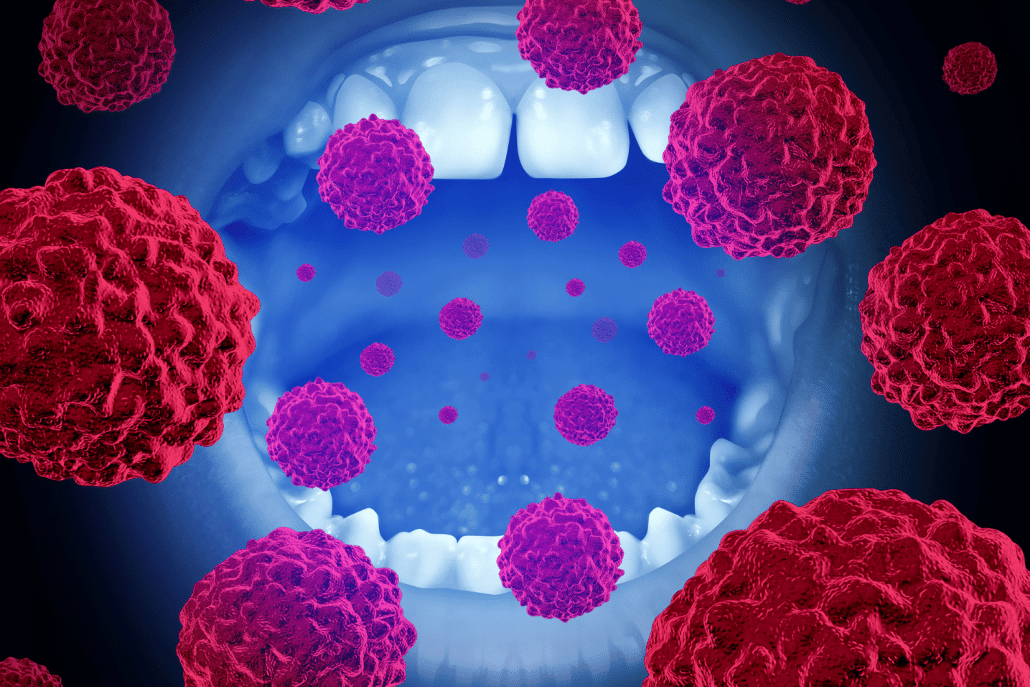
Identifying Oral Infection Symptoms and When to Seek Treatment

Identifying Oral Infection Symptoms and When to Seek Treatment
Recognizing symptoms of an oral infection, such as pain, swelling, or unusual patches in your mouth, is key to seeking timely treatment. This article will help you identify the common symptoms of an oral infection symptoms and know when it’s time to visit a dentist.
Key Takeaways
- Oral infections can arise from poor hygiene and various microorganisms, including bacteria and fungi, with symptoms ranging from painful sores to persistent bad breath.
- Common types of oral infections include dental caries, gum disease, oral thrush, and oral herpes, each exhibiting specific symptoms that require prompt recognition and treatment.
- Early intervention is crucial; individuals should seek professional dental care if experiencing persistent symptoms, and maintaining good oral hygiene can significantly reduce the risk of infections.
Understanding Oral Infections

Oral infections encompass a variety of infections that occur within the mouth, affecting dental and non-dental areas alike. These infections are typically caused by an overgrowth of harmful microorganisms, including bacteria, viruses, and fungi. Factors such as age, underlying health conditions, and oral hygiene habits significantly influence the likelihood of developing oral infections.
Poor oral hygiene is a major contributor to the development of bacterial infections. When harmful bacteria proliferate due to inadequate dental care, they can lead to various issues within the oral cavity, including the gums, tongue, and throat.
Understanding these causes and influences is the first step in preventing and managing oral infections.
Common Types of Oral Infections

Several common oral infections can affect different parts of the mouth. These include dental caries, gum infections, oral thrush, and oral herpes. Dental caries, or cavities, result from tooth decay caused by bacteria that thrive on sugary foods and beverages.
Gum disease, such as gingivitis, is an early stage of periodontal disease characterized by inflammation and bleeding of the gums. If left untreated, it can progress to periodontal disease, which damages the tissues and bones supporting the teeth.
Oral thrush, a fungal infection caused by Candida albicans, is particularly common in individuals with weakened immune systems and can be triggered by antibiotic use. Oral herpes, caused by the herpes simplex virus, manifests as fluid-filled blisters that can recur throughout a person’s life and is highly contagious. Fungal infections can also pose a risk to those with compromised health.
Canker sores, though not caused by infections, are another common issue and can be triggered by stress, hormonal changes, or food sensitivities. Understanding these common oral infections helps in recognizing and addressing them promptly.
Recognizing Mouth Infection Symptoms
Recognizing the symptoms of mouth infections is crucial for early intervention and treatment. Common symptoms include painful sores, swelling, redness, bleeding gums, persistent bad breath, white patches, and tooth sensitivity and pain. Each of these symptoms can point to different types of oral infections, necessitating a closer look.
Painful sores, swelling, and redness often indicate an underlying infection or inflammation. Bleeding gums can be a sign of gum disease, while persistent bad breath might suggest a bacterial infection. White patches or coatings in the mouth could indicate a fungal infection like oral thrush.
Lastly, tooth sensitivity and pain can signal dental problems such as cavities or gum recession. Understanding these symptoms helps in identifying the specific type of oral infection one might be facing.
Painful Sores
Mouth sores can arise from various causes, including infections, systemic diseases, irritation, or allergic reactions. Among these, canker sores, or aphthous ulcers, are a common type of non-infectious sore, often triggered by stress, hormonal changes, or food hypersensitivity. Unlike cold sores caused by the herpes simplex virus, canker sores are not contagious.
These ulcers often appear red or white and may be accompanied by blisters, making eating and speaking uncomfortable. The typical healing time for canker sores is about 10-14 days, but during this period, they can cause significant pain.
To alleviate the discomfort, it’s advisable to avoid acidic foods and practice gentle toothbrushing. Salt-water rinses can also provide symptomatic relief. Recognizing and managing painful sores effectively ensures they heal without further complications.
Swelling and Redness
Swelling and redness in the gums or other parts of the mouth are significant indicators of an infection or gum disease. When bacteria infect the gums, it often leads to inflammation, making the gums appear red, swollen, and tender. This is particularly common in the early stages of gum disease.
In some cases, a small pimple-like swelling on the gums may indicate the presence of an abscess, which is a localized infection that requires prompt dental care. Recognizing these signs early on can help in seeking timely treatment and preventing further complications.
Bleeding Gums
Bleeding gums during brushing or flossing are often a sign of inflammation caused by bacteria in dental plaque. This is typically an early indication of gum disease, such as gingivitis, which, if left untreated, can progress to more severe periodontal disease.
The accumulation of bacterial plaque due to poor oral hygiene practices is the primary cause of this inflammation. Maintaining good oral hygiene, including regular brushing and flossing, is essential to prevent gum disease and associated bleeding gums.
Persistent Bad Breath
Chronic bad breath, or halitosis, can often be traced back to the production of gases by bacteria present in the mouth. This persistent bad breath is not just a social inconvenience but can also indicate underlying oral health problems that need to be addressed.
Poor oral hygiene can lead to an accumulation of bacteria, exacerbating bad breath. Good oral hygiene practices, including regular brushing and flossing, are crucial in preventing persistent bad breath and maintaining a healthy mouth.
White Patches or Coating
White patches or coatings in the mouth are often a sign of a fungal infection, such as oral thrush. This condition is commonly caused by the overgrowth of the fungus Candida albicans. Oral thrush typically develops on the roof of the mouth or the tongue and is characterized by a whitish buildup.
Common symptoms of oral thrush include a loss of taste, a painful burning sensation, and persistent white patches. Early recognition of these symptoms can lead to appropriate treatment and prevent the infection from spreading or worsening.
Tooth Sensitivity and Pain
Tooth sensitivity often manifests as sharp pain when consuming hot, cold, or sweet foods, indicating possible underlying dental issues. This sensitivity can be caused by dental caries, worn enamel, or gum recession, all of which expose the sensitive layers of the tooth.
Conditions such as periodontal disease or cracked teeth can also lead to tooth sensitivity and necessitate professional evaluation. Addressing these issues promptly can prevent further damage and ensure a healthy mouth.
When to Seek Professional Dental Care
Recognizing symptoms of oral infections is critical for seeking dental care promptly. Persistent tooth pain, swelling, and bad breath, even after maintaining good hygiene practices, are signs that require immediate dental consultation. Early diagnosis and treatment of oral infections lead to a good prognosis, preventing complications and ensuring oral health.
Regular dental visits are crucial for the early detection and management of oral health issues, thereby preventing infections. Treatments for oral infections may involve procedures like draining abscesses and administering antibiotics.
Treatment Options for Oral Infections

Today’s Dental employs advanced technology, to create surgical guides that enhance precision in the treatment of complex oral infections. Understanding the effective treatment options available for oral infections is critical for ensuring patient health and comfort.
Treatment approaches vary depending on the type and severity of the infection. From medical treatments to home remedies and preventive care, each option plays a crucial role in managing oral health effectively.
Medical Treatments
Available treatments for mouth infections include antibiotics, antivirals, and antifungals. For severe dental infections with systemic symptoms, intravenous antibiotics may be required. Clindamycin is often used for patients allergic to penicillins or cephalosporins in treating oral infections.
The choice of antibiotics for dental abscesses may depend on local resistance patterns. Oral thrush is treated with medical antifungal medications, including topical antifungal ointments or antifungal mouthwash. Antiviral medications are used for oral herpes, although there is currently no cure for this condition.
Home Remedies and Preventive Care
Salt-water rinses can provide symptomatic relief for mouth sores. Home remedies may help to alleviate symptoms of oral infections and improve overall comfort. Maintaining good oral hygiene practices, such as regular brushing and flossing, is essential to prevent oral infections.
Incorporating home remedies with preventive care measures can enhance oral health and mitigate symptoms of infections. Preventive care, including regular dental check-ups and a healthy diet, plays a vital role in maintaining gums and teeth while helping to prevent oral infections.
Preventing Oral Infections

Maintaining good oral hygiene is crucial in preventing oral infections. Regular dental check-ups are essential for early detection and treatment of potential oral infections. By brushing twice daily and flossing, you can eliminate plaque and reduce the risk of infections.
Avoiding sugary foods and beverages can significantly lower the chances of developing oral diseases. Additionally, drinking fluoridated water and using fluoride toothpaste can strengthen teeth and help prevent cavities. Quitting tobacco products is also important as they increase the risk of oral infections and cancers.

Summary
In summary, recognizing the symptoms of oral infections early and seeking prompt treatment can prevent minor issues from escalating into significant health problems. Understanding the common types of oral infections and their symptoms is crucial for effective management and treatment. Regular dental visits and good oral hygiene practices are key preventive measures that can help maintain a healthy mouth.
We at Today’s Dental are dedicated to providing top-notch care for all your dental needs. Our advanced technology, compassionate staff, and comprehensive treatment options ensure that you receive the best possible care. Prioritizing your oral health is essential for overall well-being, and we are here to support you every step of the way.
Frequently Asked Questions
What are the common symptoms of oral infections?
Common symptoms of oral infections include painful sores, swelling, redness, bleeding gums, persistent bad breath, white patches, and tooth sensitivity or pain. If you experience these symptoms, it’s important to seek dental care promptly.
When should I seek professional dental care for an oral infection?
You should seek professional dental care for an oral infection if you have persistent tooth pain, swelling, or bad breath that does not improve with good oral hygiene, or if your symptoms worsen. Prompt treatment is essential to prevent complications.
What are the treatment options for oral infections?
The most effective treatment options for oral infections include medical treatments such as antibiotics, antivirals, or antifungals, alongside home remedies and preventive care measures. Choosing the right approach depends on the type of infection and individual health needs.
How can I prevent oral infections?
To prevent oral infections, maintain good oral hygiene, limit sugary foods and beverages, drink fluoridated water, and avoid tobacco products. Regular dental check-ups are also essential for early detection and prevention.
What is the average rating of Today’s Dental based on customer reviews?
Today’s Dental boasts an impressive average rating of 4.8 out of 5 stars from customer reviews. This high rating reflects a strong level of satisfaction among patients.
Fight Oral Infections Early: Expert Prevention and Care at Today’s Dental
Aksarben
2141 S. 63rd Street, Omaha, NE 68106
' icon_select='no' icon='ue800' font='entypo-fontello' custom_id='' av_uid='av-lrqqpzjz' sc_version='1.0']

Bellevue
2207 Longo Drive, Bellevue Ne 68005
' icon_select='no' icon='ue800' font='entypo-fontello' custom_id='' av_uid='av-2qwa8vu' sc_version='1.0']

Millard
14406 Harrison St., Omaha, NE 68138
' icon_select='no' icon='ue800' font='entypo-fontello' custom_id='' av_uid='av-26mj8pm' sc_version='1.0']

Tranquility
12322 Emmet St., Omaha, NE 68164
' icon_select='no' icon='ue800' font='entypo-fontello' custom_id='' av_uid='av-1hd3m62' sc_version='1.0']

Elkhorn
20211 Manderson St., Elkhorn, NE 68022
' icon_select='no' icon='ue800' font='entypo-fontello' custom_id='' av_uid='av-zplj22' sc_version='1.0']

Fremont
1689 E 23 Street Fremont, NE 68025
' icon_select='no' icon='ue800' font='entypo-fontello' custom_id='' av_uid='av-qnqzoa' sc_version='1.0']

From Expert Insights to Exceptional Care
Discover Our Dental Services

Preventative Care for Children
Emphasizes the importance of regular dental checkups to prevent cavities and other dental issues, vital for a child’s eating, speaking, playing, and learning abilities.

Urgent Emergency Care
Immediate assistance for dental emergencies, ensuring prompt treatment to alleviate pain and prevent further complications.

Preventive Care Services
Maintain your smile’s health with Omaha Dentists’ preventive care services, including routine checkups, cleanings, and screenings to prevent dental issues before they start.

