Today's Dental
  • About Us
    • About Us
    • Our Dentists
    • Centralized Support Services
    • Proven Process
    • Culture
    • Join Our Team
    • Blog
  • Locations
    • Aksarben
    • Bellevue
    • Elkhorn
    • Fremont
    • Millard
    • Tranquility Park
  • Services
    • Family Dentistry
      • Preventive Care Services
      • Periodontal Care
      • Restorative Care Services
        • Tooth Extraction
      • Sedation Dentistry
      • Dental Visit Anxiety
      • Paying for Dental Care
    • Pediatric Dental Care
      • Childs First Visit
      • Preventative Care for Children
      • Comfortable Environment
    • Cosmetic Dentistry and Orthodontics
      • Teeth Whitening
      • Dental Crowns & Bridges
      • Veneers
      • Invisalign®
      • Dentures & Dental Implants
    • Urgent & Emergency Care
      • Dental Emergency
      • Urgent Care Services
      • Text-a-Dentist
  • Dental Issues
    • Bad Breath/Halitosis
    • Cavities
    • Chipped and Broken Tooth Treatment
    • Dark Teeth
    • Dental Anxiety
    • Gum Disease
    • Malocclusion
    • Root Canal
    • Soft Teeth
    • Tooth Infection
    • Tooth Pain
    • Wisdom Teeth
  • Patient Resources
    • Smile Care Plan
    • Financing
    • Insurance Checker
    • Patient Forms
    • Post Operative Instructions
  • Patient Reviews
  • Contact
  • Pay Online
  • Schedule Your Appointment
  • Menu Menu
Family Dentistry Facts That Will Surprise You

Interesting Teeth and Dental Facts That Will Surprise You

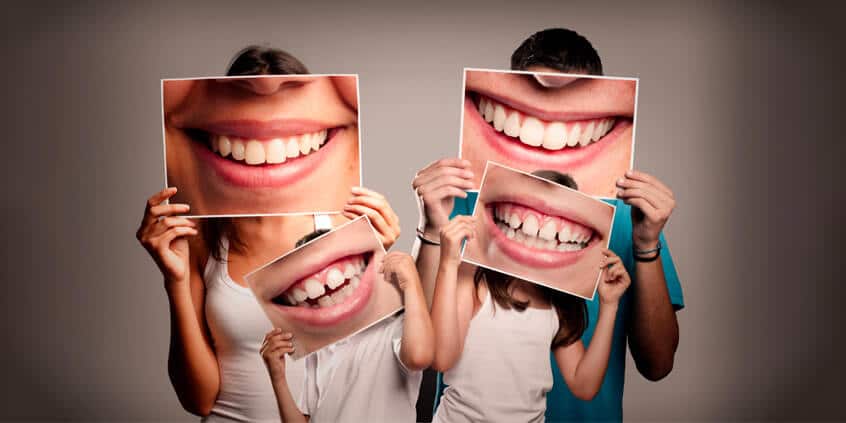
Your teeth and smile are some of the most appealing parts of your body. Nothing is more welcoming than a bright and clean smile. For over 37% of people, the first thing they notice about a person is their smile, which is why it is paramount to keep those teeth looking healthy. For your entertainment, here are some fun facts about teeth and dentistry that we found fascinating. Let us know which ones surprised you the most!

Oral Hygiene and Health

  • In a lifetime, the average American spends approximately 38.5 total days just brushing their teeth.
  • It’s important to clean your teeth at least twice a day. Not doing so can lead to cavities and gum disease.
  • Poor dental health can lead to serious health problems such as heart disease and diabetes.
  • Dental health info reveals a fascinating connection between our oral hygiene and our overall well-being. For instance, did you know that the state of your gums can provide insights into your heart’s health? Studies have shown that individuals with periodontal (gum) disease are nearly twice as likely to suffer from coronary artery disease as those without gum disease. This underscores the importance of maintaining good oral hygiene not just for a bright smile, but for a healthy heart too!
  • Tooth decay, also known as cavities, is caused by a buildup of plaque on the teeth.
  • The average woman is more likely than the average man to develop periodontal disease.
  • Gum disease, also known as periodontitis, is a serious gum infection that damages the soft tissue and can destroy the bone that supports your teeth.
  • Regular dental appointments are important for maintaining good oral health. Dentists can detect issues early before they become serious, provide necessary cleanings, and give advice on proper oral hygiene practices.
  • Dental hygienists are essential in maintaining oral health by providing regular cleanings and educating patients on proper oral hygiene.
  • Americans buy more than 14 million gallons of toothpaste every year.
  • Coconuts are a natural anti-bacterial food and can help reduce the risk of developing gum disease and cavities.
  • Approximately 75% of school children worldwide have active dental cavities.
  • Roughly 25% of American adults have no teeth.
  • Almost 65 million American adults have some form of periodontal disease. Of this number 38.4% are women, 56.4% are men.
  • Expectant mothers with poor oral hygiene are 7X more likely to deliver premature and low birth weight babies.
  • 95% of American adults with diabetes also have periodontal disease.
  • People with periodontal disease are 2X more likely to develop heart disease.
  • By drinking one can of soda daily, the average American gains 15 lbs each year.
  • 90% of system diseases have oral manifestations.
  • Kids miss 51 million school hours a year due to dental-related illnesses.
  • A knocked out tooth, also known as an avulsed tooth, is a dental emergency that requires prompt attention. If you ever experience this, it’s crucial to handle the tooth by its crown and not the root. Gently rinse it without scrubbing, and if possible, reinsert it into its socket or store it in milk. Seek dental care immediately, as there’s a short window of time during which the tooth can be successfully reimplanted. Proper and timely action can increase the chances of saving the tooth.

Tooth Anatomy and Material

Here are some interesting facts about teeth

  • Tooth enamel is the hardest substance in the human body.
  • The valuable tooth of an elephant, an elephant’s molar, is actually made up of a different material, dentin, which is less hard than enamel.
  • Tooth prints are like fingerprints as they are unique to each person.
  • Hippopotamuses commonly have 36 teeth. Their dental pattern is composed of two incisors, one canine, three premolars, and three molars, distributed in each quadrant.
  • Teeth start to form before we are born.
  • A snail’s mouth is no larger than the head of a pin, yet it can contain over 25,000 teeth.

Dental History

  • During the colonial era, when people lost all their teeth, they frequently resorted to using dentures crafted from ivory or wood.
  • George Washington’s dentures were not made of wood. Rather, he possessed four sets of dentures comprising materials such as gold, ivory, lead, and a blend of human, donkey, and hippo teeth.
  • The most valuable tooth belonged to Sir Isaac Newton. In 1816 one of his teeth was sold in London for $3,633, or in today’s terms $35,700. The tooth was set in a ring!
  • The first toothbrush was invented by a dentist in China using tufts of wild boar bristles.
  • The earliest known dentist was Hesi-Ren, an Egyptian who lived thousands of years ago.
  • False teeth were invented in 1774 by a dentist named Alexis Duchâteau, made from porcelain and animal bone.
  • There was a unique Victorian tradition of protecting teeth by sealing them with a mixture of ground animal hooves and even turpentine resin.
  • Did you know that our ancestors had a much tougher diet than we do today, which included uncooked plant food and meat, causing excessive wear on their teeth? This diet made an extra set of molars quite useful. Those extra molars are what we now commonly refer to as ‘wisdom teeth’. However, as our diets and ways of preparing food have evolved, our jaws have become smaller, often leaving insufficient space for these third molars. That’s why many people today need to have their wisdom teeth removed to prevent dental complications!
  • In ancient times, people believed that baby teeth had protective qualities and they were often used as amulets to ward off evil.
  • While gathering information on dentists, one might be surprised to discover that the profession’s history dates back to ancient times. The earliest known dentist was an Egyptian named Hesy-Re, recognized from around 2600 B.C. His title, inscribed on his tombstone, heralded him as ‘the greatest of those who deal with teeth, and of physicians,’ emphasizing the reverence and importance of dental care even in bygone eras.

Flossing

  • Flossing is an essential part of oral hygiene. When you do not floss, you are missing over 40% of tooth surfaces, which is why your dentist always emphasizes flossing!
  • Although flossing is essential, many people do not like doing it. A whopping 73% of Americans would go to the grocery store than floss their teeth.
  • The first introduction of commercial floss was in 1882 by Codman and Shurtleff, Inc., later acquired by Johnson and Johnson in 1965.
  • Floss is also quite durable. A West Virginia inmate once used dental floss to braid a rope, which he used to scale a building and escape in 1992.
  • In North America, over 3 million miles of dental floss are purchased annually.

Mouth and Saliva Facts

  • In a lifetime, the average person produces over 100,000 gallons of saliva.
  • One of the most common effects of poor dental hygiene is bad breath. Over 90% of bad breath originates in the mouth.
  • There are over 700 different types of bacteria in your mouth alone.
  • Right-handed people tend to chew food on the right side of their mouth, while left-handed people tend to chew their food on the left side of their mouth.
  • Did you know that human teeth are as unique as fingerprints? Not only can they determine an individual’s age, diet, and even historical periods of stress, but no two people have the same set of teeth. Their distinctive shape and arrangement make dental records a reliable way to identify individuals. So, next time you smile, remember you’re showing off a one-of-a-kind masterpiece!
  • Like your tooth prints and fingerprints, your tongue is also unique. No two people share the same tongue print.
  • Chewing sugar-free gum can actually be good for your oral health. It helps to clean your mouth and fight off cavities.
  • There are more bacteria in the human mouth than there are people on the Earth.

Dental Behavior

  • 25% of adults DO NOT brush twice a day. This increases their risk of developing tooth decay by 33%.
  • Halloween is the biggest candy-selling holiday, followed by Christmas, Easter, and Valentine’s Day.
  • People who smoke are 2-7 times more likely to develop periodontal disease than non-smokers.
  • People who drink 3 or more cans of pop daily have 62% more tooth decay, fillings, and tooth loss than people that don’t drink pop.
  • Replacing a toothbrush after illnesses helps prevent the potential for re-infection.
  • Many people underestimate the importance of regular dental check-ups. According to recent dental care information, not only do these appointments help in detecting cavities and gum disease early, but they also provide an opportunity to screen for oral cancers and other potentially serious conditions. Regular visits to the dentist, along with daily brushing and flossing, are essential for maintaining optimal oral health.

Sweets and Candy

  • A single can of soda contains 10-12 teaspoons of sugar. The recommended daily dietary intake of sugar is 4 teaspoons.
  • Sugar Facts: Chemical manufacturers use sugar to grow penicillin. A teaspoon of sugar after a hot curry with extinguish the furnace in your mouth. A spoonful of sugar added to a vase will prolong the life of freshly cut flowers.

Fun and Miscellaneous Facts

  • Your smile is a strong point of attraction. 61% of adults admit that they are attracted to somebody’s smile alone.
  • The color of your toothpaste apparently matters. More people prefer blue toothpaste over red toothpaste.
  • A woman smiles, on average, 68 times per day. Meanwhile, a man smiles, on average, eight times per day.
  • People prefer blue toothbrushes to red ones. The exact reason is unknown, but it could be because blue is often associated with cleanliness.
  • Did you know that sports-related injuries are a leading cause of chipped teeth? That’s why it’s always recommended to wear a mouthguard during sporting events.
  • Fairy floss, also known as cotton candy, was co-invented by a dentist. Despite being mostly sugar, it’s not as damaging to teeth as you might think, as it dissolves quickly and doesn’t stick to teeth like other sweets.
  • The common cold can lead to dental problems. Infection in the sinuses, for instance, can cause toothache.
  • In ancient Assyria, conquered soldiers were expected to clean the king’s cats’ teeth as part of their duties.
  • 48% of young adults have untagged themselves from a photo on Facebook because of their smile.
  • It was customary during the middle ages to kiss a donkey if you had a toothache.
  • It takes 43 muscles to frown. It only takes 17 to smile.
  • An apple a day may keep the doctor away, but it also makes you 3X more likely to develop dental decay.
  • According to a recent survey by Time magazine, 59% of people would rather have a dental appointment than sit next to someone who is talking on a cell phone.
  • Toothpicks are the object most often choked on by Americans.
  • Sports-related injuries account for approximately 5 million missing teeth per year.
  • Americans spend $100 billion a year on hair care products, and only $2 billion a year on dental care products.
  • Every year, kids in North America spend close to half a billion dollars on chewing gum.
  • The average toothbrush contains about 2500 bristles grouped into about 40 tufts per toothbrush. The tufts are folded over a metal staple and forced into pre-cored holes in the head and fused into the head with heat. The handle is made of at least two materials, usually plastic and rubber. The grips used for the handle are: precision, power, spoon, oblique, and distal oblique.
  • 60% of people don’t know that a sore jaw, when combined with chest pain, can signal a heart attack – especially in women.
  • Americans spent $25 billion on candy in 2010. That is more than the gross national products of Lithuania, Costa Rica, and Mozambique combined.
  • Dolphins use their teeth to grab only, not to chew, as dolphins’ jaws have no muscles.
  • It generally takes the same amount of time to treat and correct your teeth, regardless of whether you choose Invisalign or traditional braces.
  • Mosquitoes have 47 teeth.
  • In 1905, dental assistant Irene Newman was trained to clean teeth. She became the first dental hygienist.

Discover the World of Dental Knowledge at Today’s Dental

A noteworthy aspect of Today’s Dental is our over thirty years of experience in delivering dental services. Our patients can consistently rely on our team for outstanding dental care at every visit. Furthermore, our expertise is adaptable to cater to the individual requirements of each patient. Whether it’s pediatric dentistry, cosmetic enhancements, surgical procedures, or anything in between, our team is committed to ensuring your smile is vibrant and healthy, thereby boosting your self-assurance in your smile. Get in touch with an office below  to find out more about our offerings and understand why Today’s Dental is your comprehensive solution for all your dental needs!”

Omaha’s Dental Fact Finders: Locate Your Smile Squad in a Flash!

Contact Us

Ready for Your Next Visit?

Schedule your dental appointment today and take the first step toward a healthier smile.

Schedule an Appointment

or call us at (402) 333-6288

Today'S Dental Logo

Today’s Dental began in 1980 with one location. It was founded with the goal of providing high-quality, safe, convenient, and comfortable dental care in a family-friendly setting.

Related Services

  • Services

Our Locations

  • Aksarben2141 S. 63rd Street, Omaha
  • Bellevue2207 Longo Drive, Bellevue
  • Millard14406 Harrison St., Omaha
  • Tranquility12322 Emmet St., Omaha
  • Elkhorn20211 Manderson St., Elkhorn
  • Fremont1689 E 23 Street, Fremont

Today’s Dental

We’re committed to working with you and your family to create a comfortable, stress-free, and exceptionally rewarding dental care experience.

Locations

  • Millard
  • Tranquility Park
  • Elkhorn
  • Aksarben
  • Bellevue
  • Fremont

Patient Resources

  • Smile Care Plan
  • Financing
  • Patient Forms
  • Reviews
  • Open Accessibility
  • Privacy Policy

Blog

Pay Online

Join Our Team

Today’s Dental

We’re committed to working with you and your family to create a comfortable, stress-free, and exceptionally rewarding dental care experience.

Locations

  • Millard
  • Tranquility Park
  • Elkhorn
  • Aksarben
  • Bellevue
  • Fremont

Patient Resources

  • Smile Care Plan
  • Financing
  • Patient Forms
  • Reviews
  • Open Accessibility
  • Privacy Policy

Blog

Pay Online

Join Our Team

© Copyright 2026 – Omaha Dentistry | Website design and SEO provided by Robben Media

Link to: How Oral Health Impacts Your Immune System Link to: How Oral Health Impacts Your Immune System How Oral Health Impacts Your Immune SystemOral Health Impacts Your Immune SystemLink to: The Diet for Healthy Teeth Link to: The Diet for Healthy Teeth Diet For Healthy TeethThe Diet for Healthy Teeth
Scroll to top Scroll to top Scroll to top
Translate »
Accessibility
Accessibility modes
Epilepsy Safe Mode
Dampens color and removes blinks
This mode enables people with epilepsy to use the website safely by eliminating the risk of seizures that result from flashing or blinking animations and risky color combinations.
Visually Impaired Mode
Improves website's visuals
This mode adjusts the website for the convenience of users with visual impairments such as Degrading Eyesight, Tunnel Vision, Cataract, Glaucoma, and others.
Cognitive Disability Mode
Helps to focus on specific content
This mode provides different assistive options to help users with cognitive impairments such as Dyslexia, Autism, CVA, and others, to focus on the essential elements of the website more easily.
ADHD Friendly Mode
Reduces distractions and improve focus
This mode helps users with ADHD and Neurodevelopmental disorders to read, browse, and focus on the main website elements more easily while significantly reducing distractions.
Blindness Mode
Allows using the site with your screen-reader
This mode configures the website to be compatible with screen-readers such as JAWS, NVDA, VoiceOver, and TalkBack. A screen-reader is software for blind users that is installed on a computer and smartphone, and websites must be compatible with it.
Online Dictionary
    Readable Experience
    Content Scaling
    Default
    Text Magnifier
    Readable Font
    Dyslexia Friendly
    Highlight Titles
    Highlight Links
    Font Sizing
    Default
    Line Height
    Default
    Letter Spacing
    Default
    Left Aligned
    Center Aligned
    Right Aligned
    Visually Pleasing Experience
    Dark Contrast
    Light Contrast
    Monochrome
    High Contrast
    High Saturation
    Low Saturation
    Adjust Text Colors
    Adjust Title Colors
    Adjust Background Colors
    Easy Orientation
    Mute Sounds
    Hide Images
    Hide Emoji
    Reading Guide
    Stop Animations
    Reading Mask
    Highlight Hover
    Highlight Focus
    Big Dark Cursor
    Big Light Cursor
    Cognitive Reading
    Virtual Keyboard
    Navigation Keys
    Voice Navigation

    Today's Dental

    Accessibility Statement

    • omahadentists.net
    • June 6, 2026

    Compliance status

    We firmly believe that the internet should be available and accessible to anyone, and are committed to providing a website that is accessible to the widest possible audience, regardless of circumstance and ability.

    To fulfill this, we aim to adhere as strictly as possible to the World Wide Web Consortium’s (W3C) Web Content Accessibility Guidelines 2.1 (WCAG 2.1) at the AA level. These guidelines explain how to make web content accessible to people with a wide array of disabilities. Complying with those guidelines helps us ensure that the website is accessible to all people: blind people, people with motor impairments, visual impairment, cognitive disabilities, and more.

    This website utilizes various technologies that are meant to make it as accessible as possible at all times. We utilize an accessibility interface that allows persons with specific disabilities to adjust the website’s UI (user interface) and design it to their personal needs.

    Additionally, the website utilizes an AI-based application that runs in the background and optimizes its accessibility level constantly. This application remediates the website’s HTML, adapts Its functionality and behavior for screen-readers used by the blind users, and for keyboard functions used by individuals with motor impairments.

    If you’ve found a malfunction or have ideas for improvement, we’ll be happy to hear from you. You can reach out to the website’s operators by using the following email

    Screen-reader and keyboard navigation

    Our website implements the ARIA attributes (Accessible Rich Internet Applications) technique, alongside various different behavioral changes, to ensure blind users visiting with screen-readers are able to read, comprehend, and enjoy the website’s functions. As soon as a user with a screen-reader enters your site, they immediately receive a prompt to enter the Screen-Reader Profile so they can browse and operate your site effectively. Here’s how our website covers some of the most important screen-reader requirements, alongside console screenshots of code examples:

    1. Screen-reader optimization: we run a background process that learns the website’s components from top to bottom, to ensure ongoing compliance even when updating the website. In this process, we provide screen-readers with meaningful data using the ARIA set of attributes. For example, we provide accurate form labels; descriptions for actionable icons (social media icons, search icons, cart icons, etc.); validation guidance for form inputs; element roles such as buttons, menus, modal dialogues (popups), and others. Additionally, the background process scans all the website’s images and provides an accurate and meaningful image-object-recognition-based description as an ALT (alternate text) tag for images that are not described. It will also extract texts that are embedded within the image, using an OCR (optical character recognition) technology. To turn on screen-reader adjustments at any time, users need only to press the Alt+1 keyboard combination. Screen-reader users also get automatic announcements to turn the Screen-reader mode on as soon as they enter the website.

      These adjustments are compatible with all popular screen readers, including JAWS and NVDA.

    2. Keyboard navigation optimization: The background process also adjusts the website’s HTML, and adds various behaviors using JavaScript code to make the website operable by the keyboard. This includes the ability to navigate the website using the Tab and Shift+Tab keys, operate dropdowns with the arrow keys, close them with Esc, trigger buttons and links using the Enter key, navigate between radio and checkbox elements using the arrow keys, and fill them in with the Spacebar or Enter key.Additionally, keyboard users will find quick-navigation and content-skip menus, available at any time by clicking Alt+1, or as the first elements of the site while navigating with the keyboard. The background process also handles triggered popups by moving the keyboard focus towards them as soon as they appear, and not allow the focus drift outside it.

      Users can also use shortcuts such as “M” (menus), “H” (headings), “F” (forms), “B” (buttons), and “G” (graphics) to jump to specific elements.

    Disability profiles supported in our website

    • Epilepsy Safe Mode: this profile enables people with epilepsy to use the website safely by eliminating the risk of seizures that result from flashing or blinking animations and risky color combinations.
    • Visually Impaired Mode: this mode adjusts the website for the convenience of users with visual impairments such as Degrading Eyesight, Tunnel Vision, Cataract, Glaucoma, and others.
    • Cognitive Disability Mode: this mode provides different assistive options to help users with cognitive impairments such as Dyslexia, Autism, CVA, and others, to focus on the essential elements of the website more easily.
    • ADHD Friendly Mode: this mode helps users with ADHD and Neurodevelopmental disorders to read, browse, and focus on the main website elements more easily while significantly reducing distractions.
    • Blindness Mode: this mode configures the website to be compatible with screen-readers such as JAWS, NVDA, VoiceOver, and TalkBack. A screen-reader is software for blind users that is installed on a computer and smartphone, and websites must be compatible with it.
    • Keyboard Navigation Profile (Motor-Impaired): this profile enables motor-impaired persons to operate the website using the keyboard Tab, Shift+Tab, and the Enter keys. Users can also use shortcuts such as “M” (menus), “H” (headings), “F” (forms), “B” (buttons), and “G” (graphics) to jump to specific elements.

    Additional UI, design, and readability adjustments

    1. Font adjustments – users, can increase and decrease its size, change its family (type), adjust the spacing, alignment, line height, and more.
    2. Color adjustments – users can select various color contrast profiles such as light, dark, inverted, and monochrome. Additionally, users can swap color schemes of titles, texts, and backgrounds, with over seven different coloring options.
    3. Animations – person with epilepsy can stop all running animations with the click of a button. Animations controlled by the interface include videos, GIFs, and CSS flashing transitions.
    4. Content highlighting – users can choose to emphasize important elements such as links and titles. They can also choose to highlight focused or hovered elements only.
    5. Audio muting – users with hearing devices may experience headaches or other issues due to automatic audio playing. This option lets users mute the entire website instantly.
    6. Cognitive disorders – we utilize a search engine that is linked to Wikipedia and Wiktionary, allowing people with cognitive disorders to decipher meanings of phrases, initials, slang, and others.
    7. Additional functions – we provide users the option to change cursor color and size, use a printing mode, enable a virtual keyboard, and many other functions.

    Browser and assistive technology compatibility

    We aim to support the widest array of browsers and assistive technologies as possible, so our users can choose the best fitting tools for them, with as few limitations as possible. Therefore, we have worked very hard to be able to support all major systems that comprise over 95% of the user market share including Google Chrome, Mozilla Firefox, Apple Safari, Opera and Microsoft Edge, JAWS and NVDA (screen readers).

    Notes, comments, and feedback

    Despite our very best efforts to allow anybody to adjust the website to their needs. There may still be pages or sections that are not fully accessible, are in the process of becoming accessible, or are lacking an adequate technological solution to make them accessible. Still, we are continually improving our accessibility, adding, updating and improving its options and features, and developing and adopting new technologies. All this is meant to reach the optimal level of accessibility, following technological advancements. For any assistance, please reach out to