

Caring for Your Smile When You Have Diabetes
When you’re managing diabetes, most of your focus is on blood sugar levels, medications, and diet. But there’s another important part of your health that often gets overlooked: your mouth. The connection between diabetes and oral health is stronger than many people realize, and it works both ways. High blood sugar can increase your risk for gum disease, cavities, and infections, while untreated oral health issues can make diabetes harder to control. Understanding this relationship is one of the most important steps you can take to protect your overall health and stay on track with your long-term goals.
Key Takeaways
- High blood sugar increases your risk of gum disease, cavities, dry mouth, and oral infections, making proactive dental care essential for people with diabetes in Omaha.
- Untreated periodontal disease can raise blood glucose levels and make diabetes harder to control, creating a cycle that affects your overall health.
- Daily home care combined with regular dental visits to Today’s Dental can significantly reduce your oral health risks.
- Early warning signs like bleeding gums, persistent bad breath, and dry mouth should prompt a timely dental exam. Don’t wait for your next scheduled appointment.
- Your dentist is an important part of your diabetes care team, working alongside your primary care provider and endocrinologist.
Why Oral Health Matters When You Have Diabetes
At Today’s Dental in Omaha, we view your mouth as an essential part of your whole-body diabetes care. When you’re managing diabetes, keeping your teeth and gums healthy isn’t just about a nice smile. It’s about protecting your well being and supporting your long-term health goals.
Good oral health connects directly to your overall health, including heart disease prevention and blood sugar control. Research from the National Institute of Dental and Craniofacial Research confirms that the mouth serves as a window to what’s happening throughout your body, and this is especially true for people with diabetes.
Here’s what happens when blood glucose levels run high: elevated sugar weakens your white blood cells, which are your body’s primary defense against harmful bacteria in the mouth. When these infection-fighting cells can’t work properly, even minor gum irritation can progress into something more serious. Your body’s response to oral infections slows down, and wound healing takes longer than it should.
Keeping your A1C and daily glucose levels in target range does more than protect your kidneys and eyes. It also helps shield your gums, bone, and teeth from damage. The connection goes both ways: maintaining a healthy mouth supports better disease control of your diabetes.
That’s why we believe dentists belong on your diabetes care team, right alongside your primary care physician and endocrinologist. At Today’s Dental, we’re committed to working with your other healthcare providers to give you comprehensive, coordinated care.
How Diabetes Affects Your Mouth
At Today’s Dental, we regularly see patients with diabetes who experience a range of oral complications. The most common issues include gum disease, dry mouth, dental cavities, and slower healing after dental procedures. Understanding how diabetes mellitus affects your mouth can help you take steps to prevent gum disease and other problems before they start.
Adults with diabetes, especially those over age 50, face a significantly higher risk of severe tooth loss compared with those without the condition. According to the International Diabetes Federation, approximately 22 percent of individuals with type 1 or type 2 diabetes suffer from some form of gum disease.
When blood sugar runs high, glucose levels in your saliva also rise. This extra sugar becomes fuel for the bacteria in plaque, accelerating tooth decay and leading to more tooth decay on vulnerable areas like exposed roots. High blood glucose creates an environment where harmful bacteria thrive.
Diabetes can also reduce saliva production, resulting in dry mouth (a condition called xerostomia). When you produce less saliva, your mouth loses its natural ability to wash away food particles and neutralize acids. This leads to soreness, increased cavity risk along the gum line, and difficulty with everyday activities like eating and speaking.
Even minor mouth irritations, like a sore spot from a denture or a small cut, can take longer to heal when you have diabetes. These seemingly small issues can become infected more easily, turning into bigger health problems if left untreated.

Gum Disease: The Most Common Problem
Periodontal disease stands as the most frequent and serious oral complication linked with diabetes. If you have diabetes, understanding the signs of gum disease and knowing how to address it can make a significant difference in your oral and overall health.
Here’s how gum disease develops: plaque (a sticky film of bacteria) accumulates along the gum line and triggers inflammation. In the early stage called gingivitis, gums may appear red, swollen, and bleed easily when you brush or floss. Without treatment, gingivitis can progress to periodontitis, a more severe gum disease where inflammation spreads beneath the gum line, destroying the bone that supports your teeth. This can lead to receding gums, loose teeth, and eventually tooth loss.
People with diabetes are several times more likely to develop advanced gum disease than those without the condition. The increased risk comes from multiple factors: weakened immune response, impaired blood vessels that reduce blood flow to gum tissue, and slower healing overall. Treating gum disease in patients with diabetes often requires more time and more frequent monitoring.
What makes this particularly concerning is the two-way relationship: unmanaged severe gum disease can make blood sugar harder to control. Chronic gum inflammation releases chemicals that contribute to insulin resistance, creating a cycle of worsening oral and overall health. Scientific evidence from a 2018 consensus report and joint workshop confirms this bidirectional connection.
At Today’s Dental, we offer periodontal evaluations and tailored cleaning schedules specifically designed for patients with diabetes. We’ll work with you to develop a care plan that addresses your unique needs.
Other Mouth Problems Linked to Diabetes
Beyond gum disease and cavities, diabetes can cause a range of oral manifestations that affect your daily comfort and quality of life. These oral health problems deserve attention as part of your comprehensive diabetes and oral health care.
Common complications include:
- Dry mouth (xerostomia): Persistent lack of saliva caused by reduced saliva production from diabetes or diabetes medications.
- Oral thrush: Fungal infection appearing as white patches, resulting from high glucose in saliva that feeds yeast overgrowth.
- Burning mouth syndrome: Painful burning sensation in the mouth, possibly linked to diabetic neuropathy.
- Delayed healing: Slow recovery after extractions or oral surgery due to impaired immune function and blood flow.
- Denture problems: Ill-fitting or uncomfortable dentures caused by gum tissue changes and dry mouth.
Oral thrush, a fungal infection caused by Candida yeast, thrives in high-glucose environments. You might notice white patches on your tongue, inner cheeks, or palate. This condition can make eating uncomfortable and affect your ability to maintain a balanced diet for blood sugar control.
These issues create real challenges for daily life. When your mouth hurts or feels constantly dry, it’s harder to enjoy food and stick to the healthy eating plan that supports your diabetes management.
During each comprehensive exam, we screen for all of these conditions during each comprehensive exam. If we notice patterns of recurring infection or persistent issues, we can coordinate with your physician through oral medicine consultations to address underlying causes.
Signs and Symptoms to Watch For
We encourage all our patients with diabetes to check their mouth monthly at home. A quick self-exam in the mirror can help you catch problems early before th56ey become serious. If you notice any changes, contact Today’s Dental rather than waiting for your next scheduled appointment.
Watch for these early warning signs:
- Red, swollen, or tender gums
- Gums that bleed easily when brushing or flossing
- Persistent bad breath that doesn’t improve with brushing
- Receding gums or teeth that appear longer
- Tooth sensitivity to hot, cold, or sweet foods
- Loose teeth or changes in how your bite feels
- A dry or sticky feeling in your mouth
- White patches, sores, or unusual spots on soft tissue
Many of these symptoms are painless in the early stages, which makes them easy to ignore. That’s why regular dental checkups matter so much. A dental professional can spot problems you might not feel yet.
If you notice any of these symptoms, schedule a dental evaluation promptly. We’d rather see you early and find nothing serious than have you wait while a small problem grows larger.
One helpful tip: document any symptoms you notice. Take photos, note the timing, and consider whether symptoms seem related to periods of high blood sugar. This information helps both your dental team and medical providers pinpoint causes more quickly.
How Caring for Your Smile Supports Blood Sugar Control
The relationship between diabetes and oral health runs both directions. Just as diabetes affects your gums, chronic gum inflammation can raise your blood sugar and make diabetes harder to manage. Understanding this connection empowers you to take control of both conditions.
When periodontal disease causes ongoing inflammation in your gums, your body releases inflammatory chemicals into your bloodstream. These substances contribute to insulin resistance, making it harder for your cells to respond to insulin. The result? Higher glucose levels that are more difficult to control, even when you’re following your diabetes management plan carefully.
The good news: research shows that treating gum disease can help improve glycosylated hemoglobin (A1C) levels over time in many patients. The American Dental Association and digestive and kidney diseases research institutions have documented this benefit. By addressing oral infections and reducing gum inflammation, you may see improvements in your blood sugar control.
We encourage you to think of regular dental visits as having the same priority as your eye exams and foot checks. The National Institute of Diabetes and Digestive and Kidney Diseases emphasizes that comprehensive diabetes care includes attention to oral health.
We see ourselves as partners in your health journey. When complex oral infections arise, we communicate with your primary care provider or endocrinologist to ensure coordinated care. Your mouth healthy means your whole body benefits.
Daily Home Care Tips for People With Diabetes
Good oral hygiene at home forms the foundation of preventing oral complications from diabetes. Think of this as your daily investment in a healthy smile. Just a few minutes morning and night can make a tremendous difference.
Brushing:
- Brush twice daily for a full two minutes each time
- Use fluoride toothpaste to strengthen enamel and fight infections
- Pay special attention to the gum line and back teeth where plaque accumulates
- Choose a soft-bristled brush to avoid irritating sensitive gum tissue
Flossing:
- Clean between teeth daily with dental floss, interdental brushes, or a water flosser
- Don’t skip this step. Brushing alone misses about 40% of tooth surfaces
- We are happy to demonstrate proper technique during your visit
Denture Care:
- Clean dentures or partials every day
- Remove them at night to let gum tissue rest and reduce infection risk
- Rinse your mouth and gently brush your gums before reinserting
Managing Dry Mouth:
- Sip water regularly throughout the day
- Chew sugar-free gum with xylitol to stimulate saliva
- Consider saliva substitutes if dry mouth persists
- Avoid alcohol-based mouthwashes that can worsen dryness
Diet Considerations:
- Limit frequent snacking on sugary drinks and refined carbohydrates
- Be especially mindful when blood sugar is already elevated
- Rinse with water after eating if you can’t brush right away
Tobacco and Vaping:
- Avoid all tobacco products and vaping
- Smokers with diabetes face up to 20 times higher risk for severe gum disease and oral thrush
- Tobacco impairs blood flow to gums and dramatically slows wound healing
Coordinating Dental Care With Your Diabetes Plan
Your home care routine works best when it’s part of your overall diabetes management strategy. Here’s how to keep everything working together:
Share your numbers: Record your recent A1C results and typical daily blood glucose ranges to share with our team. This helps us understand your current diabetes control and tailor our recommendations.
Time your appointments wisely: Schedule dental appointments when your blood sugar is usually most stable. For many patients, this means mid-morning after breakfast and morning medications have had time to work.
Bring your medication list: Include all medications including insulin, oral diabetes drugs, GLP-1 agonists, SGLT2 inhibitors, and any others. Some diabetes medications affect healing or interact with dental treatments.
Plan for physical activity: If you typically exercise in the morning, consider whether that affects your blood sugar and schedule accordingly.
Know when to postpone: If blood sugar is very high on the day of a planned visit, your dental team may recommend rescheduling elective dental procedures. High glucose increases infection risk and impairs healing. We’ll help you determine what’s safe.
Dental Visits at Today’s Dental When You Have Diabetes
When you visit our Omaha dental office, you can expect a team that understands the unique needs of patients managing diabetes. We’re here to make your dental care comfortable, thorough, and coordinated with your overall health plan.
Frequency of visits: While some patients do well with regular checkups every six months, those with diabetes, especially with active gum disease or higher A1C levels, often benefit from professional cleanings every three to four months. We’ll customize your schedule based on your individual needs.
What we review at each visit:
- Complete medical history update
- Recent A1C and blood glucose patterns
- Current medications, including any recent changes
- Any hospitalizations or new diagnoses
- How you’ve been feeling overall
Comprehensive exam includes:
- Thorough gum evaluation with measurements
- X-rays to assess bone levels
- Screening for signs of infection, oral cancer, and other conditions
- Dry mouth assessment
- Review of any oral appliances or dentures
Treatment approaches: If we find active periodontal disease, we may recommend deep cleaning (scaling and root planing) to remove bacteria and tarite from below the gum line. This craniofacial research-supported treatment helps reduce inflammation and gives your gums a chance to heal.
We use gentle techniques, offer numbing options for comfort, and maintain clear communication throughout every procedure. We never want you to feel surprised or anxious about what’s happening.
Please feel free to ask questions about how proposed dental treatments might interact with your diabetes medications, insulin production, or meal schedule. We want you to feel confident and informed about every aspect of your care.

Preparing for Dental Procedures With Diabetes
When you’re scheduled for extractions, implants, or longer restorative visits, a little preparation goes a long way toward ensuring smooth healing and good outcomes.
Before your dental appointment:
- Talk with both your dentist and physician about adjusting insulin or diabetes medications, especially for morning or fasting appointments
- Discuss whether you might experience an insulin reaction during a longer procedure
- Ask about eating guidelines before and after your appointment
On the day of your procedure:
- Check your blood sugar before leaving home
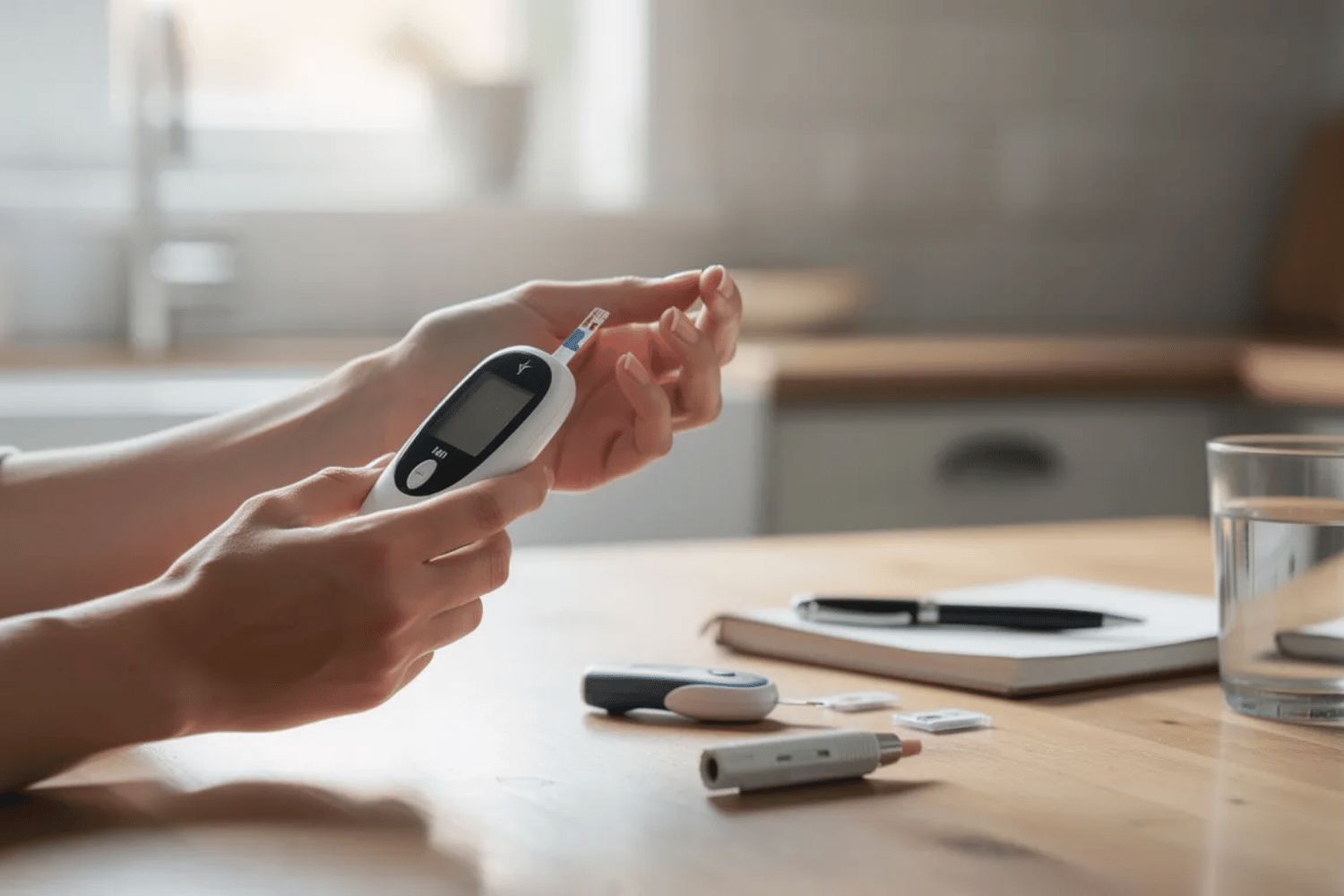
- Bring your glucose meter to the appointment
- Pack a fast-acting glucose source (glucose tablets, juice, or candy)
- Bring a snack for afterward
Why preparation matters: Good pre-procedure blood sugar control significantly reduces your chance of infection and promotes faster wound healing. When glucose levels are stable, your body’s immune response works more effectively.
After your procedure, you will receive clear written post-operative instructions tailored for patients with diabetes. We’ll explain proper wound care, what signs of infection to watch for, and when to call us with concerns.
When to Call Today’s Dental or Your Doctor
Don’t wait if something feels wrong in your mouth. Early intervention prevents small problems from becoming serious complications that affect both your oral and overall health.
Call your dentist if you experience:
- Gums that bleed daily, even with gentle brushing
- Sudden looseness of any tooth
- Pus or swelling near a tooth or in the gums
- Persistent bad taste that won’t go away
- Mouth sores lasting more than two weeks
- Dentures that suddenly don’t fit properly or cause pain
Contact your physician or seek urgent care for:
- Facial swelling that spreads
- Fever along with mouth infection
- Trouble swallowing or breathing
- Rapidly worsening pain that doesn’t respond to over-the-counter remedies
If you’re experiencing frequent oral infections or recurring thrush, mention this to your diabetes care provider. These patterns may signal that blood sugar is running higher than expected and might need adjustment.
We understand that dental emergencies are stressful, especially when you’re managing a chronic condition like uncontrolled diabetes. Today’s Dental can often offer same-day or next-day emergency appointments for urgent dental concerns in Omaha. Please don’t hesitate to call. We’re here to help.
FAQs
How often should I see the dentist if I have diabetes?
For patients with well-controlled diabetes and healthy gums, checkups and cleanings every six months typically work well. However, if you have active gum disease, a higher A1C, or other diabetes related complications, visits every three to four months may be more appropriate.
At Today’s Dental, we customize your recall schedule based on your gum measurements, X-ray findings, and overall health. As your condition changes, whether improvement or new challenges, we’ll adjust your schedule accordingly. The goal is keeping you on track to prevent gum disease rather than treating advanced problems.
Should I check my blood sugar before a dental appointment?
Yes, especially before longer or more complex visits. Checking blood glucose helps you and our team ensure you’re in a stable range before starting treatment. If your reading is too low, treat the hypoglycemia before coming in.
We recommend bringing your glucose meter and a fast-acting sugar source (glucose tablets, juice, or hard candy) to every dental appointment. This is particularly important if you’ve taken insulin and might experience a drop during your visit. Let our team know if you start feeling symptoms of low blood sugar during your appointment. We’ll pause and help you address it immediately.
Can I get dental implants if I have diabetes?
Many people with well-controlled diabetes are excellent candidates for dental implants. However, because healing may be slower and infection risk is elevated, careful planning is essential for success.
At Today’s Dental, we’ll evaluate your bone health, gum condition, and insulin production stability before recommending implants. We may request recent A1C results and coordinate with your physician to optimize timing. Patients with stable glucose levels typically have outcomes comparable to those without diabetes. It just requires extra attention to preparation and aftercare.
What can I do about dry mouth from my diabetes or medications?
Dry mouth is a common challenge, but there are practical steps you can take:
- Sip water frequently throughout the day
- Chew sugar-free gum or lozenges containing xylitol
- Avoid alcohol-based mouthwashes that worsen dryness
- Use a humidifier in your bedroom at night
- Limit caffeine and alcohol, which can dehydrate you
Today’s Dental can recommend prescription-strength fluoride products to protect teeth from decay when saliva is reduced. We may also suggest saliva substitutes or specific oral care products designed for dry mouth. If your medications are causing significant dryness, we can communicate with your physician about potential alternatives.
Do I need to tell my dentist about changes in my diabetes medications?
Absolutely. Any change in insulin, oral medications, GLP-1 injections (like Ozempic or Mounjaro), SGLT2 inhibitors, or other systemic drugs should be shared with Today’s Dental before treatment.
This information helps us plan appointment timing, adjust anesthesia if needed, and provide appropriate aftercare instructions. For example, some newer diabetes medications affect kidney diseases function or cause dehydration, which may influence how we approach certain dental procedures. Open communication ensures your dental care is safe and effective alongside your current diabetes regimen.

